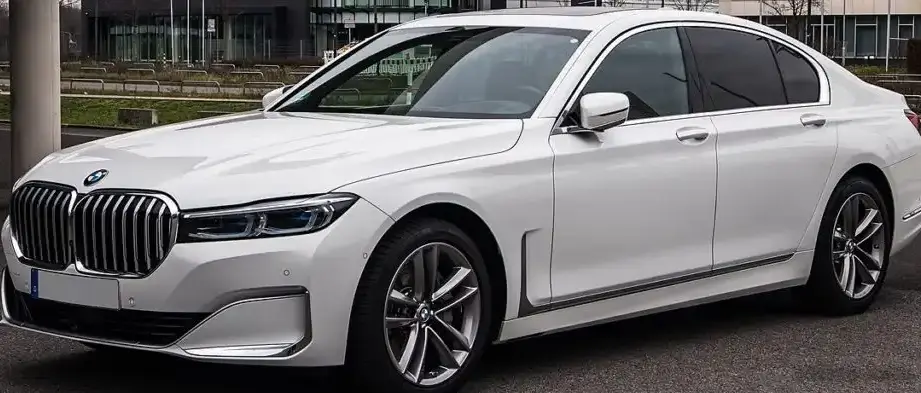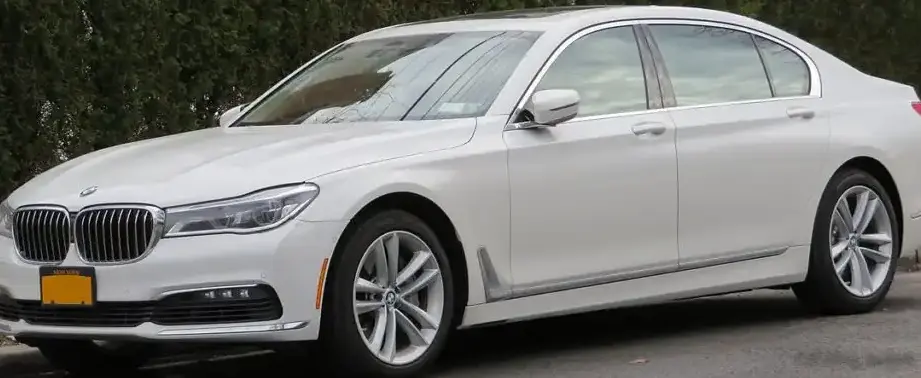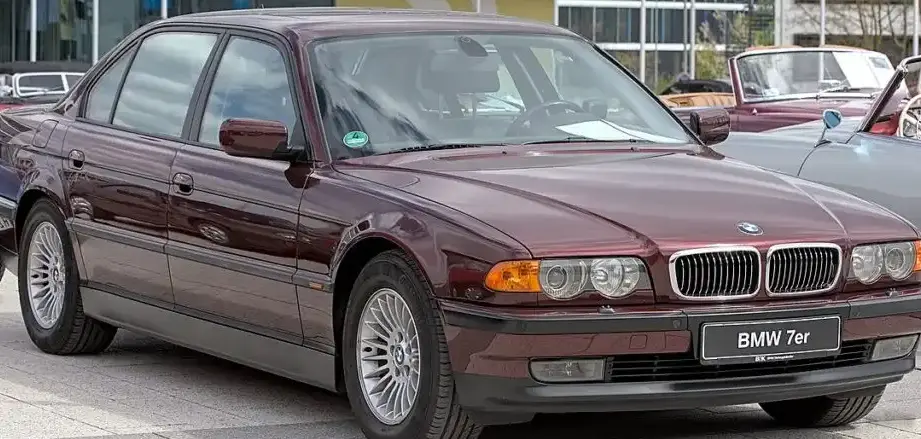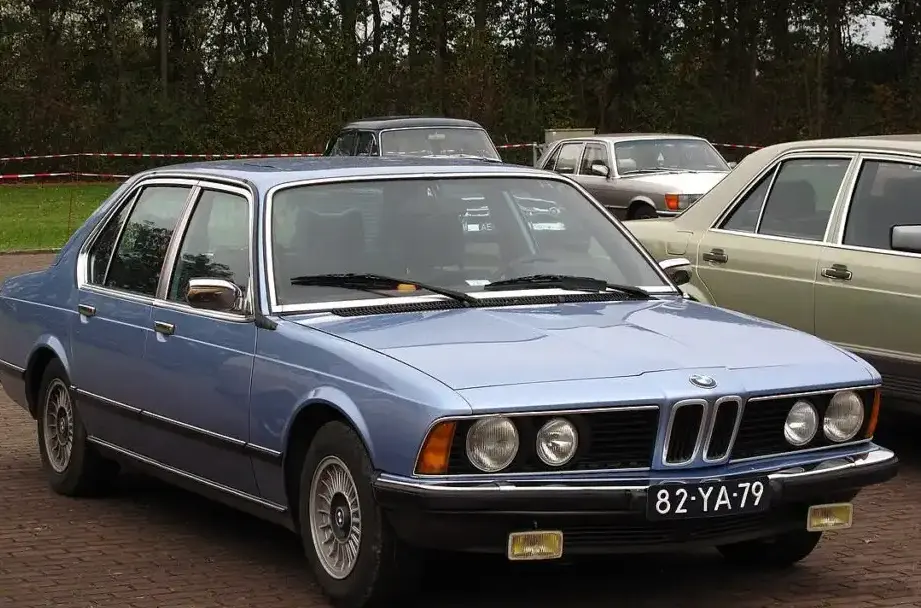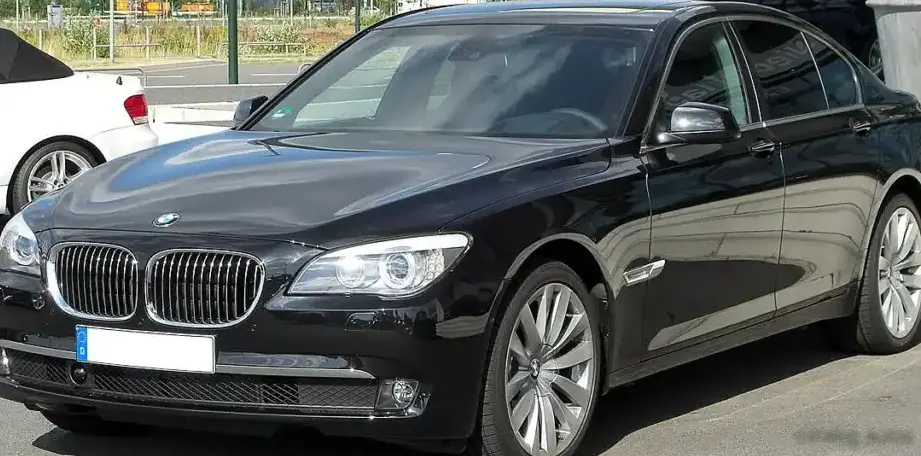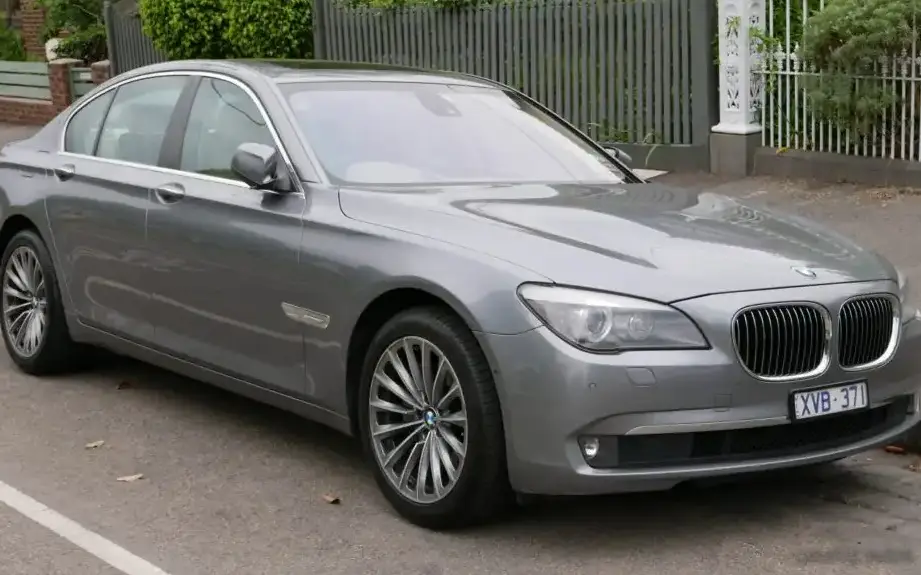
The BMW 750i, part of the F01 generation of the 7 Series produced from 2008 to 2011, represented a significant step forward in luxury and performance for the Bavarian automaker. Positioned as the flagship sedan, the 750i occupied the upper echelon of the lineup, offering a more potent engine and enhanced features compared to the 730d and 740i models. It served as a direct competitor to the Mercedes-Benz S-Class and Audi A8, aiming to deliver a driving experience that blended opulent comfort with dynamic handling. This variant was particularly important in the North American market, where larger displacement engines were favored and the 750i became a common sight among luxury car buyers.
Technical Specifications
| Brand | BMW |
| Model | 7 Series |
| Generation | 7 Series (F01) |
| Type (Engine) | 750i (408 Hp) Steptronic |
| Start of production | 2008 |
| End of production | 2011 |
| Powertrain Architecture | Internal Combustion engine |
| Body type | Sedan |
| Seats | 5 |
| Doors | 4 |
| Fuel consumption (economy) – urban | 16.4 l/100 km (14.3 US mpg, 17.2 UK mpg, 6.1 km/l) |
| Fuel consumption (economy) – extra urban | 8.5 l/100 km (27.7 US mpg, 33.2 UK mpg, 11.8 km/l) |
| Fuel consumption (economy) – combined | 11.4 l/100 km (20.6 US mpg, 24.8 UK mpg, 8.8 km/l) |
| Fuel Type | Petrol (Gasoline) |
| Acceleration 0 – 100 km/h | 5.2 sec |
| Acceleration 0 – 62 mph | 5.2 sec |
| Acceleration 0 – 60 mph | 4.9 sec |
| Maximum speed | 250 km/h (155.34 mph) |
| Emission standard | Euro 5 |
| Weight-to-power ratio | 4.8 kg/Hp, 209.8 Hp/tonne |
| Weight-to-torque ratio | 3.2 kg/Nm, 308.5 Nm/tonne |
| Power | 408 Hp @ 6400 rpm |
| Power per litre | 92.8 Hp/l |
| Torque | 600 Nm @ 4500 rpm (442.54 lb.-ft. @ 4500 rpm) |
| Engine layout | Front, Longitudinal |
| Engine Model/Code | N63B44A |
| Engine displacement | 4395 cm3 (268.2 cu. in.) |
| Number of cylinders | 8 |
| Engine configuration | V-engine |
| Cylinder Bore | 89 mm (3.5 in.) |
| Piston Stroke | 88.3 mm (3.48 in.) |
| Compression ratio | 10:1 |
| Number of valves per cylinder | 4 |
| Fuel injection system | Direct injection |
| Engine aspiration | Turbocharger, Intercooler |
| Valvetrain | DOHC |
| Engine oil capacity | 8.5 l (8.98 US qt | 7.48 UK qt) |
| Coolant | 13.5 l (14.27 US qt | 11.88 UK qt) |
| Kerb Weight | 1945 kg (4287.99 lbs.) |
| Max. weight | 2575 kg (5676.9 lbs.) |
| Max load | 630 kg (1388.91 lbs.) |
| Trunk (boot) space – minimum | 500 l (17.66 cu. ft.) |
| Fuel tank capacity | 82 l (21.66 US gal | 18.04 UK gal) |
| Length | 5072 mm (199.69 in.) |
| Width | 1902 mm (74.88 in.) |
| Height | 1479 mm (58.23 in.) |
| Wheelbase | 3070 mm (120.87 in.) |
| Front track | 1611 mm (63.43 in.) |
| Rear (Back) track | 1650 mm (64.96 in.) |
| Minimum turning circle | 12.2 m (40.03 ft.) |
| Drivetrain Architecture | Rear wheel drive |
| Number of gears and type of gearbox | 6 gears, automatic transmission |
| Front suspension | Double wishbone |
| Rear suspension | Independent multi-link spring suspension with stabilizer |
| Front brakes | Ventilated discs |
| Rear brakes | Ventilated discs |
| Assisting systems | ABS (Anti-lock braking system) |
| Steering type | Steering rack and pinion |
| Power steering | Hydraulic Steering |
| Tires size | 245/50 R18 100Y RSC |
| Wheel rims size | 8J x 18EH2+IS30 |
Powertrain & Engine Architecture
The heart of the 750i was the N63B44A 4.4-liter twin-turbocharged V8 engine. This engine represented a significant advancement in BMW’s engine technology, featuring direct fuel injection and a Valvetronic system for precise control of valve lift and timing. The twin-turbochargers, positioned within the V of the engine, minimized turbo lag and provided a broad, flat torque curve. The engine produced 408 horsepower at 6,400 rpm and a substantial 600 Nm (442 lb-ft) of torque at 4,500 rpm. This power was channeled through a six-speed Steptronic automatic transmission, known for its smooth shifts and responsiveness. The transmission offered both automatic and manual shift modes, allowing drivers to tailor the driving experience to their preferences.
Driving Characteristics
The 750i delivered a driving experience that was both refined and exhilarating. The twin-turbo V8 provided effortless acceleration, with a 0-60 mph time of around 4.9 seconds. The automatic transmission was well-matched to the engine’s characteristics, providing smooth and timely gear changes. While not as overtly sporty as some of BMW’s other models, the 750i offered a confident and composed ride, thanks to its sophisticated suspension system. Compared to the 740i, which used a naturally aspirated inline-six, the 750i offered significantly more power and torque, resulting in a more relaxed and effortless driving experience, particularly during highway cruising and overtaking maneuvers. The 750i also felt more substantial and planted on the road than the lighter-weight 730d.
Equipment & Trim Levels
The 750i came standard with a comprehensive array of luxury features, including leather upholstery, power-adjustable heated front seats, a premium sound system, and a navigation system. Standard features also included automatic climate control, a sunroof, and parking sensors. Optional extras included features like massaging seats, a rear-seat entertainment system, and advanced driver-assistance systems such as lane departure warning and adaptive cruise control. Interior trim options included various wood veneers and aluminum accents, allowing buyers to personalize the cabin to their taste. The exterior was typically adorned with chrome accents and larger alloy wheels compared to lower trim levels.
Chassis & Braking
The F01 7 Series featured a robust chassis with a double-wishbone front suspension and an independent multi-link rear suspension. This suspension setup provided a comfortable ride while maintaining good handling characteristics. The 750i was equipped with ventilated disc brakes on all four wheels, providing ample stopping power. An anti-lock braking system (ABS) and electronic stability control (ESC) were standard features, enhancing safety and control. The steering was a hydraulic rack-and-pinion system, offering precise and responsive steering feel.
Market Reception & Comparison
The 750i was generally well-received by automotive critics, who praised its powerful engine, luxurious interior, and refined driving experience. However, some critics noted that the car’s size and weight could make it feel less agile than some of its competitors. Fuel economy was also a concern, with the 750i achieving relatively low mpg figures compared to other luxury sedans. Compared to the 740i, the 750i offered a significant performance upgrade but came at a higher price. The 730d, while more fuel-efficient, lacked the outright power and prestige of the 750i.
Legacy
The N63B44A engine, while initially plagued by some cooling system issues that were addressed through software updates and hardware revisions, proved to be a durable and reliable powerplant when properly maintained. Today, the F01 750i remains a desirable used luxury car, offering a compelling combination of performance, comfort, and features. However, potential buyers should be aware of the potential for maintenance costs associated with a high-performance luxury vehicle of this age. The 750i represents a pivotal moment in BMW’s history, showcasing the brand’s commitment to innovation and its ability to deliver a truly exceptional driving experience.