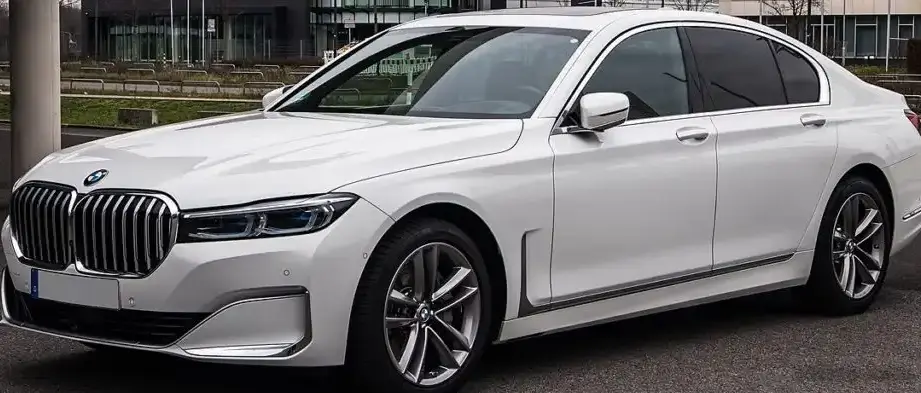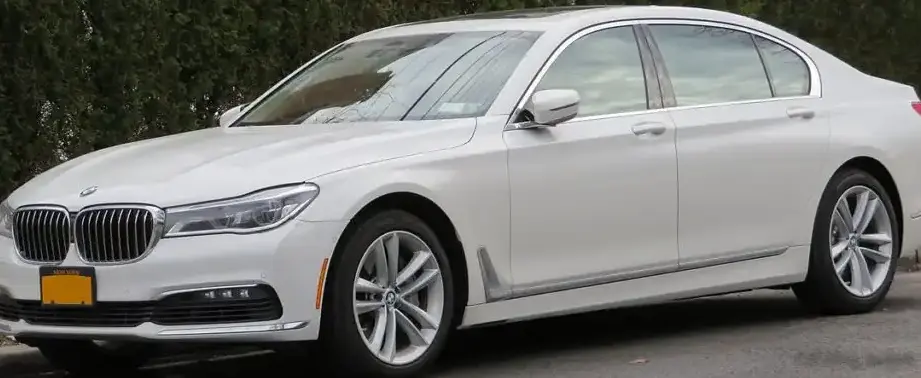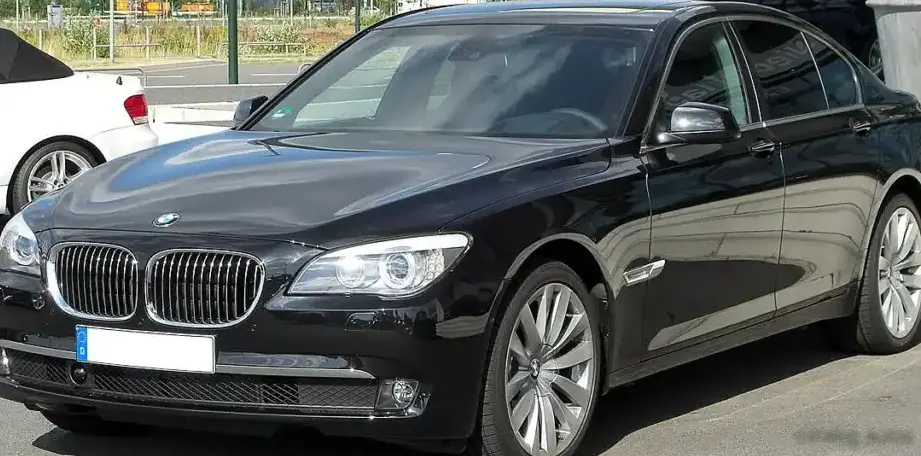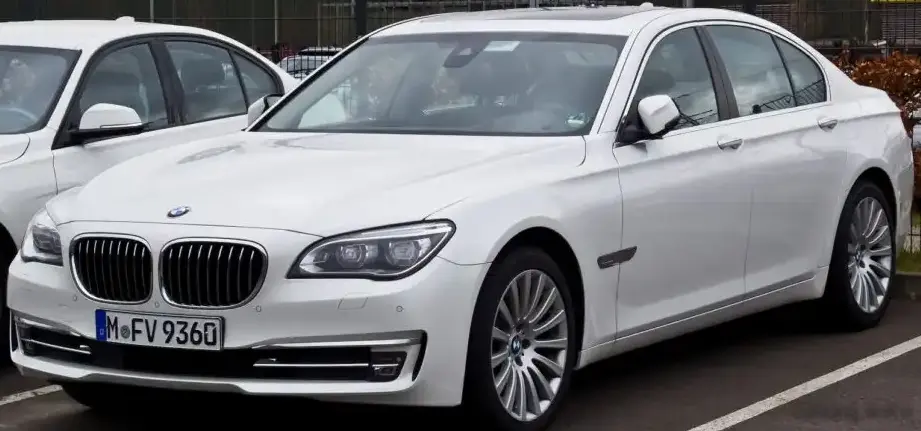
The BMW 730d xDrive Steptronic, part of the F01 LCI (Life Cycle Impulse) facelift of the seventh-generation 7 Series, was produced from 2012 to 2015. This model represented a mid-cycle refresh of the F01 platform, initially launched in 2008, and aimed to enhance the luxury sedan’s appeal with updated styling, improved technology, and refined powertrain options. The 730d, positioned as a more efficient alternative to its higher-powered siblings, offered a balance of performance and fuel economy, making it a popular choice in European markets where diesel engines were favored. In the US market, the 7 Series primarily featured gasoline engines, making the 730d a relatively uncommon sight.
Technical Specifications
| Brand | BMW |
| Model | 7 Series |
| Generation | 7 Series (F01 LCI, facelift 2012) |
| Type (Engine) | 730d (258 Hp) xDrive Steptronic |
| Start of production | 2012 |
| End of production | 2015 |
| Powertrain Architecture | Internal Combustion engine |
| Body type | Sedan |
| Seats | 5 |
| Doors | 4 |
| Fuel consumption (urban) | 7.2 l/100 km (32.7 US mpg, 39.2 UK mpg, 13.9 km/l) |
| Fuel consumption (extra urban) | 5.3 l/100 km (44.4 US mpg, 53.3 UK mpg, 18.9 km/l) |
| Fuel consumption (combined) | 6 l/100 km (39.2 US mpg, 47.1 UK mpg, 16.7 km/l) |
| Fuel Type | Diesel |
| Acceleration 0 – 100 km/h | 6 sec |
| Acceleration 0 – 62 mph | 6 sec |
| Acceleration 0 – 60 mph | 5.7 sec |
| Maximum speed | 250 km/h (155.34 mph) |
| Weight-to-power ratio | 7.7 kg/Hp, 130 Hp/tonne |
| Weight-to-torque ratio | 3.5 kg/Nm, 282.1 Nm/tonne |
| Power | 258 Hp @ 4000 rpm |
| Power per litre | 86.2 Hp/l |
| Torque | 560 Nm @ 1500 rpm (413.03 lb.-ft. @ 1500 rpm) |
| Engine layout | Front, Longitudinal |
| Engine Model/Code | N57D30A |
| Engine displacement | 2993 cm3 (182.64 cu. in.) |
| Number of cylinders | 6 |
| Engine configuration | Inline |
| Cylinder Bore | 84 mm (3.31 in.) |
| Piston Stroke | 90 mm (3.54 in.) |
| Compression ratio | 16.5:1 |
| Number of valves per cylinder | 4 |
| Fuel injection system | Diesel Commonrail |
| Engine aspiration | Turbocharger, Intercooler |
| Engine oil capacity | 6.5 l (6.87 US qt | 5.72 UK qt) |
| Coolant | 8.9 l (9.4 US qt | 7.83 UK qt) |
| Kerb Weight | 1985 kg (4376.18 lbs.) |
| Max. weight | 2550 kg (5621.79 lbs.) |
| Max load | 565 kg (1245.61 lbs.) |
| Fuel tank capacity | 80 l (21.13 US gal | 17.6 UK gal) |
| Length | 5079 mm (199.96 in.) |
| Width | 1902 mm (74.88 in.) |
| Height | 1471 mm (57.91 in.) |
| Wheelbase | 3070 mm (120.87 in.) |
| Front track | 1611 mm (63.43 in.) |
| Rear track | 1650 mm (64.96 in.) |
| Drive wheel | All wheel drive (4×4) |
| Number of gears | 8 |
| Gearbox type | automatic transmission Steptronic |
| Front brakes | Ventilated discs |
| Rear brakes | Ventilated discs |
| Assisting systems | ABS (Anti-lock braking system) |
| Steering type | Steering rack and pinion |
| Tires size | 245/55 R17 102W |
| Wheel rims size | 8J x 17 |
Powertrain & Engine Architecture
The heart of the 730d was the BMW N57D30A, a 3.0-liter inline-six diesel engine. This engine was a cornerstone of BMW’s diesel offerings during the early 2010s, known for its robust construction and relatively smooth operation. The N57 featured common-rail direct injection, delivering fuel at extremely high pressures for optimized combustion. A variable geometry turbocharger (VGT) with intercooling further enhanced performance and efficiency. The engine produced 258 horsepower at 4,000 rpm and a substantial 560 Nm (413 lb-ft) of torque from as low as 1,500 rpm. This torque output was a key characteristic, providing strong acceleration and effortless cruising. The engine also incorporated BMW’s EfficientDynamics technologies, including brake energy regeneration and on-demand auxiliary systems, to minimize fuel consumption.
The “Steptronic” transmission was an 8-speed automatic gearbox, a significant upgrade over previous generations. This transmission offered smooth and quick shifts, contributing to both performance and fuel efficiency. The transmission’s programming was tailored to the diesel engine’s torque characteristics, ensuring optimal gear selection for various driving conditions. The xDrive all-wheel-drive system distributed power between the front and rear axles, enhancing traction and stability, particularly in adverse weather conditions.
Driving Characteristics
The 730d xDrive Steptronic offered a refined and comfortable driving experience. While not as overtly sporty as the 750i models, the 730d provided ample power for everyday driving and highway cruising. The abundant low-end torque made overtaking effortless, and the 8-speed automatic transmission ensured the engine remained in its optimal power band. Acceleration from 0 to 60 mph took approximately 5.7 seconds, a respectable figure for a large luxury sedan. The xDrive system provided confident handling in all conditions, and the suspension, typically featuring air springs and adaptive dampers, delivered a smooth and controlled ride. Compared to the gasoline-powered 7 Series models, the 730d prioritized fuel economy and relaxed cruising over outright performance.
Equipment & Trim Levels
The 730d xDrive Steptronic came standard with a comprehensive array of luxury features. These included leather upholstery, power-adjustable heated front seats, a premium sound system, a navigation system, and a host of driver-assistance technologies such as parking sensors and adaptive cruise control. Optional extras included upgraded leather trims, rear-seat entertainment systems, a head-up display, and various customization options. The interior design was characterized by high-quality materials and a focus on comfort and sophistication. The F01 LCI facelift brought subtle updates to the interior, including revised trim options and improved infotainment system functionality.
Chassis & Braking
The 7 Series chassis was designed to provide a balance of comfort and handling. The suspension typically featured double-wishbone front suspension and multi-link rear suspension, often with air springs and adaptive dampers. This setup allowed for a smooth ride while maintaining good body control. The 730d was equipped with ventilated disc brakes on all four wheels, providing ample stopping power. The ABS (Anti-lock Braking System) and stability control systems further enhanced safety. The steering was a rack-and-pinion system with power assistance, offering precise and responsive handling.
Market Reception & Comparison
The 730d was well-received in European markets, where diesel engines were popular due to their fuel efficiency and low running costs. Critics praised the car’s comfortable ride, refined interior, and strong performance. However, some reviewers noted that the 730d lacked the outright excitement of the higher-powered 7 Series models. Compared to the 740i and 750i, the 730d offered a more economical alternative without sacrificing too much in terms of luxury or comfort. In terms of reliability, the N57 engine proved to be generally robust, although some owners reported issues with the diesel particulate filter (DPF) and turbocharger over the long term.
Legacy
The BMW 730d xDrive Steptronic (F01 LCI) remains a desirable used car option for those seeking a luxurious and efficient full-size sedan. The N57 engine is known for its longevity and relatively low maintenance costs, although regular servicing is essential. The 8-speed Steptronic transmission is also considered reliable. While the car may not have the same cachet as some of its more powerful siblings, the 730d offers a compelling combination of comfort, performance, and fuel economy, making it a practical and enjoyable choice for discerning buyers. Its availability in the used market is relatively limited in the US, but it represents a unique and well-engineered alternative to the more common gasoline-powered 7 Series models.