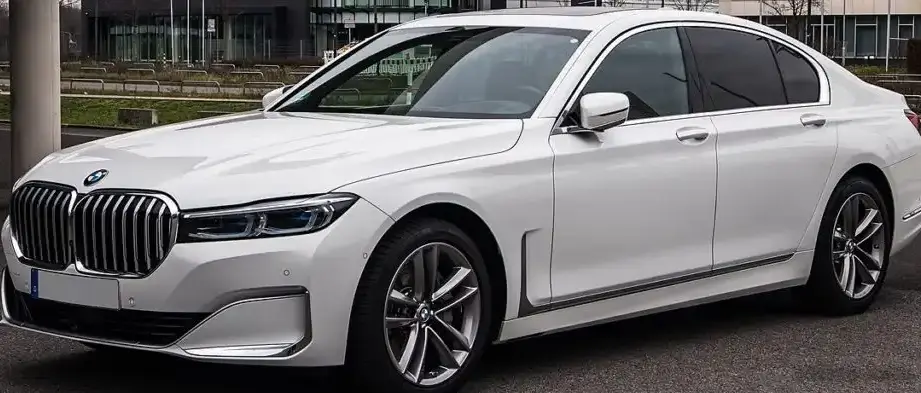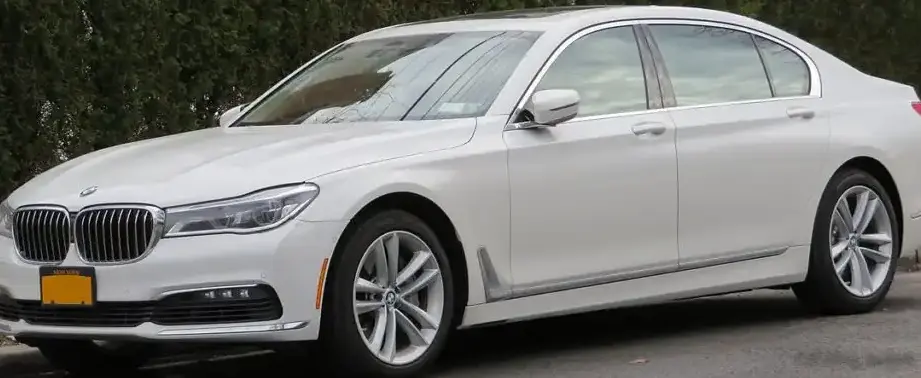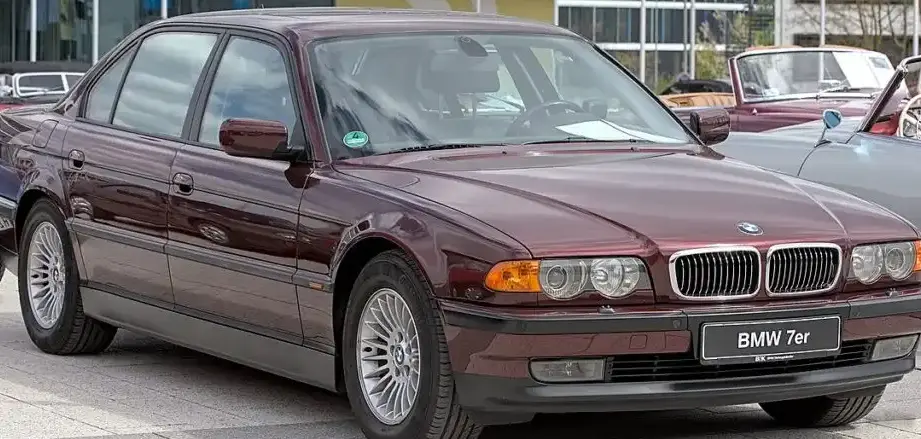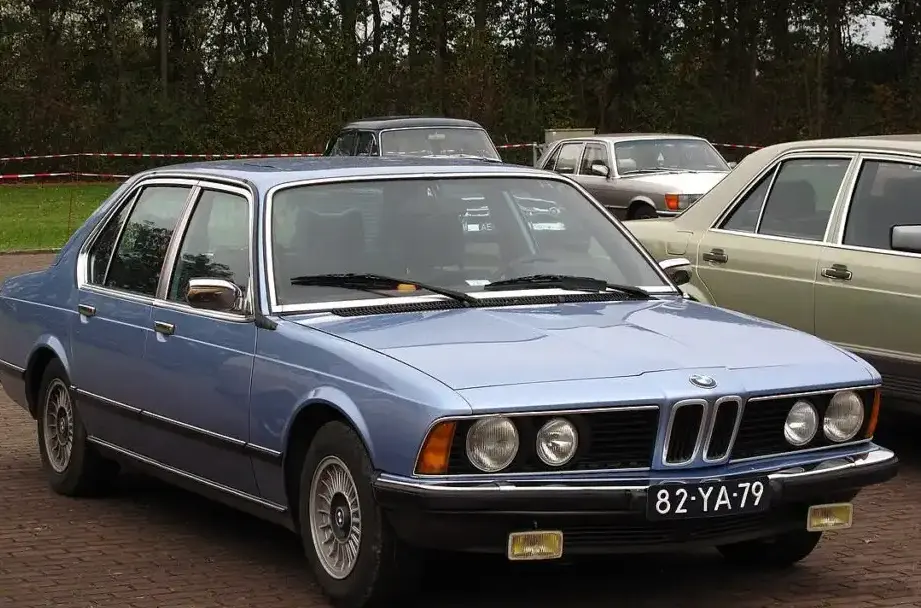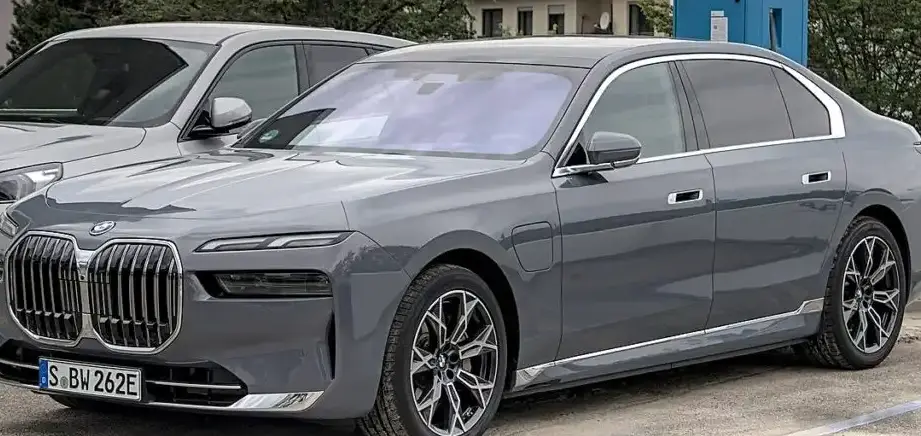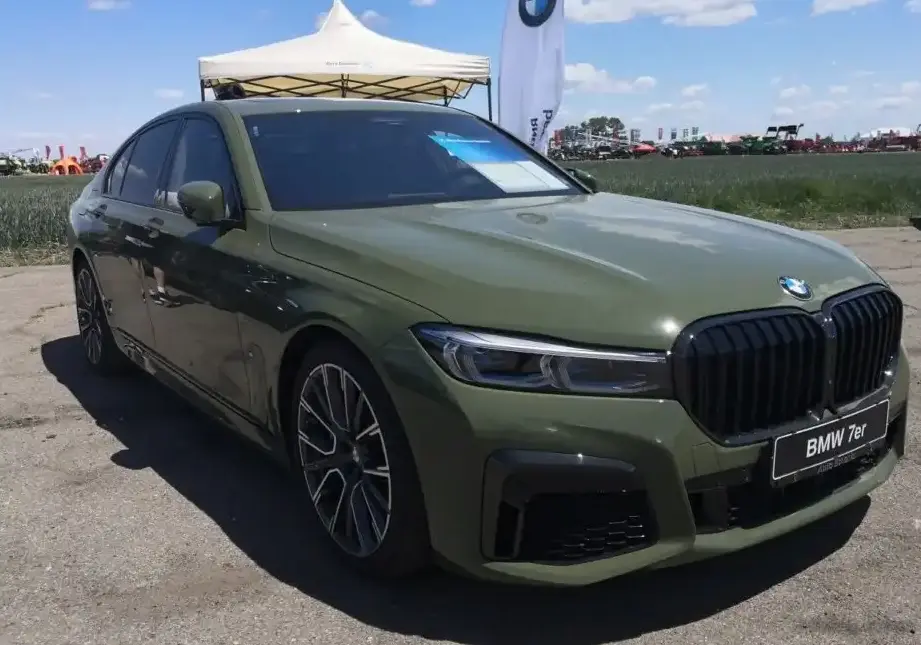
The BMW 730d, part of the G11 LCI (Life Cycle Impulse) facelift of the 7 Series, represents a significant offering in the large luxury sedan segment. Introduced for the 2020 model year and continuing through 2022, this variant combines a potent diesel engine with mild hybrid technology, aimed at balancing performance with improved fuel efficiency. Positioned as a mid-range option within the 7 Series lineup, the 730d served as a more accessible entry point compared to the higher-performance 740i and 750i models, while still delivering a premium driving experience. It primarily targeted buyers seeking a refined, comfortable, and technologically advanced luxury car with lower running costs than its gasoline counterparts.
Technical Specifications
| Brand | BMW |
| Model | 7 Series |
| Generation | 7 Series (G11 LCI, facelift 2019) |
| Type (Engine) | 730d (286 Hp) Mild Hybrid Steptronic |
| Start of production | 2020 |
| End of production | 2022 |
| Powertrain Architecture | MHEV (Mild Hybrid Electric Vehicle) |
| Body type | Sedan |
| Seats | 5 |
| Doors | 4 |
| Fuel consumption (urban) | 5.9-6.0 l/100 km (39.9 – 39.2 US mpg) |
| Fuel consumption (extra urban) | 4.0-4.2 l/100 km (58.8 – 56 US mpg) |
| Fuel consumption (combined) | 4.7-4.9 l/100 km (50 – 48 US mpg) |
| CO2 emissions | 123-128 g/km |
| Fuel Type | Diesel |
| Acceleration 0 – 100 km/h | 5.9 sec |
| Acceleration 0 – 62 mph | 5.9 sec |
| Acceleration 0 – 60 mph | 5.6 sec |
| Maximum speed | 250 km/h (155.34 mph) |
| Emission standard | EURO 6d |
| Weight-to-power ratio | 6.6 kg/Hp |
| Weight-to-torque ratio | 2.9 kg/Nm |
| Gross battery capacity | 0.528 kWh |
| Electric motor power | 11 Hp |
| Power | 286 Hp @ 4000 rpm |
| Torque | 650 Nm @ 1500-2500 rpm (479.42 lb.-ft.) |
| Engine layout | Front, Longitudinal |
| Engine Model/Code | B57D30A |
| Engine displacement | 2993 cm3 (182.64 cu. in.) |
| Number of cylinders | 6 |
| Engine configuration | Inline |
| Cylinder Bore | 84 mm (3.31 in.) |
| Piston Stroke | 90 mm (3.54 in.) |
| Compression ratio | 16.5:1 |
| Number of valves per cylinder | 4 |
| Fuel injection system | Diesel Commonrail |
| Engine aspiration | Twin-power turbo, Intercooler |
| Engine oil capacity | 7 l (7.4 US qt | 6.16 UK qt) |
| Coolant | 9.9 l (10.46 US qt | 8.71 UK qt) |
| Kerb Weight | 1875 kg (4133.67 lbs.) |
| Max. weight | 2560 kg (5643.83 lbs.) |
| Max load | 685 kg (1510.17 lbs.) |
| Trunk (boot) space (minimum) | 515 l (18.19 cu. ft.) |
| Fuel tank capacity | 78 l (20.61 US gal | 17.16 UK gal) |
| Max. roof load | 100 kg (220.46 lbs.) |
| Permitted trailer load (with brakes) | 2100 kg (4629.71 lbs.) |
| Permitted trailer load (without brakes) | 750 kg (1653.47 lbs.) |
| Permitted towbar download | 100 kg (220.46 lbs.) |
| Length | 5120 mm (201.57 in.) |
| Width | 1902 mm (74.88 in.) |
| Height | 1467 mm (57.76 in.) |
| Wheelbase | 3070 mm (120.87 in.) |
| Front track | 1618 mm (63.7 in.) |
| Rear track | 1646 mm (64.8 in.) |
| Ride height (ground clearance) | 135 mm (5.31 in.) |
| Drag coefficient (Cd) | 0.24 |
| Minimum turning circle | 12.3 m (40.35 ft.) |
| Drivetrain | Rear wheel drive |
| Number of gears | 8 |
| Gearbox type | Automatic (Steptronic) |
| Front suspension | Double wishbone, Air suspension |
| Rear suspension | Independent multi-link suspension, Air suspension |
| Front brakes | Ventilated discs |
| Rear brakes | Ventilated discs |
Powertrain & Engine Architecture
The heart of the 730d is BMW’s B57D30A 3.0-liter inline-six diesel engine. This engine is a member of the modular BMW engine family, known for its robust construction and efficiency. The B57 features a cast iron block, aluminum cylinder head, and a sophisticated turbocharging system utilizing a twin-scroll turbocharger and intercooler. Fuel is delivered via a common rail direct injection system operating at extremely high pressures (2,500 bar) for optimized combustion. The engine also incorporates variable valve timing (VANOS) and variable turbine geometry (VTG) on the turbocharger to enhance responsiveness and broaden the torque curve. The mild hybrid system, consisting of a 48V starter-generator, provides a boost of up to 11 horsepower and allows for smoother start-stop operation and coasting with the engine switched off, further improving fuel economy. The engine is paired with BMW’s eight-speed Steptronic automatic transmission, known for its smooth shifts and quick response. This transmission is electronically controlled and adapts to driving style, offering both automatic and manual shift modes.
Driving Characteristics
The 730d delivers a refined and comfortable driving experience. While not as overtly sporty as the gasoline-powered 7 Series models, the 650 Nm (479 lb-ft) of torque available from 1500-2500 rpm provides ample power for effortless acceleration and confident overtaking. The 0-60 mph sprint takes approximately 5.6 seconds. The eight-speed automatic transmission is well-matched to the engine’s characteristics, providing smooth and seamless gear changes. The mild hybrid system contributes to a near-silent start-stop experience and a subtle power boost during acceleration. Compared to the 740i, the 730d offers less outright horsepower, but its superior torque and lower weight result in comparable real-world performance. The 730d also offers a noticeable advantage in fuel economy over its gasoline counterparts.
Equipment & Trim Levels
The 730d typically came well-equipped as standard, reflecting its position as a luxury vehicle. Standard features included leather upholstery, power-adjustable front seats with memory function, a large infotainment screen with iDrive controller, navigation system, automatic climate control, and a comprehensive suite of safety features such as lane departure warning, forward collision warning, and automatic emergency braking. Optional extras included features like massaging seats, a premium sound system (Bowers & Wilkins), rear-seat entertainment, and various driver-assistance systems. Interior trim options included a range of wood veneers and aluminum accents. The exterior styling remained consistent with other 7 Series models, featuring BMW’s signature kidney grille and sleek, modern lines.
Chassis & Braking
The 7 Series chassis is designed for both comfort and handling. The 730d utilizes a double-wishbone front suspension and an independent multi-link rear suspension, both incorporating air suspension with automatic self-leveling. This system provides a smooth and controlled ride, even on uneven surfaces. The air suspension also allows the ride height to be adjusted for improved comfort or increased ground clearance. Braking duties are handled by ventilated disc brakes on all four wheels, providing ample stopping power. Additional safety features include ABS, electronic stability control, and traction control. The steering system is an electric power-assisted rack-and-pinion setup, offering precise and responsive steering feel.
Market Reception & Comparison
The 730d was generally well-received by automotive critics. It was praised for its refined driving experience, comfortable interior, and impressive fuel economy. Critics noted that while it lacked the outright performance of the 740i and 750i, it offered a compelling value proposition for buyers prioritizing efficiency and comfort. Compared to the 740i, the 730d offered similar levels of luxury and technology at a lower price point, but with slightly less horsepower. The 730d’s fuel economy was significantly better than that of the gasoline-powered models, making it an attractive option for those covering long distances. Reliability reports suggest the B57 engine is generally robust, although diesel particulate filter (DPF) issues can occur with frequent short trips.
Legacy
The BMW 730d (G11 LCI) represents a successful blend of luxury, performance, and efficiency. The B57 engine has proven to be a durable and reliable powerplant, and the mild hybrid technology helped to reduce emissions and improve fuel economy. On the used car market, the 730d offers a relatively affordable entry point into the 7 Series range, making it an attractive option for buyers seeking a high-end luxury sedan. However, potential buyers should be aware of the potential for DPF issues and ensure the vehicle has been properly maintained. The G11 generation 7 Series, including the 730d, is considered a technologically advanced and well-engineered vehicle that continues to offer a compelling driving experience.