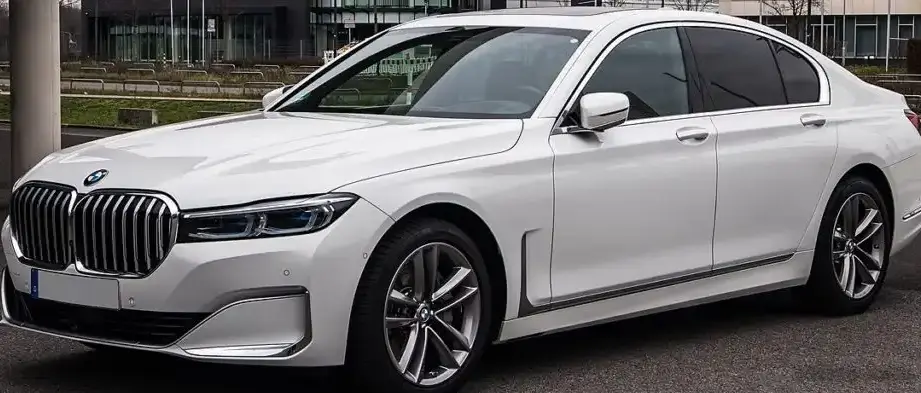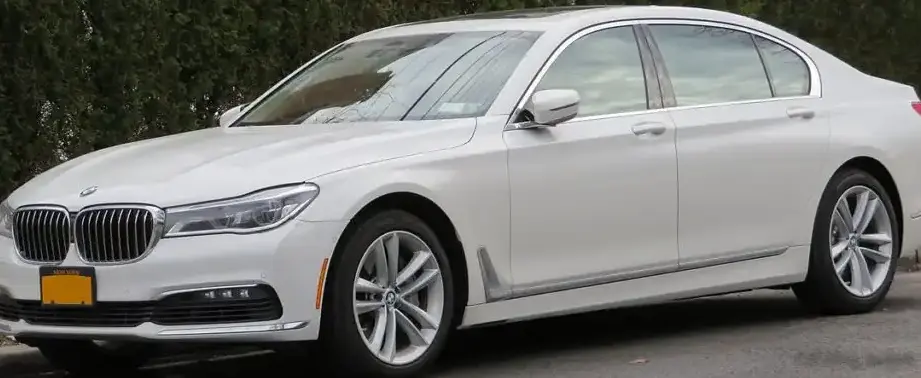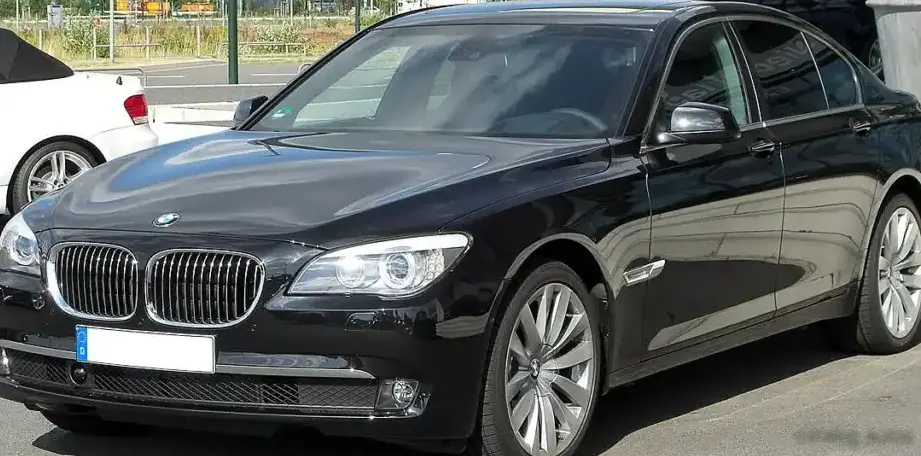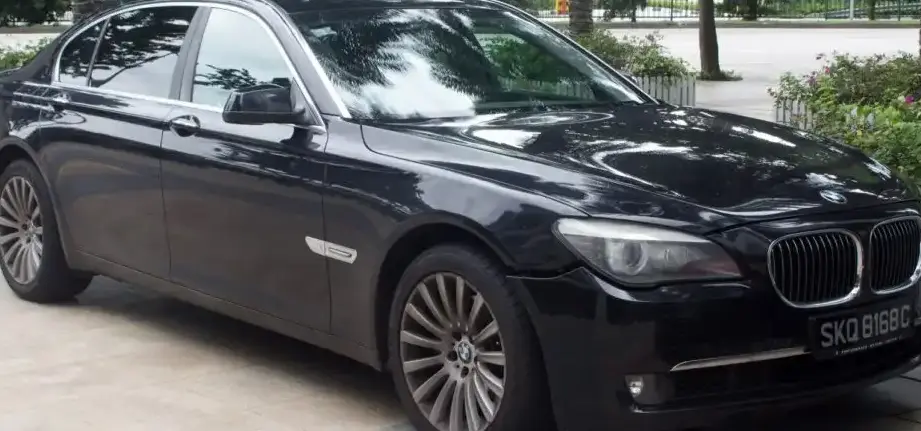
The BMW 750Li xDrive, part of the F02 Long wheelbase generation of the 7 Series produced from 2009 to 2011, represented BMW’s flagship luxury sedan offering in key markets like North America and Asia. Positioned as a high-performance variant within the 7 Series range, the 750Li combined a powerful twin-turbocharged V8 engine with BMW’s xDrive all-wheel-drive system and a six-speed Steptronic automatic transmission. The “Li” designation indicated an extended wheelbase, providing significantly increased rear passenger legroom, a feature particularly valued in markets where chauffeur-driven travel is common. This model aimed to deliver both a dynamic driving experience and the opulent comfort expected of a luxury vehicle in its class.
Technical Specifications
| Brand | BMW |
| Model | 7 Series |
| Generation | 7 Series Long (F02) |
| Type (Engine) | 750Li (408 Hp) xDrive Steptronic |
| Start of production | 2009 |
| End of production | 2011 |
| Powertrain Architecture | Internal Combustion engine |
| Body type | Sedan |
| Seats | 5 |
| Doors | 4 |
| Fuel consumption (economy) – urban | 17.1 l/100 km (13.8 US mpg, 16.5 UK mpg, 5.8 km/l) |
| Fuel consumption (economy) – extra urban | 8.9 l/100 km (26.4 US mpg, 31.7 UK mpg, 11.2 km/l) |
| Fuel consumption (economy) – combined | 11.9 l/100 km (19.8 US mpg, 23.7 UK mpg, 8.4 km/l) |
| CO2 emissions | 278 g/km |
| Fuel Type | Petrol (Gasoline) |
| Acceleration 0 – 100 km/h | 5.1 sec |
| Acceleration 0 – 62 mph | 5.1 sec |
| Acceleration 0 – 60 mph | 4.8 sec |
| Maximum speed | 250 km/h (155.34 mph) |
| Emission standard | Euro 5 |
| Weight-to-power ratio | 5 kg/Hp, 198.1 Hp/tonne |
| Weight-to-torque ratio | 3.4 kg/Nm, 291.3 Nm/tonne |
| Power | 408 Hp @ 5500-6400 rpm |
| Power per litre | 92.8 Hp/l |
| Torque | 600 Nm @ 1750-4500 rpm (442.54 lb.-ft. @ 1750-4500 rpm) |
| Engine layout | Front, Longitudinal |
| Engine Model/Code | N63B44A |
| Engine displacement | 4395 cm3 (268.2 cu. in.) |
| Number of cylinders | 8 |
| Engine configuration | V-engine |
| Cylinder Bore | 89 mm (3.5 in.) |
| Piston Stroke | 88.3 mm (3.48 in.) |
| Compression ratio | 10:1 |
| Number of valves per cylinder | 4 |
| Fuel injection system | Direct injection |
| Engine aspiration | Twin-power turbo, Intercooler |
| Engine oil capacity | 8.5 l (8.98 US qt | 7.48 UK qt) |
| Coolant | 13.5 l (14.27 US qt | 11.88 UK qt) |
| Kerb Weight | 2060 kg (4541.52 lbs.) |
| Max. weight | 2690 kg (5930.43 lbs.) |
| Max load | 630 kg (1388.91 lbs.) |
| Trunk (boot) space – minimum | 500 l (17.66 cu. ft.) |
| Fuel tank capacity | 82 l (21.66 US gal | 18.04 UK gal) |
| Max. roof load | 100 kg (220.46 lbs.) |
| Permitted trailer load with brakes (12%) | 2100 kg (4629.71 lbs.) |
| Permitted trailer load without brakes | 750 kg (1653.47 lbs.) |
| Permitted towbar download | 100 kg (220.46 lbs.) |
| Length | 5212 mm (205.2 in.) |
| Width | 1902 mm (74.88 in.) |
| Height | 1478 mm (58.19 in.) |
| Wheelbase | 3210 mm (126.38 in.) |
| Front track | 1611 mm (63.43 in.) |
| Rear (Back) track | 1650 mm (64.96 in.) |
| Ride height (ground clearance) | 148 mm (5.83 in.) |
| Drag coefficient (Cd) | 0.31 |
| Minimum turning circle (turning diameter) | 13.0 m (42.65 ft.) |
| Drive wheel | All wheel drive (4×4) |
| Number of gears and type of gearbox | 6 gears, automatic transmission Steptronic |
| Front suspension | Double wishbone |
| Rear suspension | Independent multi-link suspension |
| Front brakes | Ventilated discs |
| Rear brakes | Ventilated discs |
| Assisting systems | ABS (Anti-lock braking system) |
| Steering type | Steering rack and pinion |
| Power steering | Electric Steering |
| Tires size | 245/50 R18 100Y |
| Wheel rims size | 8J x 18 |
Powertrain & Engine Architecture
The heart of the 750Li was the N63B44A 4.4-liter twin-turbocharged V8 engine. This engine represented a significant advancement in BMW’s powertrain technology, featuring direct fuel injection and twin scroll turbochargers. The direct injection system allowed for precise fuel delivery, improving both efficiency and performance. The twin-turbo setup minimized turbo lag, providing a broad and responsive powerband. The engine produced 408 horsepower at 5,500-6,400 rpm and a substantial 600 Nm (442 lb-ft) of torque between 1,750 and 4,500 rpm. This power was channeled through a six-speed Steptronic automatic transmission, known for its smooth shifts and adaptive learning capabilities. The xDrive all-wheel-drive system distributed power between the front and rear axles, enhancing traction and stability, particularly in adverse weather conditions.
Driving Characteristics
The 750Li xDrive offered a markedly different driving experience compared to the 730d or 740i variants. The significantly higher power output of the V8 engine resulted in considerably quicker acceleration – 0 to 60 mph in around 4.8 seconds. While the six-speed automatic wasn’t as modern as the eight-speed transmissions found in later BMW models, it was well-matched to the engine’s torque curve, providing smooth and relatively quick gear changes. The xDrive system contributed to confident handling, especially on slippery surfaces. However, the added weight of the all-wheel-drive system and the larger engine did slightly diminish the agility compared to rear-wheel-drive 7 Series models. The long wheelbase prioritized ride comfort, absorbing bumps effectively, but also resulted in a less sporty feel.
Equipment & Trim Levels
The 750Li xDrive came standard with a comprehensive array of luxury features. Interior appointments typically included premium leather upholstery, wood trim, and a high level of sound insulation. Standard equipment included features like a navigation system, a premium sound system, multi-contour seats with massage function, and a rear-seat entertainment system. Optional extras included features like active steering, night vision, and a Bang & Olufsen sound system. The extended wheelbase provided ample rear legroom, making it a popular choice for those who frequently traveled as passengers.
Chassis & Braking
The F02 7 Series utilized a double-wishbone front suspension and an independent multi-link rear suspension, designed to provide a comfortable and controlled ride. The 750Li, due to its higher performance, often featured slightly stiffer springs and dampers compared to lower-powered models. Braking duties were handled by ventilated disc brakes on all four wheels, coupled with BMW’s Dynamic Stability Control (DSC) system and ABS. The DSC system helped to maintain stability during braking and cornering, while the ABS prevented wheel lockup.
Market Reception & Comparison
The 750Li xDrive was generally well-received by automotive critics, who praised its powerful engine, luxurious interior, and comfortable ride. However, some reviewers noted that the car’s size and weight could make it feel cumbersome in tight spaces. Compared to the 740i (with its naturally aspirated inline-six), the 750Li offered significantly more power and a more refined driving experience, but at a higher price point. The 730d, while more fuel-efficient, lacked the outright performance of the 750Li. Fuel economy, while respectable for a V8-powered luxury sedan, was not a strong point, averaging around 19.8 US mpg in combined driving.
Legacy
The N63B44A engine, while initially plagued by some cooling system issues that were addressed through software updates and revised components, proved to be a robust and reliable powerplant when properly maintained. Today, well-maintained F02 750Li xDrive models represent a compelling value in the used luxury car market. The combination of performance, luxury, and all-wheel-drive capability continues to appeal to buyers seeking a high-end sedan. However, potential buyers should be aware of the potential for maintenance costs associated with a complex vehicle like the 7 Series, and a thorough pre-purchase inspection is highly recommended.