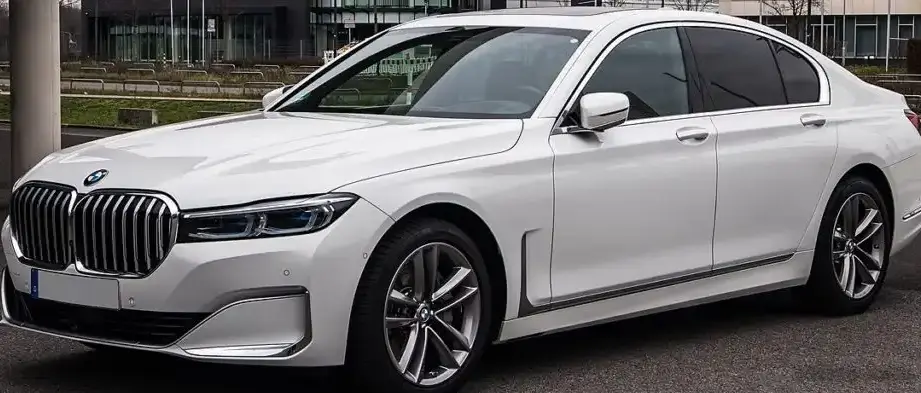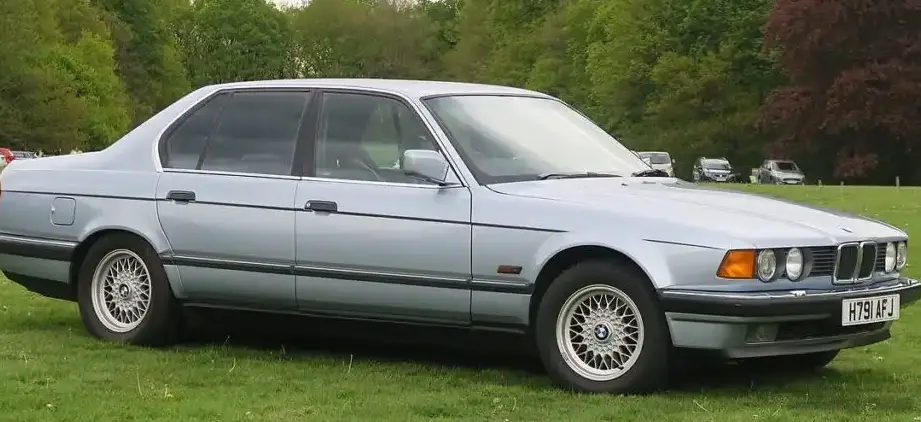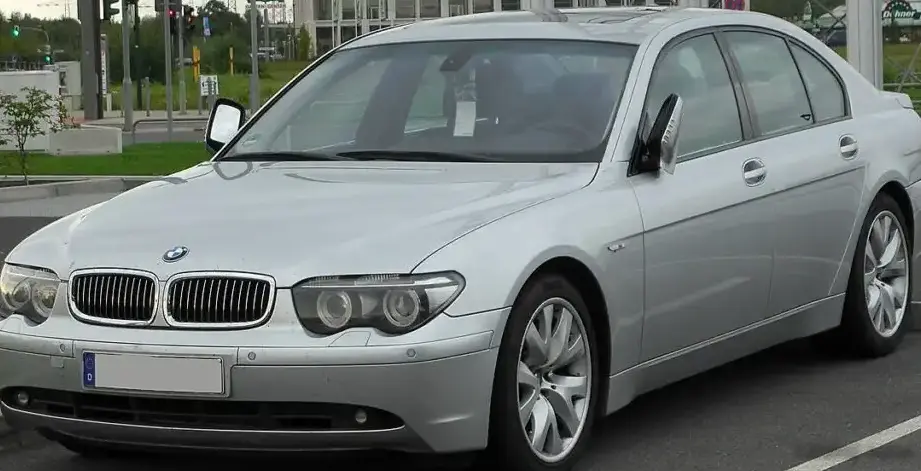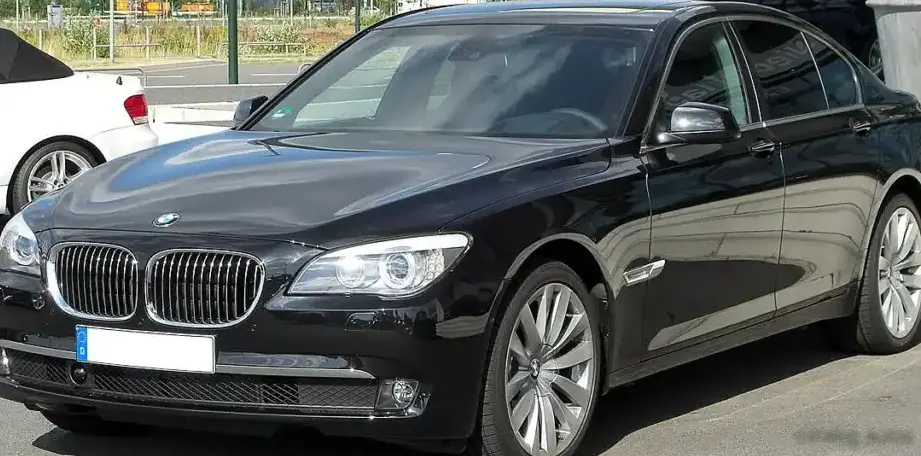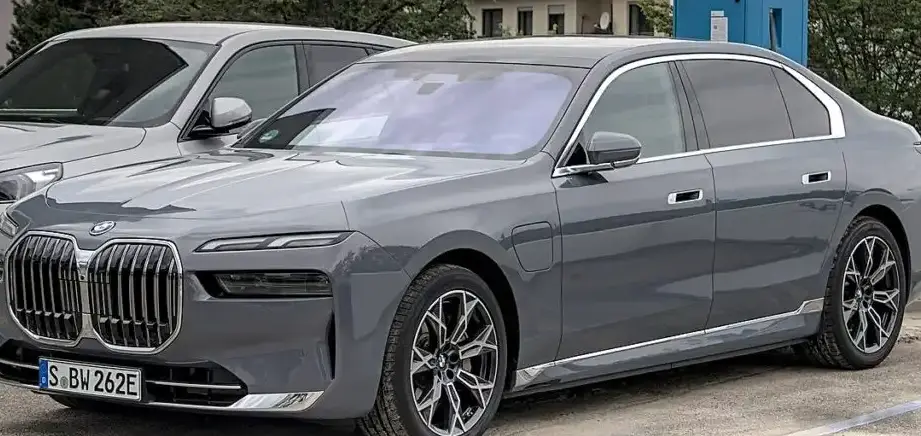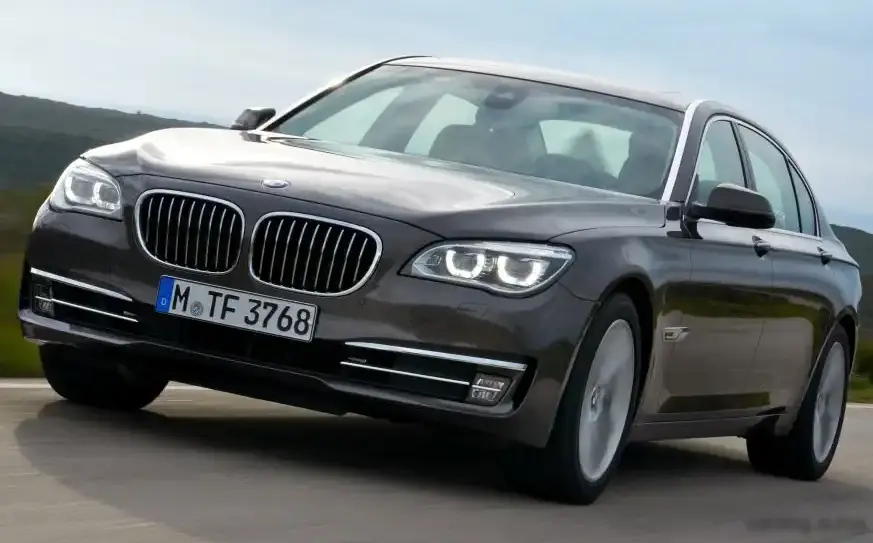
The BMW 730Li, part of the F02 Long wheelbase (LCI facelift) generation of the 7 Series produced from 2012 to 2015, represented a key entry point into BMW’s flagship luxury sedan range, particularly in markets like China where the long-wheelbase model was highly favored. Positioned below the 740Li and 750Li, the 730Li offered a balance of prestige, comfort, and performance, appealing to buyers seeking a luxurious experience without the higher price tag of the top-tier models. This variant was primarily aimed at chauffeur-driven executives and those prioritizing rear passenger space, a defining characteristic of the “Li” designation.
Technical Specifications
| Brand | BMW |
| Model | 7 Series |
| Generation | 7 Series Long (F02 LCI, facelift 2012) |
| Type (Engine) | 730Li (258 Hp) Steptronic |
| Start of production | 2012 |
| End of production | 2015 |
| Powertrain Architecture | Internal Combustion engine |
| Body type | Sedan |
| Seats | 5 |
| Doors | 4 |
| Fuel consumption (urban) | 12.6 l/100 km (18.7 US mpg, 22.4 UK mpg, 7.9 km/l) |
| Fuel consumption (extra urban) | 6.4 l/100 km (36.8 US mpg, 44.1 UK mpg, 15.6 km/l) |
| Fuel consumption (combined) | 8.7 l/100 km (27 US mpg, 32.5 UK mpg, 11.5 km/l) |
| CO2 emissions | 199 g/km |
| Fuel Type | Petrol (Gasoline) |
| Acceleration 0 – 100 km/h | 7.5 sec |
| Acceleration 0 – 62 mph | 7.5 sec |
| Acceleration 0 – 60 mph | 7.1 sec |
| Maximum speed | 250 km/h (155.34 mph), Electronically limited |
| Emission standard | Euro 5 |
| Weight-to-power ratio | 6.9 kg/Hp, 144.1 Hp/tonne |
| Weight-to-torque ratio | 5.8 kg/Nm, 173.2 Nm/tonne |
| Power | 258 Hp @ 6600 rpm |
| Torque | 310 Nm @ 2600-3000 rpm (228.64 lb.-ft. @ 2600-3000 rpm) |
| Engine layout | Front, Longitudinal |
| Engine Model/Code | N52B30 |
| Engine displacement | 2996 cm3 (182.83 cu. in.) |
| Number of cylinders | 6 |
| Engine configuration | Inline |
| Cylinder Bore | 85 mm (3.35 in.) |
| Piston Stroke | 88 mm (3.46 in.) |
| Compression ratio | 10.7:1 |
| Number of valves per cylinder | 4 |
| Fuel injection system | Multi-port manifold injection |
| Engine aspiration | Naturally aspirated engine |
| Valvetrain | DOHC, Double-VANOS |
| Engine oil capacity | 6.5 l (6.87 US qt | 5.72 UK qt) |
| Coolant | 8.1 l (8.56 US qt | 7.13 UK qt) |
| Kerb Weight | 1790 kg (3946.27 lbs.) |
| Max. weight | 2510 kg (5533.6 lbs.) |
| Max load | 720 kg (1587.33 lbs.) |
| Trunk (boot) space – minimum | 500 l (17.66 cu. ft.) |
| Fuel tank capacity | 82 l (21.66 US gal | 18.04 UK gal) |
| Max. roof load | 100 kg (220.46 lbs.) |
| Permitted trailer load with brakes (12%) | 2100 kg (4629.71 lbs.) |
| Permitted trailer load without brakes | 750 kg (1653.47 lbs.) |
| Permitted towbar download | 100 kg (220.46 lbs.) |
| Length | 5219 mm (205.47 in.) |
| Width | 1902 mm (74.88 in.) |
| Height | 1481 mm (58.31 in.) |
| Wheelbase | 3210 mm (126.38 in.) |
| Front track | 1611 mm (63.43 in.) |
| Rear (Back) track | 1650 mm (64.96 in.) |
| Front overhang | 866 mm (34.09 in.) |
| Rear overhang | 1143 mm (45 in.) |
| Ride height (ground clearance) | 152 mm (5.98 in.) |
| Drag coefficient (Cd) | 0.28 |
| Minimum turning circle (turning diameter) | 12.7 m (41.67 ft.) |
| Drivetrain Architecture | The Internal combustion engine (ICE) drives the rear wheels of the vehicle. |
| Drive wheel | Rear wheel drive |
| Number of gears and type of gearbox | 8 gears, automatic transmission Steptronic |
| Front suspension | Double wishbone |
| Rear suspension | Independent multi-link suspension, Air suspension |
| Front brakes | Ventilated discs |
| Rear brakes | Ventilated discs |
| Assisting systems | ABS (Anti-lock braking system) |
| Steering type | Steering rack and pinion |
| Power steering | Electric Steering |
| Tires size | 245/55 R17 |
| Wheel rims size | 8J x 17 |
INTRODUCTION
The BMW 730Li (F02 LCI) was introduced as part of the facelifted F02 7 Series range in 2012. The “LCI” (Life Cycle Impulse) brought revised styling, updated technology, and refined engine options. The 730Li specifically catered to markets where a longer wheelbase and a more accessible price point were crucial. It occupied the entry-level position within the 7 Series lineup, offering a luxurious experience without the performance focus of the higher-numbered models. The F02 generation, built on the BMW 7 Series (F01/F02) platform, aimed to re-establish the 7 Series as a leader in the luxury sedan segment, addressing criticisms leveled at the preceding E65/E66 generation.
Powertrain & Engine Architecture
The 730Li was powered by the N52B30, a 3.0-liter inline-six cylinder naturally aspirated engine. This engine, a staple of BMW’s lineup for many years, is renowned for its smooth operation and reliability. The N52 featured Double-VANOS (variable valve timing on both intake and exhaust camshafts) for optimized performance and efficiency across the rev range. Fuel delivery was handled by a multi-port fuel injection system. The engine produced 258 horsepower at 6600 rpm and 310 Nm (228.64 lb-ft) of torque between 2600 and 3000 rpm. Paired exclusively with an 8-speed Steptronic automatic transmission, the 730Li prioritized smooth shifts and comfortable cruising over outright acceleration. The Steptronic transmission offered both automatic and manual shift modes, allowing drivers to tailor the driving experience to their preferences.
Driving Characteristics
The 730Li’s driving experience was characterized by refinement and comfort. While not as dynamically engaging as the 740Li or 750Li, the 3.0-liter inline-six provided adequate power for relaxed highway cruising and city driving. The 8-speed automatic transmission contributed to a smooth and seamless driving experience, with well-chosen gear ratios that prioritized fuel efficiency and reduced engine noise. Acceleration from 0-60 mph took approximately 7.1 seconds, which was respectable for a large luxury sedan, but noticeably slower than its more powerful siblings. The long wheelbase and air suspension (standard on the Li models) further enhanced ride comfort, absorbing bumps and imperfections in the road with ease. The steering was light and precise, making maneuvering in urban environments effortless.
Equipment & Trim Levels
The 730Li came standard with a comprehensive array of luxury features. Interior appointments included leather upholstery, wood trim, and power-adjustable front seats with memory function. Standard technology included BMW’s iDrive infotainment system with a high-resolution display, navigation, a premium sound system, and automatic climate control. Rear passengers benefited from the extended wheelbase, offering generous legroom and available features like rear-seat entertainment options. Optional extras included features like massaging seats, a panoramic sunroof, adaptive cruise control, and a head-up display. Trim levels were relatively limited, with most customization occurring through individual options rather than distinct packages.
Chassis & Braking
The 730Li utilized a double wishbone front suspension and an independent multi-link rear suspension, with air suspension standard on the long-wheelbase models. This setup provided a comfortable and controlled ride. Braking duties were handled by ventilated disc brakes on all four wheels, coupled with ABS (Anti-lock Braking System) and electronic stability control. The suspension was tuned to prioritize comfort over sporty handling, resulting in a more relaxed driving experience. The air suspension allowed for adjustable ride height, further enhancing comfort and providing the ability to raise the vehicle for improved ground clearance.
Market Reception & Comparison
The 730Li was generally well-received by critics, particularly in markets where the long-wheelbase model was popular. It was praised for its comfortable ride, spacious interior, and refined engine. However, some reviewers noted that the 3.0-liter engine lacked the outright performance of the 740Li and 750Li. Compared to the 740Li, which featured a turbocharged inline-six, the 730Li offered lower running costs and a simpler engine design, potentially leading to lower maintenance expenses. The 750Li, with its V8 engine, provided significantly more power but came at a higher price and with increased fuel consumption. The 730Li represented a sweet spot for buyers prioritizing luxury and comfort over ultimate performance.
Legacy
The N52B30 engine, found in the 730Li, is known for its durability and relatively straightforward maintenance. While not immune to age-related issues, the engine is generally considered reliable when properly maintained. Today, used 730Li models represent a relatively affordable entry point into BMW’s flagship luxury sedan range. However, potential buyers should be aware of the higher maintenance costs associated with luxury vehicles, including potential repairs to the air suspension and iDrive system. The F02 LCI 730Li remains a comfortable and well-equipped luxury sedan, offering a refined driving experience and a prestigious badge at a reasonable price point.