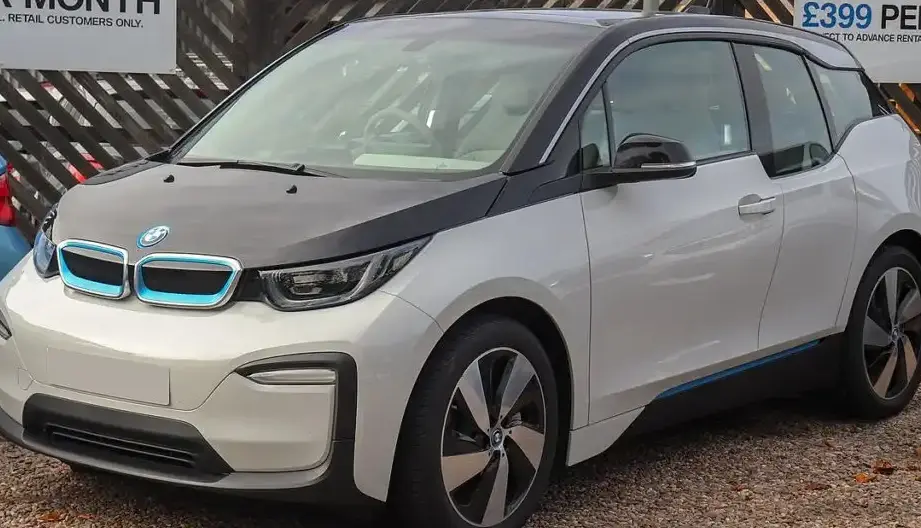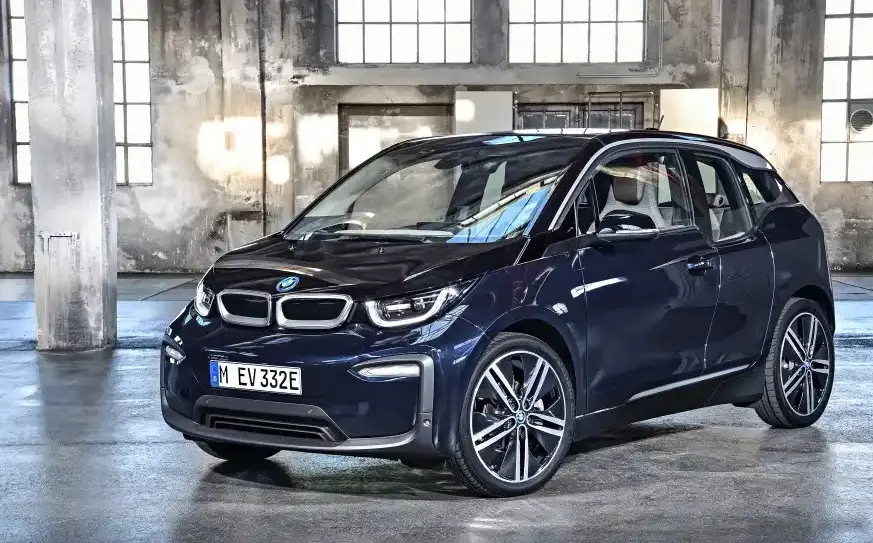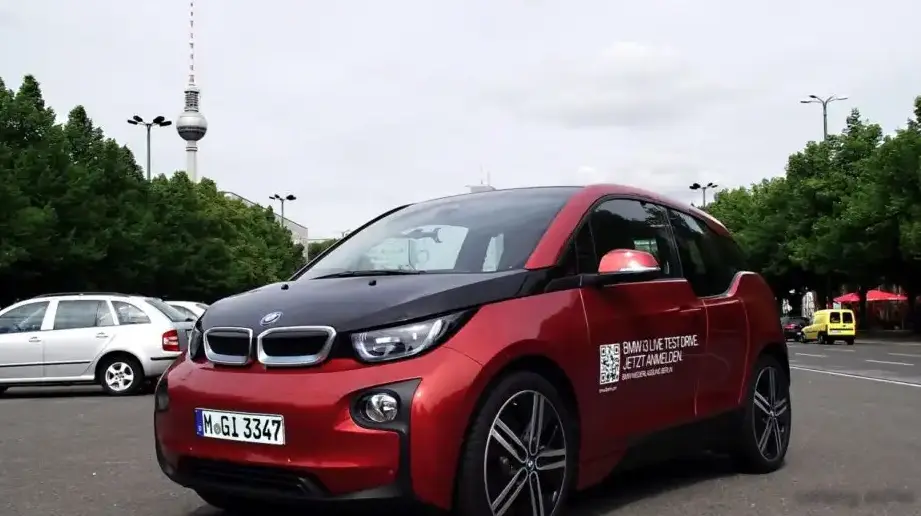
The BMW i3 (L01) with the 22 kWh battery and 170 horsepower electric motor represents a pivotal moment in BMW’s history, marking the brand’s serious foray into mass-market electric vehicles. Produced from 2013 to 2017, this variant was the initial offering in the i3 lineup, designed as a premium, urban-focused electric hatchback. It was built on BMW’s dedicated “LifeModule” and “DriveModule” architecture, utilizing carbon fiber reinforced plastic (CFRP) for the passenger cell to minimize weight. The i3 aimed to redefine sustainable mobility, offering a blend of innovative technology, distinctive styling, and a surprisingly engaging driving experience for an electric vehicle of its time.
Technical Specifications
| Brand | BMW |
| Model | i3 |
| Generation | i3 (L01) |
| Type (Engine) | 22 kWh (170 Hp) |
| Start of production | 2013 |
| End of production | 2017 |
| Powertrain Architecture | BEV (Electric Vehicle) |
| Body type | Hatchback |
| Seats | 4 |
| Doors | 5 |
| Fuel Type | Electricity |
| Acceleration 0 – 100 km/h | 7.2 sec |
| Acceleration 0 – 62 mph | 7.2 sec |
| Acceleration 0 – 60 mph | 6.8 sec |
| Maximum speed | 150 km/h (93.21 mph) |
| Weight-to-power ratio | 7 kg/Hp, 142.3 Hp/tonne |
| Weight-to-torque ratio | 4.8 kg/Nm, 209.2 Nm/tonne |
| Gross battery capacity | 22 kWh |
| Net (usable) battery capacity | 18.8 kWh |
| Battery voltage | 360 V |
| Battery technology | Lithium-ion (Li-Ion) |
| Battery weight | 230 kg (507.06 lbs) |
| Battery location | Below the floor |
| Recuperation output | 50 kW |
| All-electric range | 190 km (118.06 mi) |
| Average Energy consumption | 12.9 kWh/100 km (20.76 kWh/100 mi) |
| MPGe | 162 |
| km/kWh | 7.8 |
| mi/kWh | 4.8 |
| Electric motor power | 170 Hp |
| Electric motor Torque | 250 Nm @ 0 rpm (184.39 lb.-ft.) |
| Electric motor model/code | IB1P23M0 |
| Maximum revolutions of the electric motor | 11400 rpm |
| Electric motor location | Rear axle, Transverse |
| Electric motor type | Synchronous |
| System power | 170 Hp |
| System torque | 250 Nm (184.39 lb.-ft.) |
| Kerb Weight | 1195 kg (2634.52 lbs) |
| Max. weight | 1620 kg (3571.49 lbs) |
| Max load | 425 kg (936.96 lbs) |
| Trunk (boot) space – minimum | 260 l (9.18 cu. ft.) |
| Trunk (boot) space – maximum | 1100 l (38.85 cu. ft.) |
| Length | 3999 mm (157.44 in) |
| Width | 1775 mm (69.88 in) |
| Height | 1578 mm (62.13 in) |
| Wheelbase | 2570 mm (101.18 in) |
| Front track | 1571 mm (61.85 in) |
| Rear (Back) track | 1576 mm (62.05 in) |
| Front overhang | 707 mm (27.83 in) |
| Rear overhang | 722 mm (28.43 in) |
| Ride height (ground clearance) | 140 mm (5.51 in) |
| Drag coefficient (Cd) | 0.29 |
| Minimum turning circle | 9.86 m (32.35 ft) |
| Drivetrain Architecture | One electric motor drives the rear wheels |
| Drive wheel | Rear wheel drive |
| Front suspension | Independent type McPherson |
| Rear suspension | Independent multi-link suspension |
| Front brakes | Ventilated discs |
| Rear brakes | Ventilated discs |
| Assisting systems | ABS (Anti-lock braking system) |
| Steering type | Steering rack and pinion |
| Power steering | Electric Steering |
| Tires size | 155/70 R19 |
| Wheel rims size | 5J x 19 |
Powertrain & Engine Architecture
The BMW i3 22 kWh is powered by a single, rear-mounted electric motor (IB1P23M0) producing 170 horsepower and 250 Nm (184 lb-ft) of instant torque. This synchronous electric motor is directly connected to the rear wheels, providing a unique driving experience. The 22 kWh lithium-ion battery pack is located low in the vehicle’s floor, contributing to a low center of gravity and improved handling. The battery utilizes a 360V architecture. The i3 employs a single-speed transmission, typical for electric vehicles, delivering smooth and linear acceleration. The motor’s power electronics and control systems are highly integrated, optimizing energy efficiency and performance. Regenerative braking is a key feature, capturing kinetic energy during deceleration and converting it back into electricity, extending the vehicle’s range.
Driving Characteristics
The i3 22 kWh offers a surprisingly nimble and engaging driving experience. The instant torque of the electric motor provides brisk acceleration, with 0-60 mph times around 6.8 seconds. While not a sports car, the i3 feels quick and responsive in urban environments. The rear-wheel-drive configuration contributes to a balanced feel, although the narrow tires (155/70 R19) can limit grip during aggressive cornering. The low center of gravity, thanks to the battery placement, minimizes body roll. Compared to later i3 models with larger battery packs and more powerful motors, the 22 kWh version offers a more direct and lightweight feel. The single-speed transmission provides seamless acceleration, but lacks the gear changes that some drivers might prefer. The regenerative braking system takes some getting used to, but can be adjusted to provide varying levels of deceleration.
Equipment & Trim Levels
The base i3 22 kWh came standard with a comprehensive suite of features, including automatic climate control, a 6.5-inch infotainment screen, BMW iDrive system, power windows and locks, and a multi-function steering wheel. Interior upholstery was typically a combination of recycled materials and high-quality fabrics. Optional extras included a larger touchscreen display, navigation system, parking sensors, a premium audio system, and various interior trim upgrades. The “Mega City” package added features like park distance control and automatic climate control. The i3’s interior design was minimalist and modern, emphasizing sustainability and functionality.
Chassis & Braking
The i3’s chassis is a notable feature, utilizing a CFRP passenger cell mounted on an aluminum “DriveModule” which houses the powertrain and suspension components. This construction results in a remarkably lightweight vehicle, contributing to its efficiency and agility. The front suspension utilizes an independent McPherson strut design, while the rear features an independent multi-link setup. Both front and rear brakes are ventilated discs, providing adequate stopping power. ABS (Anti-lock Braking System) is standard. The i3’s relatively low weight reduces the strain on the braking system, contributing to its longevity. The narrow tires, while impacting grip, also help to reduce rolling resistance and improve efficiency.
Market Reception & Comparison
The BMW i3 22 kWh received generally positive reviews from critics, who praised its innovative design, engaging driving experience, and commitment to sustainability. However, the limited range (around 118 miles) was a common criticism, particularly for drivers accustomed to gasoline-powered vehicles. Compared to other electric vehicles of the time, such as the Nissan Leaf and Chevrolet Volt, the i3 offered a more premium driving experience and a more distinctive design. The i3’s higher price point, however, made it less accessible to some buyers. Fuel economy, measured in MPGe, was excellent at 162. Reliability proved to be generally good, although some owners reported issues with the battery management system and the regenerative braking system.
Legacy
The BMW i3 22 kWh paved the way for BMW’s broader electrification strategy. It demonstrated that electric vehicles could be both practical and desirable, challenging conventional notions about sustainable mobility. While the 22 kWh version was superseded by models with larger battery packs and increased range, it remains a significant milestone in the history of electric vehicles. On the used car market, the i3 22 kWh represents an affordable entry point into BMW’s electric lineup. The powertrain has proven to be relatively reliable, although potential buyers should be aware of the limited range and the potential for battery degradation over time. The i3’s unique design and innovative construction continue to attract enthusiasts and environmentally conscious drivers.