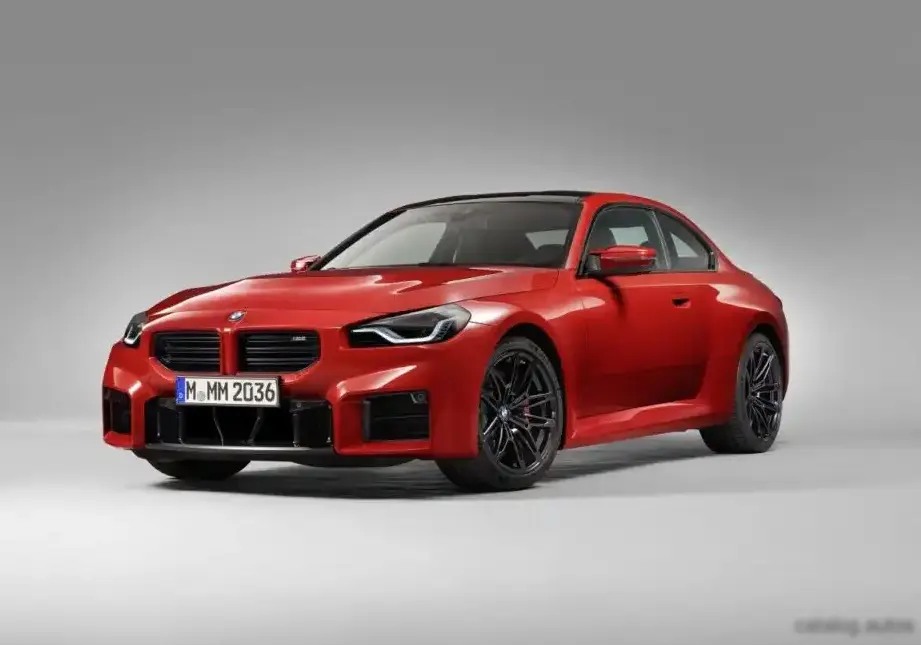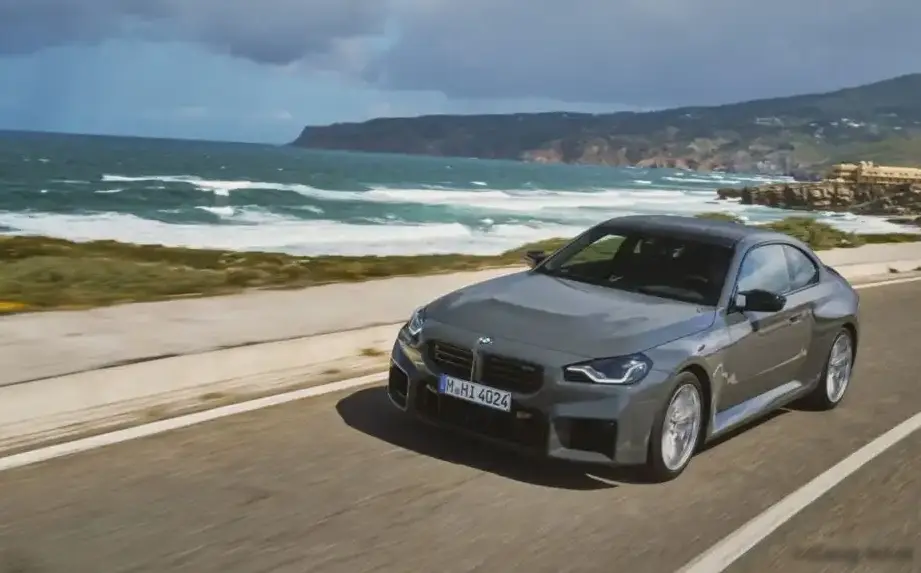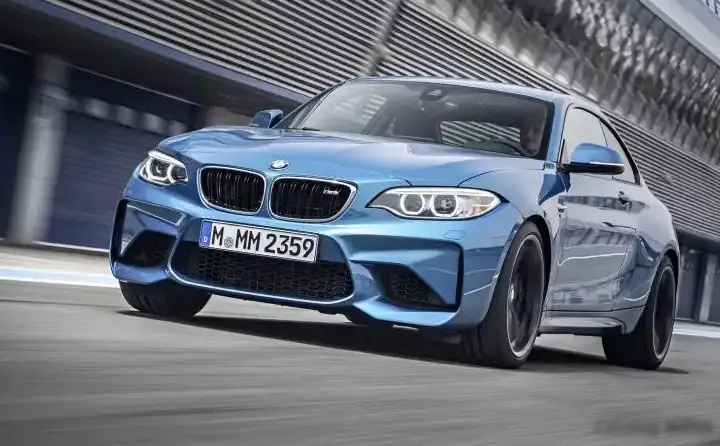
The BMW M2 coupe (F87), powered by the 3.0-liter (370 hp) engine, marked a significant return to form for BMW’s smallest M car. Production ran from October 2015 to June 2018, and the F87 M2 was designed to evoke the spirit of the original 1980s E30 M3 – a lightweight, driver-focused coupe. Positioned as the performance leader within the 2 Series lineup, it offered a substantial performance increase over standard 2 Series models and presented a more focused alternative to the larger M3 and M4. This particular variant, equipped with the N55 engine and a six-speed manual transmission, quickly became highly desirable for its balanced performance and engaging driving experience.
Technical Specifications
| Brand | BMW |
| Model | M2 |
| Generation | M2 coupe (F87) |
| Type (Engine) | 3.0 (370 Hp) |
| Start of production | October, 2015 |
| End of production | June, 2018 |
| Powertrain Architecture | Internal Combustion engine |
| Body type | Coupe |
| Seats | 4 |
| Doors | 2 |
| Fuel consumption (economy) – urban | 11.6 l/100 km (20.3 US mpg) |
| Fuel consumption (economy) – extra urban | 6.7 l/100 km (35.1 US mpg) |
| Fuel consumption (economy) – combined | 8.5 l/100 km (27.7 US mpg) |
| CO2 emissions | 199 g/km |
| Fuel Type | Petrol (Gasoline) |
| Acceleration 0 – 100 km/h | 4.5 sec |
| Acceleration 0 – 62 mph | 4.5 sec |
| Acceleration 0 – 60 mph | 4.3 sec |
| Maximum speed | 250 km/h (155.34 mph) |
| Emission standard | Euro 6 |
| Weight-to-power ratio | 4 kg/Hp |
| Weight-to-torque ratio | 3.2 kg/Nm |
| Power | 370 Hp @ 6500 rpm |
| Torque | 465 Nm @ 1400-5560 rpm (342.97 lb.-ft. @ 1400-5560 rpm) |
| Engine layout | Front, Longitudinal |
| Engine Model/Code | N55B30A |
| Engine displacement | 2979 cm3 (181.79 cu. in.) |
| Number of cylinders | 6 |
| Engine configuration | Inline |
| Cylinder Bore | 84 mm (3.31 in.) |
| Piston Stroke | 89.6 mm (3.53 in.) |
| Compression ratio | 10.2:1 |
| Number of valves per cylinder | 4 |
| Fuel injection system | Direct injection |
| Engine aspiration | Twin-power turbo, Intercooler |
| Engine oil capacity | 6.5 l (6.87 US qt | 5.72 UK qt) |
| Coolant | 6.7 l (7.08 US qt | 5.9 UK qt) |
| Kerb Weight | 1495 kg (3295.91 lbs.) |
| Max. weight | 2010 kg (4431.29 lbs.) |
| Max load | 515 kg (1135.38 lbs.) |
| Trunk (boot) space – minimum | 390 l (13.77 cu. ft.) |
| Fuel tank capacity | 52 l (13.74 US gal | 11.44 UK gal) |
| Max. roof load | 75 kg (165.35 lbs.) |
| Length | 4468 mm (175.91 in.) |
| Width | 1854 mm (72.99 in.) |
| Height | 1410 mm (55.51 in.) |
| Wheelbase | 2693 mm (106.02 in.) |
| Front track | 1579 mm (62.17 in.) |
| Rear (Back) track | 1601 mm (63.03 in.) |
| Ride height (ground clearance) | 123 mm (4.84 in.) |
| Drag coefficient (Cd) | 0.35 |
| Minimum turning circle (turning diameter) | 11.7 m (38.39 ft.) |
| Drivetrain Architecture | Rear wheel drive |
| Number of gears and type of gearbox | 6 gears, manual transmission |
| Front suspension | Independent coil spring |
| Rear suspension | Independent multi-link suspension |
| Front brakes | Ventilated discs |
| Rear brakes | Ventilated discs |
| Assisting systems | ABS (Anti-lock braking system) |
| Steering type | Steering rack and pinion |
| Power steering | Electric Steering |
| Tires size | 245/35 ZR19 93Y; 265/35 ZR19 98Y |
| Wheel rims size | 9.0J x 19; 10.0J x 19 |
Powertrain & Engine Architecture
The F87 M2’s engine is the BMW N55B30A, a 3.0-liter inline-six cylinder engine. While not the latest engine technology available from BMW at the time – the B58 was being phased in – the N55 was a highly refined and dependable unit. It incorporates direct fuel injection, a twin-scroll turbocharger, and Double-VANOS variable valve timing. The engine generates 370 horsepower at 6,500 rpm and 343 lb-ft of torque between 1,400 and 5,560 rpm. This broad torque curve is a defining characteristic of the N55, delivering strong acceleration across the entire rev range. A standard six-speed manual transmission provided precise shifts and a direct connection to the drivetrain. An optional eight-speed M Steptronic automatic transmission was also offered, but the manual was the preferred choice among driving enthusiasts.
Driving Characteristics
The M2’s driving experience is characterized by its balance and responsiveness. The 370 hp engine, combined with the rear-wheel-drive configuration, delivers exhilarating acceleration. The manual transmission’s gear ratios are well-matched to the engine’s powerband, enabling quick and engaging shifts. While not as brutally fast as some higher-horsepower sports cars, the M2’s relatively low weight (approximately 3,300 lbs) and finely-tuned chassis contribute to a nimble and playful feel. Compared to the M235i, the M2 featured a wider track, a stiffer suspension, and more aggressive steering, resulting in significantly improved handling. The automatic transmission, while smooth, did slightly reduce the direct connection felt with the manual, and some reviewers noted a slight decrease in responsiveness.
Equipment & Trim Levels
The M2 came well-equipped as standard. Interior features included sport seats upholstered in a combination of leather and Alcantara, a leather-wrapped steering wheel, and aluminum trim accents. Standard technology included BMW’s iDrive infotainment system with a 6.5-inch display, navigation, and a premium sound system. Optional extras included a larger 8.8-inch iDrive display, a head-up display, adaptive M suspension, and a variety of interior trim options. The M Driver Package added a driving experience analyzer and allowed for an increased top speed. Exterior options included a range of paint colors and wheel designs.
Chassis & Braking
The M2’s chassis is based on the F22 2 Series coupe, but with substantial M-specific upgrades. It features a wider track than the standard 2 Series, along with stiffer springs, dampers, and stabilizer bars. The rear suspension utilizes a multi-link design, optimized for handling and stability. Braking is provided by large, ventilated discs at all four corners, offering ample stopping power. The M2 also incorporates BMW’s Dynamic Stability Control (DSC) system, which can be partially or fully deactivated for more spirited driving.
Market Reception & Comparison
The BMW M2 received widespread acclaim from automotive critics upon its release. It was praised for its engaging driving dynamics, powerful engine, and relatively affordable price point (compared to other M cars). Critics observed that the M2 successfully recaptured the essence of the original E30 M3, offering a pure and rewarding driving experience. Compared to the M235i, the M2 was considered a significant improvement in performance and handling. While the M2’s fuel economy wasn’t exceptional (around 27.7 mpg combined), it was reasonable for a high-performance coupe. Reliability has generally been good, with the N55 engine proving to be a durable and long-lasting unit.
Legacy
The F87 M2 has quickly become a modern classic, highly sought after by enthusiasts and collectors. Its combination of performance, handling, and relative affordability has made it a popular choice in the used car market. The N55 engine, while not the most technologically advanced, is known for its reliability and potential for tuning. The M2’s success paved the way for the current-generation M2 (G87), which continues the tradition of offering a driver-focused, high-performance coupe. Well-maintained examples of the F87 M2 continue to command strong prices, reflecting its enduring appeal and status as a benchmark for compact performance cars.