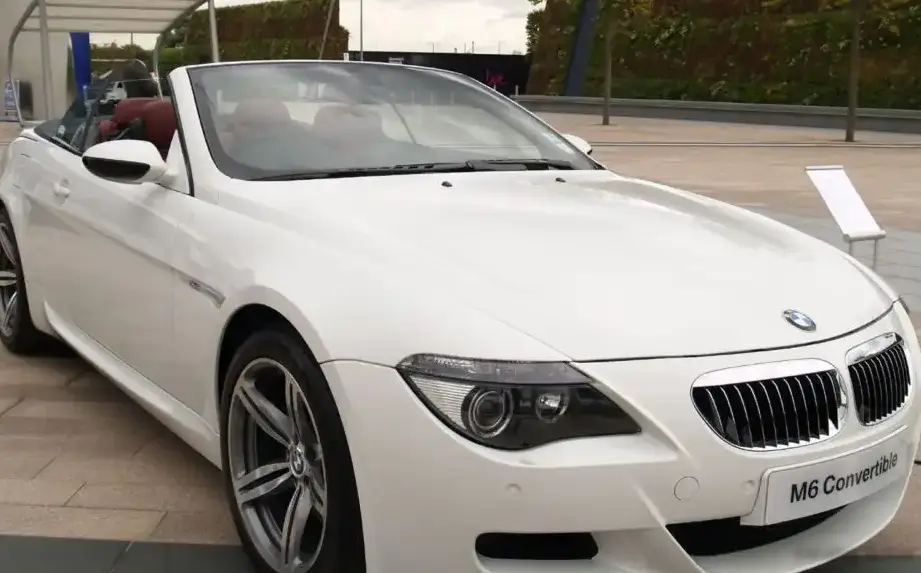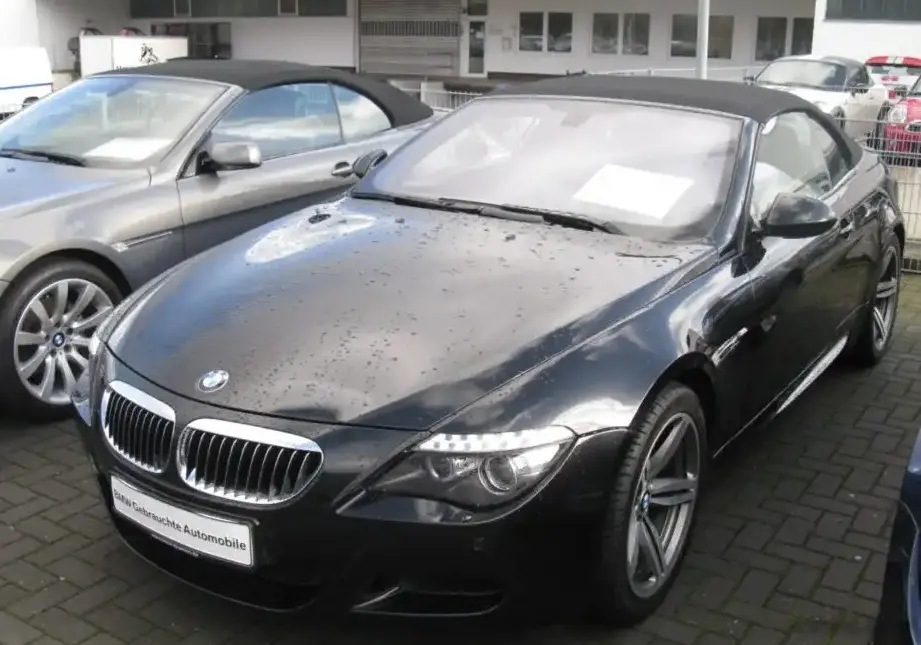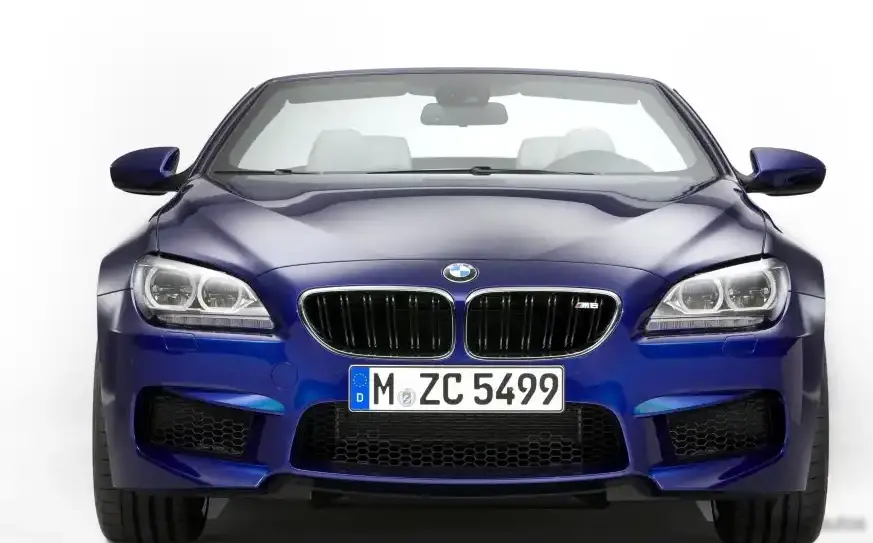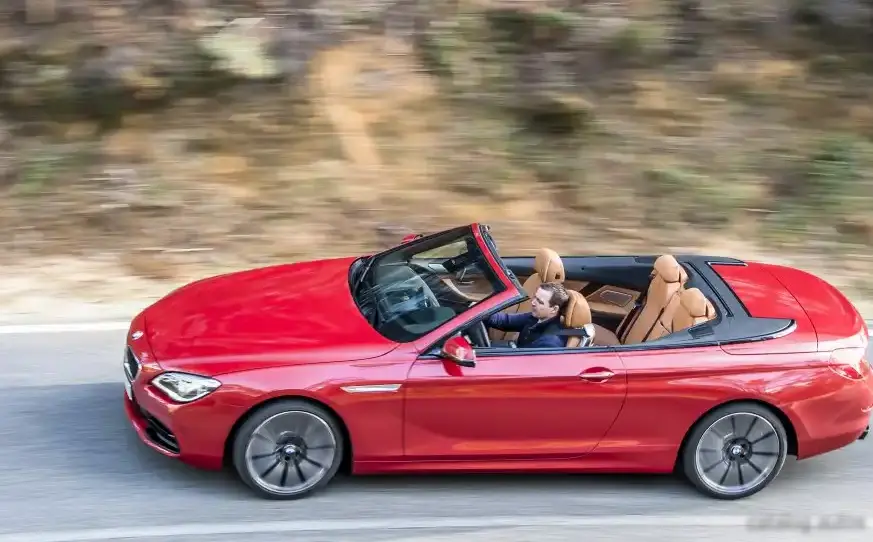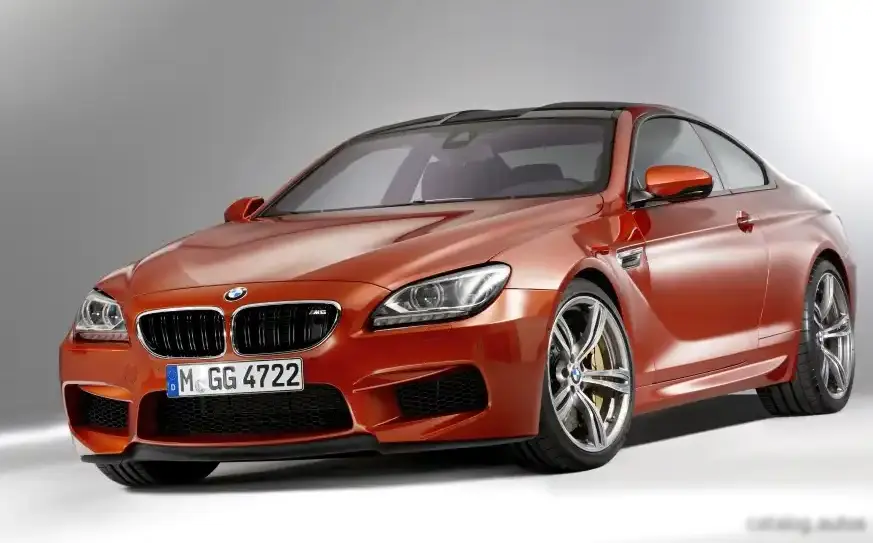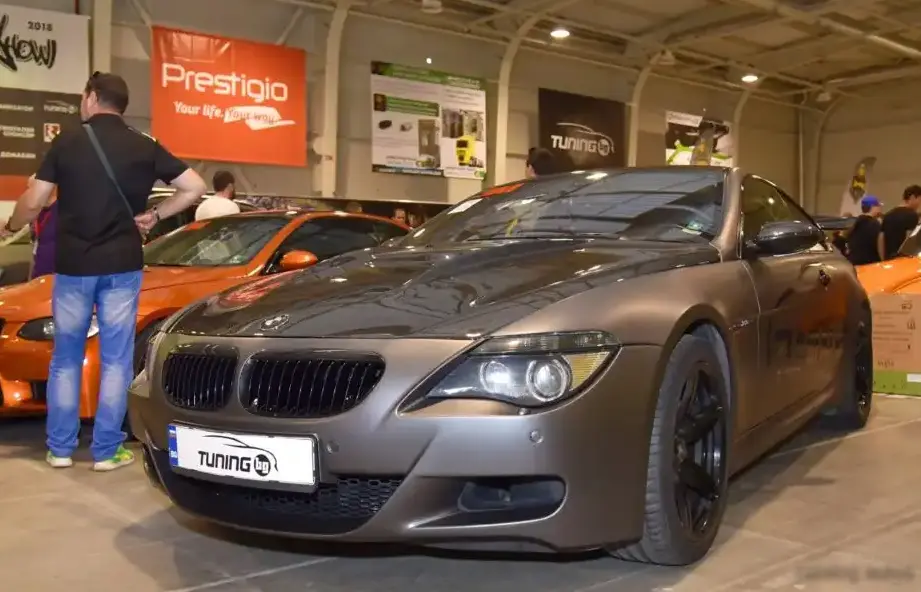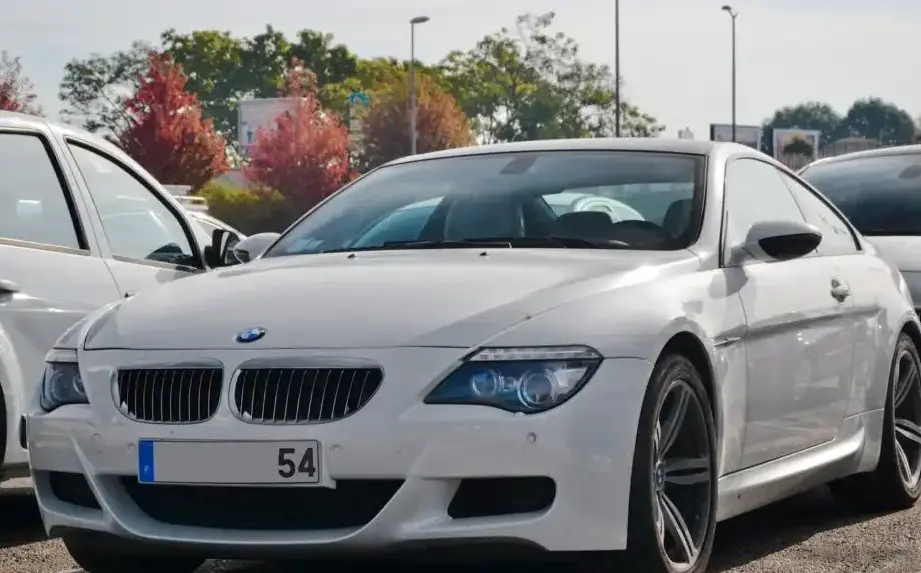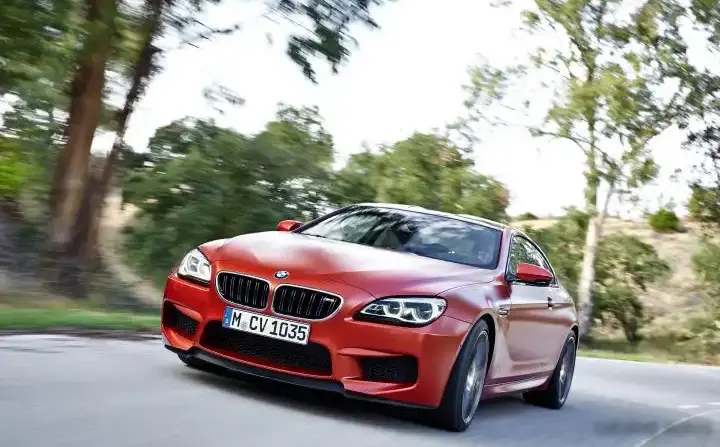
The BMW M6 Coupe (F13M LCI), specifically the Competition variant with the 4.4-liter V8 engine producing 600 horsepower, represents the pinnacle of performance for the F13 M6 generation. Introduced with the 2015 model year as part of the Life Cycle Impulse (LCI) facelift, it continued in production through 2018. This iteration of the M6 aimed to deliver an even more focused driving experience than the standard model, bridging the gap between the already potent M6 and track-focused machines. It occupied the top-tier position within the M6 lineup, offering the highest level of performance and exclusivity.
Technical Specifications
| Brand | BMW |
| Model | M6 |
| Generation | M6 Coupe (F13M LCI, facelift 2014) |
| Type (Engine) | Competition 4.4 V8 (600 Hp) DCT |
| Start of production | 2015 |
| End of production | 2018 |
| Powertrain Architecture | Internal Combustion engine |
| Body type | Coupe |
| Seats | 4 |
| Doors | 2 |
| Fuel consumption (economy) – urban | 13.9 l/100 km (16.9 US mpg, 20.3 UK mpg, 7.2 km/l) |
| Fuel consumption (economy) – extra urban | 7.6 l/100 km (30.9 US mpg, 37.2 UK mpg, 13.2 km/l) |
| Fuel consumption (economy) – combined | 9.9 l/100 km (23.8 US mpg, 28.5 UK mpg, 10.1 km/l) |
| CO2 emissions | 231 g/km |
| Fuel Type | Petrol (Gasoline) |
| Acceleration 0 – 100 km/h | 3.9 sec |
| Acceleration 0 – 62 mph | 3.9 sec |
| Acceleration 0 – 60 mph | 3.7 sec |
| Maximum speed | 250 km/h (155.34 mph) |
| Emission standard | Euro 6 |
| Weight-to-power ratio | 3.1 kg/Hp, 324.3 Hp/tonne |
| Weight-to-torque ratio | 2.6 kg/Nm, 378.4 Nm/tonne |
| Power | 600 Hp @ 6250 rpm |
| Power per litre | 136.5 Hp/l |
| Torque | 700 Nm @ 1500-6000 rpm (516.29 lb.-ft. @ 1500-6000 rpm) |
| Engine layout | Front, Longitudinal |
| Engine Model/Code | S63B44B |
| Engine displacement | 4395 cm3 (268.2 cu. in.) |
| Number of cylinders | 8 |
| Engine configuration | V-engine |
| Cylinder Bore | 89 mm (3.5 in.) |
| Piston Stroke | 88.3 mm (3.48 in.) |
| Compression ratio | 10:1 |
| Number of valves per cylinder | 4 |
| Fuel injection system | Direct injection |
| Engine aspiration | Twin-power turbo, Intercooler |
| Engine oil capacity | 8.4 l (8.88 US qt | 7.39 UK qt) |
| Coolant | 18.5 l (19.55 US qt | 16.28 UK qt) |
| Kerb Weight | 1850 kg (4078.55 lbs.) |
| Max. weight | 2350 kg (5180.86 lbs.) |
| Max load | 500 kg (1102.31 lbs.) |
| Trunk (boot) space – minimum | 460 l (16.24 cu. ft.) |
| Fuel tank capacity | 80 l (21.13 US gal | 17.6 UK gal) |
| Length | 4898 mm (192.83 in.) |
| Width | 1899 mm (74.76 in.) |
| Height | 1375 mm (54.13 in.) |
| Wheelbase | 2851 mm (112.24 in.) |
| Front track | 1631 mm (64.21 in.) |
| Rear (Back) track | 1612 mm (63.46 in.) |
| Ride height (ground clearance) | 109 mm (4.29 in.) |
| Drag coefficient (Cd) | 0.32 |
| Minimum turning circle (turning diameter) | 12.1 m (39.7 ft.) |
| Drivetrain Architecture | The Internal combustion engine (ICE) drives the rear wheels of the vehicle. |
| Drive wheel | Rear wheel drive |
| Number of gears and type of gearbox | 7 gears, automatic transmission DCT |
| Front suspension | Independent multi-link suspension |
| Rear suspension | Independent multi-link suspension |
| Front brakes | Ventilated discs |
| Rear brakes | Ventilated discs |
| Assisting systems | ABS (Anti-lock braking system) |
| Steering type | Steering rack and pinion |
| Power steering | Electric Steering |
| Tires size | 265/35 ZR20 99Y; 295/30 ZR20 101Y |
| Wheel rims size | 9.5J x 20; 10.5J x 20 |
Powertrain & Engine Architecture
At the heart of the M6 Competition lies the S63B44B engine, a 4.4-liter twin-turbocharged V8. This engine builds upon the already impressive S63 engine found in the standard F13 M6, but with significant enhancements. These include revised engine mapping, upgraded turbochargers, and optimized cooling systems. The direct injection system ensures precise fuel delivery, while the twin-turbo setup minimizes turbo lag and delivers a broad torque curve. The engine produces a peak output of 600 horsepower at 6250 rpm and a substantial 700 Nm (516 lb-ft) of torque available from 1500 to 6000 rpm. The engine’s longitudinal front-mid layout contributes to balanced weight distribution. Paired with the engine is a 7-speed dual-clutch transmission (DCT), providing incredibly fast and precise gear changes. This DCT features a dedicated oil cooler to handle the increased thermal demands of the higher-output engine.
Driving Characteristics
The M6 Competition’s driving experience is defined by its raw power and precise handling. The 600 horsepower and 700 Nm of torque translate into blistering acceleration – 0 to 60 mph in approximately 3.7 seconds. The DCT transmission plays a crucial role, offering both automatic and manual shifting modes. In automatic mode, the transmission intelligently selects gears based on driving conditions, while the manual mode allows for complete driver control. Compared to the standard M6, the Competition model feels noticeably more responsive and eager to accelerate. The revised engine mapping and suspension tuning contribute to a more focused and engaging driving experience. While the standard M6 offered a more comfortable ride, the Competition prioritizes performance, with a slightly firmer suspension setup.
Equipment & Trim Levels
The M6 Competition came standard with a comprehensive list of features, befitting its flagship status. Interior appointments included Merino leather upholstery, power-adjustable and heated front seats with memory function, and carbon fiber trim. Standard technology included BMW’s iDrive infotainment system with a high-resolution display, navigation, and a premium sound system. Optional extras included a head-up display, active seat ventilation, and a variety of exterior customization options. The Competition model also featured unique exterior styling cues, such as a black kidney grille and side gills, and a distinctive exhaust system.
Chassis & Braking
The M6 Competition utilizes an independent multi-link suspension system at both the front and rear axles. The suspension is specifically tuned to provide a balance between performance and comfort, although the Competition model leans more towards the performance side. Large, ventilated disc brakes are standard on all four wheels, providing exceptional stopping power. The braking system is further enhanced by BMW’s Dynamic Stability Control (DSC) and Anti-lock Braking System (ABS). The M6 Competition also features a variable-ratio steering system, which adjusts the steering ratio based on vehicle speed, providing precise and responsive steering feel.
Market Reception & Comparison
The M6 Competition was generally well-received by automotive critics, who praised its exceptional performance and engaging driving experience. It was often compared to rivals such as the Porsche 911 Turbo and the Mercedes-Benz S 63 AMG Coupe. While the M6 Competition offered a more luxurious and spacious interior than the 911 Turbo, it was generally considered to be slightly less focused on outright performance. Compared to the standard M6, the Competition model was lauded for its increased responsiveness and more aggressive character. Fuel economy, while not a primary concern for buyers in this segment, was reasonable for a high-performance coupe, averaging around 23.8 US mpg in combined driving.
Legacy
The F13M M6 Competition has established itself as a desirable and collectible modern classic. The S63B44B engine, while complex, has proven to be relatively reliable when properly maintained. Common maintenance items include regular oil changes, spark plug replacements, and inspection of the cooling system. On the used car market, the M6 Competition commands a premium over the standard M6, reflecting its higher performance and exclusivity. Its combination of luxury, performance, and advanced technology continues to appeal to enthusiasts seeking a grand touring experience with a sporting edge.