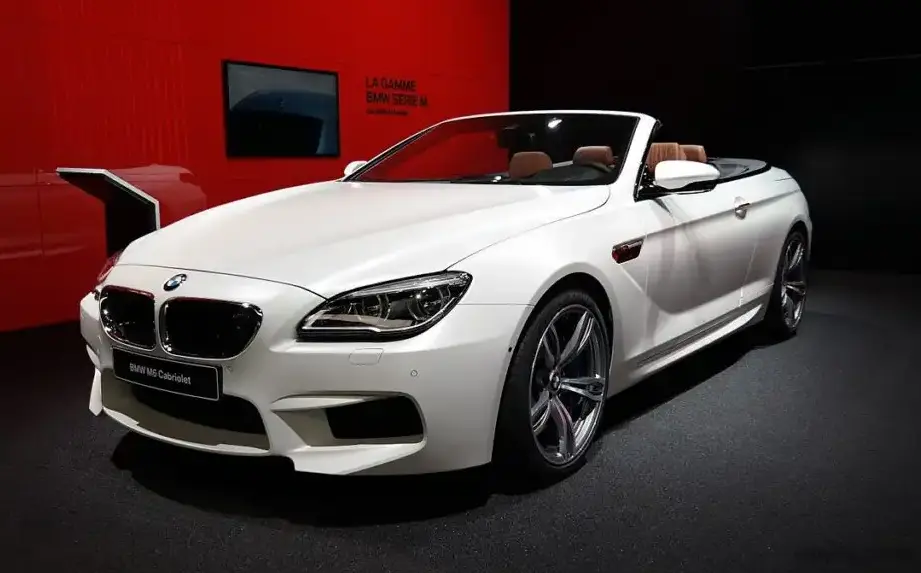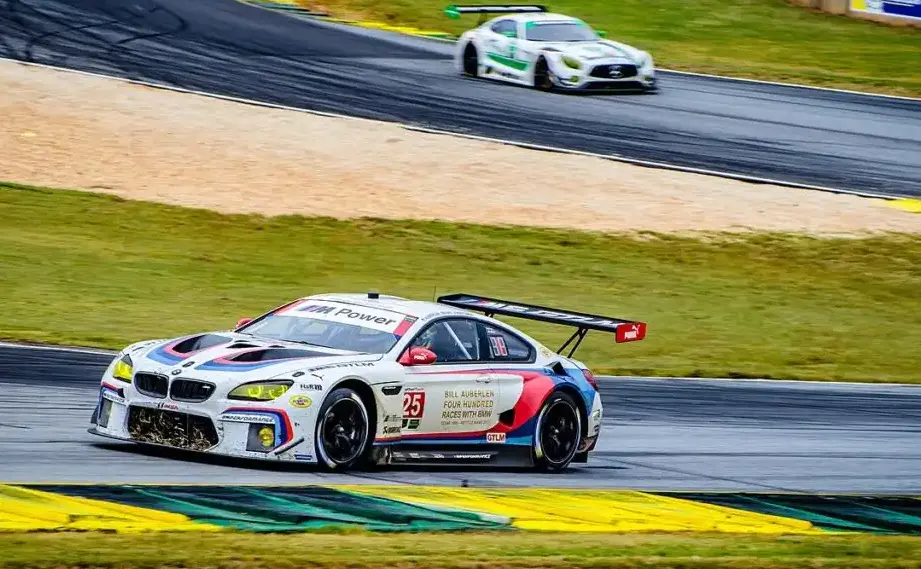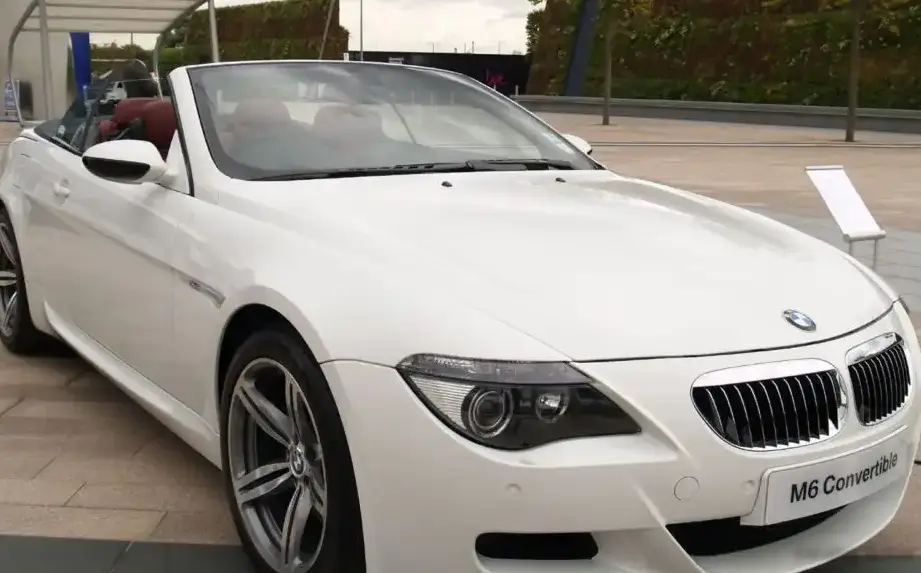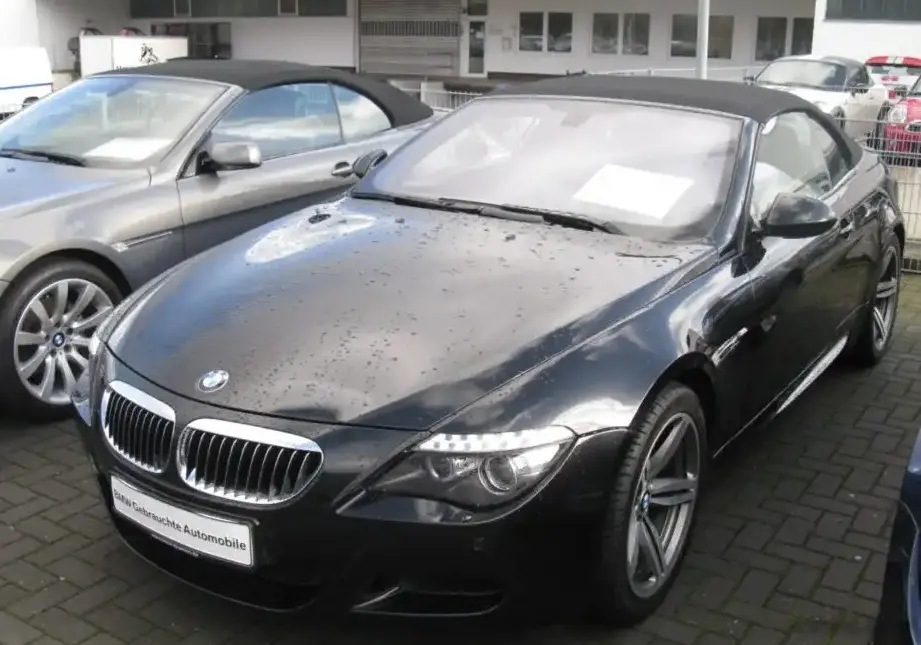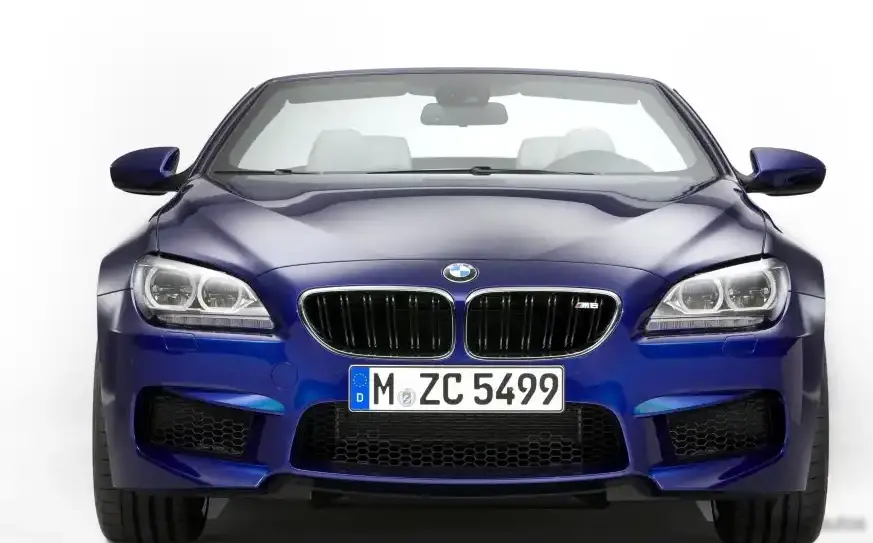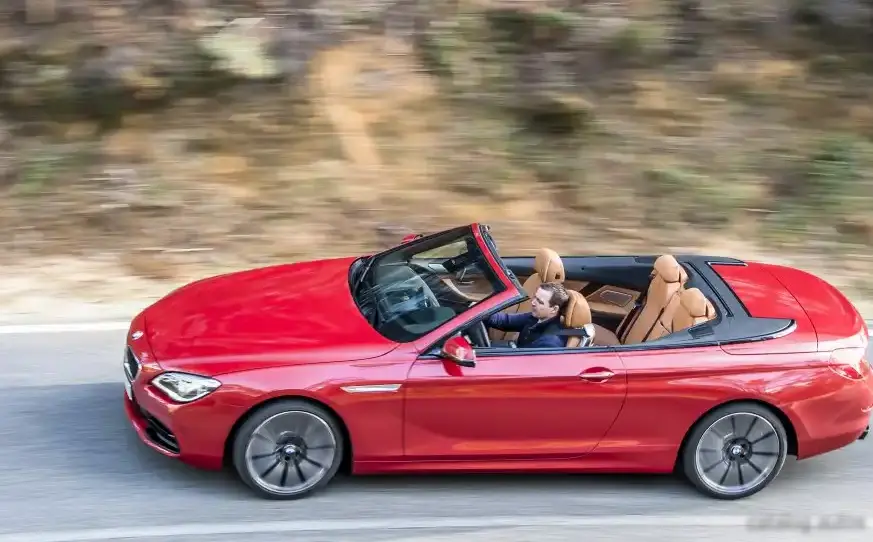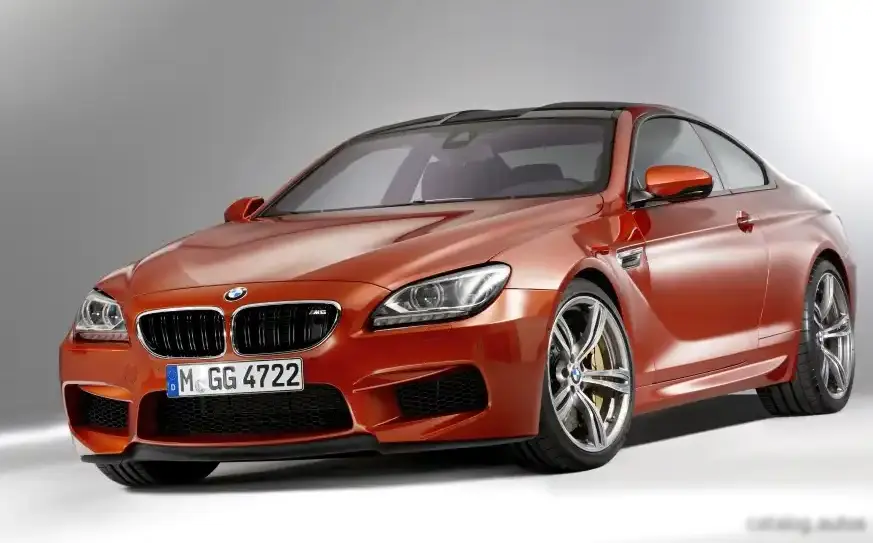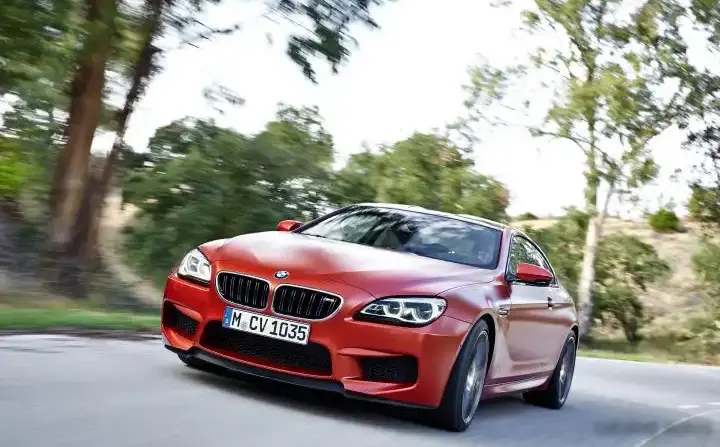
The BMW M6 (E63 LCI), introduced in 2007 as a facelift to the E63 generation, represents a high-performance iteration of the 6 Series coupe. Positioned as BMW’s flagship coupe, it aimed to combine grand touring comfort with track-capable performance. The LCI (Life Cycle Impulse) brought styling revisions, interior upgrades, and importantly, refinements to the already potent 5.0-liter V10 engine. Production continued through 2010, solidifying its place as a distinctive and technologically advanced vehicle of the era. The E63/E64 M6 shared its platform with the E60 M5 sedan, but offered a more focused, coupe-specific driving experience.
Technical Specifications
| Brand | BMW |
| Model | M6 |
| Generation | M6 (E63 LCI, facelift 2007) |
| Type (Engine) | 5.0 V10 (500 Hp) |
| Start of production | 2007 |
| End of production | 2010 |
| Powertrain Architecture | Internal Combustion engine |
| Body type | Coupe |
| Seats | 4 |
| Doors | 2 |
| Fuel consumption (economy) – urban (EPA) | 21.4 l/100 km (11 US mpg, 13.2 UK mpg, 4.7 km/l) |
| Fuel consumption (economy) – extra urban (EPA) | 13.8 l/100 km (17 US mpg, 20.5 UK mpg, 7.2 km/l) |
| Fuel consumption (economy) – combined (EPA) | 18.1 l/100 km (13 US mpg, 15.6 UK mpg, 5.5 km/l) |
| Fuel Type | Petrol (Gasoline) |
| Acceleration 0 – 100 km/h | 4.6 sec |
| Acceleration 0 – 62 mph | 4.6 sec |
| Acceleration 0 – 60 mph | 4.5 sec |
| Maximum speed | 250 km/h (155.34 mph), Electronically limited |
| Weight-to-power ratio | 3.5 kg/Hp, 282 Hp/tonne |
| Weight-to-torque ratio | 3.4 kg/Nm, 293.3 Nm/tonne |
| Power | 500 Hp @ 7750 rpm |
| Power per litre | 100 Hp/l |
| Torque | 520 Nm @ 6100 rpm (383.53 lb.-ft. @ 6100 rpm) |
| Engine layout | Front, Longitudinal |
| Engine Model/Code | S85B50A |
| Engine displacement | 4999 cm3 (305.06 cu. in.) |
| Number of cylinders | 10 |
| Engine configuration | V-engine |
| Cylinder Bore | 92 mm (3.62 in.) |
| Piston Stroke | 75.2 mm (2.96 in.) |
| Compression ratio | 12:1 |
| Number of valves per cylinder | 4 |
| Fuel injection system | Multi-port manifold injection |
| Engine aspiration | Naturally aspirated engine |
| Valvetrain | DOHC, Double-VANOS |
| Engine oil capacity | 9.3 l (9.83 US qt | 8.18 UK qt) |
| Kerb Weight | 1773 kg (3908.8 lbs.) |
| Max. weight | 2200 kg (4850.17 lbs.) |
| Max load | 427 kg (941.37 lbs.) |
| Trunk (boot) space – minimum | 450 l (15.89 cu. ft.) |
| Fuel tank capacity | 70 l (18.49 US gal | 15.4 UK gal) |
| Length | 4871 mm (191.77 in.) |
| Width | 1855 mm (73.03 in.) |
| Width including mirrors | 2043 mm (80.43 in.) |
| Height | 1372 mm (54.02 in.) |
| Wheelbase | 2781 mm (109.49 in.) |
| Front track | 1567 mm (61.69 in.) |
| Rear (Back) track | 1584 mm (62.36 in.) |
| Front overhang | 960 mm (37.8 in.) |
| Rear overhang | 1130 mm (44.49 in.) |
| Drag coefficient (Cd) | 0.32 |
| Minimum turning circle (turning diameter) | 12.5 m (41.01 ft.) |
| Drivetrain Architecture | The Internal combustion engine (ICE) drives the rear wheels of the vehicle. |
| Drive wheel | Rear wheel drive |
| Number of gears and type of gearbox | 6 gears, manual transmission |
| Front suspension | Spring Strut, Transverse stabilizer |
| Rear suspension | Independent multi-link spring suspension with stabilizer |
| Front brakes | Ventilated discs, 374 mm |
| Rear brakes | Ventilated discs, 370 mm |
| Assisting systems | ABS (Anti-lock braking system) |
| Steering type | Steering rack and pinion |
| Power steering | Hydraulic Steering |
| Tires size | Front wheel tires: 255/40 ZR19 Rear wheel tires: 285/35 ZR19 |
| Wheel rims size | Front wheel rims: 8.5J x 19 Rear wheel rims: 9.5J x 19 |
Powertrain & Engine Architecture
The heart of the E63 LCI M6 is the S85B50A 5.0-liter naturally aspirated V10 engine. Derived from the engine used in the E60 M5, the M6’s version retained the same fundamental architecture – a 90-degree V10 with individual throttle bodies for each cylinder. This design contributed to its incredibly responsive and linear power delivery. The engine featured double-VANOS (variable valve timing) on both intake and exhaust camshafts, optimizing performance across the rev range. Fuel delivery was handled by a multi-port fuel injection system. The 6-speed manual transmission was the only gearbox option, providing a direct connection to the rear wheels. The engine’s high-revving nature and complex valvetrain demanded meticulous maintenance, including regular oil changes with specific BMW-approved lubricants.
Driving Characteristics
The M6 LCI delivered a thrilling driving experience. The 500 horsepower and 383 lb-ft of torque, combined with the manual transmission, allowed for rapid acceleration – 0-60 mph in around 4.5 seconds. The engine’s powerband was broad and usable, with peak torque arriving at 6100 rpm. The six-speed manual gearbox offered precise shifts, enhancing driver engagement. Compared to the automatic transmissions found in some other high-performance coupes of the time, the manual provided a more visceral and connected feel. While the M6 was capable on the track, its relatively high weight (around 3909 lbs) meant it wasn’t as nimble as some smaller, lighter sports cars. The suspension, while firm, provided a reasonable level of comfort for everyday driving, making it a true grand tourer.
Equipment & Trim Levels
The M6 LCI came generously equipped, reflecting its status as BMW’s flagship coupe. Standard features included leather upholstery, power-adjustable heated front seats, a premium sound system, automatic climate control, and xenon headlights. The interior featured M-specific badging and trim, emphasizing its performance credentials. Optional extras included carbon fiber interior trim, upgraded leather options, a head-up display, and a navigation system. The LCI facelift brought subtle interior refinements, including updated iDrive controls and improved materials. The M6 wasn’t offered in multiple trim levels; it was essentially a fully-equipped performance coupe with a range of optional customization possibilities.
Chassis & Braking
The M6’s chassis was based on the 6 Series platform, but significantly reinforced to handle the increased power and performance. It featured a spring strut front suspension with a transverse stabilizer and an independent multi-link rear suspension, also with a stabilizer bar. The braking system consisted of ventilated discs at all four corners, with larger front discs (374mm) compared to the standard 6 Series. ABS (Anti-lock Braking System) was standard. The steering was a hydraulic rack and pinion system, providing precise and communicative feedback. The M6’s suspension was tuned for a balance between performance and comfort, offering a firm but controlled ride.
Market Reception & Comparison
The M6 LCI was generally well-received by automotive critics, praised for its powerful engine, engaging driving dynamics, and luxurious interior. However, its high price tag and relatively poor fuel economy (around 13 mpg combined) were often cited as drawbacks. Compared to the Porsche 911, the M6 offered more comfort and practicality, but lacked the same level of outright performance and track focus. Against the Mercedes-Benz CL63 AMG, the M6 provided a more engaging driving experience, but the CL63 offered a more opulent and refined interior. Reliability was a mixed bag, with some owners reporting issues with the engine’s cooling system and VANOS components.
Legacy
The E63 LCI M6 remains a desirable and collectible car today. Its unique V10 engine and engaging driving dynamics have earned it a devoted following. While maintenance costs can be high due to the engine’s complexity, well-maintained examples command strong prices in the used car market. The M6 represents a high point in BMW’s engineering prowess, combining performance, luxury, and technology in a compelling package. Its status as a modern classic is secure, and it continues to be appreciated by enthusiasts who value a truly special driving experience.