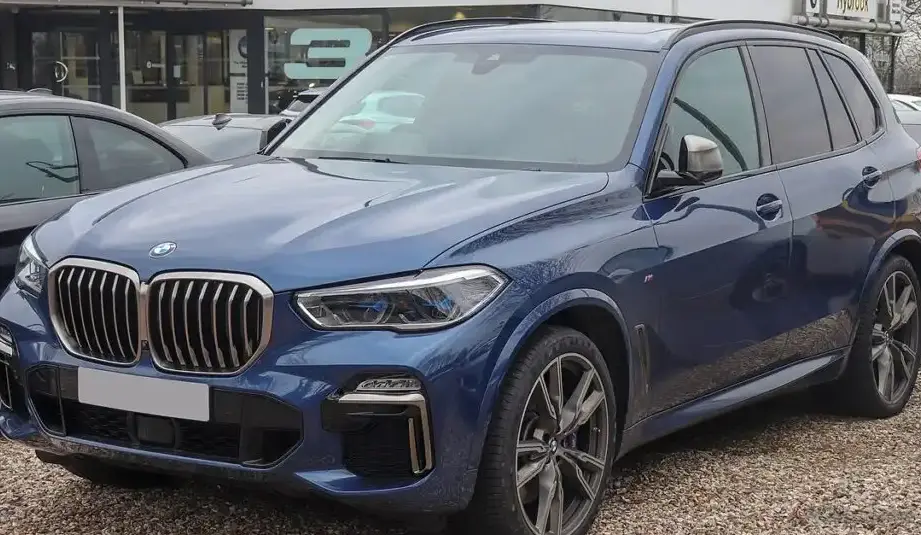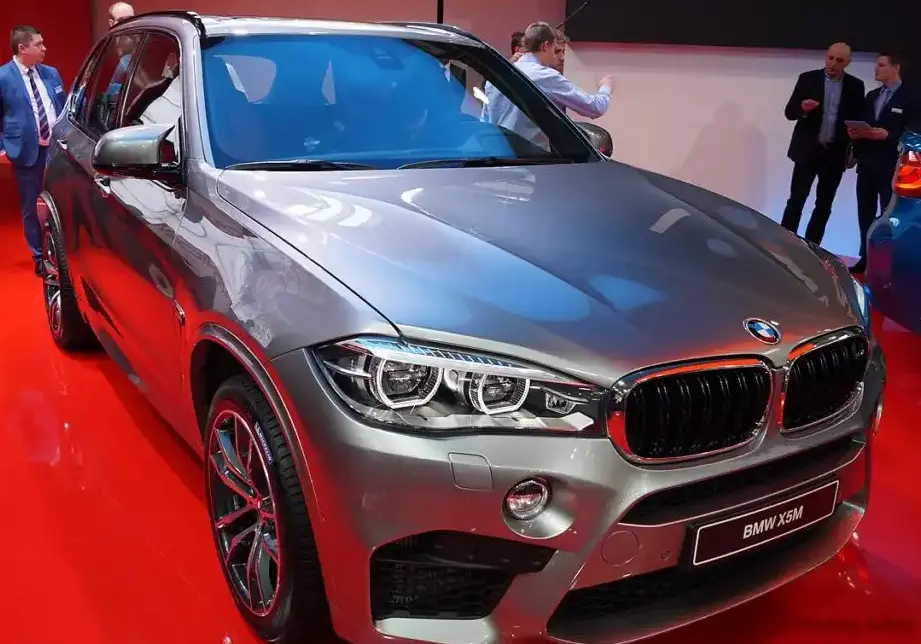
The BMW X5 (E70 LCI) 50i xDrive Steptronic, produced from 2010 to 2013, represents the high-performance variant of the second-generation X5 series. This facelifted model, known internally as the E70 LCI (Life Cycle Impulse), offered a significant upgrade in power and refinement over earlier X5 models. Positioned as the flagship trim, the 50i catered to buyers seeking a luxurious and powerful SUV with all-weather capability. It served as a direct competitor to vehicles like the Porsche Cayenne S and the Range Rover Sport, offering a blend of performance, technology, and prestige within the premium SUV segment.
Technical Specifications
| Brand | BMW |
| Model | X5 |
| Generation | X5 (E70 LCI, facelift 2010) |
| Type (Engine) | 50i (407 Hp) xDrive Steptronic |
| Start of production | 2010 |
| End of production | 2013 |
| Powertrain Architecture | Internal Combustion engine |
| Body type | SUV |
| Seats | 5 |
| Doors | 5 |
| Fuel consumption (economy) – urban | 17.5 l/100 km (13.4 US mpg, 16.1 UK mpg, 5.7 km/l) |
| Fuel consumption (economy) – extra urban | 9.6 l/100 km (24.5 US mpg, 29.4 UK mpg, 10.4 km/l) |
| Fuel consumption (economy) – combined | 12.5 l/100 km (18.8 US mpg, 22.6 UK mpg, 8 km/l) |
| CO2 emissions | 292 g/km |
| Fuel Type | Petrol (Gasoline) |
| Acceleration 0 – 100 km/h | 5.5 sec |
| Acceleration 0 – 62 mph | 5.5 sec |
| Acceleration 0 – 60 mph | 5.2 sec |
| Maximum speed | 240 km/h (149.13 mph) |
| Emission standard | Euro 5 |
| Weight-to-power ratio | 5.4 kg/Hp, 185.8 Hp/tonne |
| Weight-to-torque ratio | 3.7 kg/Nm, 274 Nm/tonne |
| Power | 407 Hp @ 5500-6400 rpm |
| Power per litre | 92.6 Hp/l |
| Torque | 600 Nm @ 1750-4500 rpm (442.54 lb.-ft. @ 1750-4500 rpm) |
| Engine layout | Front, Longitudinal |
| Engine Model/Code | N63B44A |
| Engine displacement | 4395 cm3 (268.2 cu. in.) |
| Number of cylinders | 8 |
| Engine configuration | V-engine |
| Cylinder Bore | 89 mm (3.5 in.) |
| Piston Stroke | 88.3 mm (3.48 in.) |
| Compression ratio | 10:1 |
| Number of valves per cylinder | 4 |
| Fuel injection system | Direct injection |
| Engine aspiration | Twin-power turbo, Intercooler |
| Engine oil capacity | 8.5 l (8.98 US qt | 7.48 UK qt) |
| Coolant | 17.2 l (18.18 US qt | 15.13 UK qt) |
| Kerb Weight | 2190 kg (4828.12 lbs.) |
| Max. weight | 2870 kg (6327.27 lbs.) |
| Max load | 680 kg (1499.14 lbs.) |
| Trunk (boot) space – minimum | 620 l (21.9 cu. ft.) |
| Trunk (boot) space – maximum | 1750 l (61.8 cu. ft.) |
| Fuel tank capacity | 85 l (22.45 US gal | 18.7 UK gal) |
| Max. roof load | 100 kg (220.46 lbs.) |
| Permitted trailer load with brakes (12%) | 3500 kg (7716.18 lbs.) |
| Permitted trailer load without brakes | 750 kg (1653.47 lbs.) |
| Permitted towbar download | 140 kg (308.65 lbs.) |
| Length | 4857 mm (191.22 in.) |
| Width | 1933 mm (76.1 in.) |
| Width including mirrors | 2197 mm (86.5 in.) |
| Height | 1776 mm (69.92 in.) |
| Wheelbase | 2933 mm (115.47 in.) |
| Front track | 1640 mm (64.57 in.) |
| Rear (Back) track | 1646 mm (64.8 in.) |
| Front overhang | 864 mm (34.02 in.) |
| Rear overhang | 1060 mm (41.73 in.) |
| Ride height (ground clearance) | 222 mm (8.74 in.) |
| Drag coefficient (Cd) | 0.35 |
| Minimum turning circle (turning diameter) | 12.8 m (41.99 ft.) |
| Approach angle | 25.5° |
| Departure angle | 22.7° |
| Ramp-over (brakeover) angle | 19.8° |
| Wading depth | 500 mm (19.69 in.) |
| Drive wheel | All wheel drive (4×4) |
| Number of gears and type of gearbox | 8 gears, automatic transmission |
| Front brakes | Ventilated discs |
| Rear brakes | Ventilated discs |
| Assisting systems | ABS (Anti-lock braking system) |
| Steering type | Steering rack and pinion |
| Tires size | 255/50 R19 |
| Wheel rims size | 9J x 19 |
Powertrain & Engine Architecture
The heart of the X5 50i is the N63B44A 4.4-liter twin-turbocharged V8 engine. This engine represented a significant leap forward for BMW, incorporating direct fuel injection and variable valve timing (Valvetronic) for improved efficiency and power delivery. The twin-turbocharger setup, utilizing two small turbochargers, minimized turbo lag and provided a broad torque curve. The engine produced 407 horsepower at 5,500-6,400 rpm and a substantial 600 Nm (442 lb-ft) of torque between 1,750 and 4,500 rpm. This power was channeled through an eight-speed automatic transmission (Steptronic), known for its smooth shifts and efficiency. The xDrive all-wheel-drive system distributed power between the front and rear axles, enhancing traction and stability in various driving conditions.
Driving Characteristics
The X5 50i delivered a compelling driving experience for a vehicle of its size and weight. The twin-turbo V8 provided effortless acceleration, with a 0-60 mph time of around 5.2 seconds. The eight-speed automatic transmission was well-matched to the engine’s characteristics, offering quick and seamless gear changes. While not as overtly sporty as some of its competitors, the X5 50i offered a comfortable and refined ride, with precise steering and confident handling. The xDrive system provided excellent grip, particularly in inclement weather. Compared to the X5 35i (with its inline-six engine) or the X5 35d (diesel), the 50i offered significantly more power and a more luxurious feel, albeit at the expense of fuel economy.
Equipment & Trim Levels
The X5 50i came standard with a comprehensive list of features, including leather upholstery, power-adjustable front seats with memory function, a premium sound system, a navigation system, and a panoramic sunroof. Optional extras included adaptive cruise control, a head-up display, ventilated front seats, and a rear-seat entertainment system. The interior was characterized by high-quality materials and a sophisticated design. Trim levels were relatively simple, with most customization options available as individual selections rather than pre-defined packages.
Chassis & Braking
The E70 X5 utilized a robust chassis with a MacPherson strut front suspension and an integral-arm rear suspension. The 50i model typically featured larger stabilizer bars and stiffer springs compared to lower-trim models to manage the increased power and weight. Braking duties were handled by ventilated disc brakes on all four wheels, providing ample stopping power. The ABS (Anti-lock Braking System) and Dynamic Stability Control (DSC) systems further enhanced safety and control.
Market Reception & Comparison
The X5 50i was generally well-received by automotive critics, who praised its powerful engine, luxurious interior, and refined driving experience. However, some reviewers noted its relatively high fuel consumption and complex technology, which could potentially lead to higher maintenance costs. Compared to the X5 35i, the 50i offered a significant performance upgrade but came with a substantial price premium. The X5 35d, while offering good fuel economy, lacked the outright power of the 50i. The X5 50i successfully positioned itself as a premium offering within the X5 lineup, attracting buyers who prioritized performance and luxury.
Legacy
The N63B44A engine, while powerful, did experience some early reliability issues, particularly with coolant leaks and turbocharger failures. However, BMW addressed many of these concerns with subsequent revisions and updates. Today, the X5 50i remains a desirable used SUV, offering a compelling combination of performance, luxury, and technology. Maintenance costs can be higher than those of lower-trim models, but the vehicle’s overall build quality and driving experience continue to appeal to enthusiasts. The E70 X5 50i represents a significant milestone in BMW’s SUV history, showcasing the brand’s engineering prowess and commitment to delivering a premium driving experience.