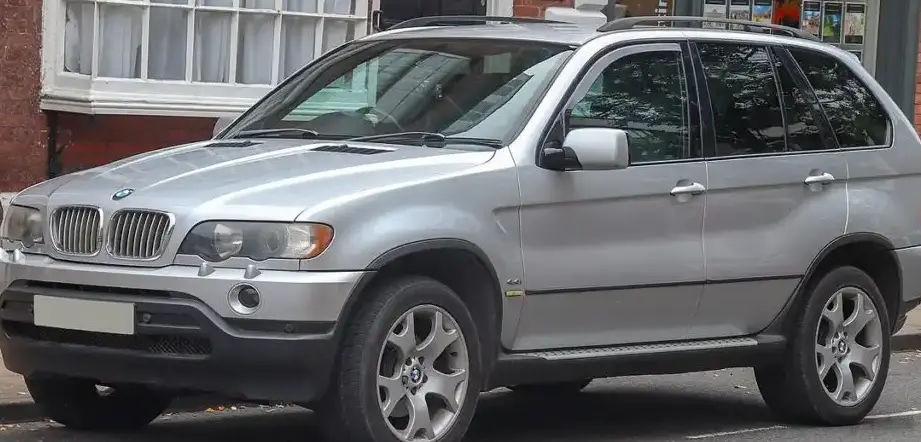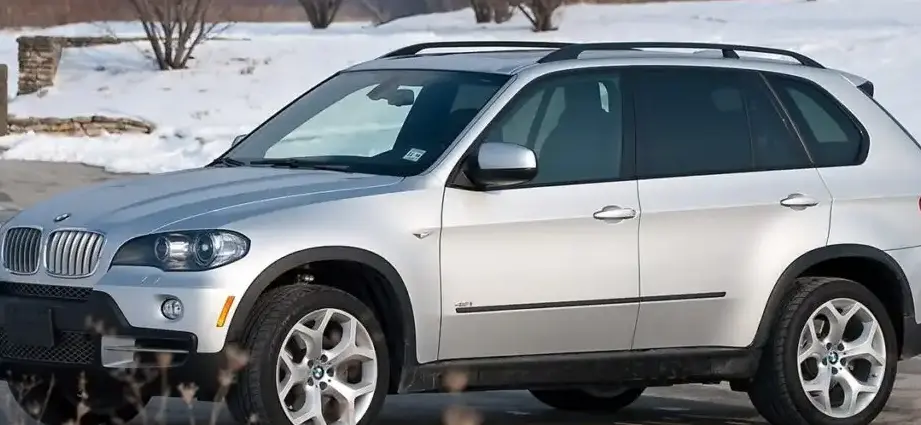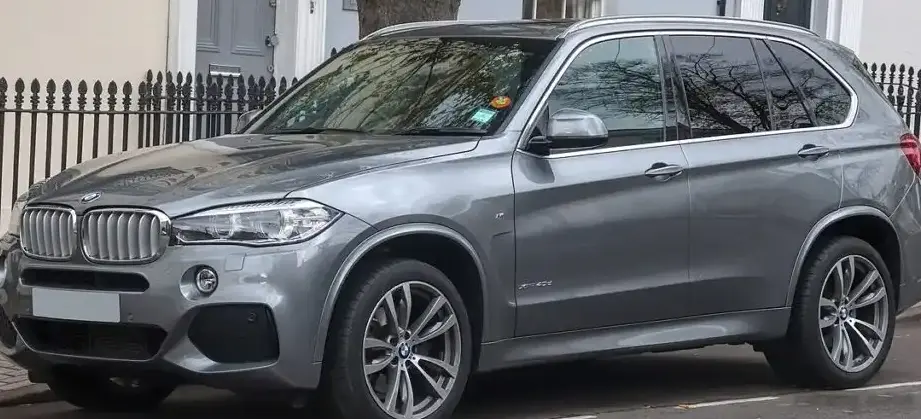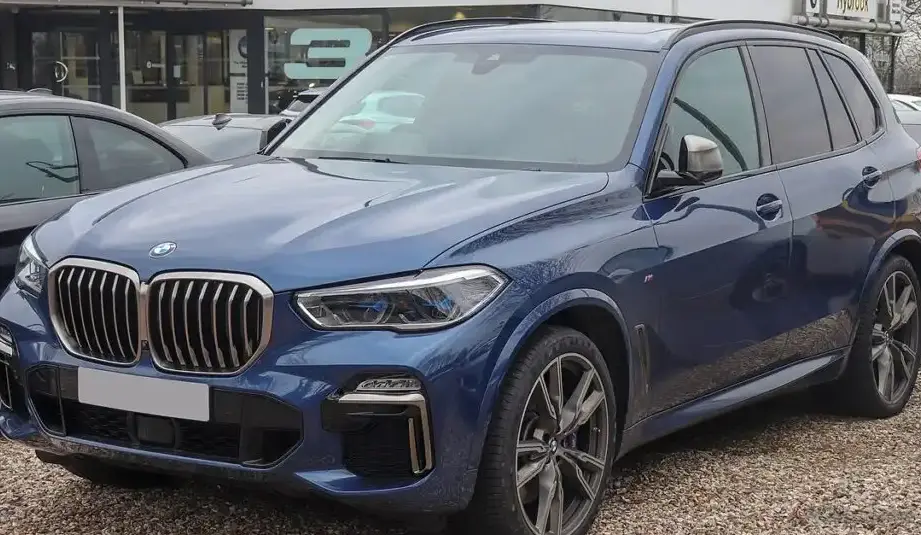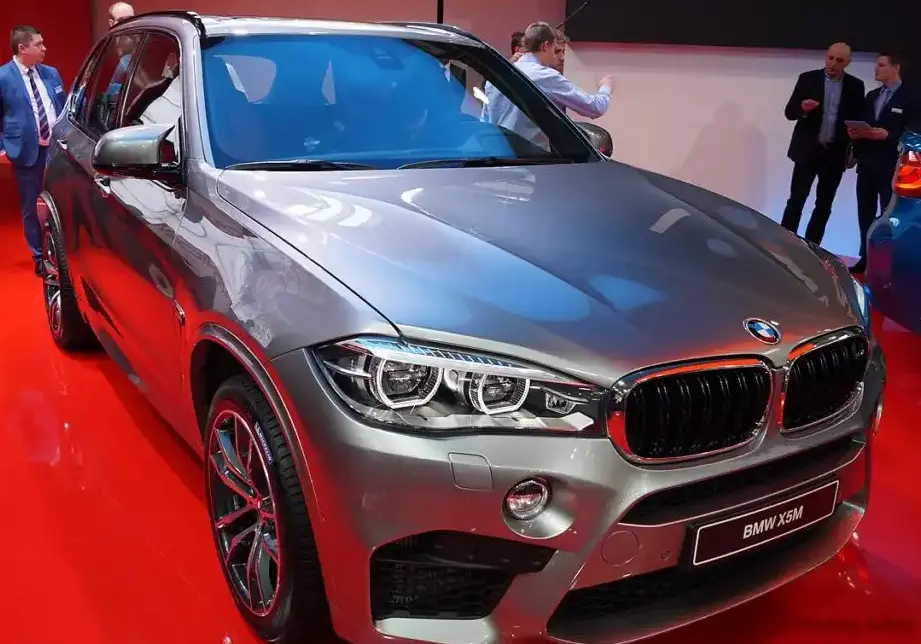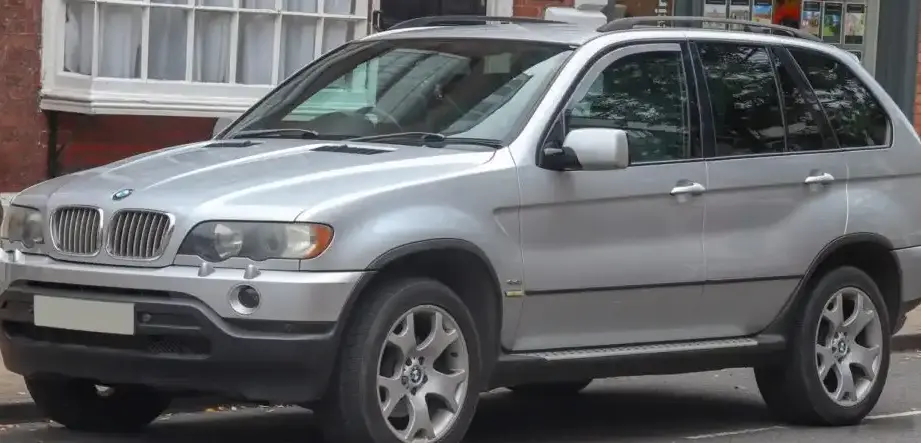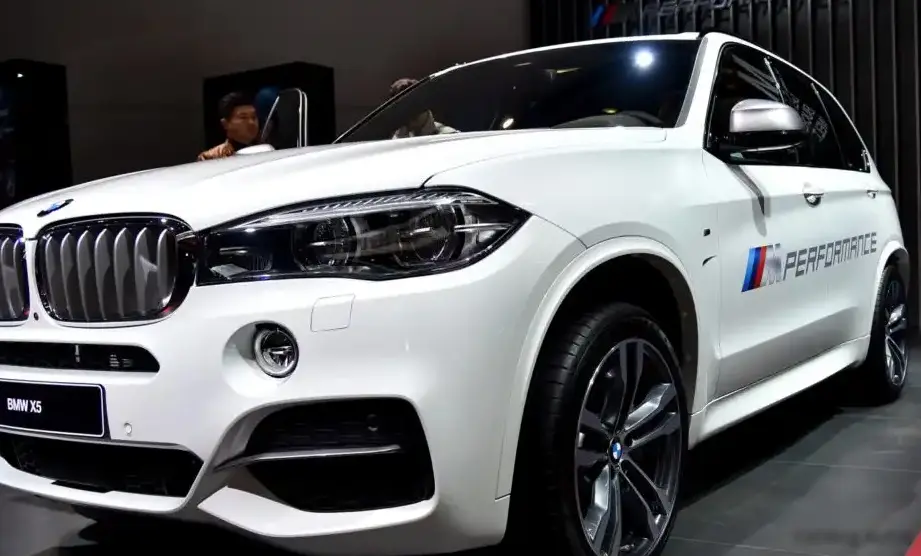
The BMW X5 (F15) 35i sDrive, produced from 2013 to 2018, represented a key entry point into the second generation of BMW’s popular Sports Activity Vehicle (SAV). Positioned as the base model for the North American market, the 35i utilized a rear-wheel-drive configuration and an eight-speed automatic transmission, offering a balance of performance and efficiency. It served as a more accessible alternative to the higher-performance xDrive35i (all-wheel drive) and the range-topping X5 M. The F15 generation marked a significant evolution for the X5, introducing increased dimensions, updated technology, and a more luxurious interior compared to its predecessor.
Technical Specifications
| Brand | BMW |
| Model | X5 |
| Generation | X5 (F15) |
| Type (Engine) | 35i (300 Hp) sDrive Steptronic |
| Start of production | 2013 |
| End of production | 2018 |
| Powertrain Architecture | Internal Combustion engine |
| Body type | SAV |
| Seats | 5 |
| Doors | 5 |
| Fuel consumption (economy) – urban (EPA) | 12.4-13.1 l/100 km (19 – 18 US mpg, 22.8 – 21.6 UK mpg, 8.1 – 7.6 km/l) |
| Fuel consumption (economy) – extra urban (EPA) | 8.7-9.4 l/100 km (27 – 25 US mpg, 32.5 – 30.1 UK mpg, 11.5 – 10.6 km/l) |
| Fuel consumption (economy) – combined (EPA) | 10.7-11.2 l/100 km (22 – 21 US mpg, 26.4 – 25.2 UK mpg, 9.3 – 8.9 km/l) |
| Fuel Type | Petrol (Gasoline) |
| Acceleration 0 – 100 km/h | 6.6 sec |
| Acceleration 0 – 62 mph | 6.6 sec |
| Acceleration 0 – 60 mph | 6.2 sec |
| Maximum speed | 210 km/h (130.49 mph) – Electronically limited |
| Weight-to-power ratio | 7 kg/Hp, 143 Hp/tonne |
| Weight-to-torque ratio | 5.2 kg/Nm, 190.7 Nm/tonne |
| Power | 300 Hp @ 5800-6000 rpm |
| Power per litre | 100.7 Hp/l |
| Torque | 400 Nm @ 1200-5000 rpm (295.02 lb.-ft. @ 1200-5000 rpm) |
| Engine layout | Front, Longitudinal |
| Engine Model/Code | N55B30M0 |
| Engine displacement | 2979 cm3 (181.79 cu. in.) |
| Number of cylinders | 6 |
| Engine configuration | Inline |
| Cylinder Bore | 84 mm (3.31 in.) |
| Piston Stroke | 89.6 mm (3.53 in.) |
| Compression ratio | 10.2:1 |
| Number of valves per cylinder | 4 |
| Fuel injection system | Direct injection |
| Engine aspiration | Twin-power turbo, Intercooler |
| Valvetrain | VALVETRONIC, Double-VANOS |
| Engine oil capacity | 6.5 l (6.87 US qt | 5.72 UK qt) |
| Kerb Weight | 2098-2123 kg (4625.3 – 4680.41 lbs.) |
| Max. weight | 2753 kg (6069.33 lbs.) |
| Max load | 630-655 kg (1388.91 – 1444.03 lbs.) |
| Trunk (boot) space – minimum | 650 l (22.95 cu. ft.) |
| Trunk (boot) space – maximum | 1870 l (66.04 cu. ft.) |
| Fuel tank capacity | 85 l (22.45 US gal | 18.7 UK gal) |
| Max. roof load | 100 kg (220.46 lbs.) |
| Length | 4908 mm (193.23 in.) |
| Width | 1938 mm (76.3 in.) |
| Width including mirrors | 2184 mm (85.98 in.) |
| Height | 1762 mm (69.37 in.) |
| Wheelbase | 2933 mm (115.47 in.) |
| Front track | 1641-1644 mm (64.61 – 64.72 in.) |
| Rear (Back) track | 1646-1650 mm (64.8 – 64.96 in.) |
| Front overhang | 912 mm (35.91 in.) |
| Rear overhang | 1064 mm (41.89 in.) |
| Ride height (ground clearance) | 209 mm (8.23 in.) |
| Drag coefficient (Cd) | 0.33-0.34 |
| Minimum turning circle (turning diameter) | 12.7 m (41.67 ft.) |
| Approach angle | 22.2° |
| Departure angle | 20.4° |
| Ramp-over (brakeover) angle | 17.3° |
| Climb angle | 26.6° |
| Wading depth | 500 mm (19.69 in.) |
| Drivetrain Architecture | The Internal combustion engine (ICE) drives the rear wheels of the vehicle. |
| Drive wheel | Rear wheel drive |
| Number of gears and type of gearbox | 8 gears, automatic transmission Steptronic |
| Front suspension | Coil spring, Double wishbone, Transverse stabilizer |
| Rear suspension | Independent multi-link spring suspension with stabilizer, Air Suspension – Optional |
| Front brakes | Ventilated discs |
| Rear brakes | Ventilated discs |
| Assisting systems | ABS (Anti-lock braking system) |
| Steering type | Steering rack and pinion |
| Power steering | Electric Steering |
| Tires size | Front wheel tires: 255/55 R18; 255/50 R19; 275/40 R20Rear wheel tires: 255/55 R18; 255/50 R19; 315/35 R20 |
| Wheel rims size | Front wheel rims: 8.5J x 18; 9J x 19; 10J x 20Rear wheel rims: 8.5J x 18; 9J x 19; 11J x 20 |
INTRODUCTION
The BMW X5 F15 35i sDrive, produced between 2013 and 2018, was a rear-wheel-drive variant of the second-generation X5. It occupied the entry-level position in the X5 lineup for the US market, offering a more affordable option compared to the xDrive models. Built on the F15 platform, it shared its chassis and many components with other BMW models of the era, including the F30 3 Series and F10 5 Series. The sDrive 35i aimed to provide the X5’s signature blend of luxury, practicality, and driving dynamics to a wider audience.
Powertrain & Engine Architecture
At the heart of the X5 35i sDrive lay the N55B30M0, a 3.0-liter inline-six cylinder engine. This engine was a mainstay of BMW’s lineup during this period, known for its smooth power delivery and responsiveness. The N55 featured direct fuel injection, a twin-scroll turbocharger, and BMW’s VALVETRONIC variable valve timing and lift system. VALVETRONIC allowed for precise control of valve timing and lift, optimizing engine efficiency and performance. The engine produced 300 horsepower at 5800-6000 rpm and 400 Nm (295 lb-ft) of torque between 1200-5000 rpm. This power was channeled through an eight-speed Steptronic automatic transmission, known for its quick and smooth shifts. The transmission offered both automatic and manual shift modes, allowing drivers to tailor the driving experience to their preferences.
Driving Characteristics
The rear-wheel-drive configuration of the X5 35i sDrive resulted in a slightly different driving experience compared to its all-wheel-drive siblings. While offering excellent handling on dry pavement, it lacked the added traction of the xDrive system in inclement weather. The eight-speed automatic transmission was well-tuned to the engine’s characteristics, providing seamless gear changes and contributing to a refined driving experience. Acceleration from 0 to 60 mph took approximately 6.2 seconds, making it a reasonably quick SUV for its class. The gear ratios were optimized for both fuel efficiency and responsive acceleration, with a focus on providing ample torque in the mid-range for everyday driving situations. Compared to the higher-output X5 xDrive35i, the sDrive 35i felt slightly less urgent in its acceleration, but still offered a satisfying level of performance for most drivers.
Equipment & Trim Levels
The X5 35i sDrive came standard with a comprehensive list of features, including leatherette upholstery, power-adjustable front seats, a 9.2-inch iDrive infotainment system with navigation, and a rearview camera. Standard safety features included ABS, stability control, and multiple airbags. Optional extras included leather upholstery, a panoramic sunroof, a premium sound system, and various driver-assistance features such as lane departure warning and blind-spot monitoring. Trim levels were relatively straightforward, with most customization options available as individual add-ons rather than distinct packages. The interior design was typical of BMW at the time, with a focus on quality materials and a driver-centric layout.
Chassis & Braking
The X5 35i sDrive utilized a double-wishbone front suspension and an independent multi-link rear suspension. This setup provided a comfortable ride while maintaining good handling characteristics. Stabilizer bars were fitted to both axles to reduce body roll during cornering. The braking system consisted of ventilated discs on all four wheels, providing ample stopping power. ABS (Anti-lock Braking System) was standard, enhancing safety and control during emergency braking situations. While air suspension was available as an option on some X5 models, it was not standard on the 35i sDrive. The suspension tuning was geared towards providing a balance between comfort and sporty handling, making it suitable for both daily commuting and longer road trips.
Market Reception & Comparison
The X5 35i sDrive was generally well-received by automotive critics, who praised its comfortable ride, refined interior, and responsive engine. However, some reviewers noted that the rear-wheel-drive configuration limited its appeal in regions with harsh winters. Compared to the xDrive35i, the sDrive 35i offered a slightly lower price point, making it a more attractive option for budget-conscious buyers. Fuel economy was comparable between the two models, with the sDrive 35i achieving around 22 mpg combined. Reliability was generally good, although some owners reported minor issues with the iDrive system and certain electronic components.
Legacy
The BMW X5 F15 35i sDrive remains a popular choice in the used car market today. Its combination of luxury, performance, and relatively affordable price makes it an attractive option for buyers seeking a premium SUV. The N55 engine is known for its durability and relatively straightforward maintenance, although regular servicing is essential to ensure long-term reliability. While not as sought-after as the xDrive models, the sDrive 35i offers a compelling alternative for those who prioritize driving dynamics and don’t require all-wheel drive. Its continued presence on the road is a testament to the quality and enduring appeal of the BMW X5.