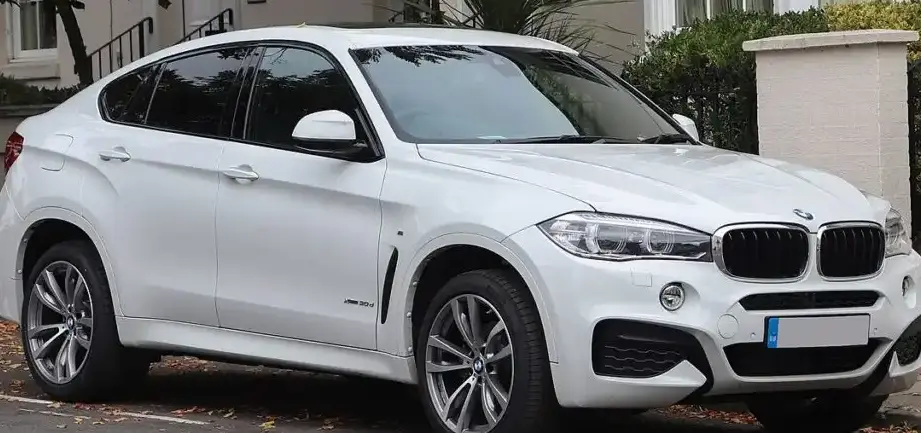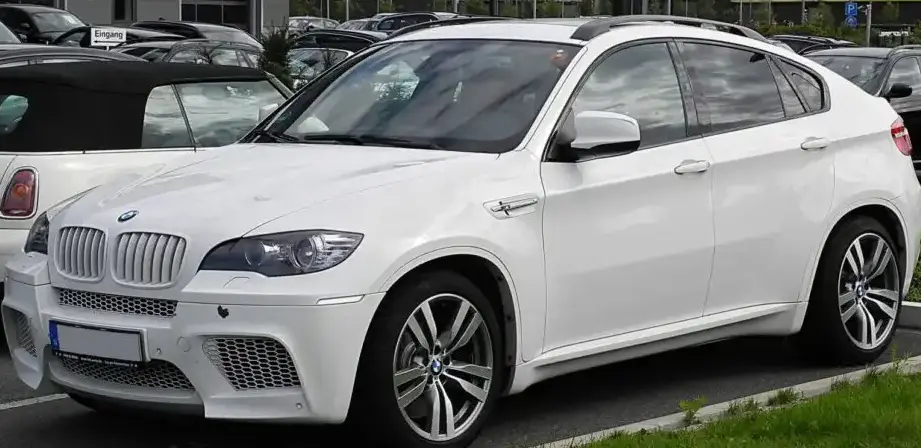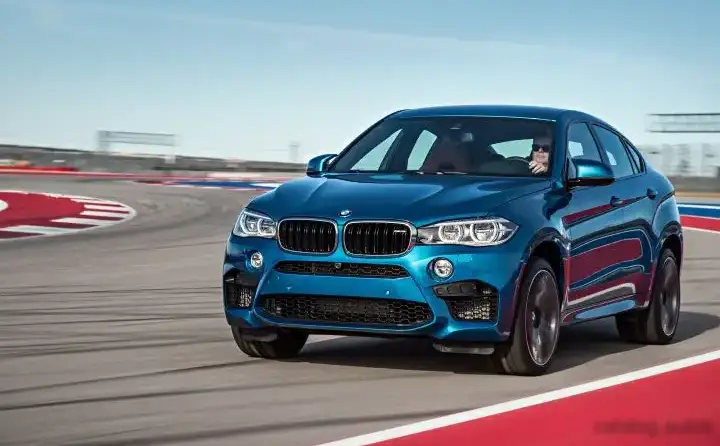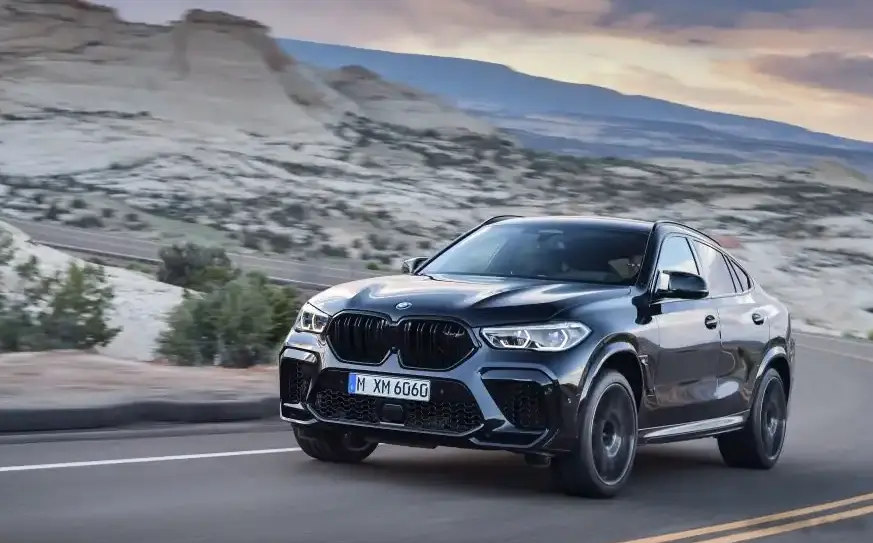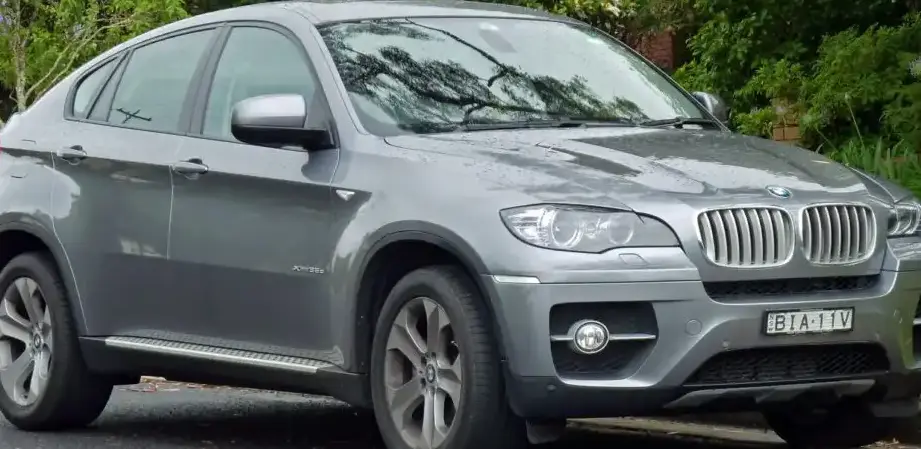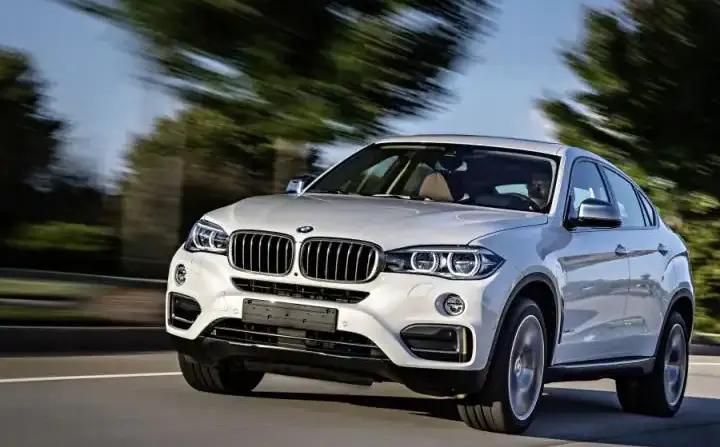
The BMW X6 (F16) 30d xDrive Steptronic, produced from 2014 to 2018, represents a compelling blend of luxury, performance, and efficiency within the first generation of the X6 Sports Activity Coupe. Positioned as a mid-range offering in the X6 lineup, the 30d utilized a turbocharged diesel engine paired with an eight-speed automatic transmission and BMW’s xDrive all-wheel-drive system. It aimed to provide a more economical alternative to the higher-performance gasoline variants, while still delivering a premium driving experience. This model played a significant role in expanding the X6’s appeal to a broader customer base, particularly in European markets where diesel engines were – and continue to be – highly favored.
Technical Specifications
| Brand | BMW |
| Model | X6 |
| Generation | X6 (F16) |
| Type (Engine) | 30d (258 Hp) xDrive Steptronic |
| Start of production | 2014 |
| End of production | 2018 |
| Powertrain Architecture | Internal Combustion engine |
| Body type | SUV |
| Seats | 5 |
| Doors | 5 |
| Fuel consumption (urban) | 6.7-6.8 l/100 km (35.1 – 34.6 US mpg, 42.2 – 41.5 UK mpg, 14.9 – 14.7 km/l) |
| Fuel consumption (extra urban) | 5.5-5.6 l/100 km (42.8 – 42 US mpg, 51.4 – 50.4 UK mpg, 18.2 – 17.9 km/l) |
| Fuel consumption (combined) | 6 l/100 km (39.2 US mpg, 47.1 UK mpg, 16.7 km/l) |
| CO2 emissions | 157-159 g/km |
| Fuel Type | Diesel |
| Acceleration 0 – 100 km/h | 6.7 sec |
| Acceleration 0 – 62 mph | 6.7 sec |
| Acceleration 0 – 60 mph | 6.4 sec |
| Maximum speed | 230 km/h (142.92 mph) |
| Emission standard | Euro 6 |
| Weight-to-power ratio | 8 kg/Hp, 124.9 Hp/tonne |
| Weight-to-torque ratio | 3.7 kg/Nm, 271.2 Nm/tonne |
| Power | 258 Hp @ 4000 rpm |
| Power per litre | 86.2 Hp/l |
| Torque | 560 Nm @ 1500-3000 rpm (413.03 lb.-ft. @ 1500-3000 rpm) |
| Engine layout | Front, Longitudinal |
| Engine Model/Code | N57D30A |
| Engine displacement | 2993 cm3 (182.64 cu. in.) |
| Number of cylinders | 6 |
| Engine configuration | Inline |
| Cylinder Bore | 84 mm (3.31 in.) |
| Piston Stroke | 90 mm (3.54 in.) |
| Compression ratio | 16.5:1 |
| Number of valves per cylinder | 4 |
| Fuel injection system | Diesel Commonrail |
| Engine aspiration | Twin-power turbo, Intercooler |
| Engine oil capacity | 6.5 l (6.87 US qt | 5.72 UK qt) |
| Coolant | 12.6 l (13.31 US qt | 11.09 UK qt) |
| Kerb Weight | 2065 kg (4552.55 lbs.) |
| Max. weight | 2780 kg (6128.85 lbs.) |
| Max load | 715 kg (1576.31 lbs.) |
| Trunk (boot) space – minimum | 550 l (19.42 cu. ft.) |
| Trunk (boot) space – maximum | 1525 l (53.85 cu. ft.) |
| Fuel tank capacity | 85 l (22.45 US gal | 18.7 UK gal) |
| Max. roof load | 100 kg (220.46 lbs.) |
| Permitted trailer load with brakes (12%) | 2700 kg (5952.48 lbs.) |
| Permitted trailer load without brakes | 750 kg (1653.47 lbs.) |
| Permitted towbar download | 140 kg (308.65 lbs.) |
| Length | 4909 mm (193.27 in.) |
| Width | 1989 mm (78.31 in.) |
| Width including mirrors | 2170 mm (85.43 in.) |
| Height | 1702 mm (67.01 in.) |
| Wheelbase | 2933 mm (115.47 in.) |
| Front track | 1640 mm (64.57 in.) |
| Rear (Back) track | 1706 mm (67.17 in.) |
| Front overhang | 890 mm (35.04 in.) |
| Rear overhang | 1086 mm (42.76 in.) |
| Ride height (ground clearance) | 212 mm (8.35 in.) |
| Drag coefficient (Cd) | 0.32 |
| Minimum turning circle (turning diameter) | 12.8 m (41.99 ft.) |
| Approach angle | 25.0° |
| Departure angle | 22.5° |
| Ramp-over (brakeover) angle | 20.0° |
| Wading depth | 500 mm (19.69 in.) |
| Drive wheel | All wheel drive (4×4) |
| Number of gears and type of gearbox | 8 gears, automatic transmission Steptronic |
| Front suspension | Double wishbone |
| Rear suspension | Independent multi-link suspension |
| Front brakes | Ventilated discs |
| Rear brakes | Ventilated discs |
| Assisting systems | ABS (Anti-lock braking system) |
| Steering type | Steering rack and pinion |
| Tires size | 255/50 R19; 285/45 R19; 275/40 R20; 315/35 R20 |
| Wheel rims size | 9J x 19; 10J x 19; 10J x 20; 11J x 20 |
Powertrain & Engine Architecture
The heart of the X6 30d is the BMW N57D30A engine, a 3.0-liter inline-six diesel engine. This engine is a member of the widely-respected N57 family, known for its robust construction and strong performance. The N57D30A features a common-rail direct fuel injection system, delivering fuel at extremely high pressures for optimized combustion. A twin-scroll turbocharger, coupled with an intercooler, provides increased power and torque while minimizing turbo lag. The engine also incorporates variable valve timing (VANOS) and variable turbine geometry (VTG) on the turbocharger to further enhance efficiency and responsiveness. The eight-speed Steptronic automatic transmission, a hallmark of BMW’s engineering, provides smooth and efficient gear changes. This transmission is known for its quick shifts and ability to adapt to driving conditions, contributing to both performance and fuel economy.
Driving Characteristics
The X6 30d, with its 258 horsepower and 413 lb-ft of torque, offered a comfortable and capable driving experience. While not as overtly sporty as the gasoline-powered X6 variants, the 30d provided ample power for everyday driving and highway cruising. The peak torque, available from a low 1500 rpm, ensured strong acceleration and effortless overtaking. The eight-speed automatic transmission was well-matched to the engine’s characteristics, providing smooth shifts and keeping the engine in its optimal power band. Compared to the X6 xDrive35i (gasoline), the 30d prioritized fuel efficiency and low-end torque over outright horsepower. The xDrive all-wheel-drive system provided excellent traction in various weather conditions, enhancing stability and control.
Equipment & Trim Levels
The X6 30d typically came standard with a generous array of features, including leather upholstery, power-adjustable front seats, a premium sound system, and a navigation system. Standard safety features included ABS, stability control, and multiple airbags. Optional extras included features like adaptive cruise control, a panoramic sunroof, upgraded leather trim, and a rear-seat entertainment system. Trim levels varied by market, but generally offered increasing levels of luxury and technology. The interior design was typical of BMW, with a driver-focused layout and high-quality materials.
Chassis & Braking
The X6 30d utilized a double-wishbone front suspension and an independent multi-link rear suspension, providing a comfortable ride and precise handling. Ventilated disc brakes were standard on all four wheels, offering strong stopping power. The suspension was tuned to balance comfort and handling, providing a stable and controlled driving experience. The X6’s relatively high weight necessitated a robust braking system, and the ventilated discs effectively dissipated heat during repeated braking events.
Market Reception & Comparison
The X6 30d was generally well-received by automotive critics, who praised its fuel efficiency, comfortable ride, and spacious interior. It was often seen as a practical and sensible alternative to the more expensive and less economical gasoline-powered X6 models. Compared to the X6 xDrive50i, the 30d offered significantly better fuel economy, but lacked the same level of outright performance. The 30d also provided a more refined and quieter driving experience than some of the higher-performance variants. In Europe, where diesel engines were prevalent, the X6 30d was a popular choice for buyers seeking a luxurious and efficient SUV.
Legacy
The N57D30A engine has proven to be a durable and reliable powerplant, with many examples exceeding high mileage with proper maintenance. While some early N57 engines experienced issues with timing chain guides, these were largely addressed in later revisions. The X6 30d remains a desirable used car option, offering a blend of luxury, performance, and efficiency. Its robust engine and well-engineered transmission contribute to its long-term reliability, making it a practical choice for buyers seeking a premium SUV. The F16 X6, and the 30d variant specifically, helped solidify BMW’s position in the burgeoning luxury crossover market.