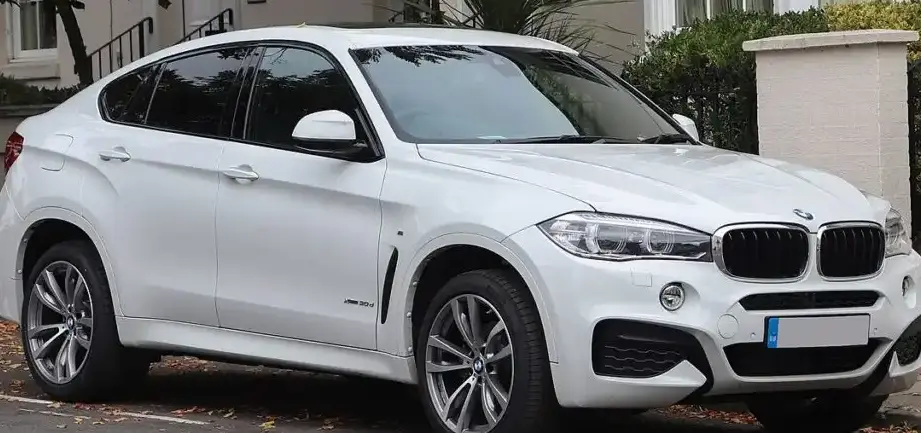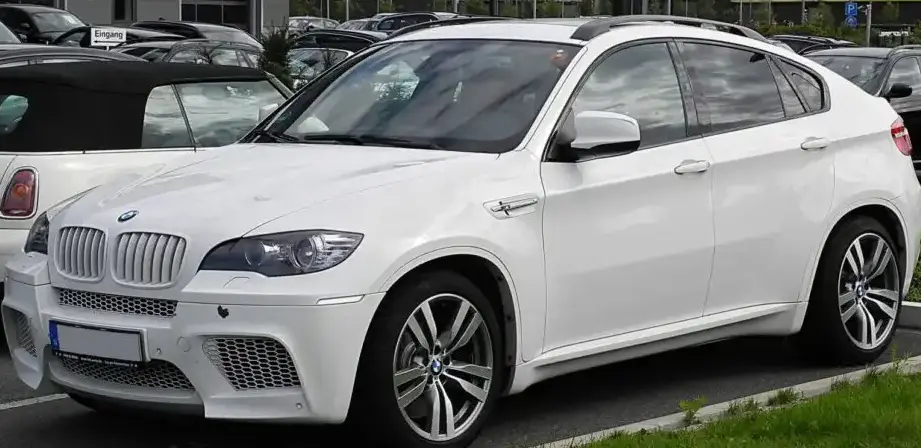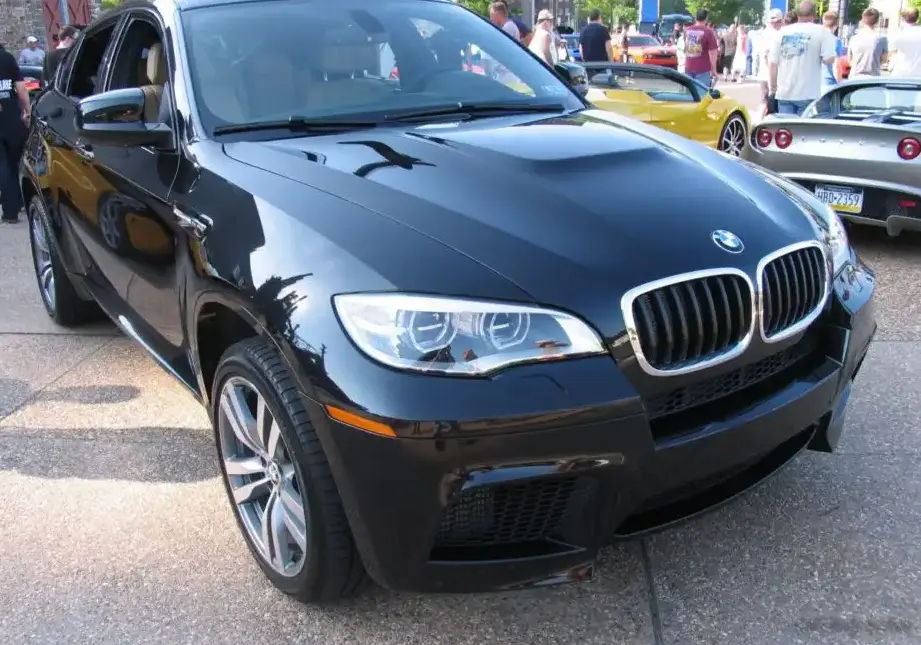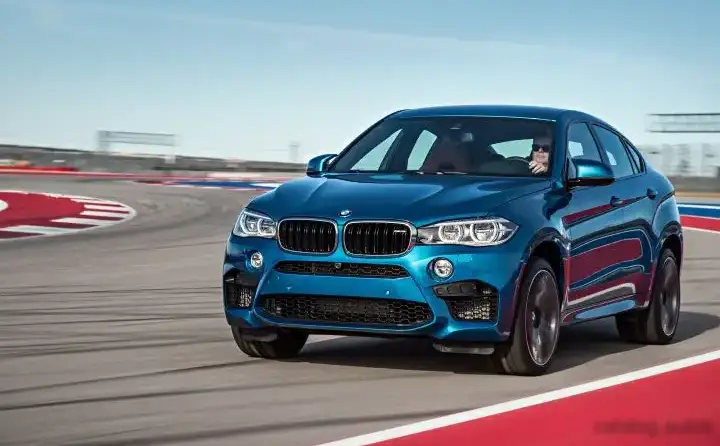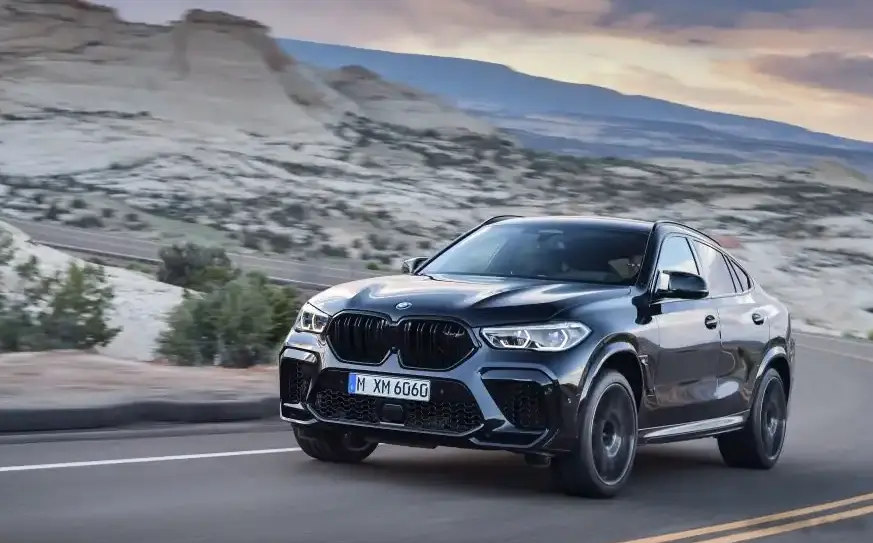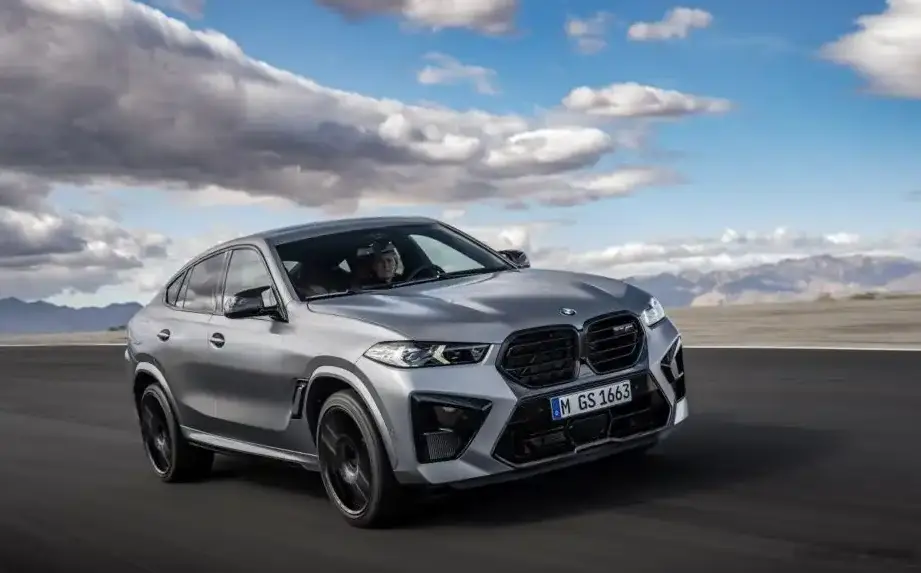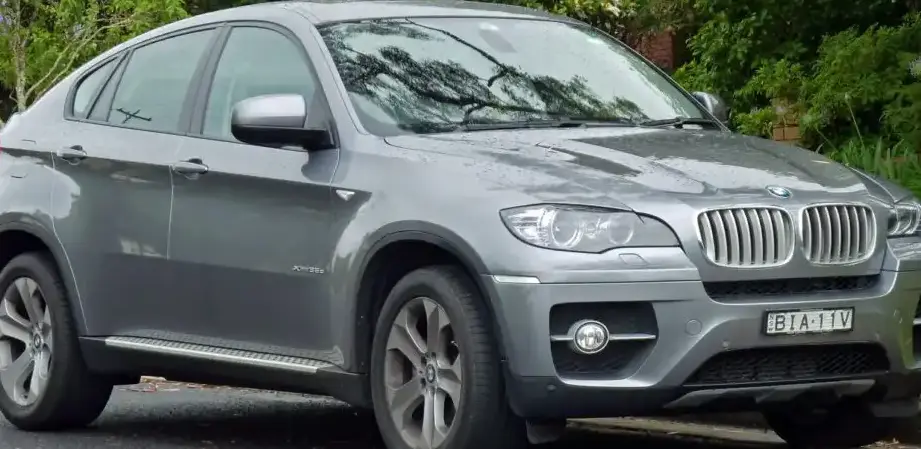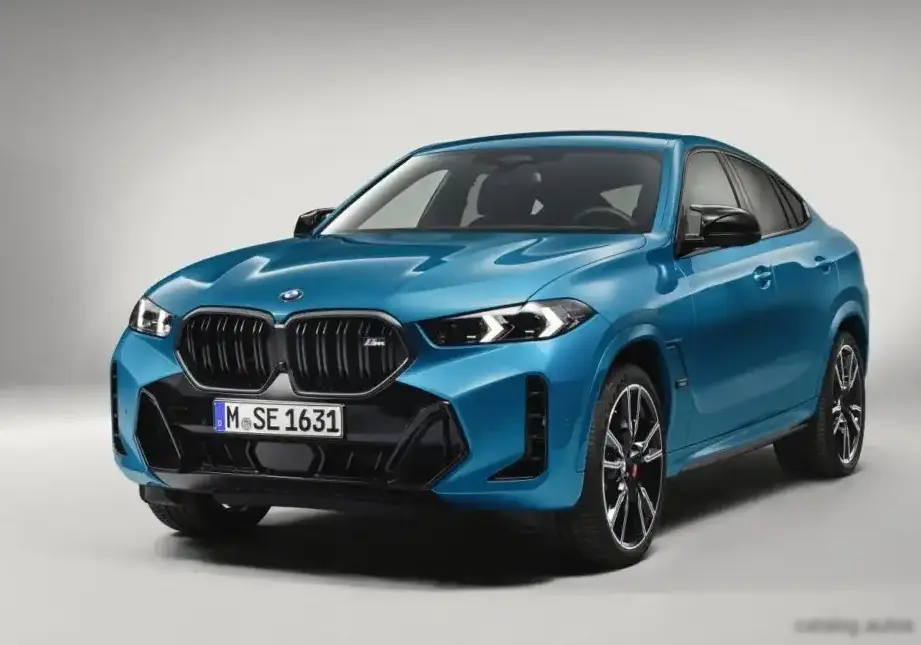
The BMW X6 (G06 LCI), specifically the 30d variant introduced with the 2023 facelift, represents BMW’s continued refinement of the Sports Activity Coupe (SAC) concept. Production began in April 2023, positioning this model as a mid-range offering within the G06 X6 lineup, bridging the gap between the entry-level 40i and the higher-performance M models. This iteration focuses on blending diesel efficiency with mild-hybrid technology, aiming to deliver a balance of performance and reduced emissions. The 30d utilizes BMW’s latest advancements in powertrain technology, offering a sophisticated driving experience tailored for European markets and increasingly appealing to North American buyers seeking fuel economy without sacrificing luxury.
Technical Specifications
| Brand | BMW |
| Model | X6 |
| Generation | X6 (G06 LCI, facelift 2023) |
| Type (Engine) | 30d (298 Hp) Mild Hybrid xDrive Steptronic |
| Start of production | April, 2023 |
| Powertrain Architecture | MHEV (Mild Hybrid Electric Vehicle) |
| Body type | SAC |
| Seats | 5 |
| Doors | 5 |
| Combined fuel consumption (WLTP) | 7-7.9 l/100 km (33.6 – 29.8 US mpg, 40.4 – 35.8 UK mpg, 14.3 – 12.7 km/l) |
| CO2 emissions (WLTP) | 184-208 g/km |
| Fuel Type | Diesel |
| Acceleration 0 – 100 km/h | 6.1 sec |
| Acceleration 0 – 62 mph | 6.1 sec |
| Acceleration 0 – 60 mph | 5.8 sec |
| Maximum speed | 233 km/h (144.78 mph) |
| Emission standard | Euro 6d |
| Weight-to-power ratio | 7.4 kg/Hp, 134.2 Hp/tonne |
| Weight-to-torque ratio | 3.3 kg/Nm, 301.8 Nm/tonne |
| Gross battery capacity | 0.96 kWh |
| Battery voltage | 48 V |
| Battery location | Under the front hood |
| Electric motor power | 12 Hp |
| Electric motor Torque | 200 Nm (147.51 lb.-ft.) |
| Electric motor location | Integrated into the transmission |
| System power | 298 Hp |
| System torque | 670 Nm (494.17 lb.-ft.) |
| Power | 286 Hp @ 4000 rpm |
| Torque | 650 Nm @ 1500-2500 rpm (479.42 lb.-ft. @ 1500-2500 rpm) |
| Engine layout | Front, Longitudinal |
| Engine Model/Code | B57 |
| Engine displacement | 2993 cm3 (182.64 cu. in.) |
| Number of cylinders | 6 |
| Engine configuration | Inline |
| Cylinder Bore | 84 mm (3.31 in.) |
| Piston Stroke | 90 mm (3.54 in.) |
| Compression ratio | 16.5:1 |
| Number of valves per cylinder | 4 |
| Fuel injection system | Diesel Commonrail |
| Engine aspiration | Twin-power turbo, Intercooler |
| Valvetrain | DOHC |
| Kerb Weight | 2220 kg (4894.26 lbs.) |
| Max. weight | 2950 kg (6503.64 lbs.) |
| Max load | 730 kg (1609.37 lbs.) |
| Trunk (boot) space – minimum | 580 l (20.48 cu. ft.) |
| Trunk (boot) space – maximum | 1530 l (54.03 cu. ft.) |
| Fuel tank capacity | 80 l (21.13 US gal | 17.6 UK gal) |
| Max. roof load | 100 kg (220.46 lbs.) |
| Permitted trailer load with brakes (12%) | 3500 kg (7716.18 lbs.) |
| Permitted trailer load without brakes | 750 kg (1653.47 lbs.) |
| Permitted towbar download | 140 kg (308.65 lbs.) |
| Length | 4960 mm (195.28 in.) |
| Width | 2004 mm (78.9 in.) |
| Width including mirrors | 2212 mm (87.09 in.) |
| Height | 1700 mm (66.93 in.) |
| Wheelbase | 2975 mm (117.13 in.) |
| Front track | 1683 mm (66.26 in.) |
| Rear (Back) track | 1694 mm (66.69 in.) |
| Front overhang | 894 mm (35.2 in.) |
| Rear overhang | 1091 mm (42.95 in.) |
| Ride height (ground clearance) | 216 mm (8.5 in.) |
| Drag coefficient (Cd) | 0.31 |
| Minimum turning circle (turning diameter) | 12.6 m (41.34 ft.) |
| Approach angle | 25.1° |
| Departure angle | 21.7° |
| Ramp-over (brakeover) angle | 17.9° |
| Wading depth | 500 mm (19.69 in.) |
| Drivetrain Architecture | ICE and electric motor drive all four wheels in full electric or mixed mode. |
| Drive wheel | All wheel drive (4×4) |
| Number of gears and type of gearbox | 8 gears, automatic transmission Steptronic |
| Front suspension | Double wishbone, Air Suspension – Optional |
| Rear suspension | Independent multi-link suspension, Air Suspension – Optional |
| Front brakes | Ventilated discs |
| Rear brakes | Ventilated discs |
| Assisting systems | ABS (Anti-lock braking system) |
| Steering type | Steering rack and pinion |
| Power steering | Electric Steering |
| Tires size | Front: 275/45 R20 110Y XL, Rear: 305/40 R20 112Y XL |
| Wheel rims size | Front: 9J x 20, Rear: 10.5J x 20 |
Powertrain & Engine Architecture
The heart of the X6 30d is BMW’s B57D30 inline-six diesel engine. This 3.0-liter engine benefits from a mild-hybrid 48V system, integrating a 12 hp electric motor and 0.96 kWh battery. The B57 utilizes a sophisticated diesel commonrail fuel injection system and a twin-power turbocharger setup with an intercooler, delivering 286 hp at 4000 rpm and a substantial 650 Nm (479.42 lb-ft) of torque between 1500-2500 rpm. The mild-hybrid system provides a power boost during acceleration and enables smoother start-stop operation, contributing to improved fuel efficiency. The engine is paired with BMW’s eight-speed Steptronic automatic transmission, known for its quick and smooth shifts. This transmission is specifically tuned to work in harmony with the diesel engine and mild-hybrid system, optimizing gear selection for both performance and economy.
Driving Characteristics
The X6 30d Automatic offers a refined and comfortable driving experience. While not as overtly sporty as the higher-powered X6 variants, the 30d provides ample power for everyday driving and highway cruising. The 6.1-second 0-60 mph acceleration is respectable, and the readily available torque makes overtaking effortless. The Steptronic transmission contributes to smooth power delivery, although some drivers may find it slightly less engaging than the manual options available on other X6 models. The mild-hybrid system is largely imperceptible during normal driving, providing a subtle boost when needed. The xDrive all-wheel-drive system ensures confident handling in various weather conditions.
Equipment & Trim Levels
The X6 30d typically comes well-equipped as standard. Features include BMW’s iDrive infotainment system with a large touchscreen display, leather upholstery, power-adjustable front seats, automatic climate control, and a suite of advanced driver-assistance systems such as lane departure warning and automatic emergency braking. Optional extras include premium sound systems, panoramic sunroofs, upgraded leather options, and more sophisticated driver-assistance features like adaptive cruise control and parking assist. Trim levels often build upon the standard equipment, offering aesthetic enhancements and additional convenience features.
Chassis & Braking
The X6 30d utilizes a robust chassis designed to handle the vehicle’s weight and provide a comfortable ride. The front suspension features a double wishbone setup, while the rear employs an independent multi-link suspension. Air suspension is available as an option, further enhancing ride quality and allowing for adjustable ride height. Braking duties are handled by ventilated discs on all four wheels, providing ample stopping power. The ABS system and electronic stability control contribute to safe and controlled braking performance.
Market Reception & Comparison
The X6 30d has been generally well-received by automotive critics, praised for its blend of performance, efficiency, and luxury. Compared to the X6 40i, the 30d offers superior fuel economy, making it a more practical choice for drivers who prioritize running costs. However, the 40i provides more outright power and a slightly more engaging driving experience. The 30d also stands out against the X6 M50i and X6 M, which are focused on high-performance driving. The diesel engine’s torque advantage makes it a strong performer for towing and hauling, while the mild-hybrid system helps to mitigate some of the emissions concerns associated with diesel engines.
Legacy
The BMW X6 30d (G06 LCI) represents a significant step in BMW’s efforts to combine diesel power with hybrid technology. The B57 engine has proven to be a reliable and durable powerplant, and the mild-hybrid system adds a layer of refinement and efficiency. As a used car, the X6 30d is likely to hold its value well, appealing to buyers seeking a luxurious and capable SUV with good fuel economy. Its long-term reliability is expected to be good, provided that regular maintenance is performed. The integration of mild-hybrid technology positions this variant as a transitional model, paving the way for BMW’s future fully electric offerings.