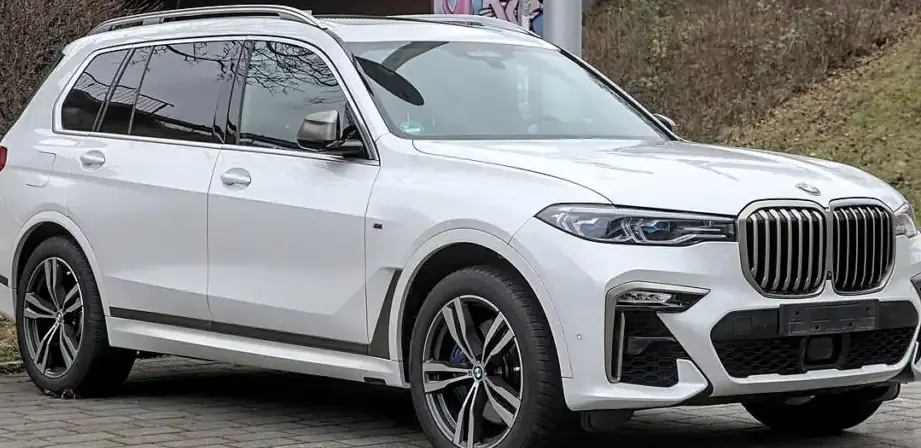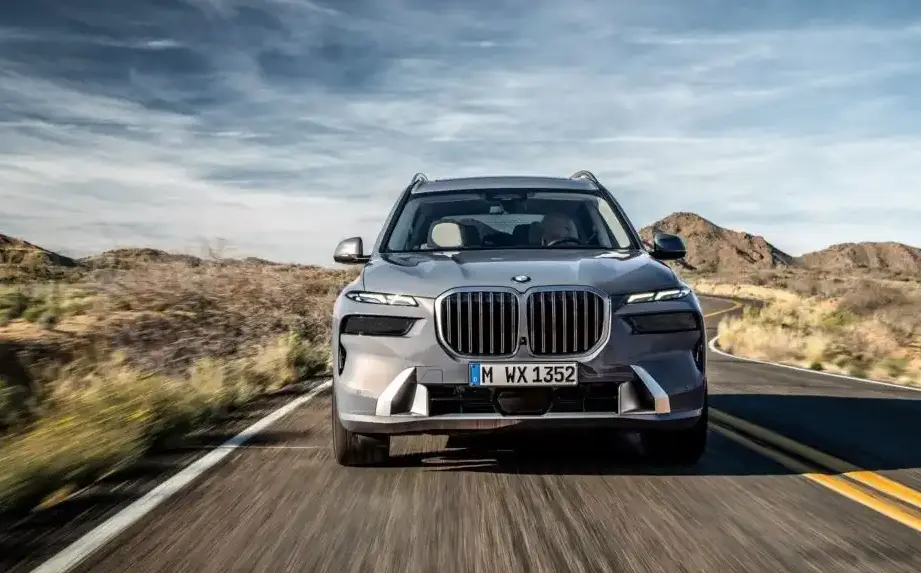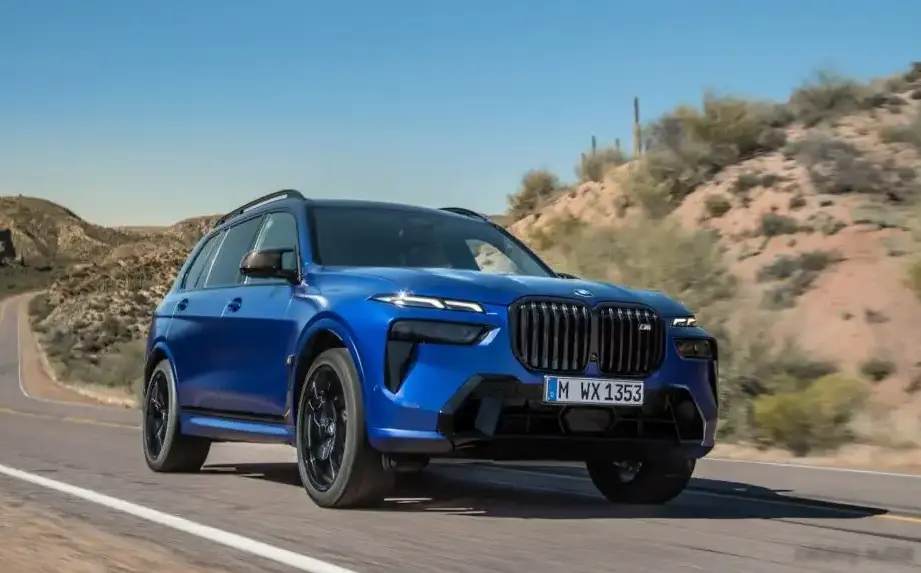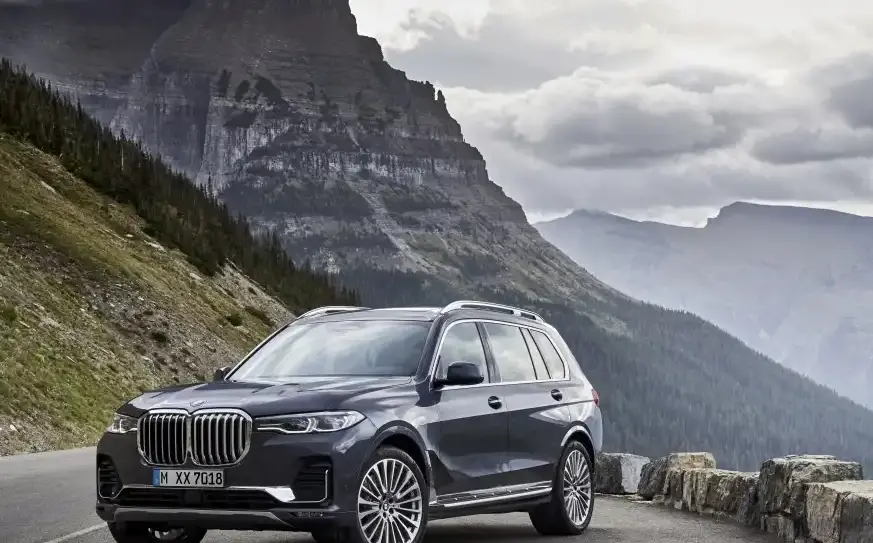
The BMW X7 (G07) 40d, produced from 2020 to 2022, represents a significant offering in the luxury SUV segment, blending performance, technology, and spaciousness. This variant, powered by a 3.0-liter inline-six diesel engine with mild-hybrid assistance, occupied a key position in the X7 lineup, serving as a balance between the entry-level xDrive40i and the high-performance M50i. It was primarily marketed towards buyers seeking a refined driving experience with strong fuel economy and ample power for both on-road comfort and occasional off-road capability. The G07 generation X7 marked BMW’s entry into the full-size luxury SUV market, aiming to compete with established rivals like the Mercedes-Benz GLS and the Audi Q7.
Technical Specifications
| Brand | BMW |
| Model | X7 |
| Generation | X7 (G07) |
| Type (Engine) | 40d (340 Hp) Mild Hybrid xDrive Steptronic |
| Start of production | 2020 |
| End of production | 2022 |
| Powertrain Architecture | MHEV (Mild Hybrid Electric Vehicle) |
| Body type | SUV |
| Seats | 6-7 |
| Doors | 5 |
| Fuel consumption (urban) | 7.5-7.8 l/100 km (31.4 – 30.2 US mpg) |
| Fuel consumption (extra urban) | 5.7-5.9 l/100 km (41.3 – 39.9 US mpg) |
| Fuel consumption (combined) | 6.4-6.6 l/100 km (36.8 – 35.6 US mpg) |
| CO2 emissions | 167-173 g/km |
| Fuel Type | Diesel |
| Acceleration 0 – 100 km/h | 6.1 sec |
| Acceleration 0 – 62 mph | 6.1 sec |
| Acceleration 0 – 60 mph | 5.8 sec |
| Maximum speed | 245 km/h (152.24 mph) |
| Emission standard | EURO 6d |
| Weight-to-power ratio | 7.3 kg/Hp |
| Weight-to-torque ratio | 3.5 kg/Nm |
| Gross battery capacity | 0.528 kWh |
| Electric motor power | 11 Hp |
| Power | 340 Hp @ 4400 rpm |
| Torque | 700 Nm @ 1750-2250 rpm (516.29 lb.-ft.) |
| Engine layout | Front, Longitudinal |
| Engine Model/Code | B57D30B |
| Engine displacement | 2993 cm3 (182.64 cu. in.) |
| Number of cylinders | 6 |
| Engine configuration | Inline |
| Cylinder Bore | 84 mm (3.31 in.) |
| Piston Stroke | 90 mm (3.54 in.) |
| Compression ratio | 16.5:1 |
| Number of valves per cylinder | 4 |
| Fuel injection system | Diesel Commonrail |
| Engine aspiration | Twin-power turbo, Intercooler |
| Engine oil capacity | 7 l (7.4 US qt | 6.16 UK qt) |
| Coolant capacity | 10.6 l (11.2 US qt | 9.33 UK qt) |
| Kerb Weight | 2470 kg (5445.42 lbs.) |
| Max. weight | 3295 kg (7264.23 lbs.) |
| Max load | 825 kg (1818.81 lbs.) |
| Trunk (boot) space – minimum | 326 l (11.51 cu. ft.) |
| Trunk (boot) space – maximum | 2120 l (74.87 cu. ft.) |
| Fuel tank capacity | 80 l (21.13 US gal | 17.6 UK gal) |
| Max. roof load | 100 kg (220.46 lbs.) |
| Permitted trailer load with brakes (12%) | 3500 kg (7716.18 lbs.) |
| Permitted trailer load without brakes | 750 kg (1653.47 lbs.) |
| Permitted towbar download | 140 kg (308.65 lbs.) |
| Length | 5151 mm (202.8 in.) |
| Width | 2000 mm (78.74 in.) |
| Height | 1805 mm (71.06 in.) |
| Wheelbase | 3105 mm (122.24 in.) |
| Front track | 1684 mm (66.3 in.) |
| Rear track | 1705 mm (67.13 in.) |
| Ride height (ground clearance) | 221 mm (8.7 in.) |
| Drag coefficient (Cd) | 0.33 |
| Minimum turning circle | 13.0 m (42.65 ft.) |
| Approach angle | 25.0° |
| Departure angle | 22.2° |
| Ramp-over angle | 19.8° |
| Wading depth | 500 mm (19.69 in.) |
| Drivetrain Architecture | ICE and electric motor, All wheel drive |
| Drive wheel | All wheel drive (4×4) |
| Number of gears | 8 |
| Gearbox type | Automatic transmission Steptronic |
| Front suspension | Double wishbone |
| Rear suspension | Independent multi-link suspension |
| Front brakes | Ventilated discs |
| Rear brakes | Ventilated discs |
| Steering type | Steering rack and pinion |
| Power steering | Electric |
| Tires size | 275/50 R20 113W XL |
| Wheel rims size | 8.5J x 20 |
Powertrain & Engine Architecture
The heart of the X7 40d is the BMW B57D30B, a 3.0-liter inline-six diesel engine. This engine benefits from BMW’s extensive experience in diesel technology, featuring a sophisticated common-rail direct injection system operating at extremely high pressures. The B57 utilizes a variable geometry turbocharger (VGT) and an intercooler to optimize boost pressure and intake air temperature, resulting in a broad torque curve. The mild-hybrid system, incorporating a 48V starter-generator, provides a power boost during acceleration and enables smoother start-stop operation, contributing to improved fuel efficiency. The engine produces 340 horsepower at 4400 rpm and a substantial 700 Nm (516 lb-ft) of torque between 1750 and 2250 rpm. This torque output is a key characteristic of the engine, providing effortless acceleration and strong pulling power. The engine is longitudinally mounted and paired with an 8-speed Steptronic automatic transmission, known for its smooth and quick shifts.
Driving Characteristics
The X7 40d delivers a refined and comfortable driving experience. The abundance of torque from the diesel engine allows for brisk acceleration, with a 0-60 mph time of around 5.8 seconds. While not as overtly sporty as the M50i, the 40d offers more than enough power for everyday driving and highway cruising. The 8-speed automatic transmission is well-tuned, providing seamless gear changes and contributing to the overall smoothness of the ride. The xDrive all-wheel-drive system provides excellent traction in various conditions. Compared to the xDrive40i (gasoline), the 40d offers superior fuel economy and a more relaxed driving experience due to the engine’s torque characteristics. Compared to the M50i, it sacrifices some outright performance but gains in efficiency and a lower price point.
Equipment & Trim Levels
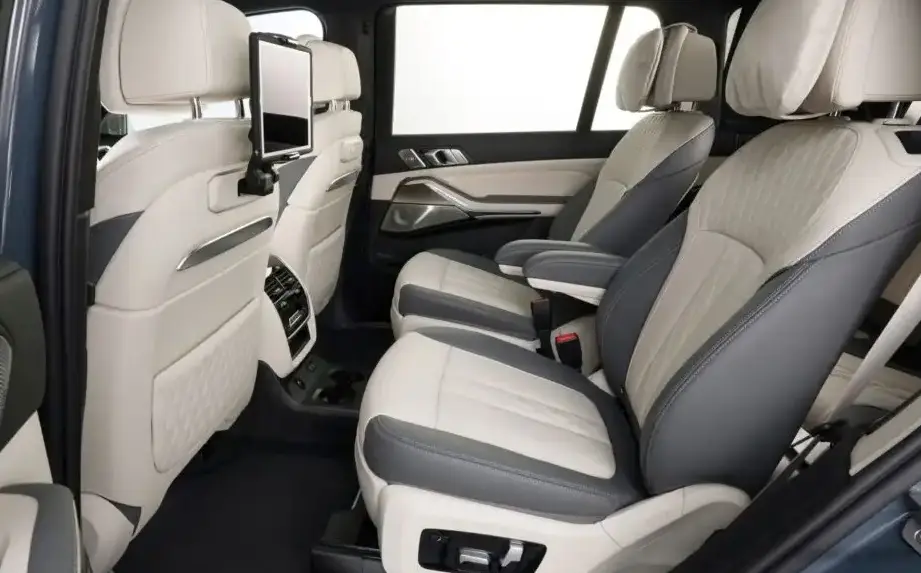
The X7 40d came standard with a high level of equipment, including BMW’s iDrive infotainment system with a 12.3-inch touchscreen display, leather upholstery, power-adjustable front seats with memory function, a panoramic sunroof, and a premium sound system. Available options included upgraded leather trims, individual rear seats, a rear-seat entertainment system, and various driver-assistance features such as adaptive cruise control, lane-keeping assist, and parking assist. The trim levels offered variations in interior finishes and exterior styling cues, allowing buyers to personalize their vehicle.
Chassis & Braking
The X7 40d features a robust chassis with a double-wishbone front suspension and an independent multi-link rear suspension. This setup provides a comfortable ride while maintaining good handling characteristics. The vehicle is equipped with ventilated disc brakes on all four wheels, providing ample stopping power. The xDrive all-wheel-drive system intelligently distributes torque between the front and rear axles, optimizing traction and stability. The standard suspension setup is tuned for comfort, but an optional air suspension system was available, offering adjustable ride height and further enhancing ride quality.
Market Reception & Comparison
The X7 40d was generally well-received by automotive critics, who praised its spacious interior, comfortable ride, and strong diesel engine. The fuel economy was a significant selling point, particularly compared to the gasoline-powered xDrive40i. Some critics noted that the X7’s size could make it challenging to maneuver in tight urban environments. Compared to the Audi Q7 and Mercedes-Benz GLS, the X7 40d offered a compelling combination of luxury, performance, and technology.
Legacy
The BMW X7 40d has proven to be a reliable and durable SUV. The B57 diesel engine is known for its longevity, and the 8-speed Steptronic transmission is generally trouble-free. On the used car market, the X7 40d remains a desirable option for buyers seeking a luxurious and capable SUV with good fuel economy. Regular maintenance, including oil changes and adherence to BMW’s recommended service intervals, is crucial for ensuring the long-term reliability of this vehicle. The X7 40d represents a significant step forward for BMW in the full-size luxury SUV segment, establishing a strong foundation for future iterations of the model.