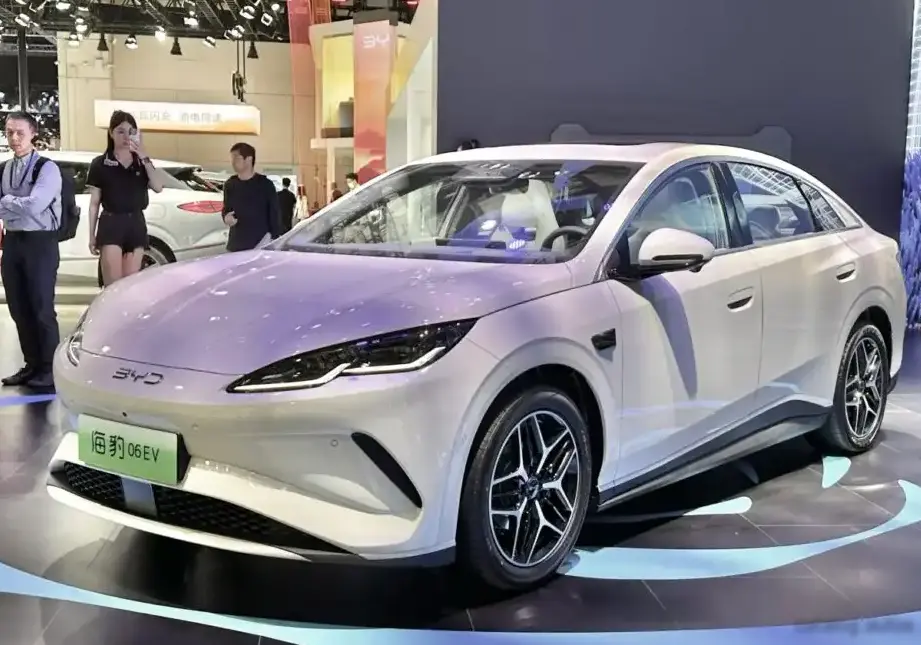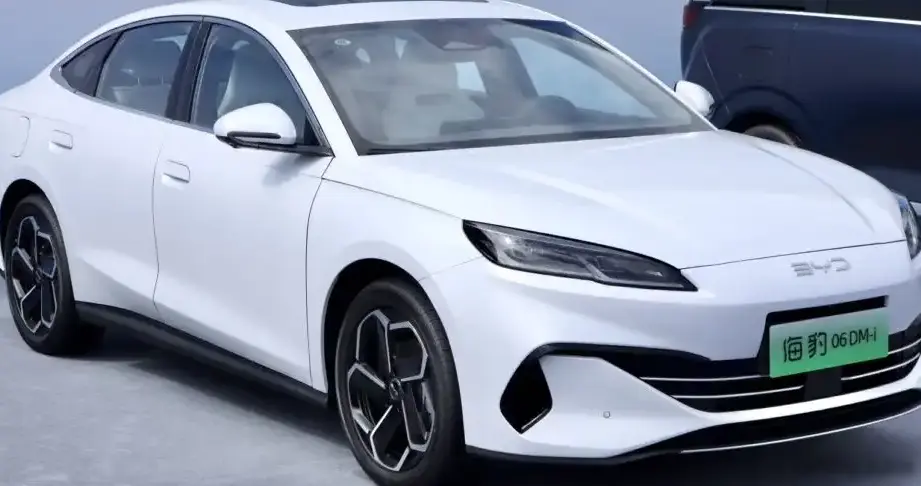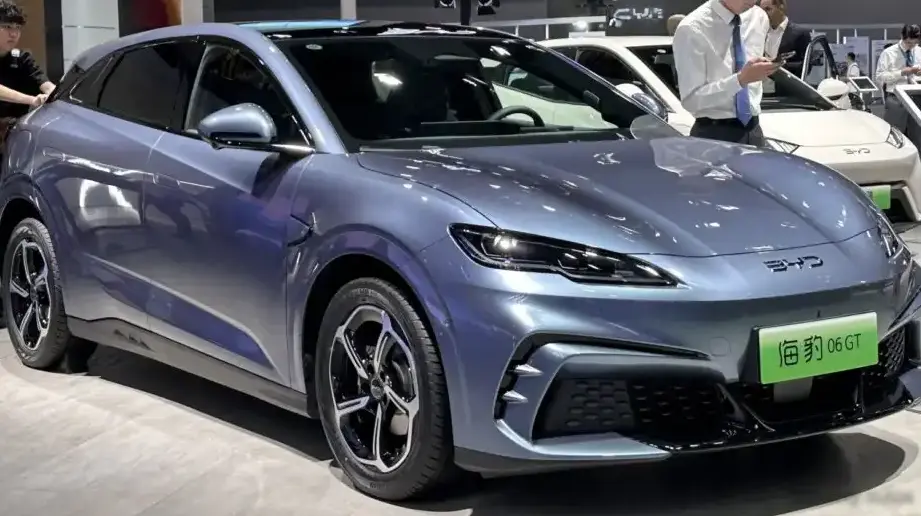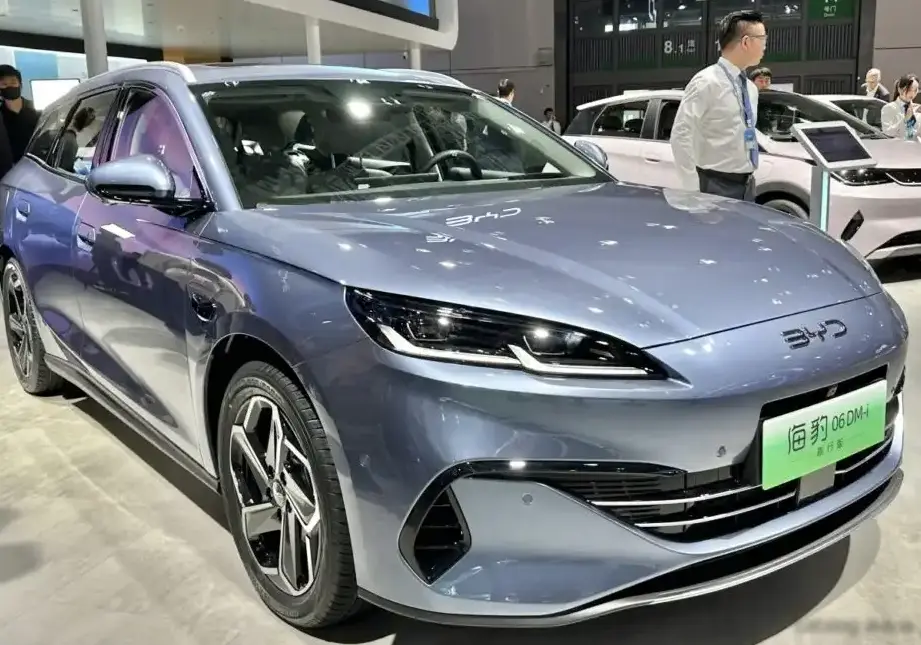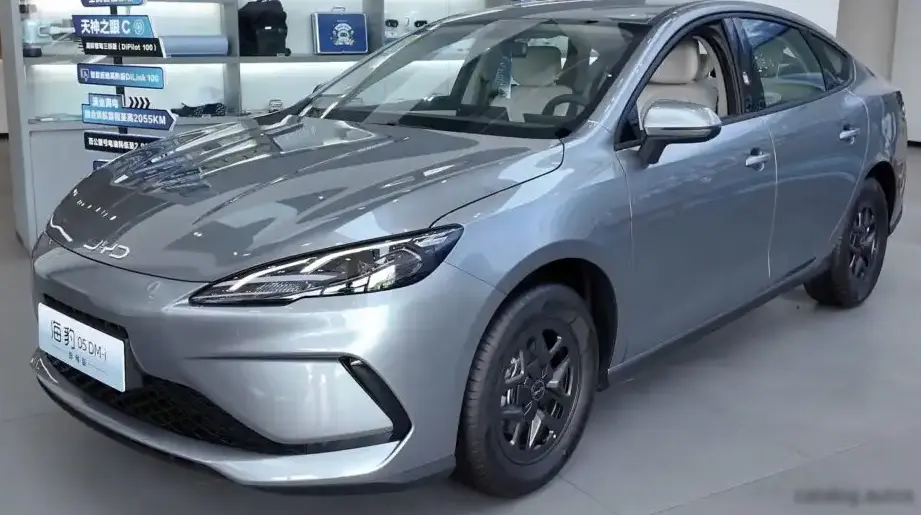
The BYD Seal 05 DM-i 1.5L 15.87 kWh (163 Hp) Plug-in Hybrid E-CVT is a compact sedan introduced by the Chinese automaker BYD in January 2025. It represents a significant entry into the plug-in hybrid market, designed to appeal to consumers seeking fuel efficiency and reduced emissions without sacrificing the convenience of a traditional gasoline vehicle. The “DM-i” designation signifies BYD’s Dual Mode-i technology, prioritizing electric driving while retaining a gasoline engine for extended range. This variant sits within the broader Seal 05 lineup, positioned as a balance between affordability and features, targeting urban commuters and environmentally conscious buyers. It is primarily intended for the Chinese domestic market, though BYD is expanding its global presence.
Technical Specifications
| Brand | BYD |
| Model | Seal 05 |
| Generation | Seal 05 |
| Type (Engine) | DM-i 1.5L 15.87 kWh (163 Hp) Plug-in Hybrid E-CVT |
| Start of production | January, 2025 |
| Powertrain Architecture | PHEV (Plug-in Hybrid Electric Vehicle) |
| Body type | Sedan |
| Seats | 5 |
| Doors | 4 |
| Fuel consumption (economy) – combined (NEDC) | 3.08 l/100 km (76.4 US mpg, 91.7 UK mpg, 32.5 km/l) |
| Fuel Type | Petrol / electricity |
| Acceleration 0 – 100 km/h | 7.6 sec |
| Acceleration 0 – 62 mph | 7.6 sec |
| Acceleration 0 – 60 mph | 7.2 sec |
| Emission standard | China VI |
| Gross battery capacity | 15.87 kWh |
| Battery technology | Lithium iron phosphate (LiFePO4) |
| Battery location | Below the floor |
| All-electric range (CLTC) | 120 km (74.56 mi) |
| Electric motor power | 163 Hp |
| Electric motor Torque | 210 Nm (154.89 lb.-ft.) |
| Electric motor location | Front axle, Transverse |
| Electric motor type | Synchronous |
| System power | 163 Hp |
| System torque | 210 Nm (154.89 lb.-ft.) |
| Power | 101 Hp |
| Torque | 126 Nm (92.93 lb.-ft.) |
| Engine layout | Front, Transverse |
| Engine Model/Code | BYD472QC |
| Engine displacement | 1498 cm3 (91.41 cu. in.) |
| Number of cylinders | 4 |
| Engine configuration | Inline |
| Number of valves per cylinder | 4 |
| Fuel injection system | Multi-port manifold injection |
| Engine aspiration | Naturally aspirated engine |
| Valvetrain | DOHC, VVT |
| Engine systems | Start & Stop System |
| Trunk (boot) space – minimum | 508 l (17.94 cu. ft.) |
| Fuel tank capacity | 65 l (17.17 US gal | 14.3 UK gal) |
| Length | 4780 mm (188.19 in.) |
| Width | 1837 mm (72.32 in.) |
| Height | 1515 mm (59.65 in.) |
| Wheelbase | 2718 mm (107.01 in.) |
| Front track | 1580 mm (62.2 in.) |
| Rear (Back) track | 1590 mm (62.6 in.) |
| Minimum turning circle (turning diameter) | 11 m (36.09 ft.) |
| Drivetrain Architecture | The Internal combustion engine (ICE) and electric motor drive the front wheels of the car with the ability to work in full electric or mixed mode. |
| Drive wheel | Front wheel drive |
| Number of gears and type of gearbox | automatic transmission E-CVT |
| Front suspension | Independent type McPherson |
| Rear suspension | Torsion |
| Front brakes | Ventilated discs |
| Rear brakes | Disc |
| Assisting systems | ABS (Anti-lock braking system) |
| Steering type | Steering rack and pinion |
| Power steering | Electric Steering |
| Tires size | 225/60 R16 |
| Wheel rims size | 16 |
Powertrain & Engine Architecture
The Seal 05 DM-i utilizes a parallel plug-in hybrid system. The core of the powertrain is a 1.5-liter naturally aspirated inline-four cylinder gasoline engine (BYD472QC) producing 101 horsepower and 92.93 lb-ft of torque. This engine is paired with a 163 horsepower electric motor, powered by a 15.87 kWh Lithium Iron Phosphate (LiFePO4) battery pack located under the vehicle floor. The combined system output is 163 horsepower and 154.89 lb-ft of torque. The engine employs multi-port fuel injection and a Double Overhead Camshaft (DOHC) valvetrain with Variable Valve Timing (VVT) for improved efficiency. The “E-CVT” transmission isn’t a traditional continuously variable transmission, but rather a single-speed dedicated transmission optimized for the hybrid system, effectively acting as a power-split device to seamlessly blend power from the engine and electric motor. This configuration allows for both all-electric driving and a hybrid mode where the engine can charge the battery or directly assist the electric motor during acceleration or higher speed cruising.
Driving Characteristics
The 1.5L DM-i with the E-CVT offers a smooth and refined driving experience, particularly in urban environments. The electric motor provides instant torque, resulting in brisk acceleration from a standstill. The 0-60 mph time of approximately 7.2 seconds is respectable for a vehicle in this class. In hybrid mode, the transition between electric and gasoline power is nearly imperceptible. The E-CVT is tuned for efficiency rather than sporty performance, prioritizing smooth power delivery and fuel economy. Compared to potential higher-output gasoline-only versions of the Seal 05, this variant sacrifices some outright speed for significantly improved fuel efficiency. The single-speed transmission means there’s no gear shifting, contributing to a seamless driving experience, but it also limits the vehicle’s ability to quickly accelerate at higher speeds. The steering is light and precise, making it easy to maneuver in city traffic.
Equipment & Trim Levels
The Seal 05 DM-i 1.5L typically comes standard with a comprehensive suite of features. Interior appointments include cloth or synthetic leather upholstery, depending on the specific trim level. Standard equipment generally includes a touchscreen infotainment system (typically 12.8 inches or larger), Bluetooth connectivity, Apple CarPlay and Android Auto compatibility, a digital instrument cluster, and automatic climate control. Safety features such as ABS, electronic stability control, and multiple airbags are standard. Optional extras may include a panoramic sunroof, heated and ventilated front seats, a premium sound system, and advanced driver-assistance systems (ADAS) like adaptive cruise control and lane-keeping assist. The trim level dictates the level of luxury and technology included.
Chassis & Braking
The Seal 05 DM-i utilizes a front-wheel-drive layout. The front suspension employs an independent McPherson strut design, while the rear suspension features a torsion beam setup. This configuration balances ride comfort and handling. The braking system consists of ventilated discs at the front and solid discs at the rear, providing adequate stopping power for everyday driving. Electric power steering is standard, offering a light and responsive feel. The vehicle rides on 16-inch alloy wheels with 225/60 R16 tires. The suspension tuning is geared towards comfort, prioritizing a smooth ride over sporty handling.
Market Reception & Comparison
The BYD Seal 05 DM-i has been well-received in the Chinese market, praised for its fuel efficiency, comfortable ride, and competitive pricing. Critics have noted the smooth operation of the plug-in hybrid system and the spacious interior. Compared to other plug-in hybrid sedans in its class, the Seal 05 DM-i offers a compelling combination of features and value. Its fuel economy of 3.08 l/100 km (76.4 US mpg) is particularly impressive. Reliability reports are still emerging, as the vehicle is relatively new, but BYD has a growing reputation for building durable and dependable vehicles. Compared to a standard gasoline-powered Seal 05, the DM-i variant commands a premium price, but the fuel savings and reduced emissions can offset the higher initial cost over the vehicle’s lifespan.
Legacy
The BYD Seal 05 DM-i 1.5L represents a significant step forward in BYD’s efforts to establish itself as a global leader in electric and plug-in hybrid vehicles. The DM-i technology, with its focus on maximizing electric driving range and efficiency, is expected to become a cornerstone of BYD’s future product lineup. The long-term reliability of the powertrain remains to be seen, but the use of LiFePO4 battery technology is generally considered to be safe and durable. In the used car market, this variant is likely to be sought after by buyers looking for a fuel-efficient and environmentally friendly vehicle with a comfortable driving experience. Its success will contribute to the broader adoption of plug-in hybrid technology and help to reduce reliance on traditional gasoline-powered vehicles.