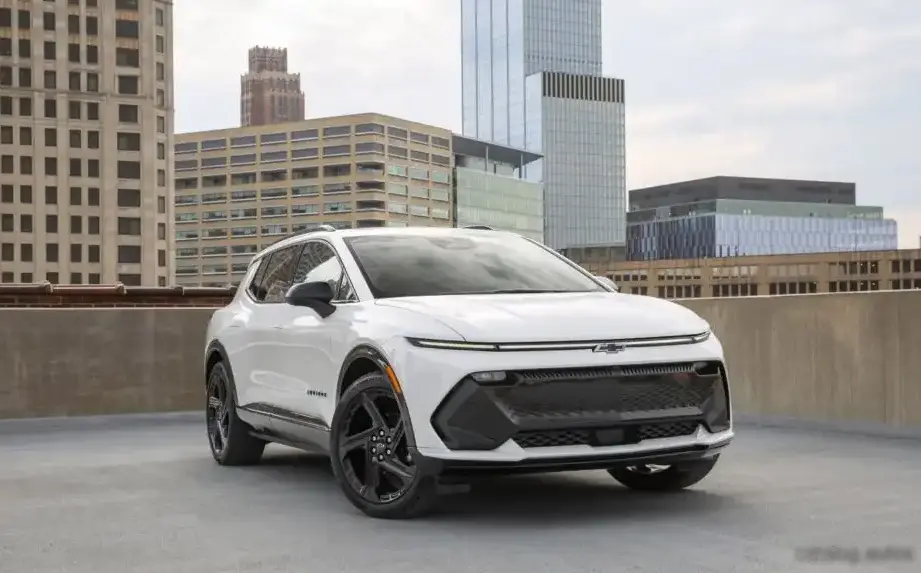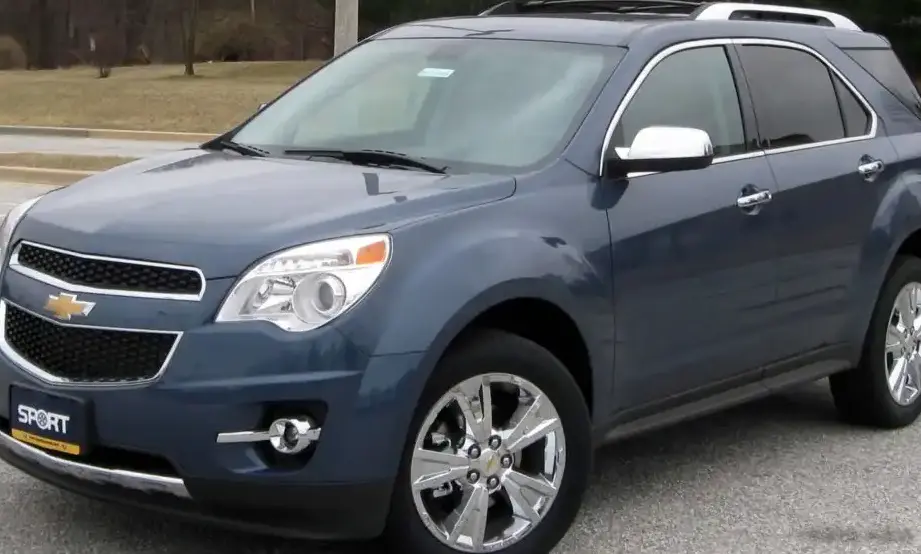
The Chevrolet Equinox II, specifically the facelifted version produced from 2016 to 2017, represented a significant update to Chevrolet’s popular compact crossover SUV. Among the engine options available, the 3.6-liter V6 producing 305 horsepower paired with a six-speed automatic transmission was positioned as the premium offering within the Equinox lineup. This variant aimed to provide a balance of power, refinement, and practicality for buyers seeking a more engaging driving experience than the base four-cylinder models. It served as a key competitor to vehicles like the Honda CR-V, Toyota RAV4, and Ford Escape in the North American market.
Technical Specifications
| Brand | Chevrolet |
| Model | Equinox |
| Generation | Equinox II (facelift 2016) |
| Type (Engine) | 3.6 V6 (305 Hp) Automatic |
| Start of production | 2016 |
| End of production | 2017 |
| Powertrain Architecture | Internal Combustion engine |
| Body type | SUV |
| Seats | 5 |
| Doors | 5 |
| Fuel consumption (urban) | 13.8 l/100 km (17 US mpg, 20.5 UK mpg, 7.2 km/l) |
| Fuel consumption (extra urban) | 9.8 l/100 km (24 US mpg, 28.8 UK mpg, 10.2 km/l) |
| Fuel Type | Petrol (Gasoline) |
| Weight-to-power ratio | 6.1 kg/Hp, 163.5 Hp/tonne |
| Weight-to-torque ratio | 5.1 kg/Nm, 197.9 Nm/tonne |
| Power | 305 Hp @ 6500 rpm |
| Power per litre | 85.6 Hp/l |
| Torque | 369 Nm @ 4800 rpm (272.16 lb.-ft. @ 4800 rpm) |
| Engine layout | Front, Longitudinal |
| Engine Model/Code | LFX |
| Engine displacement | 3564 cm3 (217.49 cu. in.) |
| Number of cylinders | 6 |
| Engine configuration | V-engine |
| Cylinder Bore | 94 mm (3.7 in.) |
| Piston Stroke | 85.6 mm (3.37 in.) |
| Compression ratio | 11.5:1 |
| Number of valves per cylinder | 4 |
| Fuel injection system | Direct injection |
| Engine aspiration | Naturally aspirated engine |
| Valvetrain | DOHC-CVVT |
| Engine oil capacity | 5.7 l (6.02 US qt | 5.02 UK qt) |
| Coolant | 10.2 l (10.78 US qt | 8.97 UK qt) |
| Kerb Weight | 1865 kg (4111.62 lbs.) |
| Trunk (boot) space – minimum | 892 l (31.5 cu. ft.) |
| Trunk (boot) space – maximum | 1804 l (63.71 cu. ft.) |
| Fuel tank capacity | 71 l (18.76 US gal | 15.62 UK gal) |
| Permitted trailer load with brakes (12%) | 1588 kg (3500.94 lbs.) |
| Length | 4770 mm (187.8 in.) |
| Width | 1841 mm (72.48 in.) |
| Height | 1684 mm (66.3 in.) |
| Wheelbase | 2857 mm (112.48 in.) |
| Front track | 1598 mm (62.91 in.) |
| Rear (Back) track | 1577 mm (62.09 in.) |
| Minimum turning circle (turning diameter) | 12.2 m (40.03 ft.) |
| Drivetrain Architecture | The Internal combustion engine (ICE) drives the front wheels of the vehicle. |
| Drive wheel | Front wheel drive |
| Number of gears and type of gearbox | 6 gears, automatic transmission Hydra-Matic |
| Front suspension | Independent, type McPherson with coil spring and anti-roll bar |
| Rear suspension | Independent multi-link spring suspension with stabilizer |
| Front brakes | Ventilated discs |
| Rear brakes | Ventilated discs |
| Assisting systems | ABS (Anti-lock braking system) |
| Steering type | Steering rack and pinion |
| Power steering | Hydraulic Steering |
| Tires size | 225/65 R17; 235/55 R18 |
| Wheel rims size | 17; 18 |
Powertrain & Engine Architecture
The heart of this Equinox variant is the LFX 3.6-liter V6 engine. This engine is a naturally aspirated, 60-degree V6 featuring direct fuel injection and a double overhead camshaft (DOHC) valvetrain with continuously variable valve timing (CVVT). The direct injection system optimizes combustion efficiency and contributes to the engine’s power output. The LFX engine was a mainstay in several General Motors vehicles, known for its relatively smooth operation and respectable performance. It produces 305 horsepower at 6500 rpm and 272 lb-ft of torque at 4800 rpm. This power is delivered to the front wheels via a six-speed Hydra-Matic automatic transmission. The Hydra-Matic transmission is a conventional torque converter automatic, offering smooth shifts and a comfortable driving experience. While not the most advanced transmission on the market, it was known for its reliability and durability.
Driving Characteristics
The 3.6L V6 equipped Equinox offered a noticeable step up in performance compared to the base 1.5L turbocharged four-cylinder engine. Acceleration was brisk, allowing for confident merging and overtaking maneuvers. The six-speed automatic transmission was well-tuned for everyday driving, providing smooth and predictable shifts. However, it wasn’t designed for aggressive driving, and downshifts could sometimes feel hesitant. The front-wheel-drive configuration provided adequate traction in most conditions, but all-wheel drive was available as an option for those living in areas with inclement weather. The gear ratios were optimized for a balance of fuel economy and performance, with a relatively tall final drive ratio prioritizing highway cruising efficiency.
Equipment & Trim Levels
The 3.6L V6 engine was typically offered on the higher trim levels of the Equinox, such as the LT and Premier. Standard features included automatic climate control, a Chevrolet MyLink infotainment system with a touchscreen display, Bluetooth connectivity, and a rearview camera. Higher trims added features like leather upholstery, heated front seats, a power liftgate, and a premium audio system. Optional extras included a sunroof, navigation system, and advanced safety features like blind-spot monitoring and rear cross-traffic alert.
Chassis & Braking
The Equinox II utilized a unibody construction with independent suspension at all four corners. The front suspension employed a McPherson strut design, while the rear featured a multi-link setup. This suspension configuration provided a comfortable ride quality, absorbing bumps and imperfections in the road effectively. Stabilizer bars were fitted to both the front and rear axles to reduce body roll during cornering. Braking duties were handled by ventilated discs at all four wheels, providing ample stopping power. An anti-lock braking system (ABS) was standard, enhancing safety and control during emergency braking situations. The hydraulic power steering offered a light and responsive feel, making it easy to maneuver the Equinox in tight spaces.
Market Reception & Comparison
Critics generally praised the Equinox II 3.6L V6 for its strong engine performance and comfortable ride. However, some reviewers noted that the interior design was somewhat bland and lacked the premium feel of some competitors. Fuel economy was also a concern, as the V6 engine consumed significantly more fuel than the four-cylinder options. Compared to the 1.5L turbo, the V6 offered a substantial power increase, but at the cost of fuel efficiency. The V6 was also more expensive to maintain, requiring more frequent oil changes and potentially more costly repairs. Despite these drawbacks, the 3.6L V6 remained a popular choice for buyers who prioritized performance and refinement.
Legacy
The LFX 3.6L V6 engine proved to be a relatively reliable powertrain, with few major issues reported over its lifespan. However, like any engine, it was susceptible to certain problems, such as oil leaks and timing chain wear. The six-speed Hydra-Matic transmission was also generally reliable, but some owners reported issues with harsh shifting or transmission failure. Today, used Equinox II models with the 3.6L V6 engine can be found at reasonable prices. They represent a good value for buyers seeking a spacious and comfortable crossover SUV with ample power. Regular maintenance and careful inspection are essential to ensure the long-term reliability of these vehicles.