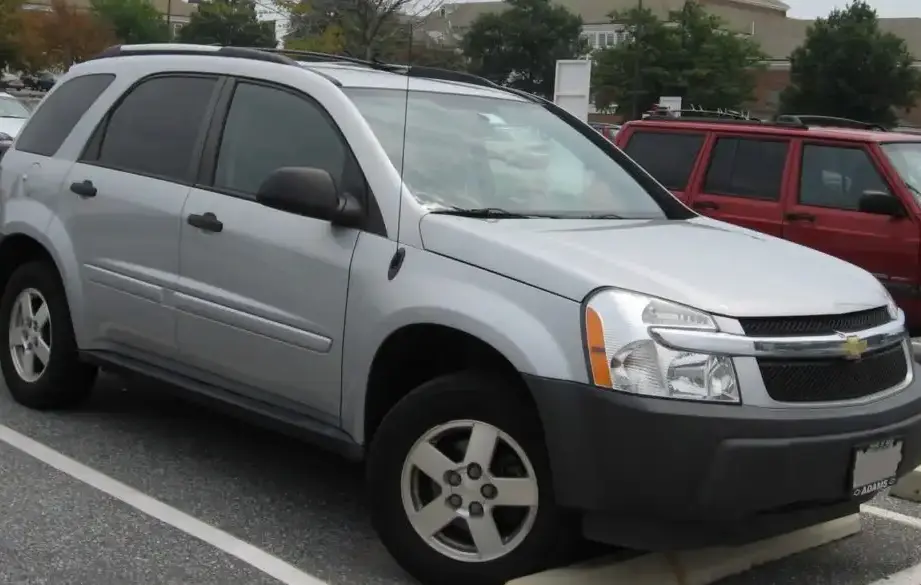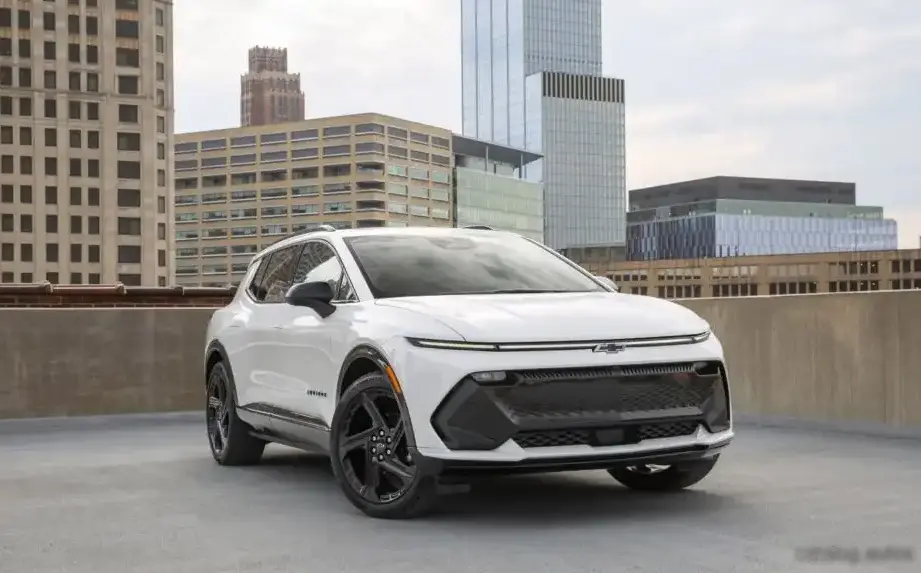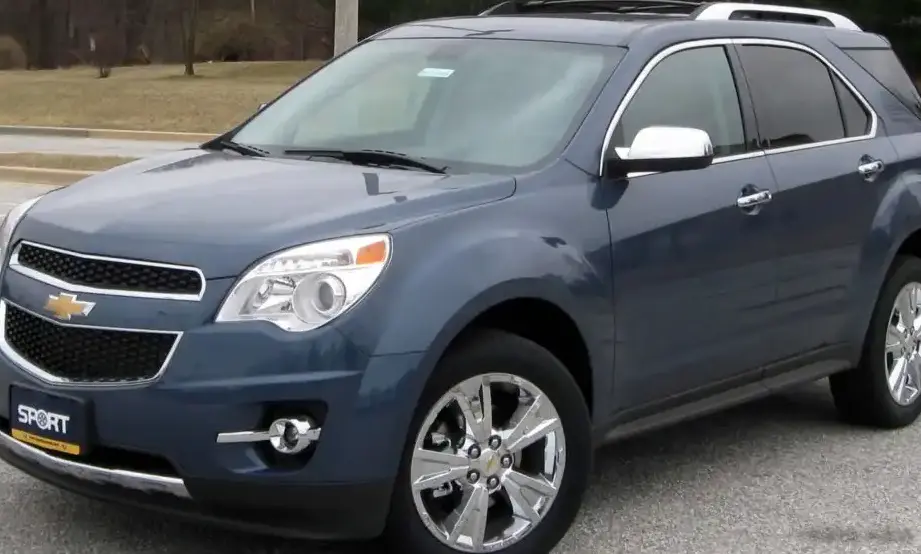
The Chevrolet Equinox II, specifically the facelifted version produced from 2016 to 2017, represented a significant update to Chevrolet’s popular compact crossover SUV. Among the engine options available, the 3.6-liter V6 producing 305 horsepower paired with an automatic transmission and all-wheel drive (AWD) stood as the premium offering. This configuration positioned itself as the top-tier choice for Equinox buyers seeking robust performance and enhanced all-weather capability. It was built on the GM Theta platform, shared with other vehicles like the GMC Terrain and Buick Equinox, aiming to provide a comfortable and practical family vehicle with a more upscale feel.
Technical Specifications
| Brand | Chevrolet |
| Model | Equinox |
| Generation | Equinox II (facelift 2016) |
| Type (Engine) | 3.6 V6 (305 Hp) AWD Automatic |
| Start of production | 2016 |
| End of production | 2017 |
| Powertrain Architecture | Internal Combustion engine |
| Body type | SUV |
| Seats | 5 |
| Doors | 5 |
| Fuel consumption (urban) | 14.7 l/100 km (16 US mpg, 19.2 UK mpg, 6.8 km/l) |
| Fuel consumption (extra urban) | 10.2 l/100 km (23.1 US mpg, 27.7 UK mpg, 9.8 km/l) |
| Fuel Type | Petrol (Gasoline) |
| Weight-to-power ratio | 6.2 kg/Hp, 161.3 Hp/tonne |
| Weight-to-torque ratio | 5.1 kg/Nm, 195.1 Nm/tonne |
| Power | 305 Hp @ 6500 rpm |
| Power per litre | 85.6 Hp/l |
| Torque | 369 Nm @ 4800 rpm (272.16 lb.-ft. @ 4800 rpm) |
| Engine layout | Front, Longitudinal |
| Engine Model/Code | LFX |
| Engine displacement | 3564 cm3 (217.49 cu. in.) |
| Number of cylinders | 6 |
| Engine configuration | V-engine |
| Cylinder Bore | 94 mm (3.7 in.) |
| Piston Stroke | 85.6 mm (3.37 in.) |
| Compression ratio | 11.5:1 |
| Number of valves per cylinder | 4 |
| Fuel injection system | Direct injection |
| Engine aspiration | Naturally aspirated engine |
| Valvetrain | DOHC-CVVT |
| Engine oil capacity | 5.7 l (6.02 US qt | 5.02 UK qt) |
| Coolant | 10.2 l (10.78 US qt | 8.97 UK qt) |
| Kerb Weight | 1891 kg (4168.94 lbs.) |
| Trunk (boot) space – minimum | 892 l (31.5 cu. ft.) |
| Trunk (boot) space – maximum | 1804 l (63.71 cu. ft.) |
| Fuel tank capacity | 71 l (18.76 US gal | 15.62 UK gal) |
| Permitted trailer load with brakes (12%) | 1588 kg (3500.94 lbs.) |
| Length | 4770 mm (187.8 in.) |
| Width | 1841 mm (72.48 in.) |
| Height | 1684 mm (66.3 in.) |
| Wheelbase | 2857 mm (112.48 in.) |
| Front track | 1598 mm (62.91 in.) |
| Rear (Back) track | 1577 mm (62.09 in.) |
| Minimum turning circle (turning diameter) | 12.2 m (40.03 ft.) |
| Drive wheel | All wheel drive (4×4) |
| Number of gears and type of gearbox | 6 gears, automatic transmission Hydra-Matic |
| Front suspension | Independent, type McPherson with coil spring and anti-roll bar |
| Rear suspension | Independent multi-link spring suspension with stabilizer |
| Front brakes | Ventilated discs |
| Rear brakes | Ventilated discs |
| Assisting systems | ABS (Anti-lock braking system) |
| Steering type | Steering rack and pinion |
| Power steering | Hydraulic Steering |
| Tires size | 225/65 R17; 235/55 R18 |
| Wheel rims size | 17; 18 |
Powertrain & Engine Architecture
The heart of this Equinox variant is the 3.6-liter LFX V6 engine. This engine is a naturally aspirated, 60-degree V6 featuring direct fuel injection and a double overhead camshaft (DOHC) valvetrain with variable valve timing (CVVT). The direct injection system optimizes combustion efficiency and contributes to the engine’s power output. The LFX engine was a mainstay in many GM vehicles during this period, known for its relatively smooth operation and respectable power delivery. It’s paired with a six-speed Hydra-Matic automatic transmission, a well-established unit known for its durability and smooth shifts. The AWD system is primarily front-wheel drive, engaging the rear wheels as needed for improved traction.
Driving Characteristics
The 305-horsepower V6 significantly altered the driving experience compared to the base 1.5-liter turbocharged four-cylinder engine. Acceleration was brisk, providing confident merging and passing capabilities. While not a sports SUV, the V6 offered ample power for everyday driving and even light towing. The six-speed automatic transmission was generally well-tuned, providing smooth gear changes. However, it wasn’t as quick to downshift as some more modern transmissions. The AWD system provided enhanced stability in inclement weather, making it a practical choice for regions with snow or rain. The weight distribution, however, could be felt during cornering, resulting in a slight degree of body roll.
Equipment & Trim Levels
The 3.6L V6 AWD trim typically represented the highest level of equipment available for the Equinox. Standard features generally included leather upholstery, heated front seats, a power driver’s seat, a Chevrolet MyLink infotainment system with a touchscreen display, and a rearview camera. Optional extras often included a sunroof, navigation system, a premium Bose audio system, and advanced safety features like blind-spot monitoring and rear cross-traffic alert. Interior materials were generally of good quality for the segment, offering a comfortable and refined cabin environment.
Chassis & Braking
The Equinox II utilized an independent suspension system at all four corners. The front suspension employed a McPherson strut design with coil springs and an anti-roll bar, while the rear featured a multi-link setup, also with coil springs and a stabilizer bar. This suspension configuration aimed to balance ride comfort with handling stability. Braking duties were handled by ventilated discs on all four wheels, providing adequate stopping power. The ABS (Anti-lock Braking System) was standard, enhancing safety during emergency braking situations. Steering was rack-and-pinion with hydraulic power assist, offering a reasonably responsive feel.
Market Reception & Comparison
Critics generally praised the Equinox II’s comfortable ride, spacious interior, and user-friendly technology. The 3.6-liter V6 engine was consistently lauded for its strong performance, making it a standout choice in the compact crossover segment. However, fuel economy was a common criticism, as the V6 engine consumed significantly more fuel than the base 1.5-liter turbo. Compared to the 1.5T models, the V6 offered a substantial performance upgrade but at the cost of increased fuel consumption. The V6 also commanded a higher price point, making it a less accessible option for budget-conscious buyers. Compared to competitors like the Honda CR-V and Toyota RAV4, the Equinox offered a more powerful engine option but sometimes lagged behind in terms of overall fuel efficiency and resale value.
Legacy
The LFX 3.6L V6 engine, when paired with the six-speed automatic, proved to be a relatively reliable powertrain. While not immune to issues like oil leaks or timing chain wear over very high mileage, it generally held up well with proper maintenance. In the used car market, Equinox models equipped with the V6 engine and AWD often command a slightly higher price than those with the base engine. These models are sought after by buyers who prioritize performance and all-weather capability. The 2016-2017 facelifted Equinox II, with its refined styling and improved features, remains a popular choice for those seeking a practical and comfortable compact crossover SUV.