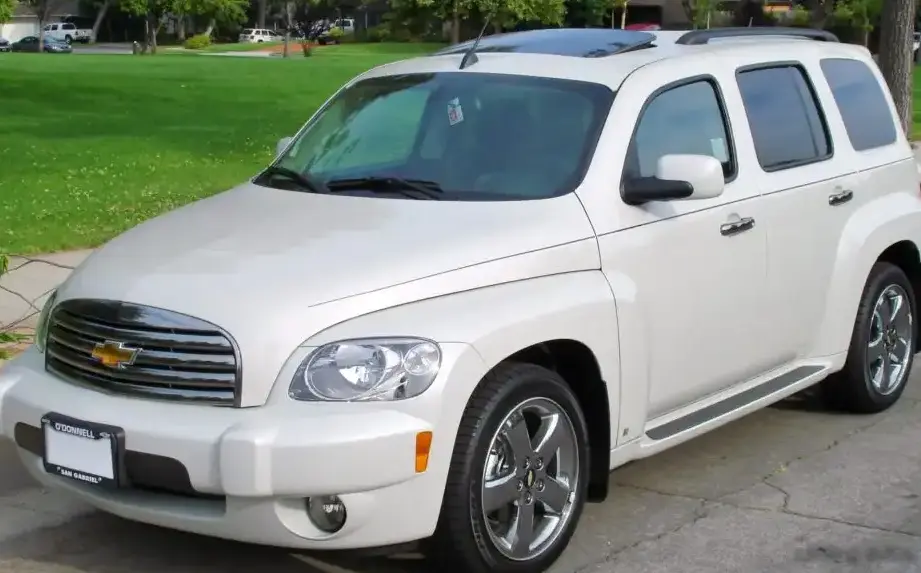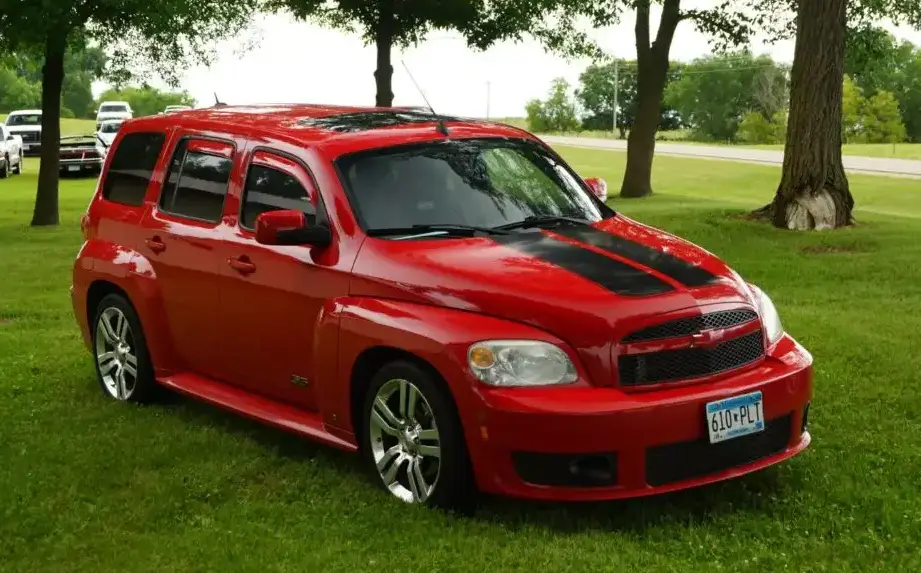
The Chevrolet HHR SS 2.0 Turbo Automatic, produced from 2007 to 2010, represented the performance-oriented pinnacle of the first-generation HHR (Hummer Heritage Retro) line. Positioned as the top-tier trim, the SS model aimed to inject a dose of sporty appeal into the retro-styled wagon. It was built on the GM Delta platform, shared with vehicles like the Saturn Ion and Opel Astra, but distinguished itself through unique styling cues and a significantly more powerful engine. The HHR SS was primarily marketed towards buyers in North America seeking a distinctive and practical vehicle with a performance edge.
Technical Specifications
| Brand | Chevrolet |
| Model | HHR |
| Generation | HHR |
| Type | SS 2.0 Turbo (260 Hp) Automatic |
| Start of production | August, 2007 |
| End of production | 2010 |
| Powertrain Architecture | Internal Combustion engine |
| Body type | Station wagon (estate) |
| Seats | 5 |
| Doors | 5 |
| Fuel consumption (urban) | 12.4 l/100 km (19 US mpg) |
| Fuel consumption (extra urban) | 8.1 l/100 km (29 US mpg) |
| Fuel Type | Petrol (Gasoline) |
| Power | 260 Hp |
| Torque | 353 Nm (260.36 lb.-ft.) |
| Engine layout | Front, Transverse |
| Engine Model/Code | Ecotec / LNF |
| Engine displacement | 1998 cm3 (121.93 cu. in.) |
| Number of cylinders | 4 |
| Engine configuration | Inline |
| Cylinder Bore | 86 mm (3.39 in.) |
| Piston Stroke | 86 mm (3.39 in.) |
| Number of valves per cylinder | 4 |
| Fuel injection system | Direct injection |
| Engine aspiration | Twin-scroll turbo, Intercooler |
| Valvetrain | DOHC, VVT |
| Engine oil capacity | 4.7 l (4.97 US qt | 4.14 UK qt) |
| Coolant capacity | 8.7 l (9.19 US qt | 7.65 UK qt) |
| Trunk (boot) space – minimum | 430 l (15.19 cu. ft.) |
| Trunk (boot) space – maximum | 1550 l (54.74 cu. ft.) |
| Fuel tank capacity | 61.3 l (16.19 US gal | 13.48 UK gal) |
| Permitted trailer load with brakes (12%) | 454 kg (1000.9 lbs.) |
| Length | 4475 mm (176.18 in.) |
| Width | 1755 mm (69.09 in.) |
| Width including mirrors | 1960 mm (77.17 in.) |
| Height | 1603 mm (63.11 in.) |
| Wheelbase | 2629 mm (103.5 in.) |
| Drivetrain | Front wheel drive |
| Number of gears and type of gearbox | 4 gears, automatic transmission |
| Front suspension | Independent, type McPherson with coil spring and anti-roll bar |
| Rear suspension | Torsion |
| Front brakes | Ventilated discs |
| Rear brakes | Disc |
| Assisting systems | ABS (Anti-lock braking system) |
| Steering type | Steering rack and pinion |
| Power steering | Electric Steering |
| Tires size | 225/45 R18 |
| Wheel rims size | 7.5J x 18 |
Powertrain & Engine Architecture
The heart of the HHR SS was the 2.0-liter Ecotec LNF inline-four engine. This engine was a significant departure from the base HHR’s naturally aspirated 2.2-liter powerplant. The LNF featured direct fuel injection, a twin-scroll turbocharger, and variable valve timing (VVT) on both the intake and exhaust camshafts. These technologies combined to produce 260 horsepower and 260 lb-ft of torque. The engine’s aluminum block and cylinder head contributed to its relatively lightweight design. The four-speed automatic transmission, a 4T65E unit, was the sole transmission offering for the SS model. While not the most modern transmission by 2007 standards, it was known for its durability and smooth operation. The transmission was calibrated to provide responsive shifts, though it lacked the efficiency of newer transmissions with more gears.
Driving Characteristics
The HHR SS Automatic offered a noticeable performance improvement over other HHR trims. The turbocharger provided a surge of power in the mid-range, making it capable of brisk acceleration. While the four-speed automatic wasn’t as quick-shifting as some contemporary transmissions, it delivered smooth and predictable gear changes. The front-wheel-drive layout meant that torque steer was present under hard acceleration, but it was manageable. Compared to a manual transmission equipped SS, the automatic version sacrificed some driver engagement and potentially a slight amount of acceleration, but it offered greater convenience for everyday driving. The gear ratios were optimized for a balance of acceleration and highway cruising, but the lack of a fifth or sixth gear meant that engine speeds were relatively high at highway speeds.
Equipment & Trim Levels
The HHR SS came standard with a number of features designed to enhance its sporty image and driver comfort. These included unique exterior styling elements such as a chrome grille, body-colored rocker panels, and a rear spoiler. Inside, the SS featured sport seats upholstered in leatherette, a leather-wrapped steering wheel, and aluminum pedal covers. Standard equipment also included air conditioning, power windows and locks, and a premium audio system. Optional extras included a sunroof, upgraded audio system with a subwoofer, and remote start. The interior dashboard configuration was largely similar to other HHR trims, but the SS featured unique gauge cluster graphics and trim accents.
Chassis & Braking
The HHR SS utilized an independent McPherson strut front suspension and a torsion beam rear suspension. The suspension was tuned to provide a balance of ride comfort and handling performance. The SS also featured larger diameter brakes compared to other HHR trims, with ventilated discs at all four corners. Anti-lock brakes (ABS) were standard. While the suspension offered adequate handling for everyday driving, it wasn’t as sophisticated as some contemporary performance vehicles. The torsion beam rear suspension, while space-efficient, limited the vehicle’s cornering ability compared to a fully independent rear suspension.
Market Reception & Comparison
The HHR SS received mixed reviews from automotive critics. While the engine was widely praised for its power and responsiveness, some critics found the styling polarizing and the interior materials to be somewhat lacking. The four-speed automatic transmission was also a point of criticism, as it was considered outdated compared to transmissions with more gears. Compared to the base HHR models, the SS offered a significant performance upgrade, but it came at a higher price. Compared to other sporty wagons of the time, such as the Volkswagen GTI or the Subaru WRX, the HHR SS offered a unique blend of retro styling and turbocharged performance, but it lacked the refinement and handling prowess of its European and Japanese competitors. Fuel economy was reasonable for a turbocharged vehicle, but not class-leading.
Legacy
The Chevrolet HHR SS 2.0 Turbo Automatic has developed a modest following among enthusiasts. The LNF engine is known for its reliability and tunability, making it a popular choice for aftermarket modifications. While not a high-volume seller during its production run, the HHR SS remains a relatively affordable and distinctive option in the used car market. The powertrain, while not without its quirks, has proven to be reasonably durable with proper maintenance. Common issues include potential turbocharger wear and occasional transmission problems, but these are generally manageable with preventative maintenance and timely repairs. The HHR SS represents a unique chapter in Chevrolet’s history, blending retro styling with modern turbocharged performance.