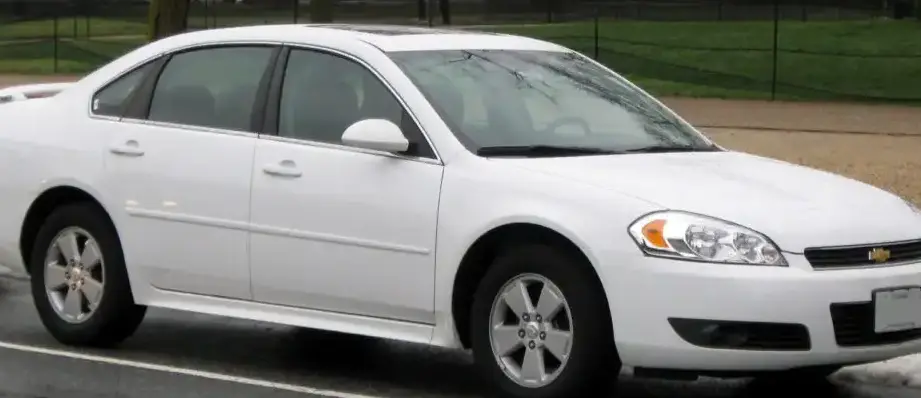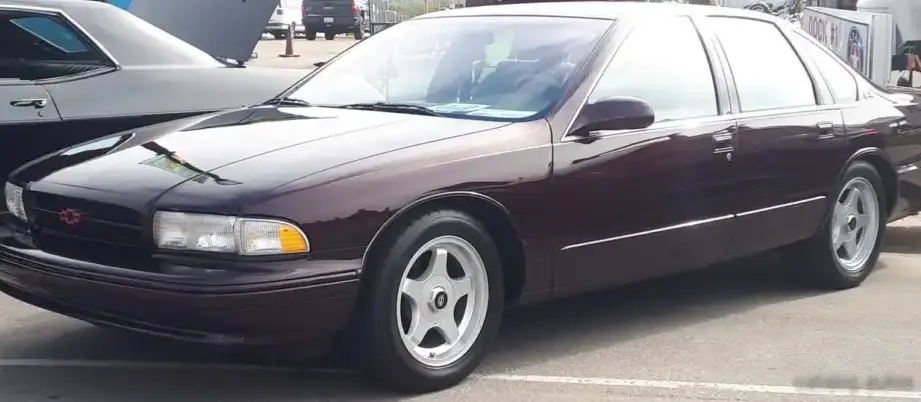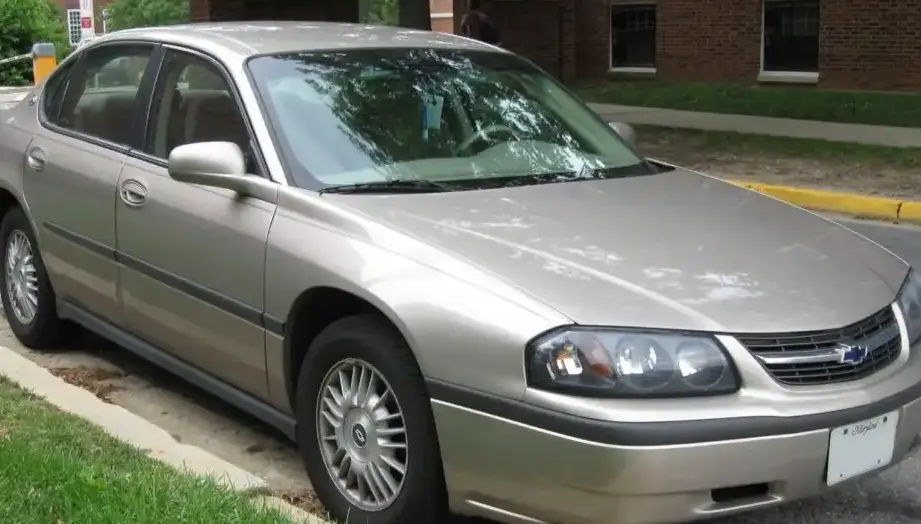
The Chevrolet Impala VIII (W) 3.8i V6 SS, produced from 2004 to 2006, represented a performance-oriented variant within the eighth generation of the iconic Impala. Positioned as the Super Sport (SS) trim, it offered a significant power upgrade over the base models, appealing to drivers seeking a blend of comfort and spirited driving. This generation Impala, built on the GM W-body platform, aimed to revitalize the Impala nameplate with a more modern design and improved features. The 3.8i V6 SS occupied the top performance tier of the lineup during its production run, slotting above the base 3.4L V6 and the 3.8L non-supercharged variants.
Technical Specifications
| Brand | Chevrolet |
| Model | Impala |
| Generation | Impala VIII (W) |
| Type (Engine) | 3.8 i V6 SS (243 Hp) |
| Start of production | 2004 |
| End of production | 2006 |
| Powertrain Architecture | Internal Combustion engine |
| Body type | Sedan |
| Seats | 5 |
| Doors | 4 |
| Fuel consumption (urban) | 13.1 l/100 km (18 US mpg, 21.6 UK mpg, 7.6 km/l) |
| Fuel consumption (extra urban) | 8.4 l/100 km (28 US mpg, 33.6 UK mpg, 11.9 km/l) |
| Fuel consumption (combined) | 10.2 l/100 km (23.1 US mpg, 27.7 UK mpg, 9.8 km/l) |
| Fuel Type | Petrol (Gasoline) |
| Acceleration 0 – 100 km/h | 7 sec |
| Acceleration 0 – 62 mph | 7 sec |
| Acceleration 0 – 60 mph | 6.7 sec |
| Maximum speed | 220 km/h (136.7 mph) |
| Weight-to-power ratio | 6.8 kg/Hp, 147.7 Hp/tonne |
| Weight-to-torque ratio | 4.3 kg/Nm, 231 Nm/tonne |
| Power | 243 Hp @ 5200 rpm |
| Power per litre | 64.1 Hp/l |
| Torque | 380 Nm @ 3600 rpm (280.27 lb.-ft. @ 3600 rpm) |
| Engine layout | Front, Transverse |
| Engine Model/Code | L67 |
| Engine displacement | 3791 cm3 (231.34 cu. in.) |
| Number of cylinders | 6 |
| Engine configuration | V-engine |
| Cylinder Bore | 96.5 mm (3.8 in.) |
| Piston Stroke | 86.4 mm (3.4 in.) |
| Compression ratio | 8.5:1 |
| Number of valves per cylinder | 2 |
| Fuel injection system | Multi-port manifold injection |
| Engine aspiration | Supercharger, Intercooler |
| Engine oil capacity | 4.2 l (4.44 US qt | 3.7 UK qt) |
| Coolant capacity | 11 l (11.62 US qt | 9.68 UK qt) |
| Kerb Weight | 1645 kg (3626.6 lbs.) |
| Trunk (boot) space (minimum) | 454 l (16.03 cu. ft.) |
| Fuel tank capacity | 64 l (16.91 US gal | 14.08 UK gal) |
| Length | 5080 mm (200 in.) |
| Width | 1854 mm (72.99 in.) |
| Height | 1456 mm (57.32 in.) |
| Wheelbase | 2807 mm (110.51 in.) |
| Front track | 1575 mm (62.01 in.) |
| Rear track | 1557 mm (61.3 in.) |
| Drivetrain Architecture | Front wheel drive |
| Number of gears | 4 |
| Gearbox type | Automatic transmission |
| Front suspension | Spring Strut |
| Rear suspension | Transverse stabilizer |
| Front brakes | Disc |
| Rear brakes | Disc |
| Assisting systems | ABS (Anti-lock braking system) |
| Steering type | Steering rack and pinion |
| Tires size | 235/55 R17H |
| Wheel rims size | 7J x17 |
Powertrain & Engine Architecture
The heart of the Impala SS was the 3.8-liter (3791 cc) L67 V6 engine. This engine was a staple of General Motors’ performance offerings, known for its robust construction and readily available power. The L67 featured a cast iron block and aluminum cylinder heads, incorporating a supercharger and intercooler to significantly boost output. The supercharger, a Roots-type blower, provided instant torque, while the intercooler helped to manage intake air temperatures. Fuel delivery was handled by a multi-port fuel injection system. The engine produced 243 horsepower at 5200 rpm and 280 lb-ft of torque at 3600 rpm. This power was channeled through a 4-speed automatic transmission, a 4T65E unit, known for its durability and smooth shifting characteristics. The transmission was calibrated to provide responsive acceleration, though not as aggressively as the manual transmission options found in some other GM vehicles.
Driving Characteristics
The Impala SS with the 3.8L V6 and automatic transmission offered a compelling driving experience. The supercharger provided strong low-end and mid-range acceleration, making it well-suited for everyday driving and passing maneuvers. While not a dedicated sports sedan, the SS delivered a noticeable performance advantage over the base Impala models. The 4-speed automatic transmission, while smooth, did have relatively wide gear ratios, which could sometimes result in the engine feeling slightly strained at highway speeds. Compared to a manual transmission equipped Impala (if available), the automatic offered less driver engagement but greater convenience. The SS’s front-wheel-drive configuration provided good traction in most conditions, but could exhibit some torque steer under hard acceleration.
Equipment & Trim Levels
The Impala SS came standard with a number of features designed to enhance both comfort and style. Interior appointments typically included leather upholstery, power-adjustable front seats, and a premium sound system. Exterior features included a unique front fascia, rear spoiler, and alloy wheels. Optional extras included a sunroof, upgraded audio systems, and remote start. The SS trim generally represented a well-equipped package, offering a step up in luxury and convenience compared to the lower trim levels.
Chassis & Braking
The Impala SS utilized a standard W-body chassis with independent front suspension and a multi-link rear suspension. The suspension was tuned to provide a balance between ride comfort and handling. The SS typically featured slightly stiffer springs and dampers compared to the base Impala models. Braking duties were handled by disc brakes on all four wheels, equipped with an Anti-lock Braking System (ABS) as standard. The braking system provided adequate stopping power for the vehicle’s weight and performance capabilities. Tire size was typically 235/55R17, providing a good compromise between grip and ride quality.
Market Reception & Comparison
The Impala SS was generally well-received by automotive critics as a capable and comfortable performance sedan. It was praised for its strong acceleration and spacious interior. However, some reviewers noted that the handling was not as sharp as some of its competitors. Compared to other V6-powered sedans of the time, such as the Ford Taurus and the Toyota Camry, the Impala SS offered a more powerful engine and a more aggressive styling. Fuel economy was typical for a V6-powered sedan of its size, averaging around 23 mpg combined. Reliability was generally good, although some owners reported issues with the supercharger and fuel pump over the long term.
Legacy
The Chevrolet Impala VIII (W) 3.8i V6 SS remains a popular choice among enthusiasts seeking an affordable and reliable performance sedan. The L67 engine is known for its durability and potential for modification. The Impala SS has developed a loyal following in the used car market, and well-maintained examples can command a premium price. While not a groundbreaking vehicle in terms of innovation, the Impala SS represented a solid and enjoyable driving experience, and it helped to revive the Impala nameplate as a performance-oriented option.