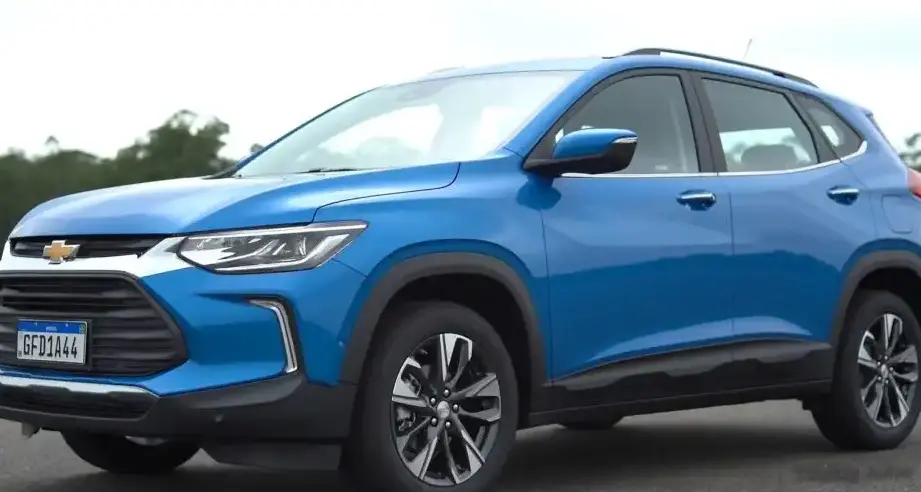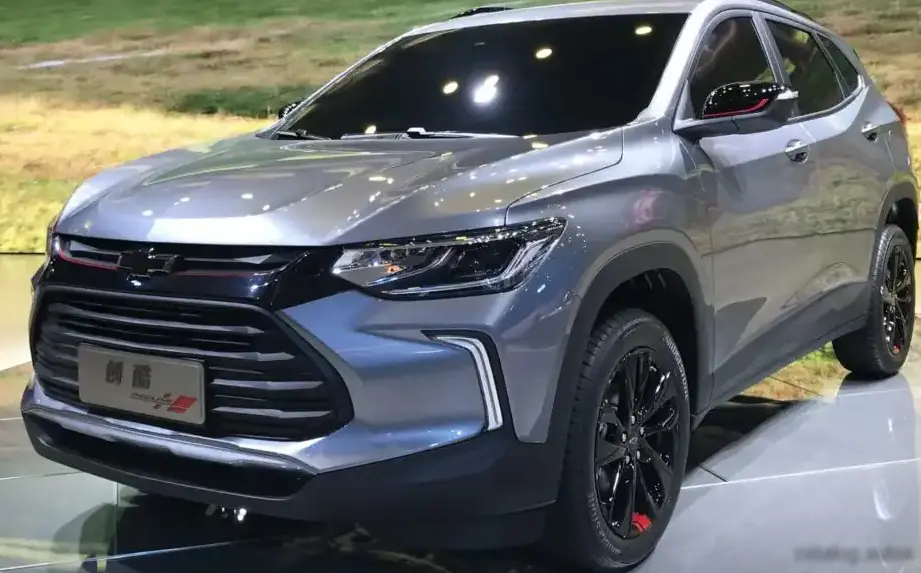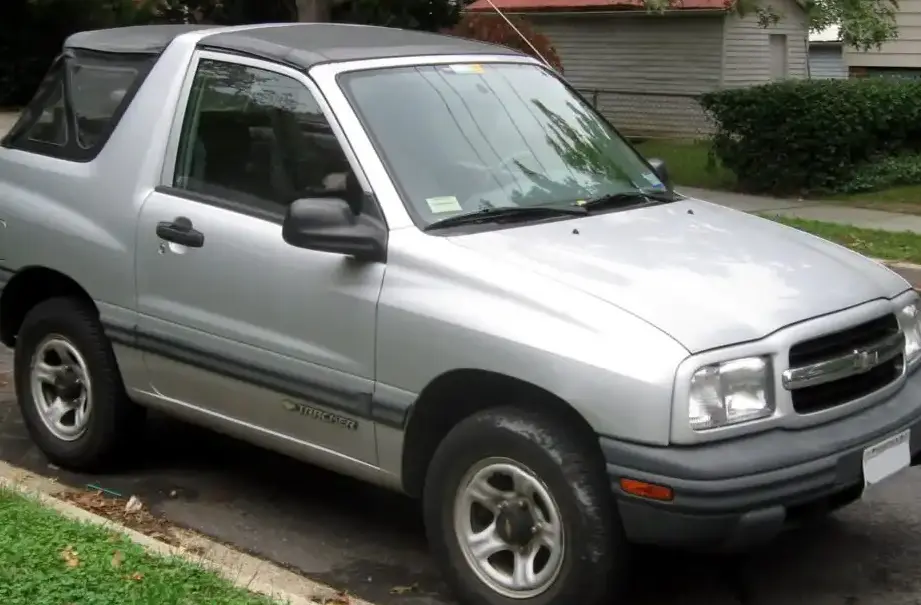
The Chevrolet Tracker Convertible II, specifically the 1.6 i 16V 4WD variant producing 97 horsepower, was a unique offering in the small SUV segment. Produced from 1998 to 2004, this model represented a relatively niche vehicle, primarily sold in select markets including Latin America and, to a lesser extent, North America. It was built upon the GM S-10/T-Series pickup truck platform, sharing many components with its more utilitarian sibling, but distinguished itself with a convertible top and a more car-like focus. This particular 1.6L engine and four-wheel-drive configuration positioned itself as an entry-level option within the Tracker Convertible II lineup, appealing to buyers seeking affordability and all-weather capability in a compact package.
Technical Specifications
| Brand | Chevrolet |
| Model | Tracker |
| Generation | Tracker Convertible II |
| Type (Engine) | 1.6 i 16V 4WD (97 Hp) |
| Start of production | 1998 year |
| End of production | 2004 year |
| Powertrain Architecture | Internal Combustion engine |
| Body type | SUV |
| Seats | 5 |
| Doors | 3 |
| Fuel consumption (urban) | 14 l/100 km (16.8 US mpg, 20.2 UK mpg, 7.1 km/l) |
| Fuel consumption (extra urban) | 8 l/100 km (29.4 US mpg, 35.3 UK mpg, 12.5 km/l) |
| Fuel Type | Petrol (Gasoline) |
| Maximum speed | 150 km/h (93.21 mph) |
| Weight-to-power ratio | 12.7 kg/Hp, 78.5 Hp/tonne |
| Weight-to-torque ratio | 9.3 kg/Nm, 107.7 Nm/tonne |
| Power | 97 Hp @ 5600 rpm |
| Power per litre | 61 Hp/l |
| Torque | 133 Nm @ 4000 rpm (98.1 lb.-ft. @ 4000 rpm) |
| Engine layout | Front, Longitudinal |
| Engine Model/Code | L01 |
| Engine displacement | 1590 cm3 (97.03 cu. in.) |
| Number of cylinders | 4 |
| Engine configuration | Inline |
| Cylinder Bore | 75 mm (2.95 in.) |
| Piston Stroke | 90 mm (3.54 in.) |
| Compression ratio | 9.5:1 |
| Number of valves per cylinder | 4 |
| Fuel injection system | Multi-port manifold injection |
| Engine aspiration | Naturally aspirated engine |
| Valvetrain | OHC |
| Engine oil capacity | 4.2 l (4.44 US qt | 3.7 UK qt) |
| Coolant | 5.5 l (5.81 US qt | 4.84 UK qt) |
| Kerb Weight | 1235 kg (2722.71 lbs.) |
| Trunk (boot) space – minimum | 290 l (10.24 cu. ft.) |
| Trunk (boot) space – maximum | 680 l (24.01 cu. ft.) |
| Fuel tank capacity | 56 l (14.79 US gal | 12.32 UK gal) |
| Length | 3650 mm (143.7 in.) |
| Width | 1630 mm (64.17 in.) |
| Height | 1650 mm (64.96 in.) |
| Wheelbase | 2200 mm (86.61 in.) |
| Front track | 1390 mm (54.72 in.) |
| Rear (Back) track | 1400 mm (55.12 in.) |
| Drive wheel | All wheel drive (4×4) |
| Number of gears and type of gearbox | 5 gears, manual transmission |
| Front suspension | Spring Strut |
| Rear suspension | Coil spring |
| Front brakes | Ventilated discs |
| Rear brakes | Drum |
| Assisting systems | ABS (Anti-lock braking system) |
| Steering type | Worm-reduction unit |
| Power steering | Hydraulic Steering |
| Tires size | 195/75 R15 |
Powertrain & Engine Architecture
The heart of this Tracker Convertible II variant is the Chevrolet L01 engine, a 1.6-liter inline-four cylinder gasoline engine. This engine, a member of the GM Small Block family, utilizes a single overhead camshaft (OHC) design and multi-port fuel injection. The L01 engine produced 97 horsepower at 5600 rpm and 133 Nm (98.1 lb-ft) of torque at 4000 rpm. The engine’s relatively modest output was typical for entry-level SUVs of the era. The engine featured a compression ratio of 9.5:1. The five-speed manual transmission was the standard offering, providing a balance between fuel efficiency and drivability. The engine is longitudinally mounted, a configuration inherited from the S-10 pickup truck platform.
Driving Characteristics
The 1.6L engine, paired with the five-speed manual transmission, provided adequate, but not exhilarating, performance. Acceleration was leisurely, and highway passing required careful planning. The four-wheel-drive system offered enhanced traction in inclement weather and on loose surfaces, making it a practical choice for regions with challenging road conditions. The manual transmission allowed for greater driver control, but the relatively low horsepower meant frequent gear changes were necessary to maintain momentum, especially when climbing hills or carrying a full load. Compared to potential higher-output engine options (which were not commonly available in the convertible version), this variant prioritized fuel economy and affordability over outright performance.
Equipment & Trim Levels
The 1.6L 4WD Tracker Convertible II was generally equipped with basic features. Standard equipment typically included manual windows and locks, a basic audio system, and cloth upholstery. Air conditioning was often an optional extra. The interior was functional and durable, reflecting the vehicle’s utilitarian roots. The convertible top was manually operated. Trim levels were relatively limited, with most models offering a similar level of standard equipment. Optional extras could include upgraded audio systems, alloy wheels, and power accessories.
Chassis & Braking
The Tracker Convertible II utilized a body-on-frame construction, providing a robust and durable chassis. The front suspension consisted of a spring strut setup, while the rear employed a coil spring arrangement. This suspension configuration offered a reasonable ride quality, although it was not as refined as more modern independent suspension systems. The braking system featured ventilated discs at the front and drum brakes at the rear. Anti-lock braking system (ABS) was included as a standard safety feature. The steering system was a worm-reduction unit with hydraulic power assistance.
Market Reception & Comparison
The Chevrolet Tracker Convertible II, particularly the 1.6L 4WD variant, received mixed reviews. Critics generally praised its affordability, practicality, and all-weather capability. However, the engine’s modest power output and the vehicle’s somewhat basic interior were often cited as drawbacks. Compared to other small SUVs of the time, such as the Suzuki Vitara or the Honda CR-V, the Tracker offered a more rugged and utilitarian appeal. Fuel economy was reasonable for its class, averaging around 20-30 mpg depending on driving conditions. Reliability was generally good, although the vehicle’s age and potential for rust were concerns in some regions.
Legacy
The Chevrolet Tracker Convertible II, while not a mainstream success, holds a unique place in automotive history as one of the few convertible SUVs ever produced. The 1.6L 4WD variant, in particular, represents an affordable and practical entry point into the world of open-top SUVs. Today, these vehicles are relatively rare and are sought after by collectors and enthusiasts. The L01 engine, while not known for its high performance, is generally considered to be a reliable and durable powerplant. Parts availability can be a challenge, but many components are shared with other GM vehicles of the era. The Tracker Convertible II remains a testament to Chevrolet’s willingness to experiment with unconventional vehicle designs.