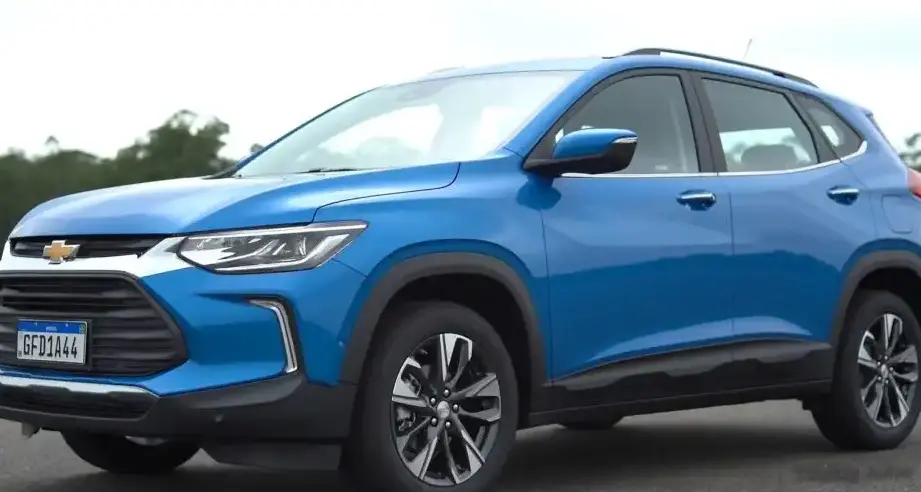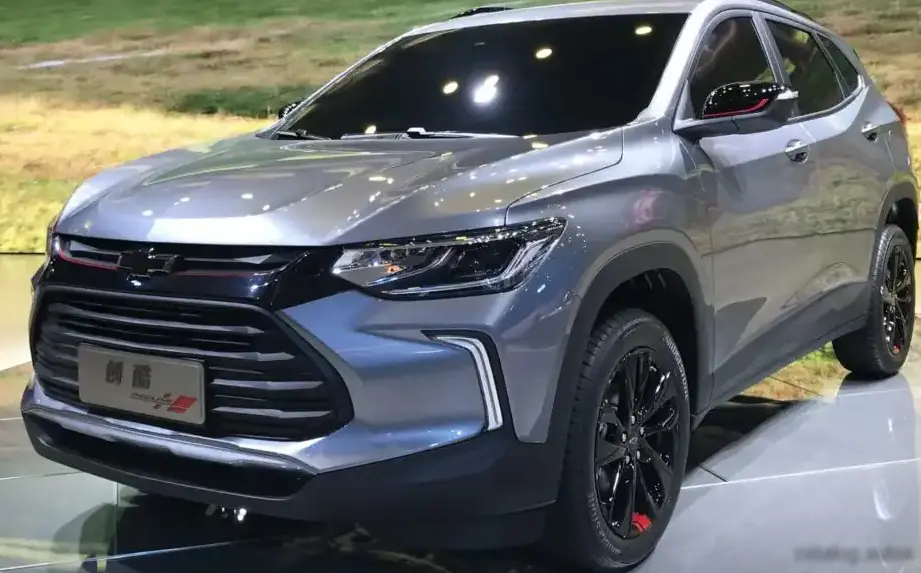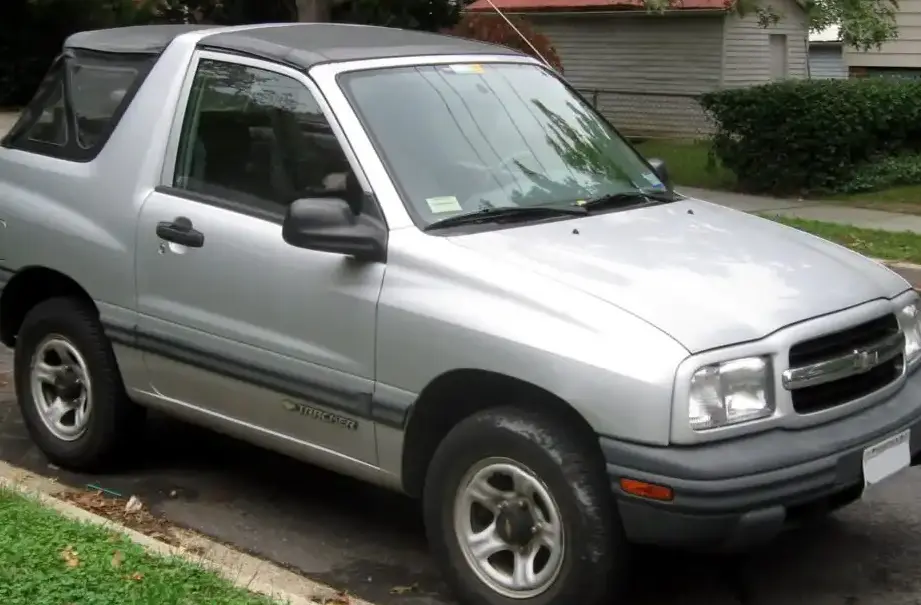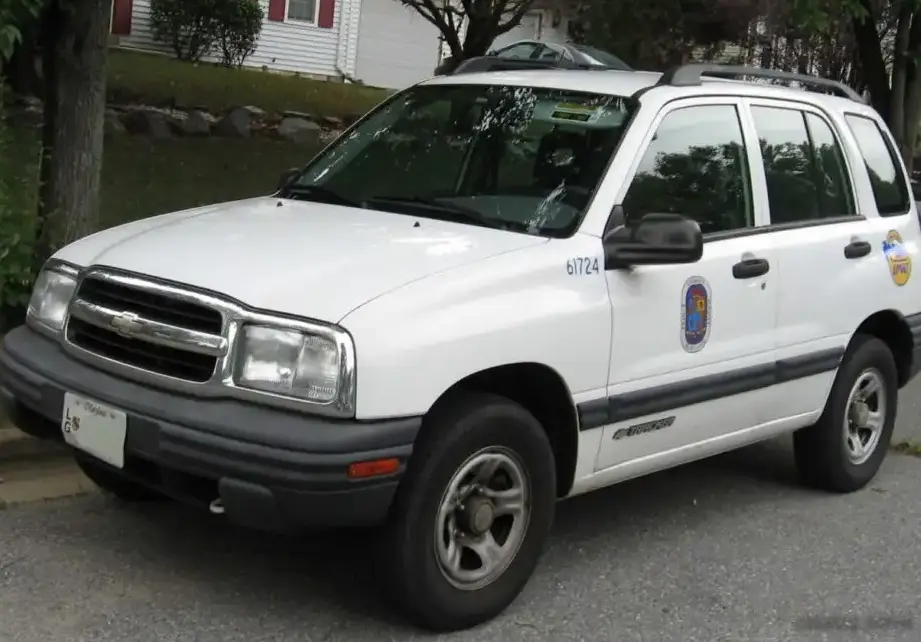
The Chevrolet Tracker II 1.6 i 16V (97 hp) was a compact sport utility vehicle (SUV) produced from 1998 to 2002. Positioned as an entry-level offering within the Tracker II range, it represented a more affordable and fuel-conscious alternative to the higher-powered variants. The Tracker II, internally designated as the GM4100 series, was a significant update to the original Tracker, offering improved refinement and a more modern design. This particular variant was primarily sold in Latin American markets, where it found a niche among buyers seeking a practical and economical SUV. It was built on a body-on-frame chassis, a design choice that prioritized durability and off-road capability over on-road comfort.
Technical Specifications
| Brand | Chevrolet |
| Model | Tracker |
| Generation | Tracker II |
| Type (Engine) | 1.6 i 16V (97 Hp) |
| Start of production | 1998 |
| End of production | 2002 |
| Powertrain Architecture | Internal Combustion engine |
| Body type | SUV |
| Seats | 5 |
| Doors | 5 |
| Fuel consumption (urban) | 14 l/100 km (16.8 US mpg) |
| Fuel consumption (extra urban) | 8 l/100 km (29.4 US mpg) |
| Fuel Type | Petrol (Gasoline) |
| Acceleration 0 – 100 km/h | 11.5 sec |
| Acceleration 0 – 62 mph | 11.5 sec |
| Acceleration 0 – 60 mph | 10.9 sec |
| Maximum speed | 150 km/h (93.21 mph) |
| Weight-to-power ratio | 12.8 kg/Hp |
| Weight-to-torque ratio | 9.4 kg/Nm |
| Power | 97 Hp @ 5600 rpm |
| Power per litre | 61 Hp/l |
| Torque | 133 Nm @ 4000 rpm (98.1 lb.-ft. @ 4000 rpm) |
| Engine layout | Front, Longitudinal |
| Engine Model/Code | L01 |
| Engine displacement | 1590 cm3 (97.03 cu. in.) |
| Number of cylinders | 4 |
| Engine configuration | Inline |
| Cylinder Bore | 75 mm (2.95 in.) |
| Piston Stroke | 90 mm (3.54 in.) |
| Compression ratio | 9.5:1 |
| Number of valves per cylinder | 4 |
| Fuel injection system | Multi-port manifold injection |
| Engine aspiration | Naturally aspirated engine |
| Valvetrain | OHC |
| Engine oil capacity | 4.2 l (4.44 US qt | 3.7 UK qt) |
| Coolant | 5.5 l (5.81 US qt | 4.84 UK qt) |
| Kerb Weight | 1245 kg (2744.76 lbs.) |
| Max. weight | 1600 kg (3527.4 lbs.) |
| Max load | 355 kg (782.64 lbs.) |
| Trunk (boot) space – minimum | 590 l (20.84 cu. ft.) |
| Trunk (boot) space – maximum | 1300 l (45.91 cu. ft.) |
| Fuel tank capacity | 56 l (14.79 US gal | 12.32 UK gal) |
| Length | 4030 mm (158.66 in.) |
| Width | 1640 mm (64.57 in.) |
| Height | 1670 mm (65.75 in.) |
| Wheelbase | 2480 mm (97.64 in.) |
| Front track | 1390 mm (54.72 in.) |
| Rear (Back) track | 1400 mm (55.12 in.) |
| Drivetrain Architecture | The Internal combustion engine (ICE) drives the rear wheels of the vehicle. |
| Drive wheel | Rear wheel drive |
| Number of gears and type of gearbox | 5 gears, manual transmission |
| Front suspension | Spring Strut |
| Rear suspension | Coil spring |
| Front brakes | Disc |
| Rear brakes | Drum |
| Assisting systems | ABS (Anti-lock braking system) |
| Steering type | Worm-reduction unit |
| Power steering | Hydraulic Steering |
| Tires size | 195/75 R15 |
Powertrain & Engine Architecture
The Chevrolet Tracker II 1.6 i 16V utilized the L01 engine, a 1.6-liter inline-four cylinder gasoline engine. This engine featured a single overhead camshaft (OHC) design and multi-port fuel injection. The 16-valve configuration, with four valves per cylinder, helped to improve breathing and contribute to the engine’s 97 horsepower output at 5600 rpm and 133 Nm (98.1 lb-ft) of torque at 4000 rpm. The engine’s longitudinal mounting was a characteristic of the platform, influencing the drivetrain layout. The five-speed manual transmission was the standard offering for this variant, providing a relatively direct connection between the engine and the rear wheels. The transmission’s gear ratios were tuned for a balance of fuel efficiency and acceptable acceleration, though it wasn’t designed for particularly spirited driving.
Driving Characteristics
The 97 hp engine and five-speed manual transmission combination in the Tracker II delivered modest performance. Acceleration from 0 to 60 mph took approximately 10.9 seconds, and the top speed was limited to around 93 mph. The engine felt somewhat strained when pushed hard, particularly when fully loaded or climbing hills. The rear-wheel-drive configuration provided a more engaging driving experience than front-wheel-drive alternatives, but also required more driver skill in slippery conditions. Compared to other Tracker II variants, such as those equipped with larger engines, this 1.6L version prioritized fuel economy over outright performance. The manual transmission allowed for greater driver control, but the gear ratios were spaced to favor fuel efficiency rather than rapid acceleration.
Equipment & Trim Levels
The 1.6 i 16V Tracker II was typically equipped with basic, yet functional, features. Standard equipment generally included power steering, a basic audio system, and cloth upholstery. Air conditioning was often an optional extra, as were power windows and door locks. The interior design was simple and utilitarian, focusing on durability rather than luxury. Trim levels were often market-specific, but generally, this variant represented the entry point into the Tracker II lineup. Optional extras could include alloy wheels, a sunroof, and upgraded audio systems, but these were rarely specified on the base model.
Chassis & Braking
The Tracker II utilized a body-on-frame construction, providing a robust and durable chassis. The front suspension employed a spring strut setup, while the rear suspension featured coil springs. This suspension configuration offered a reasonable ride quality, though it was not as refined as more modern independent suspension systems. The braking system consisted of disc brakes at the front and drum brakes at the rear. Anti-lock braking system (ABS) was included as a standard safety feature. The rear drum brakes were a cost-saving measure, reflecting the vehicle’s entry-level positioning. Stabilizer bars were typically omitted on this base model to further reduce cost.
Market Reception & Comparison
The Chevrolet Tracker II 1.6 i 16V was generally well-received in markets where affordability and practicality were prioritized. Critics noted its fuel efficiency and ruggedness, but also pointed out its lack of refinement and modest performance. Compared to other Tracker II trims, this variant offered the lowest price of entry, making it attractive to budget-conscious buyers. However, those seeking more power or a more comfortable driving experience often opted for the higher-spec models. Fuel economy was a key selling point, with the 1.6L engine offering a noticeable improvement over the larger displacement options.
Legacy
The Chevrolet Tracker II 1.6 i 16V has developed a reputation for reliability and durability, particularly the L01 engine. While not known for its blistering performance, the powertrain is generally considered to be robust and relatively easy to maintain. In the used car market, these Trackers are often sought after by those looking for an affordable and capable SUV. Parts availability can be a challenge in some regions, but the engine’s simplicity and widespread use in other GM vehicles mean that components are often readily available. The Tracker II 1.6 i 16V remains a viable option for those seeking a basic, dependable, and economical SUV.