
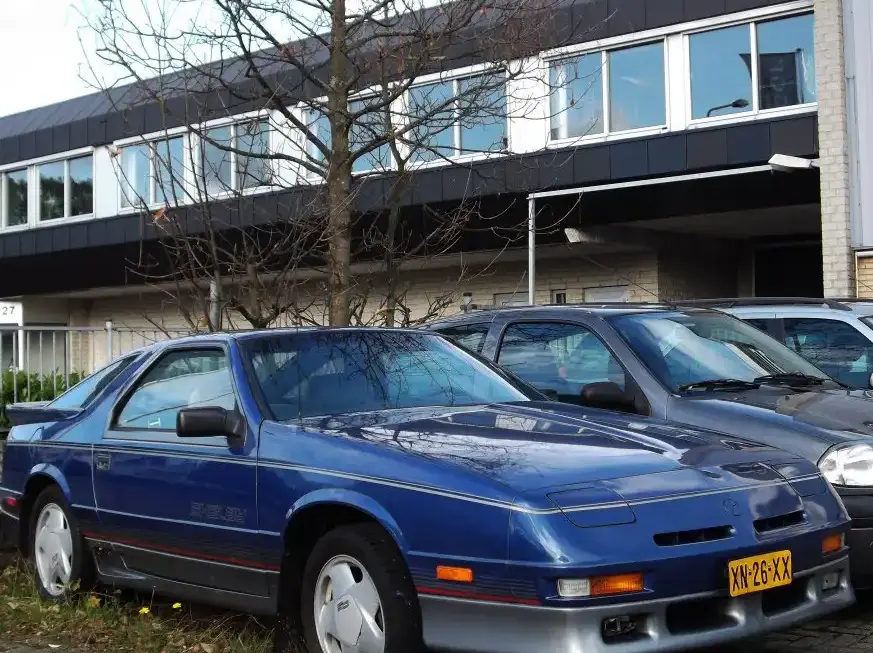
The Chrysler Daytona Shelby Z was a performance-oriented variant of the Chrysler Daytona, produced between 1987 and 1993. It represented a collaborative effort between Chrysler and Carroll Shelby, aiming to recapture the spirit of the original Shelby Daytona race cars. This particular iteration, powered by a turbocharged 2.2-liter inline-four engine producing 177 horsepower, occupied a significant position within the Daytona lineup as the top-tier performance model. It was a direct competitor to other sporty coupes of the era, such as the Ford Mustang GT and Chevrolet Camaro, offering a unique blend of turbocharged power and relatively affordable pricing.
Technical Specifications
| Brand | Chrysler |
| Model | Daytona Shelby Z |
| Generation | Daytona Shelby |
| Engine Type | 2.2L Turbocharged Inline-Four |
| Horsepower | 177 hp |
| Fuel Type | Petrol (Gasoline) |
| Engine Oil Capacity | 3.9 liters (4.12 US qt / 3.43 UK qt) |
| Coolant Capacity | 8.5 liters (8.98 US qt / 7.48 UK qt) |
| Body Type | Coupe |
| Number of Seats | 4 |
| Production Years | 1987-1993 |
Powertrain & Engine Architecture
The heart of the Daytona Shelby Z was the 2.2-liter inline-four cylinder engine, designated as the GDE engine code. This engine featured a Garrett T25 turbocharger with an intercooler, boosting power output significantly beyond the naturally aspirated Daytona models. The engine utilized a multi-port fuel injection system, controlled by a digital engine management system. The cylinder head featured two valves per cylinder (DOHC), contributing to improved breathing and power delivery. The turbocharger provided approximately 8.5 psi of boost. The engine was paired with a three-speed Torqueflite A727 automatic transmission, which was a common and relatively durable unit for Chrysler vehicles of the time. While a five-speed manual transmission was available on some Daytona models, the Shelby Z was exclusively offered with the automatic, geared towards a broader audience seeking ease of use rather than outright track performance.
Driving Characteristics
The Daytona Shelby Z offered a noticeably quicker driving experience compared to the base Daytona models. The turbocharger provided a surge of power in the mid-range, making for brisk acceleration. However, the three-speed automatic transmission limited the engine’s potential, as it lacked the close gear ratios of a manual transmission. The automatic’s shift points were programmed for a balance between performance and fuel economy, which sometimes felt slightly conservative to enthusiasts. The car’s front-wheel-drive layout contributed to some torque steer under hard acceleration. The suspension was tuned for a firmer ride than the standard Daytona, providing better handling and stability, but at the expense of some ride comfort. Steering was responsive, though lacking the feel of more sophisticated steering systems found in European sports cars.
Equipment & Trim Levels
The Daytona Shelby Z was the most well-equipped trim level of the Daytona. Standard features included a unique aerodynamic body kit, including a front air dam, side skirts, and a rear spoiler. The interior featured sport seats with Shelby embroidery, a leather-wrapped steering wheel, and a premium sound system. A gauge cluster with additional instrumentation, including a boost gauge, was also standard. Optional extras included air conditioning, power windows and locks, and a sunroof. The exterior was typically finished in bright red or black, with gold stripes and the Shelby logo prominently displayed. The interior trim was generally dark gray or black, with red accents.
Chassis & Braking
The Daytona Shelby Z utilized a unibody construction, with a MacPherson strut front suspension and a twist-beam rear suspension. The front suspension featured stabilizer bar, while the rear suspension did not. Brakes were power-assisted disc brakes at the front and drum brakes at the rear. The braking system was adequate for street use, but lacked the stopping power of more advanced braking systems found in contemporary sports cars. The tires were typically P205/55R16, providing a good balance of grip and ride comfort. The chassis was reinforced compared to the base Daytona models to handle the increased power output of the turbocharged engine.
Market Reception & Comparison
The Daytona Shelby Z was generally well-received by automotive critics, who praised its performance and styling. However, some critics noted the limitations of the three-speed automatic transmission and the front-wheel-drive layout. Compared to the base Daytona models, the Shelby Z offered a significant performance upgrade, but at a higher price point. Compared to its competitors, such as the Ford Mustang GT and Chevrolet Camaro, the Daytona Shelby Z offered a unique combination of turbocharged power and relatively affordable pricing. The Shelby Z was often seen as a more sophisticated and refined alternative to the more raw and visceral Mustang and Camaro. Fuel economy was rated at around 19 mpg city and 26 mpg highway, which was comparable to other sporty coupes of the era.
Legacy
The Chrysler Daytona Shelby Z remains a popular choice among collectors and enthusiasts of 1980s and 1990s performance cars. The turbocharged 2.2-liter engine is known for its durability and potential for modification. While the three-speed automatic transmission is not ideal for performance enthusiasts, it is relatively reliable and easy to maintain. The car’s unique styling and association with Carroll Shelby contribute to its enduring appeal. Today, well-maintained examples of the Daytona Shelby Z can command a premium price in the used car market. The car represents a unique chapter in Chrysler’s history, showcasing the company’s willingness to experiment with turbocharged technology and collaborate with legendary figures like Carroll Shelby. The Daytona Shelby Z is remembered as a fun-to-drive, affordable, and distinctive sports coupe that offered a compelling alternative to the more mainstream offerings of the era.
