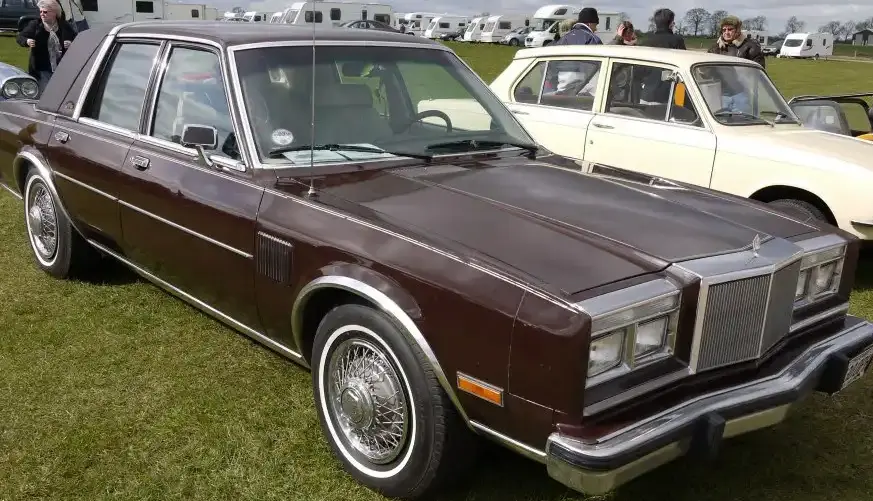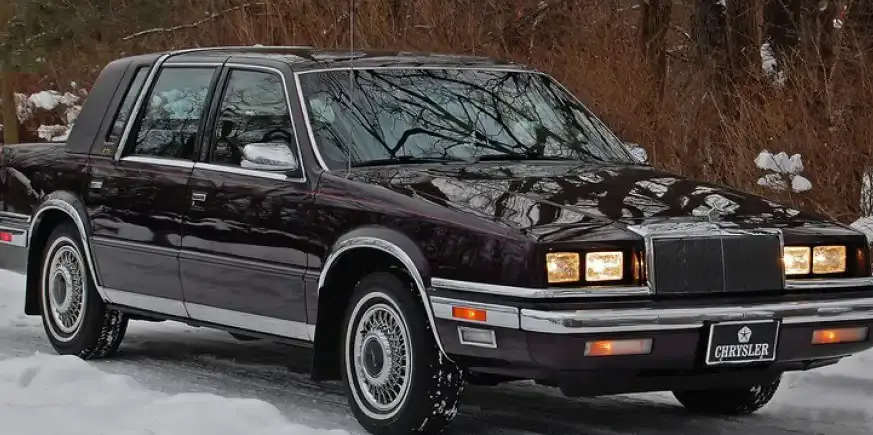
The Chrysler Fifth Avenue II 3.3i, produced between 1990 and 1993, represented a refinement of Chrysler’s full-size luxury sedan. Positioned as a more upscale offering within the Fifth Avenue lineup, the 3.3i variant aimed to provide a comfortable and well-equipped experience, though with a focus on smoothness rather than outright performance. It was built on the Y-body platform, a rear-wheel-drive chassis that dated back to the 1970s, and represented a final evolution of this design before Chrysler shifted towards more modern, front-wheel-drive platforms. The Fifth Avenue II, and particularly the 3.3i, was targeted at buyers seeking a traditional American luxury car experience – spacious, comfortable, and relatively affordable.
Technical Specifications
| Brand | Chrysler |
| Model | Fifth Avenue |
| Generation | Fifth Avenue II |
| Type (Engine) | 3.3i (162 Hp) |
| Start of Production | 1990 |
| End of Production | 1993 |
| Powertrain Architecture | Internal Combustion Engine |
| Body Type | Sedan |
| Seats | 5 |
| Doors | 4 |
| Fuel Type | Petrol (Gasoline) |
| Power | 162 Hp |
| Engine Aspiration | Naturally Aspirated |
| Length | 5044 mm (198.58 in) |
| Width | 1750 mm (68.9 in) |
| Height | 1400 mm (55.12 in) |
| Wheelbase | 2784 mm (109.61 in) |
Powertrain & Engine Architecture
The heart of the Fifth Avenue II 3.3i was the 3.3-liter V6 engine, designated the 3.3L VG. This engine was a 60-degree V6, representing a significant upgrade from the earlier 318 cubic inch (5.2L) V8 that had been offered in previous Fifth Avenue models. The 3.3L VG utilized a multi-port fuel injection system, contributing to improved fuel efficiency and smoother operation compared to carbureted engines. The engine featured a single overhead camshaft (SOHC) design with two valves per cylinder. While not a high-revving engine, it delivered a respectable 162 horsepower and approximately 200 lb-ft of torque. The engine was paired exclusively with a three-speed Torqueflite A727 automatic transmission, a robust and reliable unit known for its durability. This transmission was a staple of Chrysler vehicles for decades and was well-suited to the engine’s torque characteristics. The drivetrain was rear-wheel drive, maintaining the traditional layout favored by many American luxury car buyers.
Driving Characteristics
The 3.3i Fifth Avenue II offered a distinctly comfortable and relaxed driving experience. The automatic transmission, while only having three speeds, was tuned for smooth shifts and effortless cruising. Acceleration was adequate for everyday driving, but the 3.3L V6 wasn’t designed for spirited performance. Zero to sixty mph times were typically in the 9-10 second range. The emphasis was on providing a quiet and refined ride, and the Fifth Avenue II excelled in this regard. The long wheelbase and relatively soft suspension absorbed bumps effectively, providing a comfortable experience even on less-than-perfect road surfaces. Compared to the earlier V8-powered Fifth Avenues, the 3.3i offered slightly improved fuel economy, though it lacked the low-end grunt of the larger engine. The gear ratios of the A727 transmission were optimized for cruising, with a relatively deep first gear for initial acceleration and a tall overdrive gear for highway efficiency.
Equipment & Trim Levels
The Fifth Avenue II 3.3i was generally well-equipped for its price point. Standard features typically included air conditioning, power windows and locks, a tilt steering wheel, and a premium sound system. Upholstery was typically cloth, though leather was available as an option. The dashboard featured a traditional analog gauge cluster with a speedometer, tachometer, and fuel gauge. Optional extras included a sunroof, upgraded sound systems, and a digital instrument cluster. The interior trim was generally conservative and focused on providing a comfortable and luxurious atmosphere. The Fifth Avenue II 3.3i sat in the middle of the Fifth Avenue lineup, offering a step up in refinement and features compared to the base models, but without the full luxury appointments of the higher-end trims.
Chassis & Braking
The Fifth Avenue II utilized a traditional body-on-frame construction, contributing to its substantial weight. The front suspension consisted of an independent torsion bar setup, while the rear suspension employed a solid axle with leaf springs. This configuration prioritized ride comfort over handling precision. Braking duties were handled by power-assisted disc brakes in the front and drum brakes in the rear. While adequate for normal driving conditions, the braking system wasn’t particularly powerful by modern standards. Stabilizer bars were included both front and rear to help reduce body roll during cornering, but the car’s weight and suspension setup meant it wasn’t designed for aggressive driving. The steering was power-assisted, providing light and easy steering effort.
Market Reception & Comparison
The Chrysler Fifth Avenue II 3.3i was generally well-received by critics as a comfortable and affordable luxury sedan. However, it was often criticized for its outdated platform and lack of modern features compared to its competitors, such as the Buick Park Avenue and the Lincoln Continental. Fuel economy was considered average for the time, and the performance was not particularly exciting. Compared to the V8-powered Fifth Avenues, the 3.3i offered slightly better fuel economy and a smoother engine, but it lacked the V8’s raw power. The 3.3i was seen as a good value for buyers who prioritized comfort and space over performance and cutting-edge technology. It appealed to a more mature demographic seeking a traditional American luxury car experience.
Legacy
The Chrysler Fifth Avenue II 3.3i represents the final chapter in the long history of the Y-body platform. While not a groundbreaking vehicle, it provided a comfortable and reliable transportation option for many buyers during its production run. The 3.3L VG engine proved to be a relatively durable and reliable powerplant, and many examples are still on the road today. In the used car market, the Fifth Avenue II 3.3i is often sought after by collectors and enthusiasts who appreciate its classic American styling and comfortable ride. Maintenance is generally straightforward, and parts availability is still reasonably good. However, due to its age, potential buyers should be aware of potential issues with rust, worn suspension components, and aging rubber seals. The Fifth Avenue II 3.3i remains a reminder of a bygone era of American automotive design and engineering.