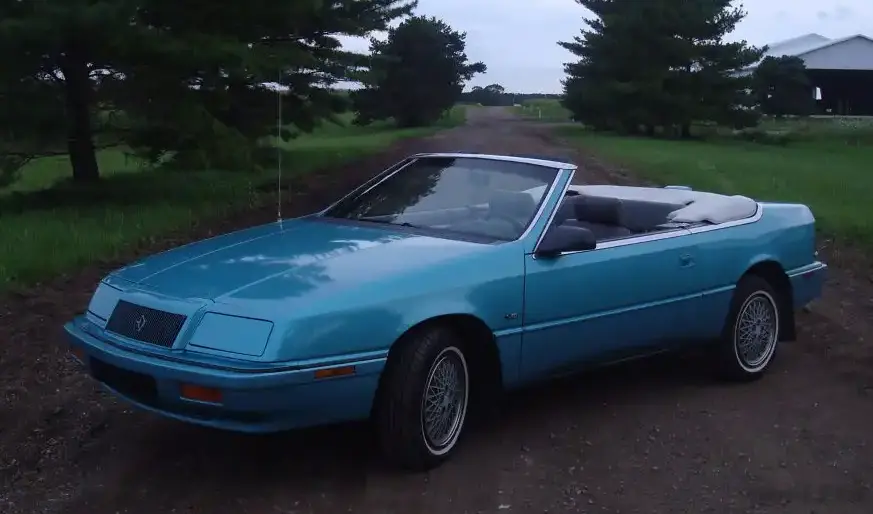
The Chrysler LeBaron 2.2i Turbo, produced between 1986 and 1991, represented a performance-oriented variant within the second generation LeBaron lineup (1982-1995). Positioned as a step up from the base models, the 2.2i Turbo aimed to deliver a more engaging driving experience while maintaining the LeBaron’s reputation for comfortable cruising. This model year falls within the broader ‘M-body’ platform shared with other Chrysler, Dodge, and Plymouth vehicles, but distinguished itself with a turbocharged four-cylinder engine and a focus on sporty aesthetics. The LeBaron, in its various iterations, served as Chrysler’s mid-size offering, competing with vehicles like the Ford Cutlass Supreme and Chevrolet Celebrity.
Technical Specifications
| Brand | Chrysler |
| Model | Le Baron |
| Generation | Le Baron (Second Generation) |
| Type (Engine) | 2.2 i Turbo (177 Hp) |
| Start of Production | 1986 |
| End of Production | 1991 |
| Powertrain Architecture | Internal Combustion Engine |
| Body Type | Sedan |
| Fuel Type | Petrol (Gasoline) |
| Power | 177 Hp |
| Engine Aspiration | Turbocharger |
| Engine Oil Capacity | 3.8 l (4.02 US qt | 3.34 UK qt) |
| Coolant Capacity | 8.5 l (8.98 US qt | 7.48 UK qt) |
Powertrain & Engine Architecture
The heart of the LeBaron 2.2i Turbo was the Chrysler 2.2-liter inline-four cylinder engine, designated as the G22. This engine was a significant departure from the larger, V6 engines often found in American cars of the era. The addition of a Garrett T03 turbocharger and an intercooler boosted output to 177 horsepower, a substantial increase over the naturally aspirated 2.2-liter engine offered in base LeBarons. The engine utilized a multi-point fuel injection system, contributing to improved fuel efficiency and responsiveness. The valvetrain employed a single overhead camshaft (SOHC) design with two valves per cylinder. The turbocharger provided increased air intake, requiring a lower compression ratio (typically around 8.5:1) to prevent pre-ignition. The engine was typically paired with a three-speed Torqueflite A727 automatic transmission, although a five-speed manual transmission was available as a less common option. The A727 was a robust, traditional automatic known for its durability, but not particularly for its fuel efficiency or quick shifts. It was a workhorse transmission, prioritizing reliability over sporty performance.
Driving Characteristics
The LeBaron 2.2i Turbo offered a noticeably different driving experience compared to its naturally aspirated counterparts. The turbocharger provided a surge of power in the mid-range, making overtaking maneuvers easier and more confident. While not a sports car, the turbo LeBaron delivered respectable acceleration for its time, with 0-60 mph times estimated around 8.5-9.5 seconds. The automatic transmission, while reliable, did detract somewhat from the sporty potential of the engine. Gear ratios were optimized for cruising comfort rather than outright performance. Turbo lag was present, a common characteristic of first-generation turbocharger systems, meaning there was a slight delay between pressing the accelerator and feeling the full boost of the turbo. The suspension, while tuned for comfort, was firm enough to handle the increased power without excessive body roll. Steering was power-assisted, providing light and easy maneuverability. The overall driving experience was one of comfortable, relatively quick transportation, leaning more towards grand touring than outright sportiness.
Equipment & Trim Levels
The 2.2i Turbo trim generally included features beyond those found in the base LeBaron models. Standard equipment typically included upgraded cloth upholstery, a premium sound system, power windows and locks, cruise control, and air conditioning. Optional extras included a sunroof, leather upholstery, upgraded wheels, and a more sophisticated sound system with a graphic equalizer. The interior design was typical of the mid-1980s, featuring a functional layout with a focus on ergonomics. Dashboard instrumentation included a speedometer, tachometer, fuel gauge, and temperature gauge. The LeBaron offered a relatively spacious interior for its class, with comfortable seating for five passengers. The exterior styling featured a more aggressive appearance than the base models, often with color-keyed bumpers and trim. The 2.2i Turbo was positioned as a mid-range offering, bridging the gap between the base LeBaron and more luxurious trims.
Chassis & Braking
The LeBaron 2.2i Turbo utilized a traditional body-on-frame construction, common for American cars of the era. The front suspension consisted of independent upper and lower control arms with coil springs and shock absorbers. The rear suspension employed a solid axle with leaf springs. Braking systems varied depending on the year and specific configuration. Early models typically featured front disc brakes and rear drum brakes. Later models often included rear disc brakes as standard equipment. Power steering was standard. Stabilizer bars were included at both the front and rear to reduce body roll during cornering. Tire sizes were typically 205/70R14 or 215/60R15, depending on the wheel size. The chassis setup prioritized ride comfort over handling precision, reflecting the LeBaron’s intended role as a comfortable cruiser.
Market Reception & Comparison
The LeBaron 2.2i Turbo received mixed reviews from automotive critics. While praised for its performance and comfortable ride, some reviewers criticized the turbo lag and the somewhat dated interior design. Compared to the base LeBaron models, the 2.2i Turbo offered a significant performance upgrade, but at a higher price point. Compared to other turbocharged cars of the era, such as the Buick Turbo Regal, the LeBaron offered a more affordable and practical option. Fuel economy was reasonable for a turbocharged car of the 1980s, averaging around 19-22 mpg in city driving and 25-28 mpg on the highway. Reliability was generally good, although the turbocharger system did require more maintenance than a naturally aspirated engine. The 2.2i Turbo appealed to buyers who wanted a comfortable and stylish sedan with a bit of extra performance. It offered a compelling alternative to larger, more expensive turbocharged vehicles.
Legacy
The Chrysler LeBaron 2.2i Turbo holds a modest but notable place in automotive history. It represented Chrysler’s attempt to offer a performance-oriented option in the mid-size sedan segment. While not a high-volume seller, the 2.2i Turbo gained a following among enthusiasts who appreciated its unique combination of comfort, style, and performance. Today, well-maintained examples are becoming increasingly collectible. The 2.2-liter turbo engine, while prone to occasional issues with the turbocharger itself, proved to be relatively durable when properly maintained. Parts availability can be a challenge, but many components are still available through aftermarket suppliers. The LeBaron 2.2i Turbo serves as a reminder of a time when American manufacturers were experimenting with turbocharging technology and offering more engaging driving experiences in their mainstream vehicles. It’s a testament to a period of innovation and a desire to provide American consumers with a more exciting driving experience.