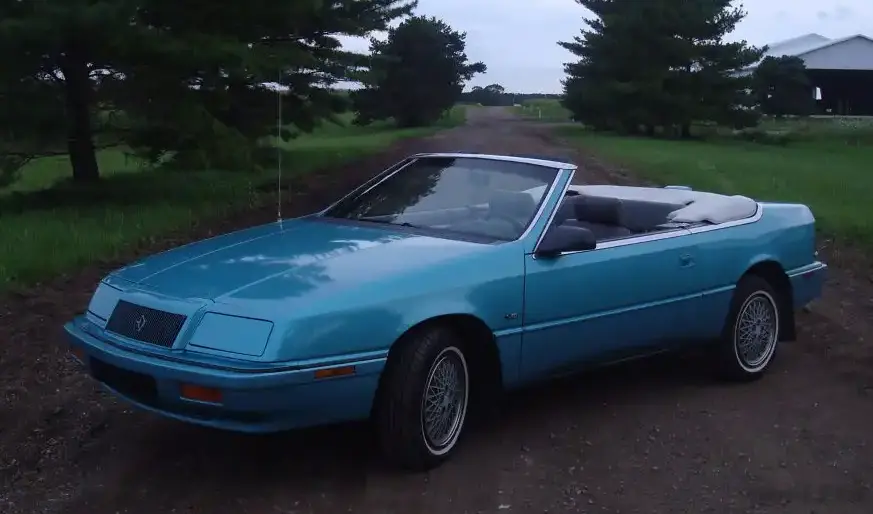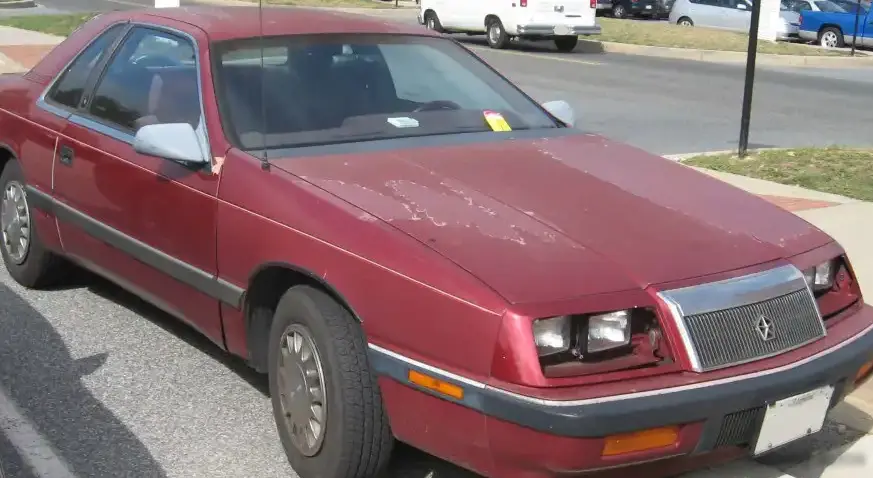
The Chrysler LeBaron Coupe 2.2i Turbo, produced between 1986 and 1990, represented a performance-oriented variant within the second generation of the LeBaron. This coupe, built on the Chrysler K-platform, aimed to offer a more sporting driving experience compared to the standard LeBaron models. Positioned as a step up from the naturally aspirated engines, the 2.2i Turbo appealed to buyers seeking a blend of style, comfort, and respectable power in a relatively affordable package. It was a product of Chrysler’s efforts to revitalize its image and compete in the increasingly competitive mid-size coupe market.
Technical Specifications
| Brand | Chrysler |
| Model | LeBaron |
| Generation | LeBaron Coupe (Second Generation) |
| Type (Engine) | 2.2 i Turbo (177 Hp) |
| Start of Production | 1986 |
| End of Production | 1990 |
| Powertrain Architecture | Internal Combustion Engine |
| Body Type | Coupe |
| Fuel Type | Petrol (Gasoline) |
| Power | 177 Hp |
| Engine Aspiration | Turbocharger |
| Engine Oil Capacity | 3.8 l (4.02 US qt | 3.34 UK qt) |
| Coolant Capacity | 8.5 l (8.98 US qt | 7.48 UK qt) |
Powertrain & Engine Architecture
The heart of the LeBaron Coupe 2.2i Turbo was the Chrysler 2.2-liter inline-four cylinder engine, designated as the G24. This engine was a significant departure from the earlier Chrysler four-cylinder designs, incorporating a number of modern features for the time. The key element, of course, was the turbocharger, a Garrett T03 unit, which boosted power output considerably. The engine utilized a multi-port fuel injection system, controlled by the Chrysler engine control unit (ECU), providing precise fuel delivery for optimal performance and emissions control. The cylinder head featured a single overhead camshaft (SOHC) design operating two valves per cylinder. The turbocharger’s boost was regulated by a wastegate, maintaining a pressure of approximately 8 psi. The engine was typically paired with a three-speed Torqueflite A727 automatic transmission, although a five-speed manual transmission was available as an option, albeit less common. The automatic transmission was known for its smooth operation but wasn’t particularly fuel-efficient by modern standards. The engine code for this variant is often referenced as the G24 Turbo.
Driving Characteristics
The 177 horsepower and 205 lb-ft of torque generated by the turbocharged 2.2-liter engine provided the LeBaron Coupe with noticeably quicker acceleration than its naturally aspirated counterparts. While not a sports car by any means, the turbocharger delivered a surge of power that made merging onto highways and passing other vehicles considerably easier. The three-speed automatic transmission, while smooth, did have relatively wide gear ratios. This meant that the engine could feel somewhat strained at higher speeds, and downshifts weren’t always as prompt as some drivers might prefer. Compared to the 2.5-liter naturally aspirated engine, the turbo version offered a more engaging driving experience, but the manual transmission variant provided the most direct connection to the engine’s power. The turbo lag, a characteristic of early turbocharger systems, was present but generally manageable. The suspension, while tuned for comfort, allowed for reasonably confident handling, though body roll was noticeable during aggressive cornering.
Equipment & Trim Levels
The LeBaron Coupe 2.2i Turbo typically came with a fairly comprehensive list of standard features for the late 1980s. These included power windows, power locks, air conditioning, and a decent sound system. Interior upholstery was generally cloth, although leather options were available. The dashboard featured a straightforward layout with analog gauges. Optional extras included a sunroof, upgraded sound systems (often with cassette players), and cruise control. The Turbo trim level often received unique badging and styling cues, such as a rear spoiler, to differentiate it from the base models. The interior trim was generally well-appointed for its price point, though the materials weren’t necessarily luxurious. The LeBaron Coupe aimed for a balance between comfort and sporty aesthetics.
Chassis & Braking
The LeBaron Coupe utilized a relatively conventional chassis design for the era. It featured a front independent suspension with MacPherson struts and a rear solid axle with leaf springs. The braking system consisted of front disc brakes and rear drum brakes. Power assist was standard. The suspension was tuned for a comfortable ride, prioritizing smoothness over sharp handling. Stabilizer bars were included at both the front and rear to help reduce body roll, but they weren’t particularly substantial. The braking performance was adequate for everyday driving, but the rear drum brakes limited overall stopping power compared to all-disc setups found in some competing vehicles. The tires were typically all-season radials, providing a compromise between grip and longevity.
Market Reception & Comparison
The LeBaron Coupe 2.2i Turbo received mixed reviews from automotive critics. While the turbocharged engine was generally praised for its performance, some reviewers criticized the car’s overall refinement and build quality. Compared to other coupes in its class, such as the Ford Mustang and Chevrolet Camaro, the LeBaron offered a more comfortable ride and a more luxurious interior, but it lacked the same level of sporting prowess. Fuel economy was reasonable for a turbocharged vehicle of the time, averaging around 20-24 mpg in combined driving. Reliability was generally considered to be average, with some owners reporting issues with the turbocharger and fuel injection system. The 2.5-liter naturally aspirated LeBaron coupes were generally considered more reliable, but they lacked the Turbo’s performance. The 2.2i Turbo offered a compelling alternative for buyers who wanted a bit more excitement without sacrificing comfort.
Legacy
The Chrysler LeBaron Coupe 2.2i Turbo, while not a groundbreaking vehicle, holds a certain nostalgic appeal for enthusiasts of 1980s American cars. The turbocharged engine represented a forward-thinking approach to performance, and the car offered a unique blend of style and comfort. Today, well-maintained examples are becoming increasingly collectible. The 2.2-liter turbo engine, while generally reliable, can require specialized maintenance due to its age and complexity. Turbocharger failure and issues with the fuel injection system are common concerns. However, parts availability is generally good, and the car’s relatively simple mechanical design makes it accessible to home mechanics. The LeBaron Coupe 2.2i Turbo remains a reminder of a time when Chrysler was experimenting with new technologies and striving to create vehicles that appealed to a wider range of buyers.