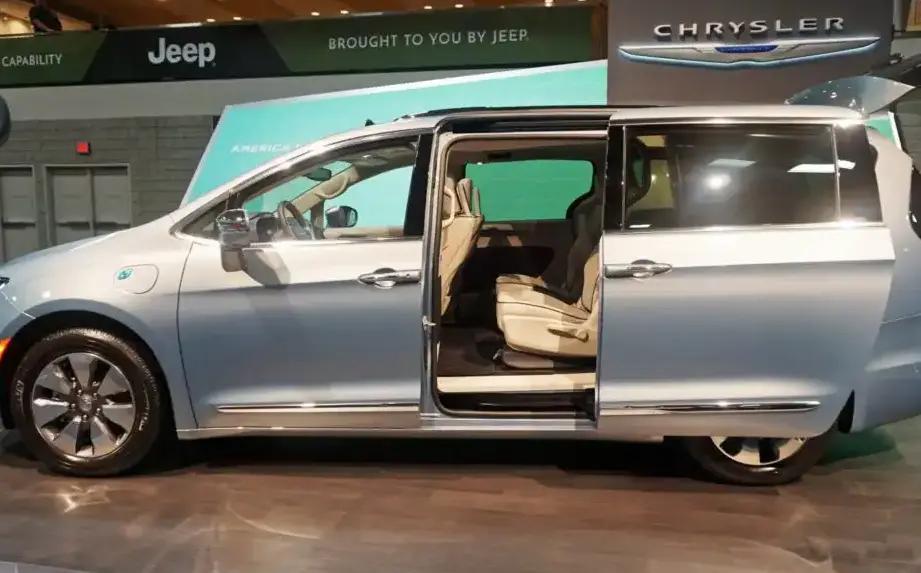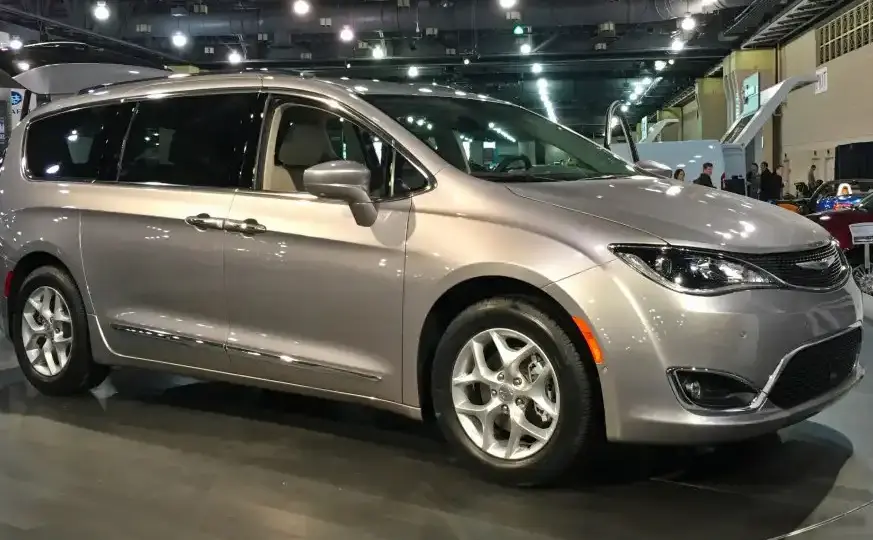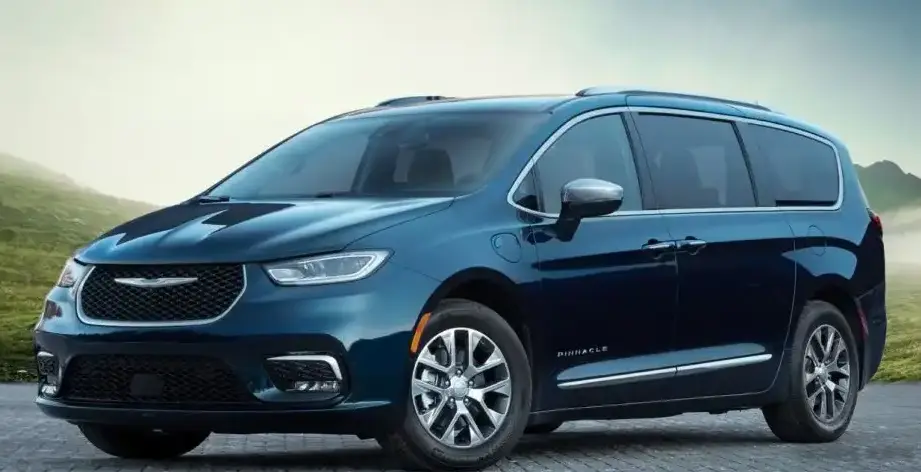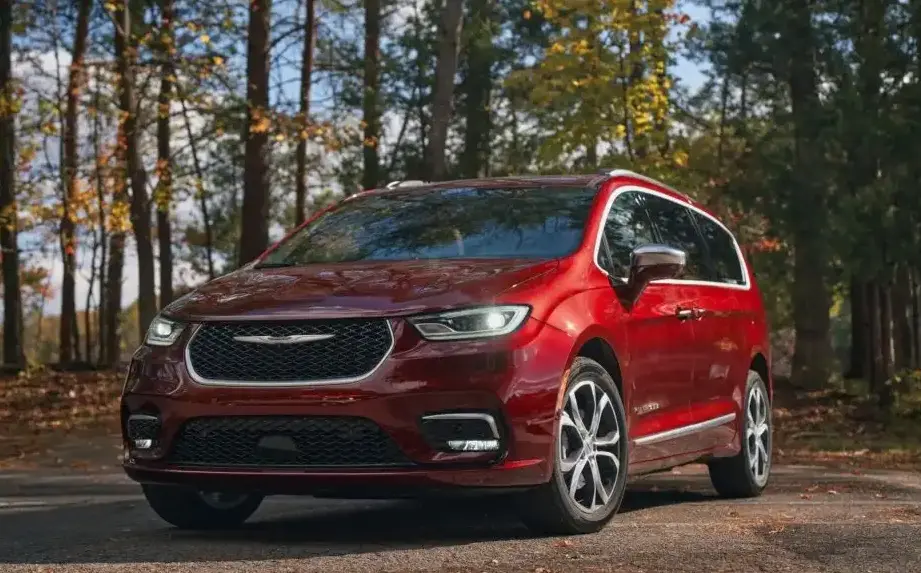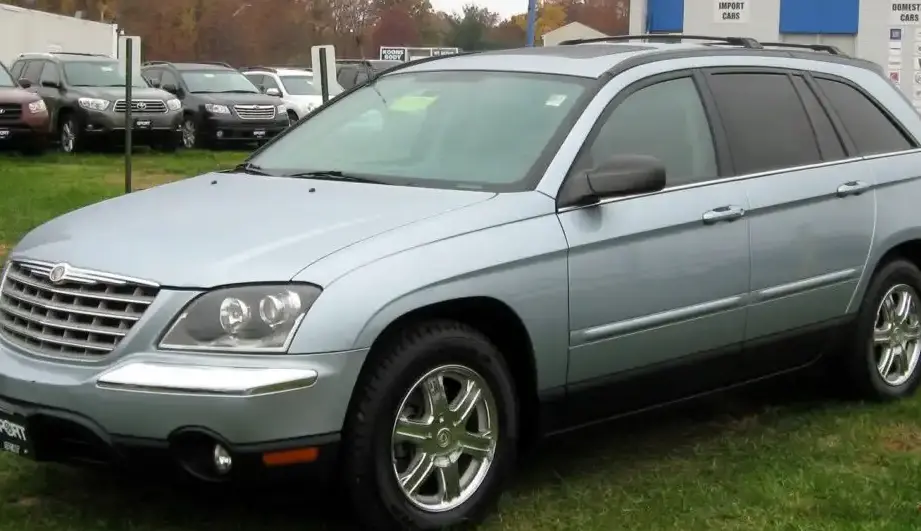
The Chrysler Pacifica 3.5 V6, produced from 2004 to 2008, represented Chrysler’s foray into the burgeoning crossover segment. Positioned as a more stylish and refined alternative to the traditional minivan, the Pacifica aimed to attract families seeking a vehicle with car-like handling and a more upscale interior. This particular variant, equipped with the 3.5-liter V6 engine producing 253 horsepower and paired with a four-speed automatic transmission, served as the primary powertrain option throughout the Pacifica’s production run. It occupied the mid-range position in the lineup, offering a balance of performance and affordability. The Pacifica was built on a modified version of the Chrysler LHS/300M platform, offering front-wheel drive and seating for up to seven passengers.
Technical Specifications
| Brand | Chrysler |
| Model | Pacifica (crossover) |
| Generation | Pacifica |
| Type (Engine) | 3.5 V6 (253 Hp) |
| Start of production | 2004 |
| End of production | 2008 |
| Powertrain Architecture | Internal Combustion engine |
| Body type | Crossover |
| Seats | 7 |
| Doors | 5 |
| Fuel consumption (urban) | 13.8 l/100 km (17 US mpg) |
| Fuel consumption (extra urban) | 10.2 l/100 km (23.1 US mpg) |
| Fuel Type | Petrol (Gasoline) |
| Acceleration 0 – 100 km/h | 10 sec |
| Acceleration 0 – 62 mph | 10 sec |
| Acceleration 0 – 60 mph | 9.5 sec |
| Maximum speed | 190 km/h (118.06 mph) |
| Weight-to-power ratio | 8 kg/Hp |
| Weight-to-torque ratio | 5.9 kg/Nm |
| Power | 253 Hp @ 6400 rpm |
| Torque | 339 Nm @ 3900 rpm (250.03 lb.-ft. @ 3900 rpm) |
| Engine layout | Front, Longitudinal |
| Engine Model/Code | EGJ |
| Engine displacement | 3518 cm3 (214.68 cu. in.) |
| Number of cylinders | 6 |
| Engine configuration | V-engine |
| Cylinder Bore | 96 mm (3.78 in.) |
| Piston Stroke | 81 mm (3.19 in.) |
| Compression ratio | 9.9:1 |
| Number of valves per cylinder | 4 |
| Fuel injection system | Multi-port manifold injection |
| Engine aspiration | Naturally aspirated engine |
| Engine oil capacity | 5.2 l (5.49 US qt | 4.58 UK qt) |
| Coolant capacity | 10.1 l (10.67 US qt | 8.89 UK qt) |
| Kerb Weight | 2015 kg (4442.31 lbs.) |
| Trunk (boot) space – minimum | 369 l (13.03 cu. ft.) |
| Trunk (boot) space – maximum | 2250 l (79.46 cu. ft.) |
| Fuel tank capacity | 87 l (22.98 US gal | 19.14 UK gal) |
| Length | 5052 mm (198.9 in.) |
| Width | 2013 mm (79.25 in.) |
| Height | 1688 mm (66.46 in.) |
| Wheelbase | 2954 mm (116.3 in.) |
| Front track | 1676 mm (65.98 in.) |
| Rear track | 1676 mm (65.98 in.) |
| Drivetrain Architecture | Front wheel drive |
| Number of gears | 4 |
| Gearbox type | automatic transmission |
| Front suspension | Spring Strut |
| Rear suspension | Spring Strut |
| Front brakes | Ventilated discs |
| Rear brakes | Disc |
| Steering type | Steering rack and pinion |
| Power steering | Hydraulic Steering |
| Tires size | 235/65 R17 |
| Wheel rims size | 7.5J x 17 |
Powertrain & Engine Architecture
The heart of the Pacifica 3.5 V6 is the EGJ engine, a 3.5-liter (214.68 cubic inches) naturally aspirated V6. This engine, part of Chrysler’s widely used 3.5L family, features a 60-degree V-angle and utilizes a cast iron block with aluminum cylinder heads. The engine employs multi-port fuel injection, delivering fuel directly into the intake ports, and a single overhead camshaft (SOHC) design with four valves per cylinder. This configuration provides a good balance of power and efficiency. The 253 horsepower and 250 lb-ft of torque were respectable figures for the time, allowing for adequate acceleration and towing capacity. The four-speed automatic transmission, a 42RE unit, was chosen for its smoothness and reliability. While not the most advanced transmission available, it was well-suited to the engine’s power characteristics and provided acceptable shift quality.
Driving Characteristics
The Pacifica 3.5 V6 offered a comfortable and composed driving experience. The four-speed automatic transmission, while lacking the responsiveness of a manual or more modern automatic, provided smooth gear changes. Acceleration from a standstill to 60 mph took around 9.5 seconds, which was competitive for a crossover of its size. The engine delivered adequate power for highway merging and passing maneuvers, but it wasn’t particularly sporty. The front-wheel-drive configuration contributed to predictable handling, although it lacked the all-weather capability of an all-wheel-drive system. Compared to the later, more powerful 4.0-liter V6 option, the 3.5-liter engine felt less strained during acceleration and offered slightly better fuel economy. However, it lacked the outright performance of its larger sibling.
Equipment & Trim Levels
The Pacifica 3.5 V6 typically came standard with features such as air conditioning, power windows and locks, a CD player, and cloth upholstery. Higher trim levels, such as the Premium, added features like leather upholstery, heated front seats, a premium sound system, and alloy wheels. Optional extras included a DVD entertainment system, a sunroof, and a navigation system. The interior design was generally considered upscale for its time, with a focus on comfort and convenience. The spacious cabin provided ample room for passengers and cargo, making it a practical choice for families.
Chassis & Braking
The Pacifica’s chassis utilized an independent front suspension with coil springs and a multi-link rear suspension, also with coil springs. This setup provided a comfortable ride and decent handling characteristics. The front brakes were ventilated discs, while the rear brakes were solid discs. Anti-lock brakes (ABS) were standard, enhancing safety and control during emergency braking situations. The steering was a hydraulic rack-and-pinion system, providing responsive and precise steering feel. The standard tire size was 235/65R17, mounted on 7.5J x 17 inch alloy wheels.
Market Reception & Comparison
The Chrysler Pacifica received mixed reviews from automotive critics. While praised for its stylish design and comfortable interior, it was often criticized for its relatively high price compared to other crossovers and minivans. The 3.5-liter V6 engine was generally considered adequate, but some reviewers felt it lacked the power to fully exploit the vehicle’s potential. Fuel economy was average for its class, with EPA estimates of around 17 mpg in the city and 23 mpg on the highway. Compared to the Toyota Highlander and Honda Pilot, the Pacifica offered a more luxurious interior but lacked the same level of reliability and resale value.
Legacy
The Chrysler Pacifica, despite its relatively short production run, left a lasting impression on the crossover market. It demonstrated that a crossover could offer a blend of style, comfort, and practicality. The 3.5-liter V6 engine and four-speed automatic transmission proved to be generally reliable, although routine maintenance is essential to prevent issues. Today, well-maintained Pacificas can be found on the used car market at affordable prices. While not as popular as some of its competitors, the Pacifica remains a viable option for buyers seeking a spacious and comfortable crossover with a touch of Chrysler’s signature styling.