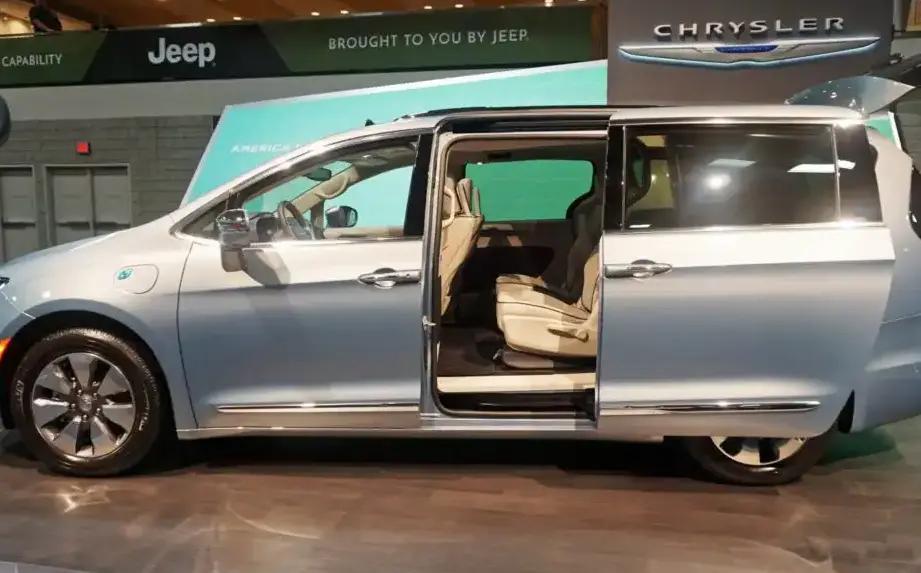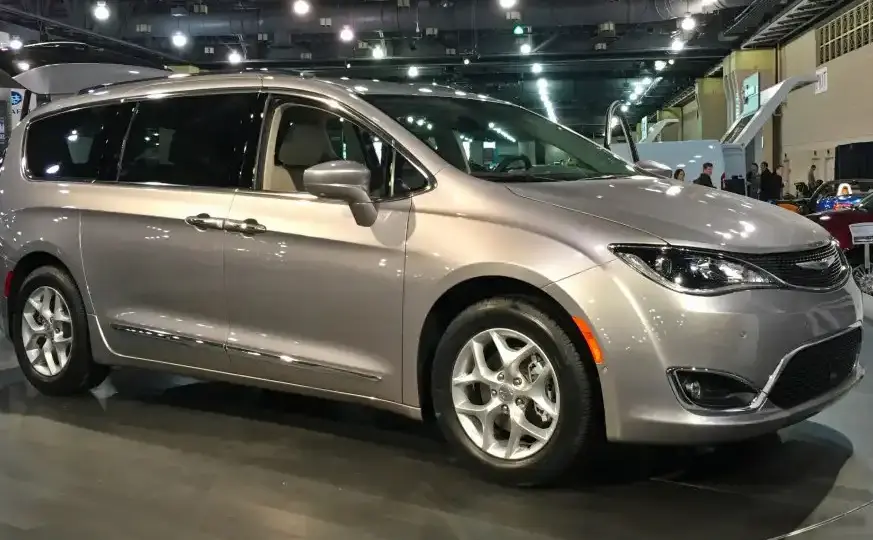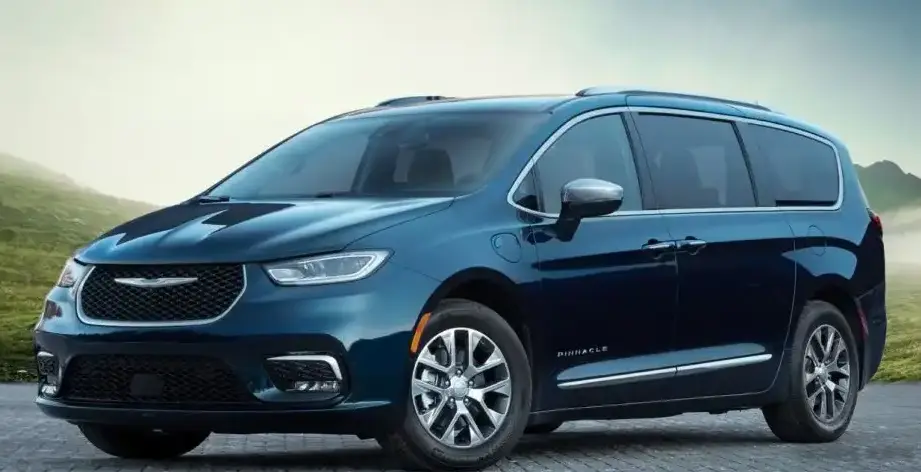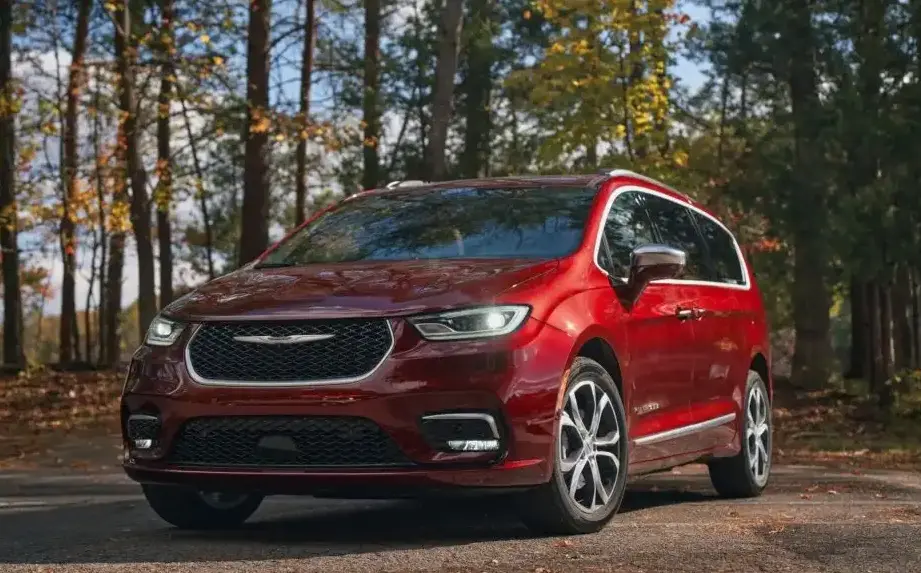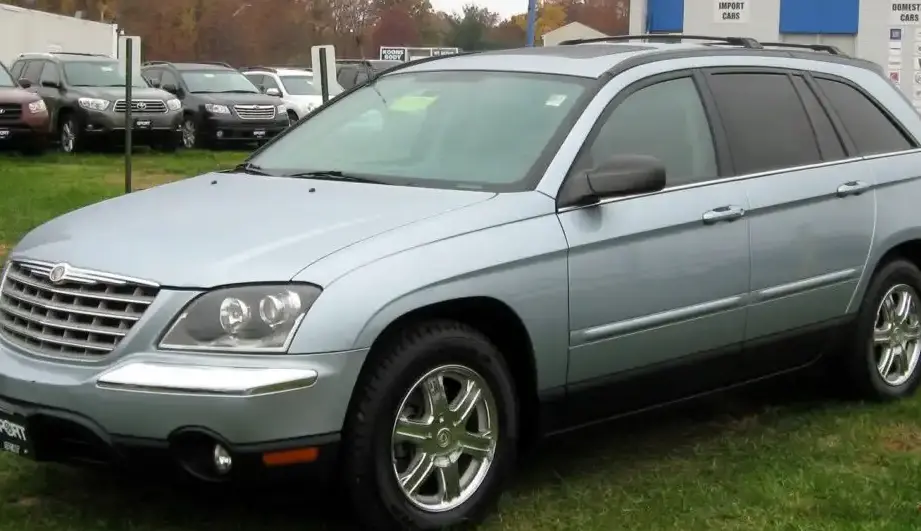
The Chrysler Pacifica, specifically the 3.8 V6 variant producing 218 horsepower, was a crossover SUV manufactured from 2004 to 2008. It represented Chrysler’s attempt to enter the burgeoning crossover market, offering a blend of minivan practicality and SUV styling. Positioned as a mid-range offering within the Pacifica lineup, it slotted between the base 3.8L engine with fewer features and the optional all-wheel-drive configuration. The Pacifica was built on the Chrysler RS platform, sharing components with other Chrysler and Dodge vehicles of the era.
Technical Specifications
| Brand | Chrysler |
| Model | Pacifica (crossover) |
| Generation | Pacifica |
| Type (Engine) | 3.8 V6 (218 Hp) |
| Start of production | 2004 |
| End of production | 2008 |
| Powertrain Architecture | Internal Combustion engine |
| Body type | Crossover |
| Seats | 7 |
| Doors | 5 |
| Fuel consumption (economy) – urban | 13.1 l/100 km (18 US mpg, 21.6 UK mpg, 7.6 km/l) |
| Fuel consumption (economy) – extra urban | 9.4 l/100 km (25 US mpg, 30.1 UK mpg, 10.6 km/l) |
| Fuel Type | Petrol (Gasoline) |
| Acceleration 0 – 100 km/h | 10 sec |
| Acceleration 0 – 62 mph | 10 sec |
| Acceleration 0 – 60 mph | 9.5 sec |
| Weight-to-power ratio | 9.2 kg/Hp, 108.2 Hp/tonne |
| Weight-to-torque ratio | 6.2 kg/Nm, 160.3 Nm/tonne |
| Power | 218 Hp @ 5000 rpm |
| Power per litre | 57.7 Hp/l |
| Torque | 323 Nm @ 4000 rpm (238.23 lb.-ft. @ 4000 rpm) |
| Engine layout | Front, Transverse |
| Engine Model/Code | EGH |
| Engine displacement | 3778 cm3 (230.55 cu. in.) |
| Number of cylinders | 6 |
| Engine configuration | V-engine |
| Number of valves per cylinder | 2 |
| Fuel injection system | Multi-port manifold injection |
| Engine aspiration | Naturally aspirated engine |
| Engine oil capacity | 4.7 l (4.97 US qt | 4.14 UK qt) |
| Coolant | 11.2 l (11.83 US qt | 9.85 UK qt) |
| Kerb Weight | 2015 kg (4442.31 lbs.) |
| Trunk (boot) space – minimum | 369 l (13.03 cu. ft.) |
| Trunk (boot) space – maximum | 2620 l (92.52 cu. ft.) |
| Fuel tank capacity | 87 l (22.98 US gal | 19.14 UK gal) |
| Length | 5052 mm (198.9 in.) |
| Width | 2013 mm (79.25 in.) |
| Height | 1688 mm (66.46 in.) |
| Wheelbase | 2954 mm (116.3 in.) |
| Front track | 1676 mm (65.98 in.) |
| Rear (Back) track | 1676 mm (65.98 in.) |
| Drivetrain Architecture | The Internal combustion engine (ICE) drives the front wheels of the vehicle. |
| Drive wheel | Front wheel drive |
| Front suspension | Spring Strut |
| Rear suspension | Spring Strut |
| Front brakes | Ventilated discs |
| Rear brakes | Disc |
| Assisting systems | ABS (Anti-lock braking system) |
| Steering type | Steering rack and pinion |
| Tires size | 235/65 R17 |
| Wheel rims size | 7.5J x 17 |
Powertrain & Engine Architecture
The heart of this Pacifica variant is the 3.8-liter EGH V6 engine. This engine, a member of Chrysler’s well-established 3.8L family, is a 60-degree V-engine featuring a cast iron block and aluminum cylinder heads. It utilizes a multi-port fuel injection system, delivering fuel directly into the intake ports. The engine is equipped with two valves per cylinder (one intake, one exhaust) and operates with a single overhead camshaft. The 218 horsepower output is achieved through a relatively conservative compression ratio and optimized intake and exhaust manifold designs. Paired with this engine is a four-speed automatic transmission, a common choice for Chrysler vehicles of this era. This transmission, while providing smooth shifts, isn’t known for its fuel efficiency compared to more modern automatic gearboxes. The transmission’s gear ratios are tuned for a balance of acceleration and highway cruising, prioritizing comfort over outright performance.
Driving Characteristics
The 3.8L V6 with the four-speed automatic delivers adequate, but not exhilarating, performance. Acceleration from 0-60 mph takes around 9.5 seconds, making it competitive with other crossovers of its time, but noticeably slower than models equipped with larger engines or manual transmissions. The automatic transmission tends to hunt for gears on inclines, and downshifts aren’t particularly quick. The power delivery is relatively linear, with peak torque available at 4000 rpm. This makes it suitable for everyday driving and hauling passengers, but it lacks the responsiveness desired by drivers seeking a more engaging experience. Compared to a hypothetical Pacifica with a manual transmission, the automatic version sacrifices some performance and fuel economy for ease of use.
Equipment & Trim Levels
The 3.8L V6 Pacifica typically came standard with features like air conditioning, power windows and locks, a CD player, and cloth upholstery. Higher trim levels added features such as leather seats, a sunroof, upgraded audio systems, and alloy wheels. Safety features included ABS brakes and front airbags. Optional extras included a rear entertainment system, navigation system, and power-adjustable pedals. The interior design was generally functional and comfortable, though the materials used were not particularly luxurious. The Pacifica offered a spacious cabin with seating for seven passengers, making it a practical choice for families.
Chassis & Braking
The Pacifica utilizes a front-wheel-drive layout with an independent front suspension featuring MacPherson struts and a multi-link rear suspension. This suspension setup provides a reasonably comfortable ride, absorbing bumps and imperfections in the road. The front brakes are ventilated discs, providing adequate stopping power, while the rear brakes are solid discs. The steering is rack-and-pinion, offering decent feedback and precision. The vehicle’s weight of approximately 4,442 pounds contributes to its stable handling, but also limits its agility. Stabilizer bars are present on both the front and rear axles to reduce body roll during cornering.
Market Reception & Comparison
The Chrysler Pacifica received mixed reviews upon its release. Critics praised its spacious interior and comfortable ride, but criticized its styling, which some found bland and uninspired. The 3.8L V6 engine was considered adequate for most drivers, but lacked the power and refinement of some competitors. Fuel economy was also a concern, with the Pacifica achieving around 18 mpg in the city and 25 mpg on the highway. Compared to other crossovers like the Honda Pilot or Toyota Highlander, the Pacifica offered a more affordable price point but lacked the same level of build quality and reliability. The 1.8L and AWD trims were often seen as more desirable options for those prioritizing fuel efficiency or all-weather capability.
Legacy
The Chrysler Pacifica, while not a runaway success, played a role in Chrysler’s attempt to diversify its lineup and compete in the growing crossover market. The 3.8L V6 engine, while not known for its longevity, is generally reliable if properly maintained. Common issues include oil leaks and sensor failures. Today, the first-generation Pacifica can be found on the used car market at relatively affordable prices. However, potential buyers should be aware of its age and potential maintenance needs. The powertrain, while serviceable, is showing its age and may require significant repairs over time. Despite its shortcomings, the Pacifica remains a practical and spacious vehicle for families on a budget.