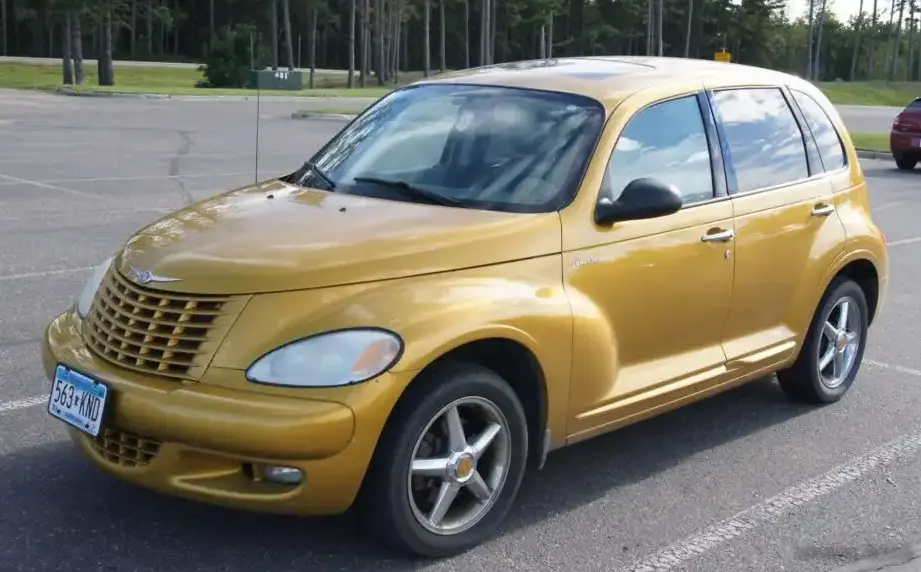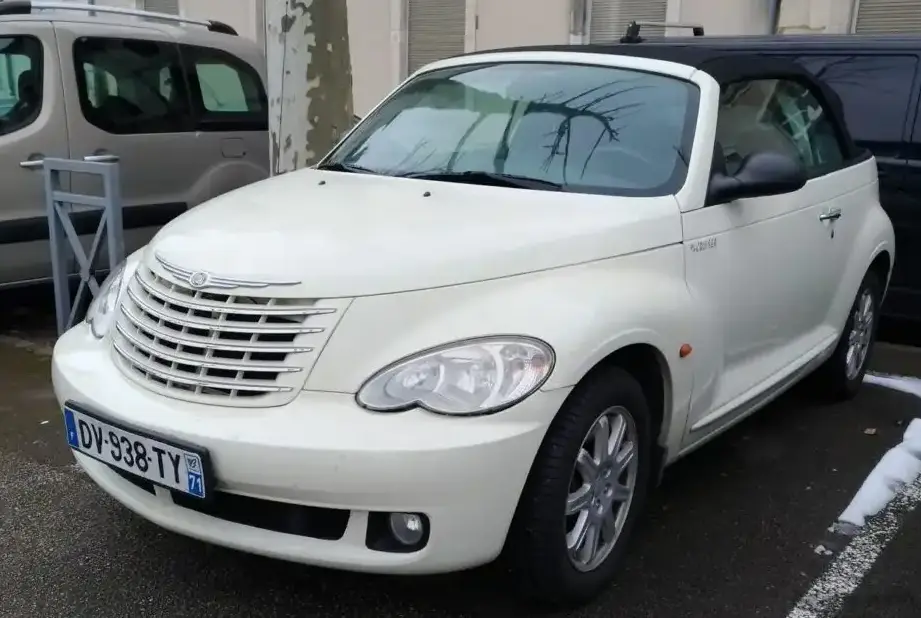
The Chrysler PT Cruiser Cabrio 2.0i 16V, produced from 2004 to 2010, represented a unique offering in the American automotive landscape. Falling within the first generation (2000-2010) of the PT Cruiser, the Cabrio variant aimed to capitalize on the retro styling of the original while offering open-air driving enjoyment. Positioned as a mid-range trim, it provided a more affordable entry point into the PT Cruiser Cabriolet family compared to the higher-spec Turbo models. The PT Cruiser, in general, was designed to evoke the spirit of classic American vehicles of the 1930s and 40s, blending vintage aesthetics with modern engineering. This particular 2.0-liter, 16-valve engine paired with a five-speed manual transmission was a popular configuration, balancing affordability with reasonable performance.
Technical Specifications
| Brand | Chrysler |
| Model | PT Cruiser |
| Generation | PT Cruiser Cabrio |
| Type (Engine) | 2.0 i 16V (136 Hp) |
| Start of production | 2004 |
| End of production | 2010 |
| Powertrain Architecture | Internal Combustion engine |
| Body type | Cabriolet |
| Seats | 4 |
| Doors | 2 |
| Fuel consumption (urban) | 11.7 l/100 km (20.1 US mpg) |
| Fuel consumption (extra urban) | 7.2 l/100 km (32.7 US mpg) |
| Fuel consumption (combined) | 8.9 l/100 km (26.4 US mpg) |
| Fuel Type | Petrol (Gasoline) |
| Acceleration 0 – 100 km/h | 9.7 sec |
| Acceleration 0 – 62 mph | 9.7 sec |
| Acceleration 0 – 60 mph | 9.2 sec |
| Maximum speed | 190 km/h (118.06 mph) |
| Weight-to-power ratio | 11 kg/Hp |
| Weight-to-torque ratio | 8 kg/Nm |
| Power | 136 Hp @ 5500 rpm |
| Torque | 188 Nm @ 4150 rpm (138.66 lb.-ft. @ 4150 rpm) |
| Engine layout | Front, Transverse |
| Engine Model/Code | ECC |
| Engine displacement | 1996 cm3 (121.8 cu. in.) |
| Number of cylinders | 4 |
| Engine configuration | Inline |
| Cylinder Bore | 87.5 mm (3.44 in.) |
| Piston Stroke | 83 mm (3.27 in.) |
| Compression ratio | 9.6:1 |
| Number of valves per cylinder | 4 |
| Fuel injection system | Multi-port manifold injection |
| Engine aspiration | Naturally aspirated |
| Engine oil capacity | 4.3 l (4.54 US qt | 3.78 UK qt) |
| Coolant capacity | 6.2 l (6.55 US qt | 5.46 UK qt) |
| Kerb Weight | 1500 kg (3306.93 lbs.) |
| Max. weight | 1900 kg (4188.78 lbs.) |
| Max load | 400 kg (881.85 lbs.) |
| Trunk (boot) space – maximum | 375 l (13.24 cu. ft.) |
| Fuel tank capacity | 57 l (15.06 US gal | 12.54 UK gal) |
| Length | 4290 mm (168.9 in.) |
| Width | 1705 mm (67.13 in.) |
| Height | 1600 mm (62.99 in.) |
| Wheelbase | 2615 mm (102.95 in.) |
| Front track | 1480 mm (58.27 in.) |
| Rear track | 1480 mm (58.27 in.) |
| Drivetrain Architecture | Front wheel drive |
| Number of gears | 5 gears, manual transmission |
| Front suspension | Spring Strut |
| Rear suspension | Torsion |
| Front brakes | Ventilated discs |
| Rear brakes | Disc |
| Assisting systems | ABS (Anti-lock braking system) |
| Steering type | Steering rack and pinion |
| Tires size | 195/65 R15 |
| Wheel rims size | 6J x 15 |
Powertrain & Engine Architecture
The heart of the PT Cruiser Cabrio 2.0i is the Chrysler ECC engine, a 1.996-liter (121.8 cubic inch) inline-four cylinder powerplant. This engine utilizes a single overhead camshaft (SOHC) design with four valves per cylinder (16V), contributing to its relatively efficient breathing. Fuel delivery is managed by a multi-port fuel injection system, providing precise fuel metering for optimal combustion. The engine’s 9.6:1 compression ratio strikes a balance between performance and fuel economy. The five-speed manual transmission offered with this variant provided drivers with a degree of control over the engine’s powerband. Gear ratios were fairly standard for the class, prioritizing everyday drivability over outright acceleration. The transmission was known for its relatively smooth operation, though not particularly sporty feel.
Driving Characteristics
The 136 horsepower and 188 lb-ft of torque produced by the 2.0-liter engine provided adequate, but not exhilarating, performance in the PT Cruiser Cabrio. Acceleration from 0-60 mph took approximately 9.2 seconds, making it competitive with other small, economy-focused convertibles of the era. The engine felt most comfortable in the mid-range, offering sufficient power for merging onto highways and passing slower traffic. Compared to the turbocharged PT Cruiser models, the 2.0-liter version lacked the immediate punch and overall speed. However, it offered a more linear power delivery and a less stressed engine, potentially contributing to greater long-term reliability. The manual transmission allowed for more driver engagement than the optional automatic, and the gear ratios were well-suited for both city and highway driving.
Equipment & Trim Levels
The PT Cruiser Cabrio 2.0i typically included features such as air conditioning, power windows and locks, and an AM/FM stereo with a CD player. Interior upholstery was generally cloth, with options for upgraded materials available. The dashboard featured a retro-inspired design with large, easy-to-read gauges. Optional extras included a premium sound system, leather upholstery, and a power-operated convertible top. Safety features included dual front airbags and ABS brakes. The Cabriolet trim added a power-folding convertible top, a feature not available on the standard PT Cruiser.
Chassis & Braking
The PT Cruiser Cabrio utilized a front-wheel-drive layout with a MacPherson strut suspension in the front and a torsion beam suspension in the rear. This suspension setup provided a comfortable ride, though it wasn’t particularly sporty. The front brakes were ventilated discs, offering good stopping power, while the rear brakes were solid discs. ABS (Anti-lock Braking System) was standard, enhancing safety during emergency braking situations. The chassis was reinforced to compensate for the lack of a fixed roof, maintaining structural rigidity.
Market Reception & Comparison
The PT Cruiser Cabrio 2.0i was generally well-received by critics as an affordable and stylish convertible. However, some reviewers noted its relatively modest performance and somewhat dated interior. Compared to the turbocharged PT Cruiser models, the 2.0-liter version offered better fuel economy (around 26.4 mpg combined) and potentially greater reliability due to its simpler engine design. It competed with other small convertibles such as the Mazda MX-5 Miata and the Volkswagen New Beetle Cabriolet, but offered a more spacious interior and a unique retro aesthetic.
Legacy
The Chrysler PT Cruiser, including the 2.0i Cabriolet, enjoyed a relatively long production run and achieved considerable sales success. While not known for being a particularly sophisticated vehicle, it offered a distinctive style and a practical interior. The 2.0-liter engine, while not a powerhouse, proved to be reasonably reliable, and well-maintained examples can still be found on the used car market today. However, potential buyers should be aware of potential issues with rust, particularly in areas with harsh winters. The PT Cruiser Cabrio 2.0i remains a popular choice for those seeking a unique and affordable convertible with a retro flair.