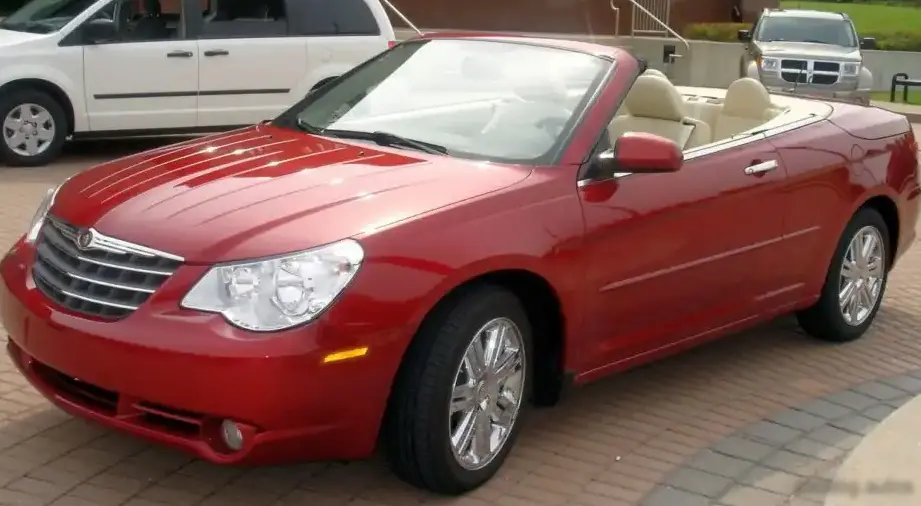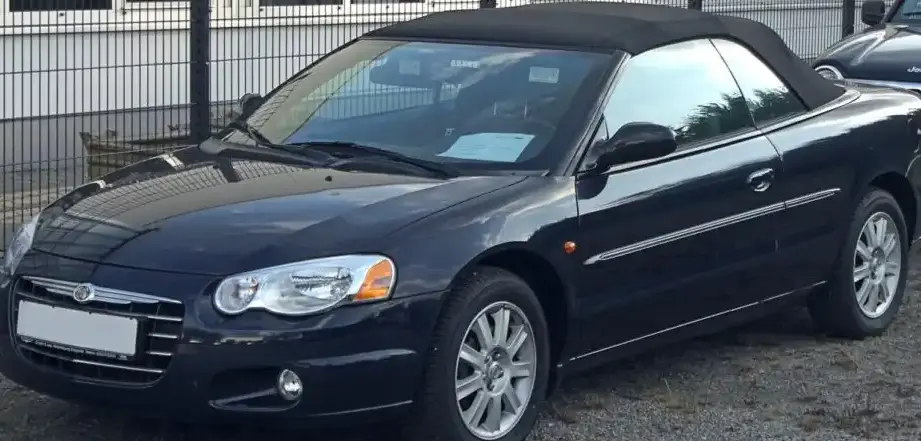
The Chrysler Sebring Convertible (JR) 2.0i 16V, produced from 2000 to 2007, represented a key offering in Chrysler’s attempt to capture a share of the competitive mid-size convertible market. Positioned as a more affordable and accessible option within the Sebring range, the 2.0-liter variant aimed to broaden the car’s appeal beyond the more powerful, and expensive, V6 models. This generation Sebring Convertible, built on the JR platform, was a significant departure from its predecessor, offering a more modern design and improved features. The 2.0i 16V trim served as the entry point into the convertible experience, targeting buyers prioritizing style and open-air driving over outright performance.
Technical Specifications
| Brand | Chrysler |
| Model | Sebring |
| Generation | Sebring Convertible (JR) |
| Type (Engine) | 2.0 i 16V (141 Hp) |
| Start of production | 2000 year |
| End of production | 2007 year |
| Powertrain Architecture | Internal Combustion engine |
| Body type | Cabriolet |
| Seats | 4 |
| Doors | 2 |
| Fuel consumption (urban) | 11.1 l/100 km (21.2 US mpg) |
| Fuel consumption (extra urban) | 6.8 l/100 km (34.6 US mpg) |
| Fuel consumption (combined) | 8.4 l/100 km (28 US mpg) |
| Fuel Type | Petrol (Gasoline) |
| Acceleration 0 – 100 km/h | 12.3 sec |
| Acceleration 0 – 62 mph | 12.3 sec |
| Acceleration 0 – 60 mph | 11.7 sec |
| Maximum speed | 200 km/h (124.27 mph) |
| Weight-to-power ratio | 10.6 kg/Hp |
| Weight-to-torque ratio | 8 kg/Nm |
| Power | 141 Hp @ 6000 rpm |
| Torque | 188 Nm @ 4350 rpm (138.66 lb.-ft. @ 4350 rpm) |
| Engine layout | Front, Transverse |
| Engine Model/Code | ECC |
| Engine displacement | 1996 cm3 (121.8 cu. in.) |
| Number of cylinders | 4 |
| Engine configuration | Inline |
| Cylinder Bore | 87.5 mm (3.44 in.) |
| Piston Stroke | 83 mm (3.27 in.) |
| Compression ratio | 9.6:1 |
| Number of valves per cylinder | 4 |
| Fuel injection system | Multi-port manifold injection |
| Engine aspiration | Naturally aspirated engine |
| Valvetrain | DOHC |
| Engine oil capacity | 4.3 l (4.54 US qt | 3.78 UK qt) |
| Coolant capacity | 7.5 l (7.93 US qt | 6.6 UK qt) |
| Kerb Weight | 1500 kg (3306.93 lbs.) |
| Max. weight | 1990 kg (4387.2 lbs.) |
| Max load | 490 kg (1080.27 lbs.) |
| Trunk (boot) space – minimum | 320 l (11.3 cu. ft.) |
| Fuel tank capacity | 65 l (17.17 US gal | 14.3 UK gal) |
| Length | 4920 mm (193.7 in.) |
| Width | 1760 mm (69.29 in.) |
| Height | 1790 mm (70.47 in.) |
| Wheelbase | 2690 mm (105.91 in.) |
| Front track | 1530 mm (60.24 in.) |
| Rear (Back) track | 1530 mm (60.24 in.) |
| Drivetrain Architecture | Front wheel drive |
| Number of gears | 5 gears, manual transmission |
| Front suspension | Double wishbone |
| Rear suspension | Coil spring |
| Front brakes | Ventilated discs |
| Rear brakes | Disc |
| Assisting systems | ABS (Anti-lock braking system) |
| Steering type | Steering rack and pinion |
| Power steering | Hydraulic Steering |
| Tires size | 205/60 R16 |
Introduction
The Chrysler Sebring Convertible (JR) 2.0i 16V, manufactured between 2000 and 2007, was a key component of Chrysler’s strategy to revitalize the Sebring nameplate. This generation marked a significant shift towards a more contemporary design and a greater emphasis on features and comfort. The 2.0-liter engine option, while not the performance leader of the range, provided a more economical and accessible entry point into the convertible market. It was designed to appeal to buyers who valued the style and enjoyment of a convertible without the higher price tag and running costs associated with the larger V6 engines. The JR platform, shared with the Dodge Stratus Convertible, aimed to provide a solid foundation for a comfortable and enjoyable driving experience.
Powertrain & Engine Architecture
The heart of the Sebring Convertible 2.0i 16V is the Chrysler ECC engine, a 1.996-liter (121.8 cubic inch) inline-four cylinder powerplant. This engine utilizes a multi-port fuel injection system, delivering fuel directly into the intake ports for optimized combustion. The engine features a double overhead camshaft (DOHC) valvetrain, operating four valves per cylinder, which contributes to improved breathing and overall efficiency. The 16-valve configuration, combined with a compression ratio of 9.6:1, allows the engine to produce 141 horsepower at 6000 rpm and 188 Nm (138.66 lb-ft) of torque at 4350 rpm. The engine is transversely mounted in the front of the vehicle, driving the front wheels. The standard transmission for this variant was a 5-speed manual, although an optional 4-speed automatic transmission was also available. The automatic transmission, while offering convenience, did impact acceleration and fuel economy compared to the manual version.
Driving Characteristics
The 2.0-liter Sebring Convertible, particularly when equipped with the 5-speed manual transmission, offered a reasonably engaging driving experience. Acceleration from 0-60 mph took approximately 11.7 seconds, which was adequate for everyday driving but noticeably slower than the V6-powered models. The 4-speed automatic transmission extended this time to around 12.3 seconds. The engine’s torque peak at 4350 rpm meant that drivers needed to keep the engine revving to maintain momentum, especially when climbing hills or overtaking. The suspension, tuned for comfort, provided a relatively smooth ride, but handling was not particularly sporty. Steering was light and responsive, making it easy to maneuver in urban environments. The overall driving experience was geared towards relaxed cruising and enjoying the open-air sensation rather than spirited performance.
Equipment & Trim Levels
The 2.0i 16V Sebring Convertible typically came standard with features such as air conditioning, power windows and locks, and an AM/FM stereo. Interior upholstery was generally cloth, with optional leather available as an upgrade. The dashboard layout was functional and straightforward, with easy-to-read gauges. Optional extras included a premium sound system, alloy wheels, and a power-operated convertible top. The trim level was generally considered the base model, offering a good value proposition for buyers seeking an affordable convertible. Higher trim levels, typically equipped with the V6 engine, offered more luxurious features such as leather seats, automatic climate control, and upgraded audio systems.
Chassis & Braking
The Sebring Convertible JR utilized a front-engine, front-wheel-drive layout. The front suspension employed a double wishbone design, while the rear suspension featured coil springs. This configuration aimed to provide a balance between ride comfort and handling stability. Braking duties were handled by ventilated discs at the front and solid discs at the rear. An anti-lock braking system (ABS) was standard, enhancing safety and control during emergency braking situations. The steering system was a rack-and-pinion setup with hydraulic power assistance, providing responsive and precise steering feel. The standard tire size was 205/60 R16, offering a good compromise between grip and ride comfort.
Market Reception & Comparison
The 2.0-liter Sebring Convertible received mixed reviews from automotive critics. While praised for its stylish design and affordable price point, it was often criticized for its lack of performance compared to the V6 models. Fuel economy was generally considered acceptable, with combined fuel consumption averaging around 28 US mpg. Reliability was generally good, although some owners reported issues with the convertible top mechanism and minor electrical problems. Compared to competitors such as the Mazda Miata and the Volkswagen Cabrio, the Sebring offered more interior space and a more comfortable ride, but lacked the sporty handling characteristics of the Miata. The V6-powered Sebring offered significantly more performance but came at a higher price.
Legacy
The Chrysler Sebring Convertible 2.0i 16V, while not a high-performance machine, remains a popular choice in the used car market for buyers seeking an affordable and stylish convertible. The ECC engine, while not known for its exceptional durability, is generally reliable with proper maintenance. The availability of parts is good, and repair costs are relatively reasonable. The car’s simple design and straightforward mechanics make it relatively easy to maintain and repair. Today, the Sebring Convertible 2.0i 16V represents a nostalgic reminder of a time when convertibles were becoming increasingly accessible to a wider range of buyers, offering a taste of open-air freedom without breaking the bank.