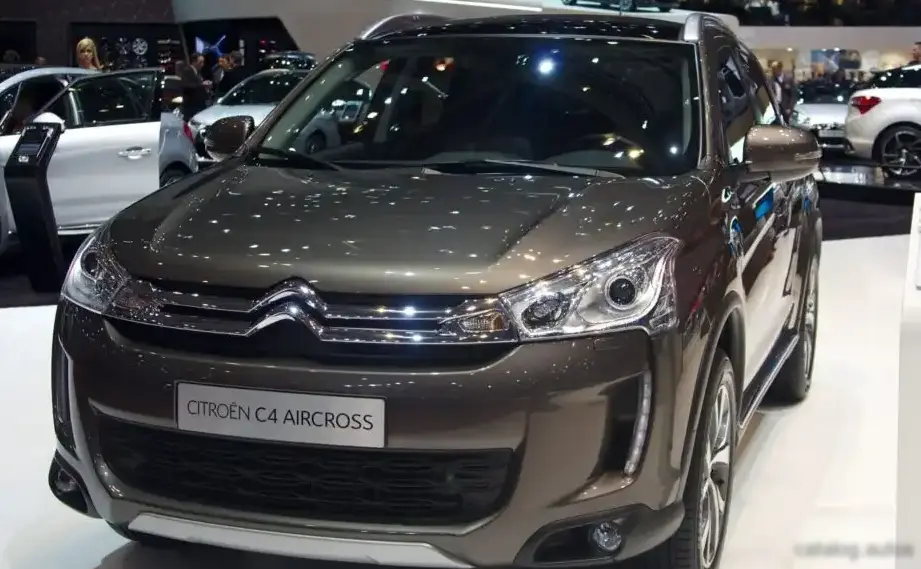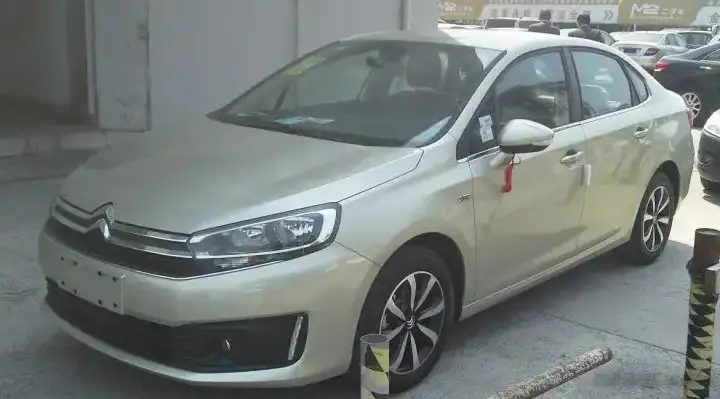
The Citroen C4 I Picasso 2.0i 16V Automatic, produced between 2007 and 2008, represents a mid-range offering within the first generation (Phase I) of Citroen’s popular compact MPV. Positioned as a more comfortable and refined alternative to the base engine options, this variant aimed to appeal to families prioritizing ease of driving and a higher level of equipment. It was a key model in Citroen’s lineup during a period where MPVs were gaining significant traction in the European market, offering a practical and stylish alternative to traditional estate cars and hatchbacks. The C4 Picasso, built on the PSA Group’s Platform 2 (also known as the 1HX0/A3 platform), sought to blend spaciousness, innovative design, and a comfortable driving experience.
Technical Specifications
| Brand | Citroen |
| Model | C4 |
| Generation | C4 I Picasso (Phase I, 2007) |
| Type (Engine) | 2.0i 16V (140 Hp) Automatic |
| Start of production | 2007 |
| End of production | 2008 |
| Powertrain Architecture | Internal Combustion engine |
| Body type | Minivan, MPV |
| Seats | 5 |
| Doors | 5 |
| Fuel consumption (urban) | 12.9 l/100 km (18.2 US mpg, 21.9 UK mpg, 7.8 km/l) |
| Fuel consumption (extra urban) | 6.6 l/100 km (35.6 US mpg, 42.8 UK mpg, 15.2 km/l) |
| Fuel consumption (combined) | 8.9 l/100 km (26.4 US mpg, 31.7 UK mpg, 11.2 km/l) |
| CO2 emissions | 211 g/km |
| Fuel Type | Petrol (Gasoline) |
| Acceleration 0 – 100 km/h | 13.7 sec |
| Acceleration 0 – 62 mph | 13.7 sec |
| Acceleration 0 – 60 mph | 13 sec |
| Maximum speed | 190 km/h (118.06 mph) |
| Emission standard | Euro 4 |
| Weight-to-power ratio | 11.1 kg/Hp, 90.2 Hp/tonne |
| Weight-to-torque ratio | 7.8 kg/Nm, 128.9 Nm/tonne |
| Power | 140 Hp @ 6000 rpm |
| Power per litre | 70.1 Hp/l |
| Torque | 200 Nm @ 4000 rpm (147.51 lb.-ft. @ 4000 rpm) |
| Engine layout | Front, Transverse |
| Engine Model/Code | RFJ EW10A |
| Engine displacement | 1997 cm3 (121.86 cu. in.) |
| Number of cylinders | 4 |
| Engine configuration | Inline |
| Cylinder Bore | 85 mm (3.35 in.) |
| Piston Stroke | 88 mm (3.46 in.) |
| Compression ratio | 10.8:1 |
| Number of valves per cylinder | 4 |
| Fuel injection system | Multi-port manifold injection |
| Engine aspiration | Naturally aspirated engine |
| Engine oil capacity | 5 l (5.28 US qt | 4.4 UK qt) |
| Coolant | 6.5 l (6.87 US qt | 5.72 UK qt) |
| Kerb Weight | 1552 kg (3421.57 lbs.) |
| Max. weight | 2090 kg (4607.66 lbs.) |
| Max load | 538 kg (1186.09 lbs.) |
| Trunk (boot) space – minimum | 500 l (17.66 cu. ft.) |
| Trunk (boot) space – maximum | 1734 l (61.24 cu. ft.) |
| Fuel tank capacity | 60 l (15.85 US gal | 13.2 UK gal) |
| Max. roof load | 80 kg (176.37 lbs.) |
| Permitted towbar download | 60 kg (132.28 lbs.) |
| Length | 4470 mm (175.98 in.) |
| Width | 1830 mm (72.05 in.) |
| Width including mirrors | 2100 mm (82.68 in.) |
| Height | 1660-1680 mm (65.35 – 66.14 in.) |
| Wheelbase | 2728 mm (107.4 in.) |
| Front track | 1505 mm (59.25 in.) |
| Rear (Back) track | 1539 mm (60.59 in.) |
| Front overhang | 995 mm (39.17 in.) |
| Rear overhang | 747 mm (29.41 in.) |
| Drag coefficient (Cd) | 0.31 |
| Minimum turning circle | 11.33 m (37.17 ft.) |
| Drivetrain Architecture | The Internal combustion engine (ICE) drives the front wheels of the vehicle. |
| Drive wheel | Front wheel drive |
| Number of gears and type of gearbox | 4 gears, automatic transmission |
| Front suspension | Independent, type McPherson with coil spring and anti-roll bar |
| Rear suspension | Semi-independent, coil spring |
| Front brakes | Ventilated discs |
| Rear brakes | Disc |
| Assisting systems | ABS (Anti-lock braking system) |
| Steering type | Steering rack and pinion |
| Tires size | 215/50 R17 |
| Wheel rims size | 17 |
Powertrain & Engine Architecture
The heart of this C4 Picasso variant is the EW10A engine, a 2.0-liter inline-four cylinder petrol engine. This engine, designated RFJ, is a naturally aspirated unit producing 140 horsepower at 6000 rpm and 200 Nm (147.51 lb-ft) of torque at 4000 rpm. It features a multi-port fuel injection system and a 10.8:1 compression ratio. The EW10A engine is known for its relatively smooth operation and decent reliability, although it isn’t particularly known for being a high-performance unit. Paired with this engine is a four-speed automatic transmission. This transmission, while providing convenience, is a somewhat dated design by modern standards, and contributes to the vehicle’s less-than-stellar acceleration figures. The automatic gearbox was chosen to appeal to buyers who prioritized comfort and ease of use over sporty driving dynamics.
Driving Characteristics
The 2.0i 16V Automatic C4 Picasso delivers a comfortable, if not particularly engaging, driving experience. The four-speed automatic transmission, while smooth, lacks the responsiveness of more modern gearboxes. Acceleration from 0-100 km/h (0-62 mph) takes a leisurely 13.7 seconds, and the top speed is 190 km/h (118 mph). The engine provides adequate power for everyday driving and highway cruising, but feels strained when pushed hard, especially when fully loaded with passengers and luggage. The gear ratios are optimized for fuel efficiency and comfort rather than outright performance. Compared to the manual transmission versions of the same engine, the automatic suffers a slight performance penalty. The higher-output 163 hp engine offered in some C4 Picasso models provides a noticeably more spirited driving experience.
Equipment & Trim Levels
The 2.0i 16V Automatic trim typically included features such as air conditioning, power windows, central locking, and an integrated audio system. Higher trim levels added options like alloy wheels, rear parking sensors, and a panoramic sunroof. Interior upholstery was generally cloth, with the option of leather upgrades. The dashboard layout was functional and modern for its time, with a focus on ergonomics. Safety features included ABS brakes and front airbags as standard equipment.
Chassis & Braking
The C4 Picasso utilizes an independent McPherson strut suspension at the front and a semi-independent coil spring suspension at the rear. This setup provides a comfortable ride quality, absorbing bumps and imperfections in the road surface effectively. The front brakes are ventilated discs, while the rear brakes are solid discs. ABS (Anti-lock Braking System) is standard, enhancing braking performance and stability. The suspension tuning is geared towards comfort rather than sporty handling, resulting in a slight degree of body roll during cornering.
Market Reception & Comparison
The Citroen C4 I Picasso 2.0i 16V Automatic was generally well-received by critics as a practical and comfortable family vehicle. However, the automatic transmission was often criticized for its lack of responsiveness and contribution to relatively high fuel consumption (8.9 l/100 km combined). Compared to the 1.6-liter petrol and 1.6 and 2.0-liter HDi diesel variants, the 2.0i Automatic offered a smoother and more refined driving experience, but at the cost of fuel economy and performance. The diesel models were particularly popular in Europe due to their superior fuel efficiency and lower running costs.
Legacy
The EW10A engine, while not without its quirks, has proven to be reasonably reliable over the long term, provided it receives regular maintenance. The four-speed automatic transmission is generally durable, but can be prone to wear and tear with high mileage. Today, the C4 I Picasso 2.0i 16V Automatic can be found on the used car market at relatively affordable prices. It remains a viable option for buyers seeking a spacious and comfortable MPV, but potential buyers should be aware of the higher fuel consumption and the age-related maintenance requirements of the vehicle.