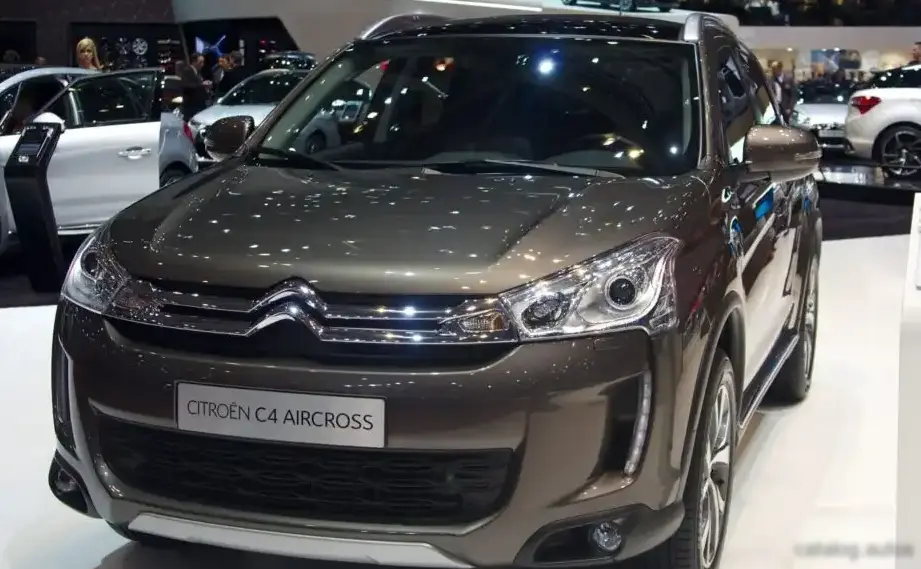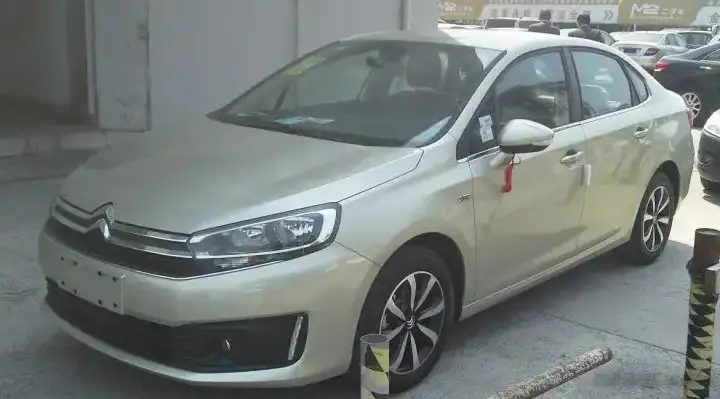
The Citroen C4 II Grand Picasso 1.6 VTi (120 hp) represents a mid-range offering within the second generation of Citroen’s popular MPV (Multi-Purpose Vehicle). Produced between 2013 and 2015 as part of the Phase I facelift, this variant aimed to balance fuel efficiency with adequate performance for family transport. It occupied a position between the lower-powered diesel options and the more expensive, higher-specification petrol models. The Grand Picasso, distinguished by its seven-seat configuration, was a key model for Citroen in the European market, offering a spacious and practical alternative to traditional estate cars and smaller SUVs.
Technical Specifications
| Brand | Citroen |
| Model | C4 |
| Generation | C4 II Grand Picasso (Phase I, 2013) |
| Type (Engine) | 1.6 VTi (120 Hp) |
| Start of production | 2013 |
| End of production | 2015 |
| Powertrain Architecture | Internal Combustion engine |
| Body type | Minivan, MPV |
| Seats | 7 |
| Doors | 5 |
| Fuel consumption (urban) | 8.5 l/100 km (27.7 US mpg, 33.2 UK mpg, 11.8 km/l) |
| Fuel consumption (extra urban) | 4.9 l/100 km (48 US mpg, 57.6 UK mpg, 20.4 km/l) |
| Fuel consumption (combined) | 6.3 l/100 km (37.3 US mpg, 44.8 UK mpg, 15.9 km/l) |
| CO2 emissions | 145 g/km |
| Fuel Type | Petrol (Gasoline) |
| Acceleration 0 – 100 km/h | 12.6 sec |
| Acceleration 0 – 62 mph | 12.6 sec |
| Acceleration 0 – 60 mph | 12 sec |
| Maximum speed | 187 km/h (116.2 mph) |
| Emission standard | Euro 5 |
| Weight-to-power ratio | 10.7 kg/Hp, 93.9 Hp/tonne |
| Weight-to-torque ratio | 8 kg/Nm, 125.2 Nm/tonne |
| Power | 120 Hp @ 6000 rpm |
| Power per litre | 75.1 Hp/l |
| Torque | 160 Nm @ 4250 rpm (118.01 lb.-ft. @ 4250 rpm) |
| Engine layout | Front, Transverse |
| Engine Model/Code | 5FS EP6C |
| Engine displacement | 1598 cm3 (97.52 cu. in.) |
| Number of cylinders | 4 |
| Engine configuration | Inline |
| Cylinder Bore | 77 mm (3.03 in.) |
| Piston Stroke | 85.8 mm (3.38 in.) |
| Compression ratio | 11:1 |
| Number of valves per cylinder | 4 |
| Fuel injection system | Multi-port manifold injection |
| Engine aspiration | Naturally aspirated engine |
| Valvetrain | DOHC |
| Engine oil capacity | 4.25 l (4.49 US qt | 3.74 UK qt) |
| Coolant | 6 l (6.34 US qt | 5.28 UK qt) |
| Kerb Weight | 1278 kg (2817.51 lbs.) |
| Max. weight | 2110 kg (4651.75 lbs.) |
| Max load | 832 kg (1834.25 lbs.) |
| Trunk (boot) space – minimum | 170 l (6 cu. ft.) |
| Trunk (boot) space – maximum | 1843 l (65.08 cu. ft.) |
| Fuel tank capacity | 57 l (15.06 US gal | 12.54 UK gal) |
| Permitted trailer load with brakes (12%) | 1050 kg (2314.85 lbs.) |
| Permitted trailer load without brakes | 675 kg (1488.12 lbs.) |
| Permitted towbar download | 70 kg (154.32 lbs.) |
| Length | 4597 mm (180.98 in.) |
| Width | 1826 mm (71.89 in.) |
| Width with mirrors folded | 1971 mm (77.6 in.) |
| Width including mirrors | 2117 mm (83.35 in.) |
| Height | 1638-1644 mm (64.49 – 64.72 in.) |
| Wheelbase | 2840 mm (111.81 in.) |
| Front track | 1573-1587 mm (61.93 – 62.48 in.) |
| Rear (Back) track | 1576-1590 mm (62.05 – 62.6 in.) |
| Front overhang | 884 mm (34.8 in.) |
| Rear overhang | 873 mm (34.37 in.) |
| Drag coefficient (Cd) | 0.30 |
| Minimum turning circle (turning diameter) | 11.3 m (37.07 ft.) |
| Drivetrain Architecture | The Internal combustion engine (ICE) drives the front wheels of the vehicle. |
| Drive wheel | Front wheel drive |
| Number of gears and type of gearbox | 5 gears, manual transmission |
| Front suspension | Independent, type McPherson with coil spring and anti-roll bar |
| Rear suspension | Semi-independent, coil spring |
| Front brakes | Ventilated discs |
| Rear brakes | Disc |
| Assisting systems | ABS (Anti-lock braking system) |
| Steering type | Steering rack and pinion |
| Power steering | Electric Steering |
| Tires size | 205/60 R16 |
| Wheel rims size | 16 |
Powertrain & Engine Architecture
The 1.6 VTi engine, designated with the code 5FS EP6C, is a naturally aspirated, inline-four cylinder petrol engine. It’s part of the Prince engine family, a collaborative development between PSA Peugeot Citroen and BMW. This engine utilizes multi-point fuel injection and a double overhead camshaft (DOHC) valvetrain. The 120 hp output is achieved at 6000 rpm, with a torque figure of 160 Nm (118 lb-ft) delivered at 4250 rpm. The engine’s 11:1 compression ratio contributes to its efficiency, while the lack of forced induction means power delivery is relatively linear. The engine is transversely mounted at the front of the vehicle. The transmission paired with this engine was typically a 5-speed manual gearbox, although an older 4-speed automatic was also available, impacting performance and fuel economy.
Driving Characteristics
The C4 Grand Picasso 1.6 VTi with the manual transmission offered adequate performance for everyday driving. Acceleration from 0-100 km/h (0-62 mph) took around 12.6 seconds, and top speed was approximately 187 km/h (116 mph). However, with a full load of passengers and luggage, the engine could feel strained, particularly when overtaking or climbing hills. The automatic transmission version, while offering convenience, further reduced performance due to its fewer gears and less efficient power transfer. The gear ratios were optimized for fuel economy rather than outright acceleration. Compared to the more powerful 1.6 THP turbocharged engine or the diesel variants, the 1.6 VTi felt noticeably less responsive.
Equipment & Trim Levels
The 1.6 VTi trim typically included features such as air conditioning, electric front and rear windows, a CD/radio stereo system, and basic safety equipment like ABS and airbags. Higher trim levels, such as Exclusive, added features like alloy wheels, rear parking sensors, automatic headlights and wipers, and a more sophisticated infotainment system. Interior upholstery was generally cloth, with options for leather upgrades. The Grand Picasso’s modular interior allowed for flexible seating configurations, with individual seats in the second and third rows that could be folded or removed to maximize cargo space.
Chassis & Braking
The C4 Grand Picasso utilized a McPherson strut front suspension and a semi-independent coil spring rear suspension. This setup prioritized ride comfort over sporty handling. The front brakes were ventilated discs, while the rear brakes were solid discs. The steering was electrically assisted, providing light and easy steering feel. The vehicle’s weight, around 1278 kg (2817 lbs), contributed to its relatively soft ride quality. Stabilizer bars were fitted to both the front and rear axles to reduce body roll during cornering.
Market Reception & Comparison
The Citroen C4 Grand Picasso 1.6 VTi was generally well-received as a practical and spacious family vehicle. Critics praised its comfortable ride, versatile interior, and competitive price. However, the 1.6 VTi engine was often criticized for its lack of power, particularly when compared to the diesel alternatives. Fuel economy was respectable, but not class-leading. The automatic transmission version was often seen as a compromise, offering convenience at the expense of performance and efficiency. Compared to rivals like the Renault Scenic and Volkswagen Touran, the C4 Grand Picasso offered a distinctive design and a focus on comfort.
Legacy
The 5FS EP6C 1.6 VTi engine, while not known for exceptional reliability, has proven to be reasonably durable with regular maintenance. Common issues include occasional oil leaks and timing chain wear, particularly on higher-mileage examples. The C4 Grand Picasso remains a popular choice in the used car market, offering good value for money and a spacious interior. However, potential buyers should carefully inspect the vehicle for signs of wear and tear, and ensure that it has been properly maintained. The combination of the 1.6 VTi engine and the automatic transmission is less sought after than the manual version due to its lower performance and higher fuel consumption.