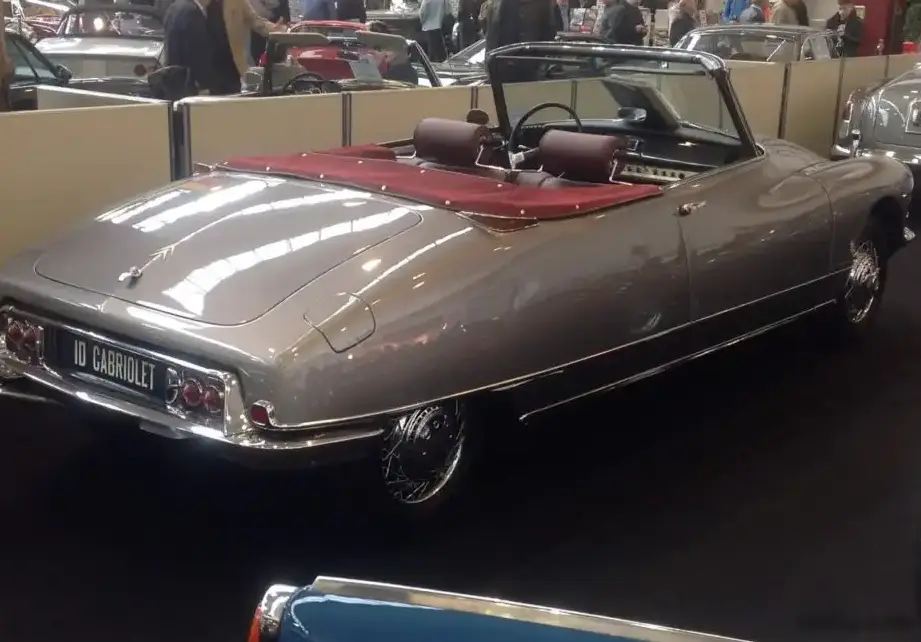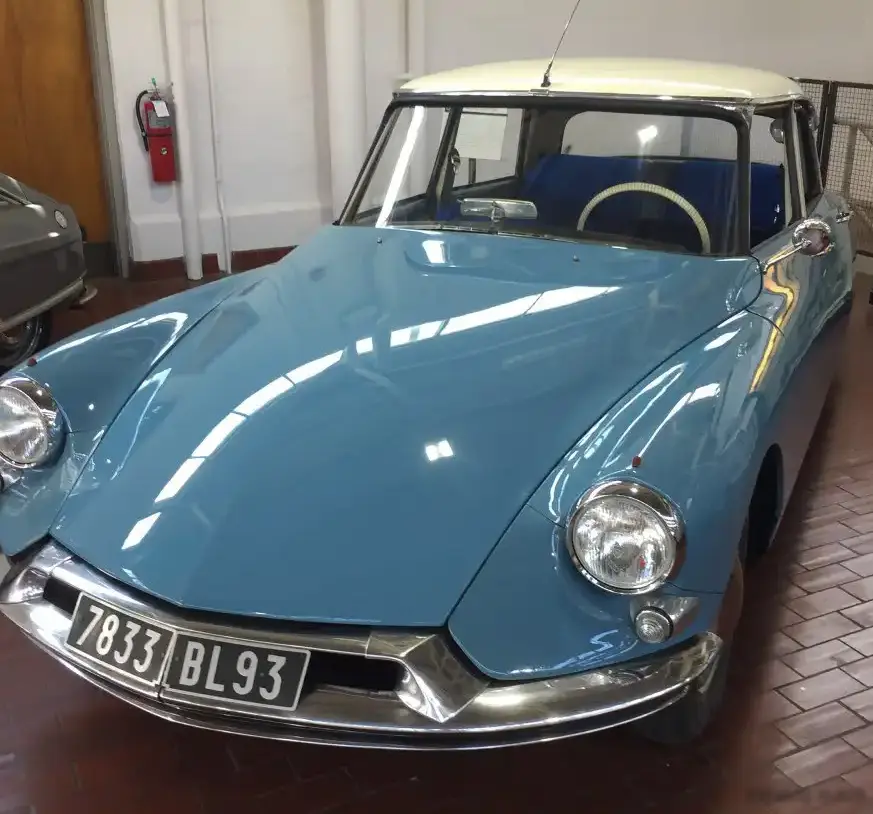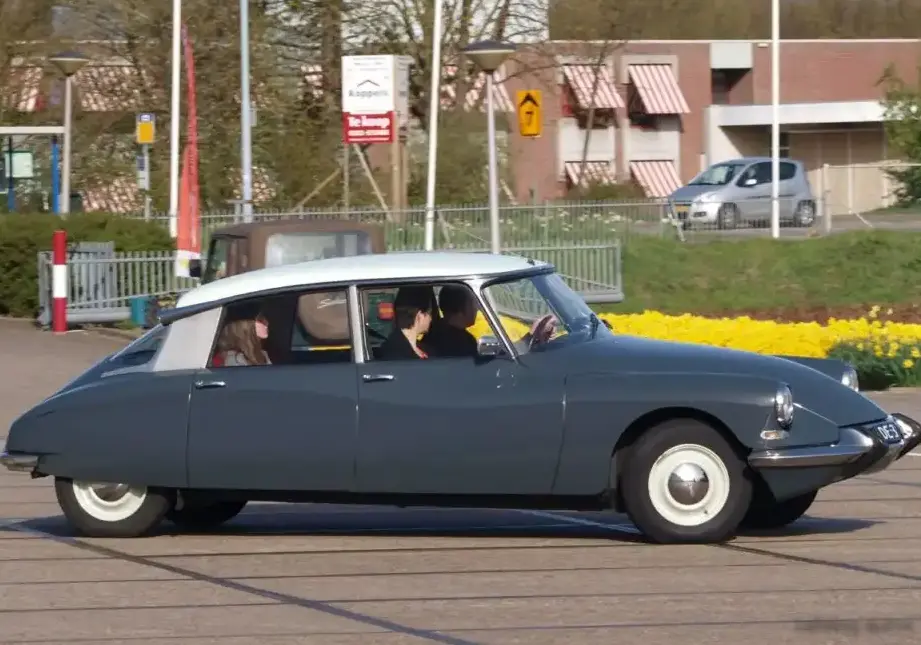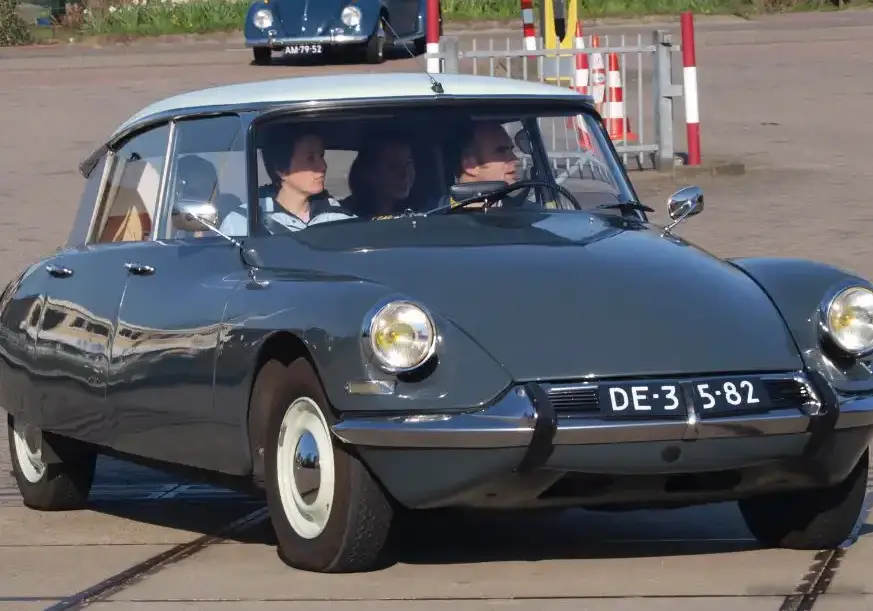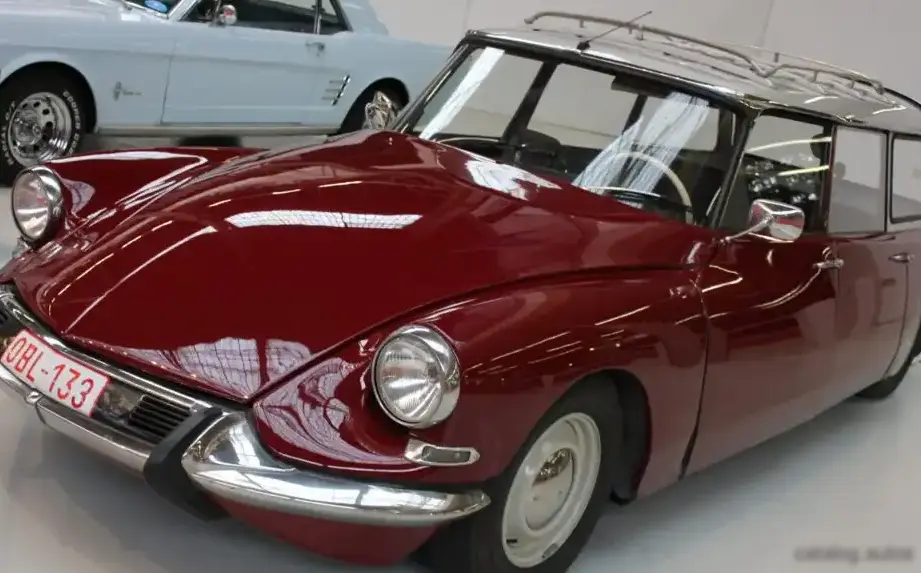
The Citroën ID II Break 21 F, produced between 1966 and 1967, represents a significant iteration within the broader Citroën ID series. Positioned as a spacious and practical family vehicle, the Break (estate/station wagon) body style offered increased cargo capacity compared to the saloon models. This variant, specifically the 21 F with its 100 horsepower engine, occupied a mid-range position in the ID II lineup, offering a balance between performance and affordability. It was built upon the foundation of the earlier ID series, continuing Citroën’s tradition of innovative engineering and comfortable ride quality, and was a popular choice in European markets for families and businesses needing a versatile vehicle.
Technical Specifications
| Brand | Citroen |
| Model | ID |
| Generation | ID II Break |
| Type (Engine) | 21 F (100 Hp) |
| Start of production | 1966 |
| End of production | 1967 |
| Powertrain Architecture | Internal Combustion engine |
| Body type | Station wagon (estate) |
| Seats | 7 |
| Doors | 5 |
| Fuel Type | Petrol (Gasoline) |
| Weight-to-power ratio | 13.9 kg/Hp, 71.9 Hp/tonne |
| Power | 100 Hp |
| Power per litre | 46 Hp/l |
| Engine Model/Code | B22604 |
| Engine displacement | 2175 cm3 |
| Engine displacement (cu. in.) | 132.73 cu. in. |
| Number of cylinders | 4 |
| Cylinder Bore | 90 mm |
| Cylinder Bore (in.) | 3.54 in. |
| Piston Stroke | 85.5 mm |
| Piston Stroke (in.) | 3.37 in. |
| Engine aspiration | Naturally aspirated engine |
| Engine oil capacity | 5 l |
| Engine oil capacity (US qt) | 5.28 US qt |
| Engine oil capacity (UK qt) | 4.4 UK qt |
| Coolant | 11 l |
| Coolant (US qt) | 11.62 US qt |
| Coolant (UK qt) | 9.68 UK qt |
| Kerb Weight | 1390 kg |
| Kerb Weight (lbs) | 3064.43 lbs. |
| Max. weight | 2000 kg |
| Max. weight (lbs) | 4409.25 lbs. |
| Max load | 610 kg |
| Max load (lbs) | 1344.82 lbs. |
| Fuel tank capacity | 65 l |
| Fuel tank capacity (US gal) | 17.17 US gal |
| Fuel tank capacity (UK gal) | 14.3 UK gal |
| Length | 4990 mm |
| Length (in.) | 196.46 in. |
| Width | 1790 mm |
| Width (in.) | 70.47 in. |
| Height | 1530 mm |
| Height (in.) | 60.24 in. |
| Wheelbase | 3125 mm |
| Wheelbase (in.) | 123.03 in. |
| Front track | 1500 mm |
| Front track (in.) | 59.06 in. |
| Rear (Back) track | 1300 mm |
| Rear (Back) track (in.) | 51.18 in. |
| Rear overhang | 885 mm |
| Rear overhang (in.) | 34.84 in. |
| Minimum turning circle (turning diameter) | 11 m |
| Minimum turning circle (turning diameter) (ft) | 36.09 ft. |
| Drivetrain Architecture | The Internal combustion engine (ICE) drives the front wheels of the vehicle. |
| Drive wheel | Front wheel drive |
| Number of gears and type of gearbox | 4 gears, manual transmission |
Powertrain & Engine Architecture
The Citroën ID II Break 21 F was powered by the B22604 engine, a 2.2-liter (2175 cc) inline-four cylinder petrol engine. This engine featured a naturally aspirated configuration and produced 100 horsepower. The engine utilized a relatively simple, yet robust, design typical of Citroën during this period. Fuel delivery was managed by a Solex carburetor, a common setup for the time. The engine employed a single overhead camshaft (SOHC) valvetrain, operating two valves per cylinder. The 21 F was equipped with a four-speed manual transmission, delivering power to the front wheels. This front-wheel-drive layout was a hallmark of Citroën vehicles, contributing to their distinctive handling characteristics.
Driving Characteristics
The 100 horsepower output of the 21 F engine, coupled with the four-speed manual transmission, provided adequate, though not exhilarating, performance for the ID II Break. Acceleration was modest, prioritizing smooth and comfortable cruising rather than outright speed. The front-wheel-drive configuration offered good traction in most conditions, and the car’s relatively light weight (for its size) helped to maintain reasonable fuel economy. Compared to the more powerful ID 22 or ID 23 variants, the 21 F offered a more economical option, appealing to buyers who prioritized practicality and running costs over performance. The gear ratios were tuned for relaxed highway driving, with a focus on minimizing engine noise and vibration. The ID II’s hydropneumatic suspension, even in this mid-range trim, provided a uniquely comfortable ride, absorbing bumps and imperfections in the road surface with ease.
Equipment & Trim Levels
The ID II Break 21 F was generally equipped with a fairly standard level of features for a family car of the 1960s. Interior upholstery typically consisted of cloth or vinyl, with a focus on durability and ease of cleaning. The dashboard layout was functional and straightforward, featuring basic instrumentation including a speedometer, fuel gauge, and temperature gauge. Optional extras included a radio, upgraded upholstery, and a sunroof. The Break body style itself was a significant feature, offering a large cargo area accessible through a rear tailgate. The rear seats could be folded down to further increase cargo capacity, making the ID II Break a versatile vehicle for families and businesses alike.
Chassis & Braking
The ID II Break utilized a robust chassis and suspension system. The front suspension employed Citroën’s innovative hydropneumatic system, providing self-leveling and exceptional ride comfort. The rear suspension also featured a hydropneumatic setup, although it was simpler than the front. Braking was accomplished via hydraulic disc brakes on the front wheels and drum brakes on the rear. Steering was rack and pinion, providing precise and responsive control. The car’s wheelbase of 3125 mm contributed to its stability and comfortable ride. Stabilizer bars were fitted to both the front and rear axles to reduce body roll during cornering.
Market Reception & Comparison
The Citroën ID II Break 21 F was generally well-received by critics and buyers alike. It was praised for its spacious interior, comfortable ride, and innovative technology. Compared to other station wagons of the era, the ID II Break stood out for its distinctive styling and advanced suspension system. The 21 F variant offered a good balance between performance and affordability, making it a popular choice for families and businesses. Fuel economy was reasonable for the time, although it was not as efficient as some of the smaller, more basic models in the Citroën lineup. Reliability was generally good, although the hydropneumatic suspension system required periodic maintenance.
Legacy
The Citroën ID II Break 21 F represents a significant chapter in Citroën’s history. It showcased the company’s commitment to innovation and its ability to produce comfortable, practical, and stylish vehicles. While the hydropneumatic suspension system can require specialized maintenance, the engine and mechanical components are relatively robust and reliable. Today, the ID II Break is a sought-after classic car, appreciated by enthusiasts for its unique character and engineering. Well-maintained examples command a premium in the used car market, and the car remains a testament to Citroën’s enduring legacy of automotive innovation.