Technical Specifications
| Brand | Citroen |
| Model | Jumpy |
| Generation | Jumpy II |
| Type (Engine) | 1.6 HDi (90 Hp) L2H1 |
| Start of production | 2007 |
| End of production | 2010 |
| Powertrain Architecture | Internal Combustion engine |
| Body type | Minivan |
| Seats | 3 |
| Doors | 4 |
| Fuel consumption (urban) | 8.4-8.6 l/100 km (28 – 27.4 US mpg) |
| Fuel consumption (extra urban) | 6.6-6.8 l/100 km (35.6 – 34.6 US mpg) |
| Fuel consumption (combined) | 7.2-7.5 l/100 km (32.7 – 31.4 US mpg) |
| CO2 emissions | 191 g/km |
| Fuel Type | Diesel |
| Acceleration 0 – 100 km/h | 21.1 sec |
| Acceleration 0 – 62 mph | 21.1 sec |
| Acceleration 0 – 60 mph | 20 sec |
| Maximum speed | 145 km/h (90.1 mph) |
| Emission standard | Euro 4 |
| Weight-to-power ratio | 19.5 kg/Hp, 51.3 Hp/tonne |
| Weight-to-torque ratio | 9.8 kg/Nm, 102.6 Nm/tonne |
| Power | 90 Hp @ 4000 rpm |
| Power per litre | 57.7 Hp/l |
| Torque | 180 Nm @ 1750 rpm (132.76 lb.-ft. @ 1750 rpm) |
| Engine layout | Front, Transverse |
| Engine Model/Code | 9HU DV6UTED4 |
| Engine displacement | 1560 cm3 (95.2 cu. in.) |
| Number of cylinders | 4 |
| Engine configuration | Inline |
| Cylinder Bore | 75 mm (2.95 in.) |
| Piston Stroke | 88.3 mm (3.48 in.) |
| Number of valves per cylinder | 4 |
| Fuel injection system | Diesel Commonrail |
| Engine aspiration | Turbocharger, Intercooler |
| Engine oil capacity | 5.25 l (5.55 US qt | 4.62 UK qt) |
| Kerb Weight | 1755 kg (3869.11 lbs.) |
| Max. weight | 2880 kg (6349.31 lbs.) |
| Max load | 1125 kg (2480.2 lbs.) |
| Trunk (boot) space – maximum | 6000 l (211.89 cu. ft.) |
| Fuel tank capacity | 80 l (21.13 US gal | 17.6 UK gal) |
| Max. roof load | 170 kg (374.79 lbs.) |
| Permitted trailer load with brakes (12%) | 1968 kg (4338.7 lbs.) |
| Permitted trailer load without brakes | 750 kg (1653.47 lbs.) |
| Permitted towbar download | 80 kg (176.37 lbs.) |
| Length | 5135 mm (202.17 in.) |
| Width | 1895 mm (74.61 in.) |
| Width with mirrors folded | 1986 mm (78.19 in.) |
| Width including mirrors | 2194 mm (86.38 in.) |
| Height | 1880 mm (74.02 in.) |
| Wheelbase | 3122 mm (122.91 in.) |
| Front track | 1562 mm (61.5 in.) |
| Rear (Back) track | 1596 mm (62.83 in.) |
| Front overhang | 975 mm (38.39 in.) |
| Rear overhang | 1038 mm (40.87 in.) |
| Minimum turning circle | 12.6 m (41.34 ft.) |
| Drivetrain Architecture | Front wheel drive |
| Drive wheel | Front wheel drive |
| Number of gears and type of gearbox | 5 gears, manual transmission |
| Front suspension | Independent, type McPherson with coil spring and anti-roll bar |
| Rear suspension | Semi-dependent beam with stabilizer lateral stability |
| Front brakes | Ventilated discs, 304×28 mm |
| Rear brakes | Disc, 290×14 mm |
| Assisting systems | ABS (Anti-lock braking system) |
| Steering type | Steering rack and pinion |
| Tires size | 215/60 R16 |
| Wheel rims size | 16 |
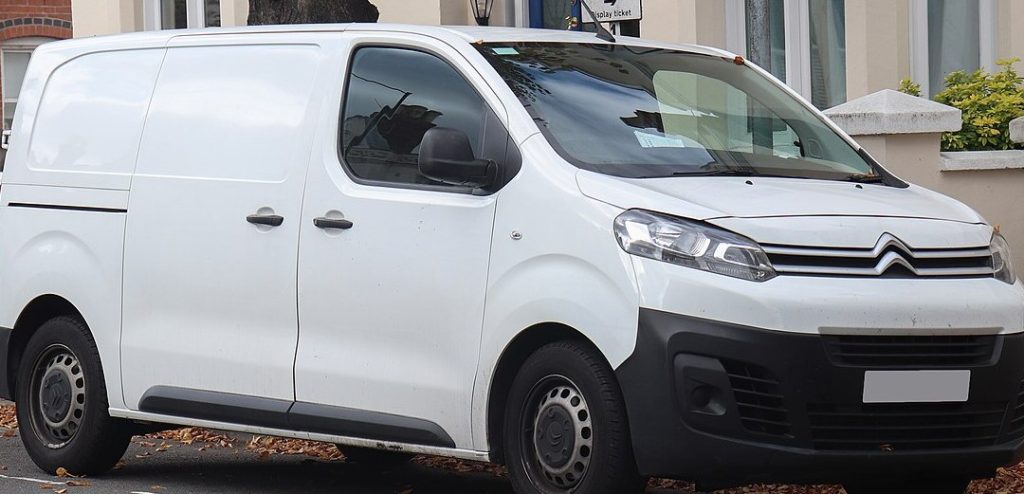
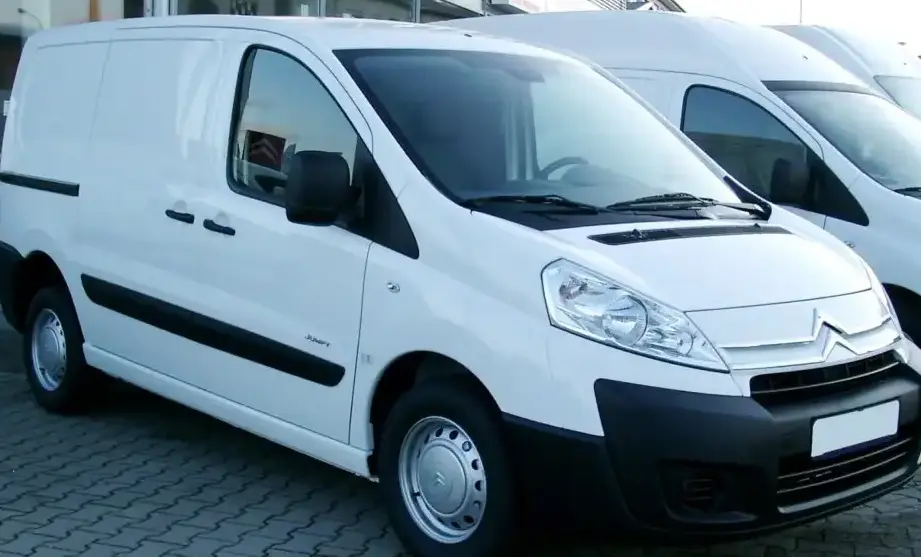
The Citroen Jumpy II 1.6 HDi 90 hp, produced between 2007 and 2010, represented the entry-level option within the second generation of Citroen’s light commercial vehicle range. Positioned as a practical and economical choice for businesses and individuals needing a versatile van, this configuration – the L2H1 denoting a medium length body and standard height roof – became a common sight across Europe. It served as a workhorse for delivery services, tradespeople, and those requiring a spacious and adaptable vehicle. The Jumpy II was built on the Peugeot-Citroen X4 platform, shared with models like the Peugeot Expert and Fiat Scudo.
Powertrain & Engine Architecture
The 1.6 HDi (High-Pressure Direct Injection) engine, bearing the code 9HU DV6UTED4, powers this Jumpy II variant. This engine belongs to the PSA Group’s DV6 family, recognized for its compact size and fuel efficiency. It’s a four-cylinder, inline engine equipped with a turbocharger and intercooler to enhance power output. The common rail direct injection system, operating at high pressures, ensures precise fuel delivery for optimized combustion. The engine features four valves per cylinder, improving breathing and performance. A five-speed manual transmission was standard, offering a straightforward and reliable gear-changing experience.
Driving Characteristics
The 90 hp 1.6 HDi engine in the Jumpy II L2H1 provides adequate, though not particularly exciting, performance. Acceleration from 0 to 62 mph takes over 21 seconds. The engine’s 180 Nm (132.76 lb-ft) of torque, available from 1750 rpm, delivers sufficient pulling power for everyday driving and moderate loads. The five-speed gearbox is geared for economy, with taller ratios prioritizing fuel efficiency. Compared to Jumpy II models with the 2.0 HDi engine, this variant feels noticeably slower, especially when carrying a full load. However, the lower power output also contributes to improved fuel economy and reduced stress on the engine and drivetrain.
Equipment & Trim Levels
The 1.6 HDi 90 hp L2H1 typically represented the base trim level for the Jumpy II. Standard equipment generally included power steering, a driver’s airbag, ABS brakes, and a basic audio system. The interior was functional and durable, featuring hard-wearing plastics and cloth upholstery. Optional extras included air conditioning, electric windows, a passenger airbag, and upgraded audio systems. The L2H1 body style offered a generous cargo capacity of 6000 liters (211.89 cu. ft.), making it suitable for a wide range of commercial applications. The van’s modular interior allowed for flexible seating configurations and cargo area customization.
Chassis & Braking
The Jumpy II utilizes a McPherson strut front suspension with a coil spring and anti-roll bar, providing a comfortable ride and predictable handling. The rear suspension employs a semi-dependent beam with a stabilizer bar, offering a good balance between load-carrying capacity and stability. The braking system consists of ventilated discs on the front wheels and solid discs on the rear. ABS (Anti-lock Braking System) was standard, enhancing safety during emergency braking. The steering is rack and pinion, providing precise and responsive control.
Market Reception & Comparison
The Citroen Jumpy II 1.6 HDi 90 hp was generally well-received as a practical and economical light commercial vehicle. Critics praised its fuel efficiency, spacious interior, and versatility. However, some reviewers noted its lack of power, particularly when fully loaded or traveling uphill. Compared to the 2.0 HDi variants, the 1.6 HDi offered lower running costs but compromised on performance. This 1.6 HDi version was often favored by businesses and individuals prioritizing fuel economy and affordability over outright speed and power.
Legacy
The 1.6 HDi engine, while generally reliable, has been known to experience issues with the diesel particulate filter (DPF) if not properly maintained, especially with frequent short trips. The DV6 engine family, in general, has a reputation for longevity when serviced according to the manufacturer’s recommendations. Today, used examples of the Jumpy II 1.6 HDi 90 hp are readily available and represent a cost-effective option for those seeking a practical and versatile van. Its simplicity and relatively low maintenance costs make it an appealing choice for budget-conscious buyers. However, potential buyers should be aware of the potential DPF issues and ensure a thorough inspection before purchase.