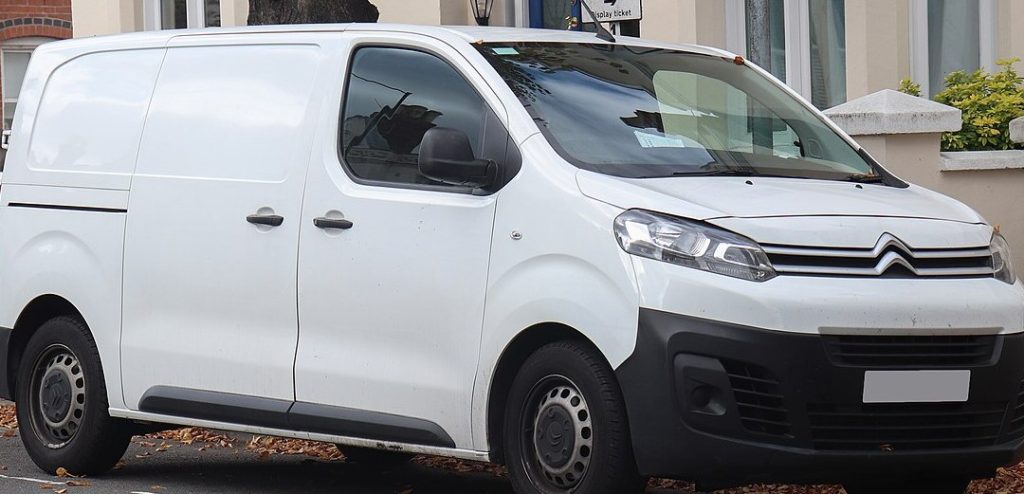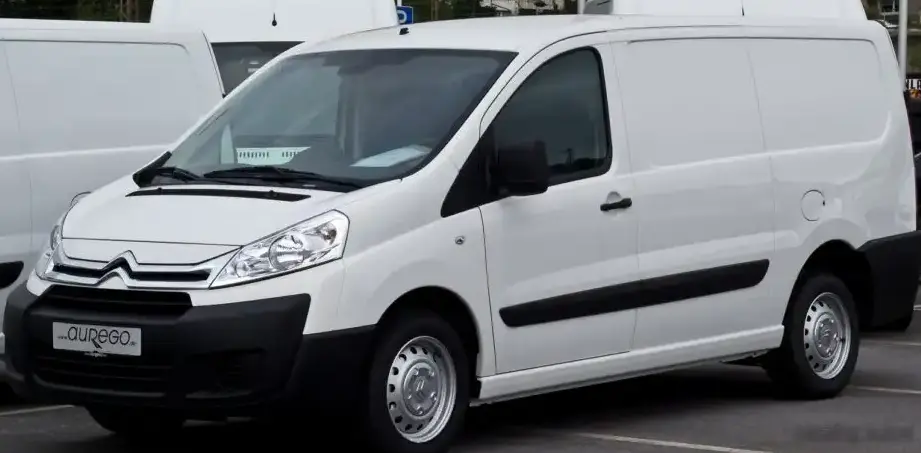
The Citroen Jumpy II, specifically the 2.0 HDi (128 hp) L1H1 27 variant produced from 2012 to 2015, represents a mid-cycle refresh of the second-generation Jumpy. This model falls within the broader range of light commercial vehicles offered by Citroen, designed to cater to businesses and individuals requiring a versatile and practical van. The “L1H1” designation indicates a short wheelbase and low roof height, while “27” often refers to a specific trim level or equipment package. This variant was primarily sold in the European market, offering a balance between fuel efficiency, cargo capacity, and affordability. It served as a workhorse for delivery services, tradespeople, and those needing a spacious vehicle for leisure activities.
Technical Specifications
| Brand | Citroen |
| Model | Jumpy |
| Generation | Jumpy II (facelift 2012) |
| Type (Engine) | 2.0 HDi (128 Hp) L1H1 27 |
| Start of production | 2012 |
| End of production | 2015 |
| Powertrain Architecture | Internal Combustion engine |
| Body type | Minivan |
| Seats | 3 |
| Doors | 4 |
| Fuel consumption (urban) | 7.6 l/100 km (30.9 US mpg) |
| Fuel consumption (extra urban) | 5.8 l/100 km (40.6 US mpg) |
| Fuel consumption (combined) | 6.4 l/100 km (36.8 US mpg) |
| CO2 emissions | 168 g/km |
| Fuel Type | Diesel |
| Maximum speed | 170 km/h (105.63 mph) |
| Emission standard | Euro 5 |
| Weight-to-power ratio | 13.6 kg/Hp |
| Weight-to-torque ratio | 5.4 kg/Nm |
| Power | 128 Hp @ 4000 rpm |
| Torque | 320 Nm @ 2000 rpm (236.02 lb.-ft. @ 2000 rpm) |
| Engine layout | Front, Transverse |
| Engine Model/Code | AHZ DW10CD |
| Engine displacement | 1997 cm3 (121.86 cu. in.) |
| Number of cylinders | 4 |
| Engine configuration | Inline |
| Cylinder Bore | 85 mm (3.35 in.) |
| Piston Stroke | 88 mm (3.46 in.) |
| Number of valves per cylinder | 4 |
| Fuel injection system | Diesel Commonrail |
| Engine aspiration | Turbocharger, Intercooler |
| Engine oil capacity | 5 l (5.28 US qt | 4.4 UK qt) |
| Kerb Weight | 1739 kg (3833.84 lbs.) |
| Max. weight | 2698 kg (5948.07 lbs.) |
| Max load | 959 kg (2114.23 lbs.) |
| Trunk (boot) space – maximum | 5000 l (176.57 cu. ft.) |
| Fuel tank capacity | 80 l (21.13 US gal | 17.6 UK gal) |
| Max. roof load | 170 kg (374.79 lbs.) |
| Permitted trailer load with brakes (12%) | 2000 kg (4409.25 lbs.) |
| Permitted trailer load without brakes | 750 kg (1653.47 lbs.) |
| Permitted towbar download | 80 kg (176.37 lbs.) |
| Length | 4805 mm (189.17 in.) |
| Width | 1895 mm (74.61 in.) |
| Width with mirrors folded | 1986 mm (78.19 in.) |
| Width including mirrors | 2194 mm (86.38 in.) |
| Height | 1880 mm (74.02 in.) |
| Wheelbase | 3000 mm (118.11 in.) |
| Front track | 1562 mm (61.5 in.) |
| Rear (Back) track | 1596 mm (62.83 in.) |
| Front overhang | 975 mm (38.39 in.) |
| Rear overhang | 830 mm (32.68 in.) |
| Drivetrain Architecture | Front wheel drive |
| Number of gears and type of gearbox | 6 gears, manual transmission |
| Front suspension | Independent, type McPherson with coil spring and anti-roll bar |
| Rear suspension | Semi-dependent beam with stabilizer lateral stability |
| Front brakes | Ventilated discs, 304×28 mm |
| Rear brakes | Disc, 290×14 mm |
| Assisting systems | ABS (Anti-lock braking system) |
| Steering type | Steering rack and pinion |
| Tires size | 215/60 R16 |
| Wheel rims size | 16 |
Powertrain & Engine Architecture
The heart of the Jumpy II 2.0 HDi is the DW10CD engine, a four-cylinder diesel powerplant. This engine, often identified by codes like AHZ, is a common unit within the PSA Group (Peugeot, Citroen, and DS Automobiles) and has seen numerous iterations over the years. The 128 horsepower version utilizes a turbocharger with an intercooler to boost performance and efficiency. Fuel is delivered via a common rail direct injection system, allowing for precise fuel metering and optimized combustion. The engine features four valves per cylinder, contributing to improved breathing and power output. The 6-speed manual transmission was the standard offering for this variant, providing a good balance between fuel economy and drivability. The engine’s transverse mounting and front-wheel-drive configuration are typical for vans in this class, maximizing interior space.
Driving Characteristics
The 128 hp 2.0 HDi engine in the Jumpy II L1H1 27 provides adequate, though not exhilarating, performance. Acceleration is reasonable when unladen, but the van’s weight becomes noticeable when fully loaded. The manual transmission allows for good control over the engine’s power band, and the gear ratios are well-suited for both city driving and highway cruising. Compared to higher-output versions of the Jumpy, this variant prioritizes fuel economy over outright speed. The torque curve is relatively flat, providing usable power across a wide range of engine speeds. The front-wheel-drive setup offers predictable handling, but it can suffer from torque steer under hard acceleration.
Equipment & Trim Levels
The “27” designation typically indicated a mid-range trim level for the Jumpy II. Standard equipment generally included features like power windows, central locking, an adjustable steering column, and a basic audio system. The interior was typically finished with durable, hard-wearing materials designed to withstand the rigors of commercial use. Optional extras could include air conditioning, a rear parking sensor, upgraded audio systems, and various cargo area configurations. The van’s cabin was designed with practicality in mind, offering ample storage space and a comfortable driving position.
Chassis & Braking
The Jumpy II utilizes a McPherson strut front suspension and a semi-dependent beam rear suspension. This setup provides a reasonable compromise between ride comfort and handling. The front suspension incorporates a stabilizer bar to reduce body roll during cornering. The braking system consists of ventilated discs at the front and solid discs at the rear, providing adequate stopping power for the van’s weight. Anti-lock Braking System (ABS) was standard, enhancing safety during emergency braking situations.
Market Reception & Comparison
The Citroen Jumpy II 2.0 HDi 128 hp variant was well-received in the European market as a practical and economical light commercial vehicle. Critics praised its fuel efficiency, spacious interior, and robust construction. Compared to other vans in its class, such as the Volkswagen Transporter and Ford Transit, the Jumpy offered a competitive price point and a comfortable driving experience. The 128 hp engine provided a good balance between performance and fuel economy, making it a popular choice for businesses looking to minimize operating costs. However, some reviewers noted that the interior was somewhat basic compared to some of its rivals.
Legacy
The DW10CD engine, found in the Jumpy II, has proven to be a relatively reliable powerplant when properly maintained. Common issues include turbocharger wear and potential problems with the diesel particulate filter (DPF), particularly on vehicles used primarily for short trips. The Jumpy II remains a popular choice in the used van market, offering a good value proposition for those seeking a practical and affordable work vehicle. Its simple construction and readily available parts make it relatively easy to maintain and repair. Today, well-maintained examples continue to provide reliable service for businesses and individuals alike.