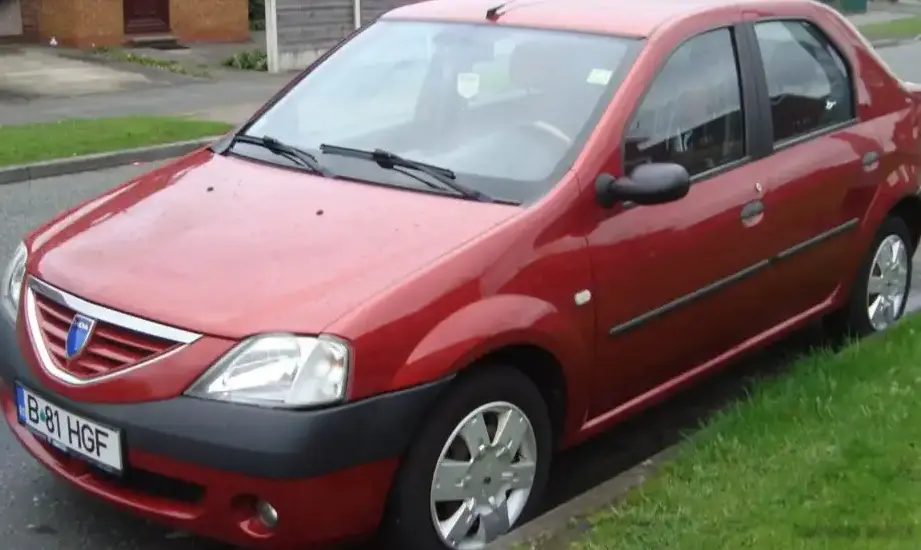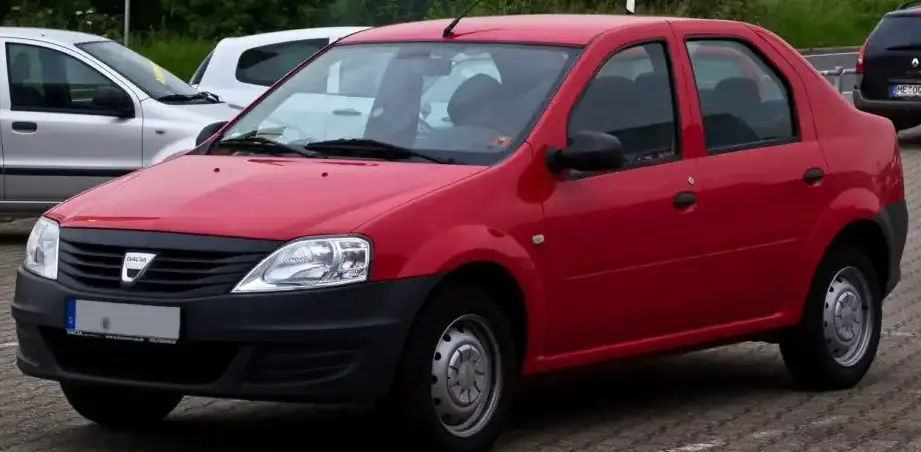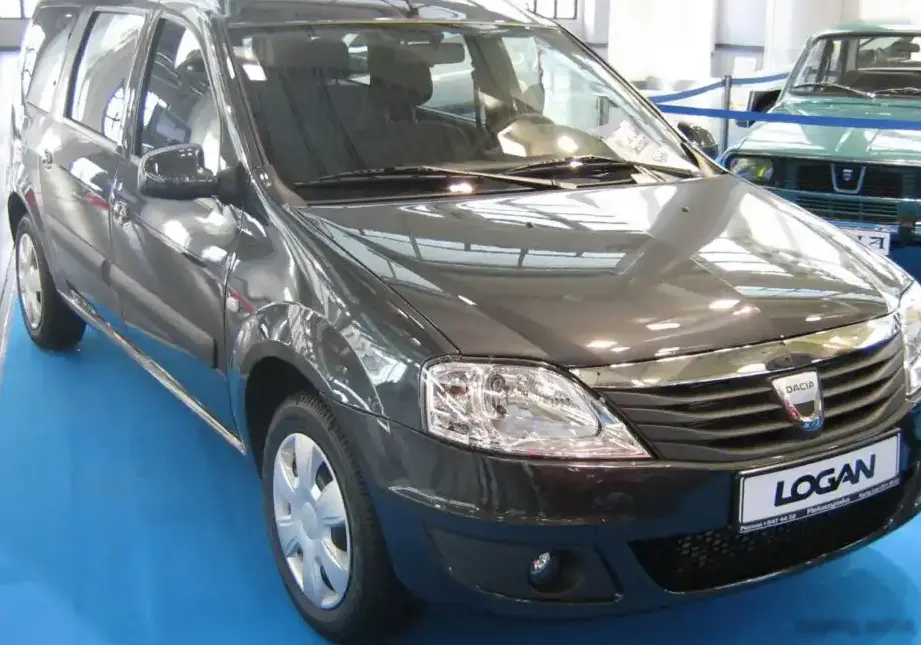
The Dacia Logan I MCV (facelift, 2008) 1.4 MPI, producing 75 horsepower, represented an entry-level offering within the Logan MCV (Multi-Capacity Vehicle) range. Introduced as part of the facelift for the first-generation Logan series, this variant was primarily aimed at budget-conscious buyers seeking a practical and spacious station wagon. Production of this specific configuration ran from 2008 to 2010. The Logan MCV, and this trim in particular, was designed to offer a compelling alternative to used cars in Western European markets, emphasizing affordability and functionality over outright performance or luxury. It was a key component of Dacia’s strategy to re-enter the automotive market after a period of dormancy, and quickly gained popularity for its value proposition.
Technical Specifications
| Brand | Dacia |
| Model | Logan |
| Generation | Logan I MCV (facelift 2008) |
| Type (Engine) | 1.4 MPI (75 Hp) |
| Start of production | 2008 |
| End of production | 2010 |
| Powertrain Architecture | Internal Combustion engine |
| Body type | Station wagon (estate) |
| Seats | 5 |
| Doors | 5 |
| Fuel consumption (urban) | 10 l/100 km (23.5 US mpg, 28.2 UK mpg, 10 km/l) |
| Fuel consumption (extra urban) | 6.2 l/100 km (37.9 US mpg, 45.6 UK mpg, 16.1 km/l) |
| Fuel consumption (combined) | 7.6 l/100 km (30.9 US mpg, 37.2 UK mpg, 13.2 km/l) |
| CO2 emissions | 179 g/km |
| Fuel Type | Petrol (Gasoline) |
| Acceleration 0 – 100 km/h | 15.6 sec |
| Acceleration 0 – 62 mph | 15.6 sec |
| Acceleration 0 – 60 mph | 14.8 sec |
| Maximum speed | 155 km/h (96.31 mph) |
| Emission standard | Euro 4 |
| Weight-to-power ratio | 15.5 kg/Hp |
| Weight-to-torque ratio | 10.4 kg/Nm |
| Power | 75 Hp @ 5500 rpm |
| Power per litre | 54 Hp/l |
| Torque | 112 Nm @ 3000 rpm (82.61 lb.-ft. @ 3000 rpm) |
| Engine layout | Front, Transverse |
| Engine Model/Code | K7J 710 |
| Engine displacement | 1390 cm3 (84.82 cu. in.) |
| Number of cylinders | 4 |
| Engine configuration | Inline |
| Cylinder Bore | 79.5 mm (3.13 in.) |
| Piston Stroke | 70 mm (2.76 in.) |
| Compression ratio | 9.5:1 |
| Number of valves per cylinder | 2 |
| Fuel injection system | Multi-port manifold injection |
| Engine aspiration | Naturally aspirated |
| Valvetrain | SOHC |
| Engine oil capacity | 3.3 l (3.49 US qt | 2.9 UK qt) |
| Coolant capacity | 4.5 l (4.76 US qt | 3.96 UK qt) |
| Kerb Weight | 1165 kg (2568.39 lbs.) |
| Max. weight | 1740 kg (3836.04 lbs.) |
| Max load | 575 kg (1267.66 lbs.) |
| Trunk (boot) space – minimum | 700 l (24.72 cu. ft.) |
| Trunk (boot) space – maximum | 2350 l (82.99 cu. ft.) |
| Fuel tank capacity | 50 l (13.21 US gal | 11 UK gal) |
| Max. roof load | 80 kg (176.37 lbs.) |
| Permitted trailer load (braked) | 1300 kg (2866.01 lbs.) |
| Permitted trailer load (unbraked) | 620 kg (1366.87 lbs.) |
| Permitted towbar download | 75 kg (165.35 lbs.) |
| Length | 4473 mm (176.1 in.) |
| Width | 1740 mm (68.5 in.) |
| Width including mirrors | 1993 mm (78.46 in.) |
| Height | 1640 mm (64.57 in.) |
| Wheelbase | 2905 mm (114.37 in.) |
| Front track | 1469 mm (57.83 in.) |
| Rear track | 1466 mm (57.72 in.) |
| Front overhang | 797 mm (31.38 in.) |
| Rear overhang | 771 mm (30.35 in.) |
| Ride height (ground clearance) | 160 mm (6.3 in.) |
| Drag coefficient (Cd) | 0.36 |
| Minimum turning circle | 11.25 m (36.91 ft.) |
| Drivetrain Architecture | Front wheel drive |
| Number of gears | 5 |
| Gearbox type | Manual transmission |
| Front suspension | Independent type McPherson, Transverse stabilizer |
| Rear suspension | Coil spring, Torsion |
| Front brakes | Ventilated discs, 259 mm |
| Rear brakes | Drum, 203 mm |
| Assisting systems | ABS (Anti-lock braking system) |
| Steering type | Steering rack and pinion |
| Power steering | Hydraulic |
| Tires size | 185/65 R15 |
| Wheel rims size | 6J x 15 |
Powertrain & Engine Architecture
The 1.4 MPI engine, designated K7J 710, is an inline-four cylinder, naturally aspirated gasoline engine. This engine was a mainstay in many Renault and Dacia models, known for its simplicity and robustness. It features a single overhead camshaft (SOHC) valvetrain with two valves per cylinder. Fuel delivery is managed by a multi-point fuel injection system, providing adequate, though not exceptional, fuel atomization. The engine’s 1390cc displacement and 9.5:1 compression ratio contribute to its modest power output. The five-speed manual transmission was the standard offering for this variant, chosen for its cost-effectiveness and suitability for the engine’s torque characteristics. The transmission’s gear ratios were geared towards fuel efficiency rather than spirited acceleration.
Driving Characteristics
The 1.4 MPI-equipped Logan MCV offered a utilitarian driving experience. With 75 horsepower and 112 Nm of torque, acceleration was leisurely, taking approximately 15.6 seconds to reach 62 mph. The engine felt strained when climbing hills or carrying a full load. The five-speed manual transmission helped to keep the engine within its optimal operating range, but frequent downshifts were often necessary. Steering was light and predictable, prioritizing ease of use over feedback. The suspension, tuned for comfort, absorbed bumps reasonably well, but body roll was noticeable in corners. Compared to higher-output versions of the Logan MCV, such as those with the 1.6-liter engine, this variant felt significantly underpowered.
Equipment & Trim Levels
The 1.4 MPI Logan MCV typically came with a basic level of equipment. Standard features included power steering, central locking, and an adjustable steering column. Interior upholstery was typically cloth, and the dashboard featured a simple, functional design. Air conditioning and power windows were often optional extras. The focus was on providing essential features at the lowest possible cost. Higher trim levels offered additional comforts such as upgraded upholstery, a radio/CD player, and alloy wheels, but these were not typically paired with the 1.4 MPI engine.
Chassis & Braking
The Logan MCV’s chassis was designed for durability and cost-effectiveness. The front suspension utilized an independent McPherson strut setup, while the rear suspension employed a torsion beam axle. This configuration provided a reasonable balance between ride comfort and handling. The braking system consisted of ventilated discs at the front and drum brakes at the rear. ABS (Anti-lock Braking System) was standard, enhancing safety. The relatively light weight of the 1.4 MPI variant helped to compensate for the modest braking performance.
Market Reception & Comparison
The Dacia Logan I MCV 1.4 MPI was well-received by buyers seeking an affordable and practical station wagon. Critics acknowledged its spacious interior, large trunk capacity, and low price point. However, the engine’s lack of power was a common criticism. Compared to other trims in the Logan MCV lineup, the 1.4 MPI offered the lowest purchase price but also the poorest performance. Fuel economy was respectable, but not class-leading. Its main competitors were used cars, and it offered a compelling alternative to older vehicles with potentially higher maintenance costs.
Legacy
The K7J 710 engine, while not known for its sophistication, proved to be remarkably reliable. Many examples are still on the road today, testament to its robust design. The 1.4 MPI Logan MCV remains a popular choice in the used car market, particularly among buyers seeking a budget-friendly and practical vehicle. While it may not offer the performance or refinement of more modern cars, its affordability and spaciousness continue to appeal to a wide range of buyers. Maintenance costs are generally low, and spare parts are readily available, making it a sensible choice for those seeking a dependable and economical mode of transportation.