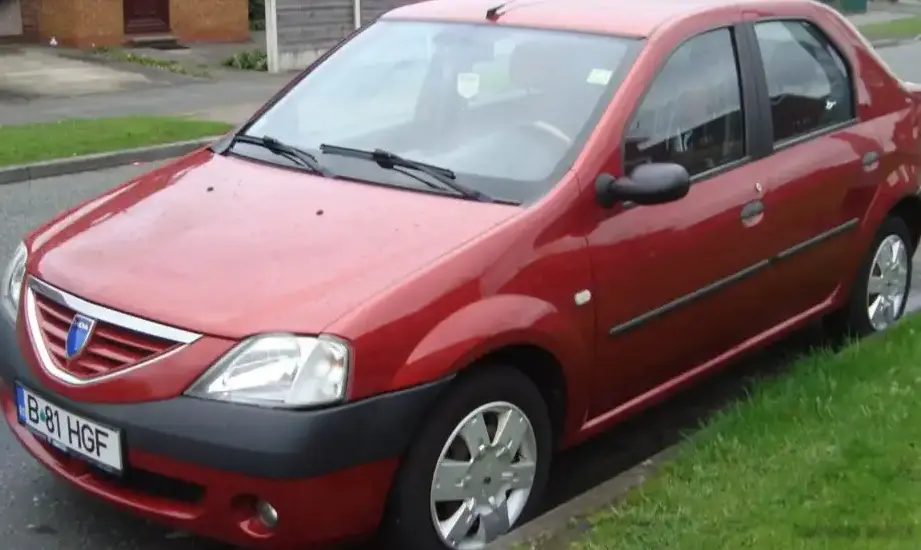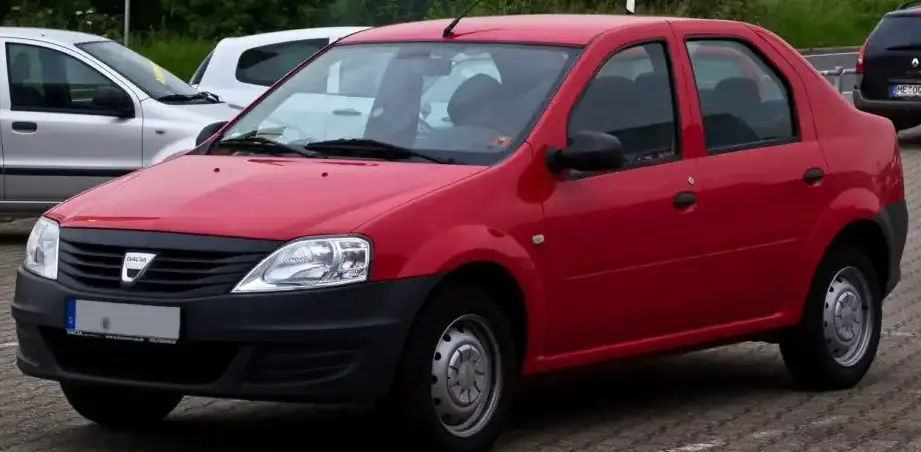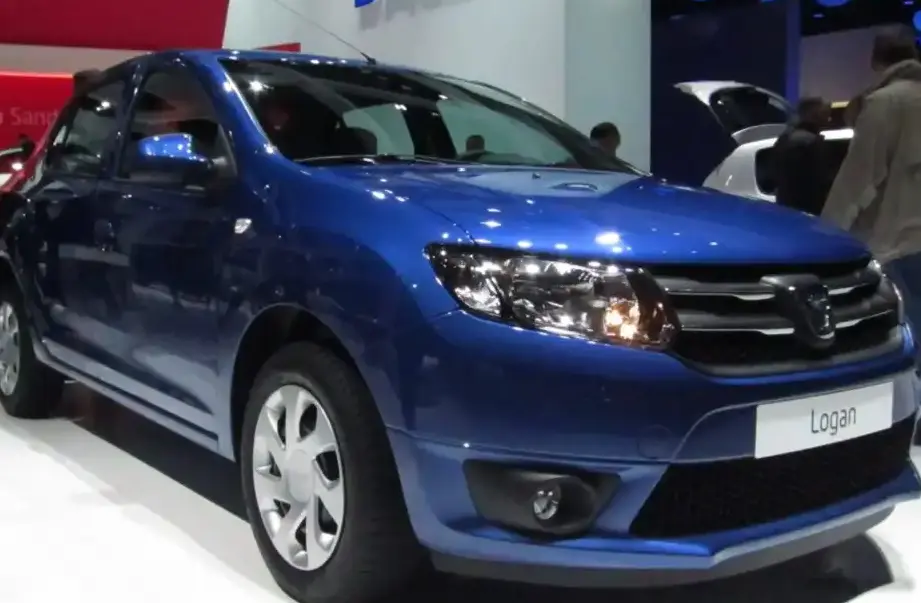
The Dacia Logan II 0.9 TCe (90 hp) LPG Start&Stop, produced from 2015 to 2016, represents a significant offering within the second generation of Dacia’s popular Logan model. Positioned as an entry-level to mid-range variant, this version combined a small-displacement turbocharged engine with the flexibility of LPG fuel capability and the fuel-saving benefits of a Start&Stop system. The Logan II, launched in 2012, was a crucial model for Dacia, building upon the success of the original Logan by offering improved quality, design, and features while maintaining the brand’s core value proposition of affordability. This particular engine and fuel combination aimed to broaden the Logan’s appeal to cost-conscious buyers in European markets, where LPG infrastructure was relatively well-developed.
Technical Specifications
| Brand | Dacia |
| Model | Logan |
| Generation | Logan II |
| Type (Engine) | 0.9 TCe (90 Hp) LPG Start&Stop |
| Start of production | 2015 |
| End of production | 2016 |
| Powertrain Architecture | Internal Combustion engine |
| Body type | Sedan |
| Seats | 5 |
| Doors | 4 |
| Fuel consumption (economy) – urban (NEDC) | 5.8 l/100 km (40.6 US mpg, 48.7 UK mpg, 17.2 km/l) |
| Fuel consumption (economy) – urban (LPG) (NEDC) | 7.6 l/100 km |
| Fuel consumption (economy) – extra urban (NEDC) | 4.3 l/100 km (54.7 US mpg, 65.7 UK mpg, 23.3 km/l) |
| Fuel consumption (economy) – extra urban (LPG) (NEDC) | 5.4 l/100 km |
| Fuel consumption (economy) – combined (NEDC) | 4.9 l/100 km (48 US mpg, 57.6 UK mpg, 20.4 km/l) |
| Fuel consumption (economy) – combined (LPG) (NEDC) | 6.2 l/100 km |
| CO2 emissions (NEDC) | 109 g/km |
| CO2 emissions (LPG) (NEDC) | 98 g/km |
| Fuel Type | Petrol / LPG |
| Acceleration 0 – 100 km/h | 11.3 sec |
| Acceleration 0 – 62 mph | 11.3 sec |
| Acceleration 0 – 60 mph | 10.7 sec |
| Maximum speed | 175 km/h (108.74 mph) |
| Emission standard | Euro 6 |
| Weight-to-power ratio | 11.8 kg/Hp, 84.5 Hp/tonne |
| Weight-to-torque ratio | 7.6 kg/Nm, 131.5 Nm/tonne |
| Power | 90 Hp @ 5000 rpm |
| Torque | 140 Nm @ 2250 rpm (103.26 lb.-ft. @ 2250 rpm) |
| Engine layout | Front, Transverse |
| Engine Model/Code | H4B 410 |
| Engine displacement | 898 cm3 (54.8 cu. in.) |
| Number of cylinders | 3 |
| Engine configuration | Inline |
| Cylinder Bore | 72.2 mm (2.84 in.) |
| Piston Stroke | 73.1 mm (2.88 in.) |
| Number of valves per cylinder | 4 |
| Fuel injection system | Multi-port manifold injection |
| Engine aspiration | Turbocharger, Intercooler |
| Engine oil capacity | 4.1 l (4.33 US qt, 3.61 UK qt) |
| Coolant | 4.5 l (4.76 US qt, 3.96 UK qt) |
| Kerb Weight | 1065 kg (2347.92 lbs.) |
| Max. weight | 1560 kg (3439.21 lbs.) |
| Max load | 495 kg (1091.29 lbs.) |
| Fuel tank capacity | 50 l (13.21 US gal, 11 UK gal) |
| Permitted trailer load with brakes (12%) | 1090 kg (2403.04 lbs.) |
| Permitted trailer load without brakes | 570 kg (1256.63 lbs.) |
| Length | 4346 mm (171.1 in.) |
| Width | 1733 mm (68.23 in.) |
| Height | 1517 mm (59.72 in.) |
| Wheelbase | 2634 mm (103.7 in.) |
| Ride height (ground clearance) | 155 mm (6.1 in.) |
| Minimum turning circle | 10.82 m (35.5 ft.) |
| Drivetrain Architecture | The Internal combustion engine (ICE) drives the front wheels of the vehicle. |
| Drive wheel | Front wheel drive |
| Number of gears and type of gearbox | 5 gears, manual transmission |
| Front suspension | Independent type McPherson, Transverse stabilizer |
| Rear suspension | Coil spring, Torsion |
| Front brakes | Ventilated discs |
| Rear brakes | Drum |
| Assisting systems | ABS (Anti-lock braking system) |
| Steering type | Steering rack and pinion |
| Power steering | Electric Steering |
| Tires size | 185/65 R15 |
| Wheel rims size | 6J x 15 |
Powertrain & Engine Architecture
The heart of this Logan variant is the H4B 410, a 0.9-liter turbocharged three-cylinder petrol engine. This engine, part of Renault’s ‘Energy’ family, was designed for efficiency and reduced emissions. It utilizes a single-scroll turbocharger with an intercooler to boost power output. Fuel is delivered via multi-point fuel injection, and the engine features four valves per cylinder. The engine’s compact size and lightweight construction contribute to the Logan’s overall efficiency. The LPG conversion is a factory-fitted option, allowing the engine to run on either petrol or liquefied petroleum gas, providing drivers with a choice based on cost and availability. The 5-speed manual transmission was the only gearbox option available with this engine, prioritizing fuel economy over outright performance. The Start&Stop system automatically shuts off the engine when the vehicle is stationary (e.g., at traffic lights) and restarts it instantly when the clutch is depressed, further enhancing fuel savings.
Driving Characteristics
The 90 hp output of the 0.9 TCe engine, coupled with the manual transmission, provides adequate performance for everyday driving. Acceleration from 0-60 mph takes around 10.7 seconds, and the top speed is approximately 108.74 mph. However, it’s not a particularly quick car. The engine’s torque peak of 140 Nm (103 lb-ft) at 2250 rpm provides reasonable pulling power for overtaking and climbing hills, but drivers will often need to downshift to maintain momentum. The gear ratios are tuned for economy, meaning the engine can feel strained at higher speeds. Compared to higher-powered Logan II variants, such as the 1.5 dCi diesel, the 0.9 TCe feels less refined and offers slower acceleration. However, it provides a smoother and quieter driving experience than the base 1.2-liter petrol engine.
Equipment & Trim Levels
The 0.9 TCe LPG variant typically fell into the mid-range of the Logan II lineup. Standard equipment generally included power steering, electric front windows, central locking, and an audio system with USB connectivity. Safety features such as ABS and front airbags were also standard. Higher trim levels added features like air conditioning, rear power windows, and alloy wheels. The interior upholstery was typically cloth, with a functional and durable design. Optional extras included a navigation system, parking sensors, and a trip computer.
Chassis & Braking
The Logan II utilizes a McPherson strut front suspension and a torsion beam rear suspension. This setup provides a comfortable ride, although it’s not particularly sporty. The front brakes are ventilated discs, while the rear brakes are drums. This configuration is typical for a vehicle in this price segment. The electric power steering provides light and easy steering, making it suitable for urban driving. The relatively lightweight construction of the Logan II helps to keep the car nimble and responsive.
Market Reception & Comparison
The Dacia Logan II 0.9 TCe LPG Start&Stop was generally well-received by critics for its affordability and fuel efficiency. The LPG conversion was a significant selling point for buyers in countries with established LPG infrastructure. Compared to the diesel variants, the 0.9 TCe offered lower purchase price but slightly higher running costs (depending on fuel prices). The petrol/LPG combination provided a good balance between cost and convenience. Reliability was generally good, although some owners reported minor issues with the turbocharger and fuel injection system. Fuel economy was a strong point, with combined figures around 48 US mpg on petrol and slightly lower on LPG.
Legacy
The H4B 410 engine, and the Logan II 0.9 TCe variant, proved to be a popular choice for budget-conscious buyers. The engine’s relatively simple design and robust construction contribute to its long-term reliability. On the used car market, these Logans are often sought after for their low running costs and practicality. While not a performance car, the 0.9 TCe LPG offers a sensible and economical option for those seeking a reliable and affordable family sedan. The combination of petrol/LPG capability and Start&Stop technology demonstrated Dacia’s commitment to improving fuel efficiency and reducing emissions in its vehicles.