Technical Specifications
| Brand | Dacia |
| Model | Logan |
| Generation | Logan II |
| Type (Engine) | 1.5 dCi (75 Hp) FAP |
| Start of production | 2012 |
| End of production | 2015 |
| Powertrain Architecture | Internal Combustion engine |
| Body type | Sedan |
| Seats | 5 |
| Doors | 4 |
| Fuel consumption (urban) | 4.3 l/100 km (54.7 US mpg, 65.7 UK mpg, 23.3 km/l) |
| Fuel consumption (extra urban) | 3.5 l/100 km (67.2 US mpg, 80.7 UK mpg, 28.6 km/l) |
| Fuel consumption (combined) | 3.8 l/100 km (61.9 US mpg, 74.3 UK mpg, 26.3 km/l) |
| Fuel Type | Diesel |
| Acceleration 0 – 100 km/h | 14.6 sec |
| Acceleration 0 – 62 mph | 14.6 sec |
| Acceleration 0 – 60 mph | 13.9 sec |
| Maximum speed | 164 km/h (101.9 mph) |
| Weight-to-power ratio | 14.1 kg/Hp, 70.8 Hp/tonne |
| Weight-to-torque ratio | 5.3 kg/Nm, 188.9 Nm/tonne |
| Power | 75 Hp @ 4000 rpm |
| Power per litre | 51.3 Hp/l |
| Torque | 200 Nm @ 1750 rpm (147.51 lb.-ft. @ 1750 rpm) |
| Engine layout | Front, Transverse |
| Engine Model/Code | K9K 612 |
| Engine displacement | 1461 cm3 (89.16 cu. in.) |
| Number of cylinders | 4 |
| Engine configuration | Inline |
| Number of valves per cylinder | 2 |
| Fuel injection system | Diesel Commonrail |
| Engine aspiration | Turbocharger, Intercooler |
| Engine oil capacity | 4.5 l (4.76 US qt | 3.96 UK qt) |
| Coolant capacity | 4.5 l (4.76 US qt | 3.96 UK qt) |
| Kerb Weight | 1059 kg (2334.7 lbs) |
| Max. weight | 1590 kg (3505.35 lbs) |
| Max load | 531 kg (1170.65 lbs) |
| Fuel tank capacity | 50 l (13.21 US gal | 11 UK gal) |
| Length | 4347 mm (171.14 in) |
| Width | 1732 mm (68.19 in) |
| Height | 1517 mm (59.72 in) |
| Wheelbase | 2634 mm (103.7 in) |
| Drivetrain Architecture | The Internal combustion engine (ICE) drives the front wheels of the vehicle. |
| Drive wheel | Front wheel drive |
| Number of gears and type of gearbox | 5 gears, manual transmission |
| Assisting systems | ABS (Anti-lock braking system) |
| Steering type | Steering rack and pinion |
| Tires size | 185/65 R15 |
| Wheel rims size | 15 |
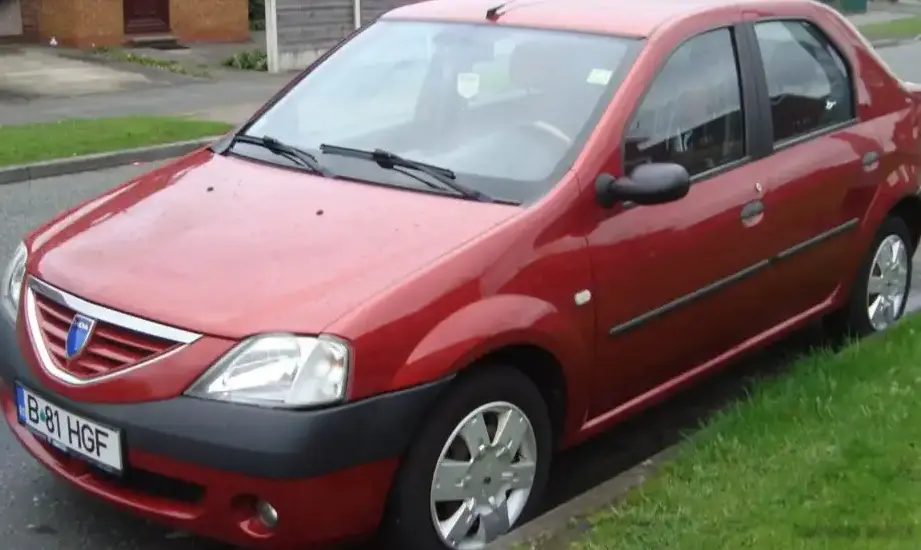
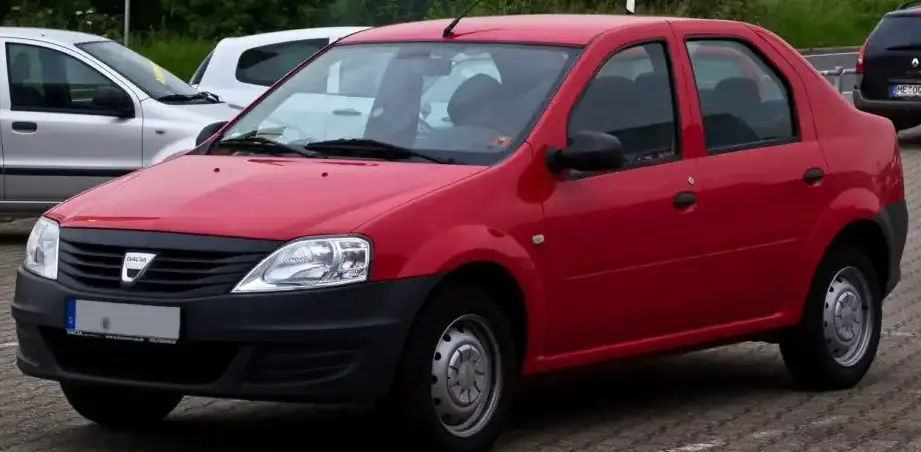
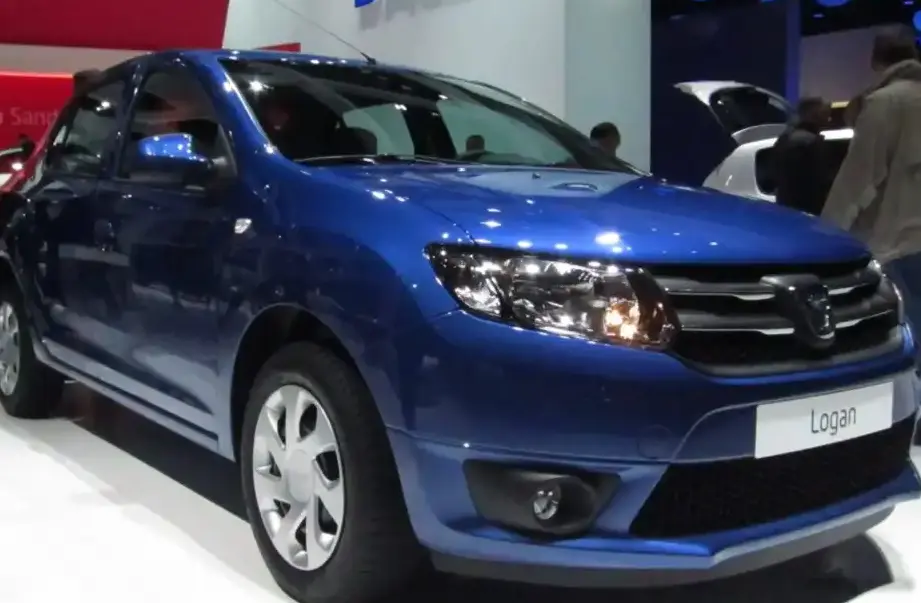
The Dacia Logan II 1.5 dCi (75 hp) FAP, produced between 2012 and 2015, represents an entry-level diesel variant of the second-generation Logan. Positioned as a budget-friendly option within the Logan II range, it aimed to deliver fuel efficiency and practicality for cost-conscious buyers, primarily in European markets. This model was a key component of Dacia’s strategy to offer affordable transportation, leveraging Renault’s engineering expertise while maintaining a low price point. The “FAP” designation indicates the inclusion of a Diesel Particulate Filter, a crucial component for meeting increasingly stringent European emissions standards. The Logan II, launched in 2012, built upon the success of the original Logan, offering improved styling, interior quality, and a wider range of available equipment.
Powertrain & Engine Architecture
The heart of the Logan II 1.5 dCi (75 hp) is the K9K 612 engine, a 1.5-liter inline-four cylinder diesel. This engine is part of the K9K family developed by Renault, and widely used across various models within the Renault-Nissan-Dacia alliance. The K9K 612 features a single overhead camshaft (SOHC) operating two valves per cylinder. It utilizes a common rail direct fuel injection system, delivering fuel at high pressure for optimized combustion. A turbocharger with an intercooler is employed to boost power output and improve efficiency. The 75 horsepower output is achieved at 4000 rpm, while peak torque of 200 Nm (147.51 lb-ft) is available from 1750 rpm. This torque curve provides reasonable low-end grunt, suitable for everyday driving. The engine is transversely mounted at the front of the vehicle. The transmission is a five-speed manual gearbox, chosen for its simplicity and cost-effectiveness. This gearbox is a standard unit found in many Renault and Dacia vehicles of the period, known for its durability and relatively simple maintenance requirements.
Driving Characteristics
The 1.5 dCi 75 hp variant of the Logan II offers modest performance. Acceleration from 0-60 mph takes around 13.9 seconds, and top speed is limited to 101.9 mph. The focus is clearly on fuel economy rather than outright speed. The gear ratios in the five-speed manual transmission are geared towards maximizing efficiency, meaning the engine can feel strained when accelerating quickly or climbing hills. Compared to higher-powered versions of the Logan II, such as those equipped with the 90 hp version of the same engine, this variant feels noticeably slower. However, the readily available torque at low revs makes it relatively easy to drive in urban environments and on winding roads. The manual transmission provides a more engaging driving experience than an automatic, but requires more driver involvement. The suspension is tuned for comfort, absorbing bumps and imperfections in the road surface reasonably well, but it doesn’t provide a particularly sporty or dynamic driving experience.
Equipment & Trim Levels
The 1.5 dCi (75 hp) FAP typically represented the base trim level for the Logan II diesel range. Standard equipment generally included power steering, central locking, electric front windows, and an ABS anti-lock braking system. Interior upholstery was typically cloth, with a functional but basic dashboard layout. Air conditioning was often an optional extra, as were features like a radio/CD player and alloy wheels. The overall interior ambiance was designed to be durable and practical, rather than luxurious. Higher trim levels offered upgrades such as air conditioning, upgraded upholstery, and additional safety features. The emphasis was on providing essential features at the lowest possible cost.
Chassis & Braking
The Logan II utilizes a relatively simple chassis design, prioritizing cost-effectiveness and robustness. The front suspension consists of MacPherson struts, while the rear suspension employs a torsion beam axle. This setup provides a comfortable ride quality, but doesn’t offer the same level of handling precision as more sophisticated suspension systems. Braking is typically handled by disc brakes at the front and drum brakes at the rear. The ABS system helps to prevent wheel lock-up during emergency braking. The steering is a rack and pinion system, providing adequate steering feel and response. The relatively simple braking system is adequate for the vehicle’s performance and weight, but it doesn’t offer the stopping power of more advanced braking systems.
Market Reception & Comparison
The Dacia Logan II 1.5 dCi (75 hp) FAP was well-received in markets where affordability was a primary concern. Critics praised its fuel efficiency and low running costs, but noted its lack of refinement and modest performance. Compared to other trims in the Logan II lineup, the 75 hp version offered the lowest price point, making it attractive to budget-conscious buyers. The 90 hp version of the 1.5 dCi engine provided a noticeable performance improvement, but came at a higher cost. The petrol-powered Logan II variants offered a different driving experience, with more readily available power but lower fuel economy. The Logan II consistently undercut competitors in price, making it a popular choice for those seeking basic, reliable transportation.
Legacy
The K9K engine family, including the K9K 612, has proven to be relatively reliable over the long term, provided it is properly maintained. Common issues include turbocharger failure and injector problems, but these are not widespread. The Logan II 1.5 dCi (75 hp) FAP remains a popular choice in the used car market, particularly for those seeking an affordable and fuel-efficient vehicle. Its simplicity and robust construction make it relatively easy and inexpensive to repair. However, potential buyers should be aware of the potential for diesel particulate filter issues, particularly if the vehicle has been primarily used for short journeys. The Logan II, even in its base 75 hp diesel guise, established Dacia as a significant player in the European automotive market, demonstrating that a new car could be both affordable and reasonably well-equipped.