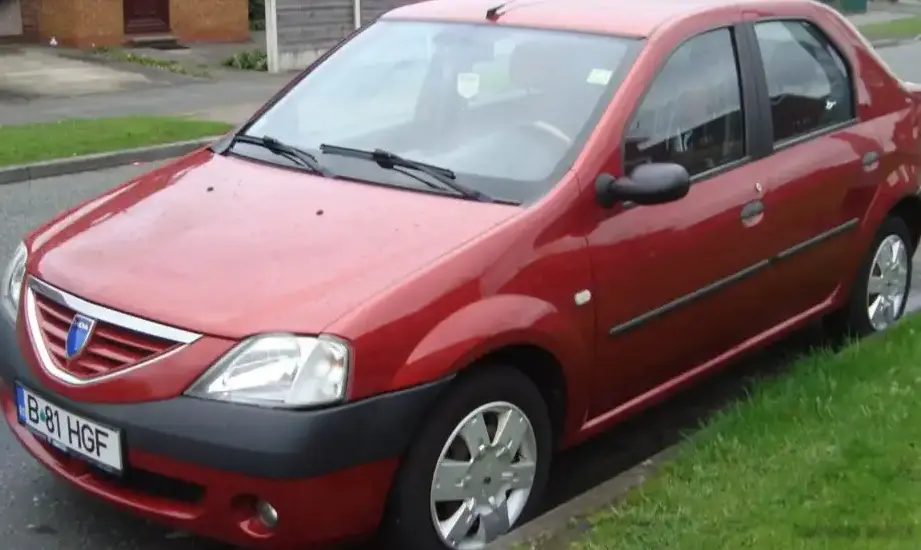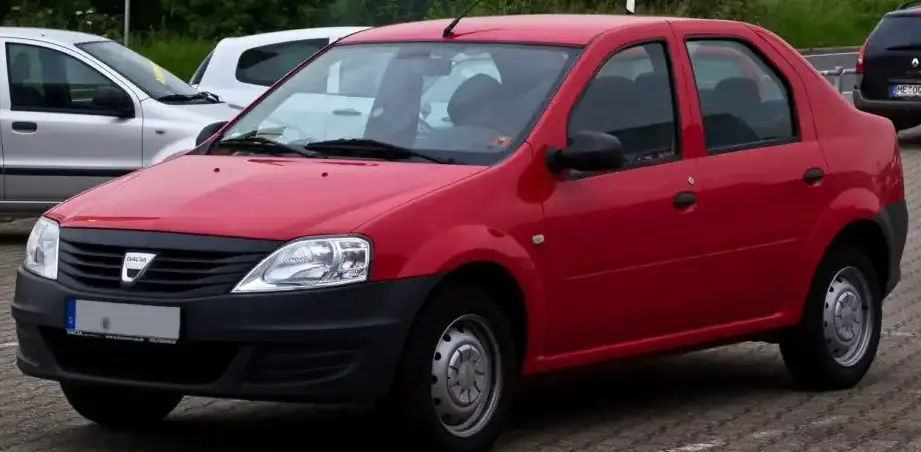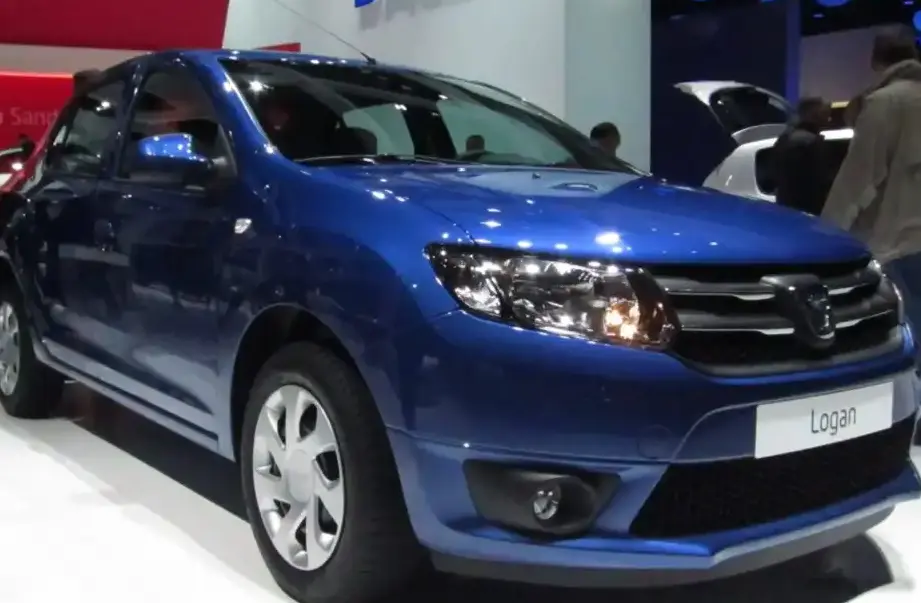
The Dacia Logan II 1.5 dCi (75 hp) Start&Stop FAP was a diesel-powered variant of the second-generation Dacia Logan, produced from 2015 to 2016. Positioned as an entry-level offering within the Logan II range, it aimed to provide affordable and fuel-efficient transportation. This model was primarily marketed in Europe, where demand for economical diesel vehicles remained strong. The Logan II, launched in 2012, represented a significant step up in quality and refinement compared to its predecessor, and the 1.5 dCi variant played a key role in its success, offering a balance between cost and practicality.
Technical Specifications
| Brand | Dacia |
| Model | Logan |
| Generation | Logan II |
| Type (Engine) | 1.5 dCi (75 Hp) Start&Stop FAP |
| Start of production | 2015 |
| End of production | 2016 |
| Powertrain Architecture | Internal Combustion engine |
| Body type | Sedan |
| Seats | 5 |
| Doors | 4 |
| Fuel consumption (urban) | 3.7 l/100 km (63.6 US mpg, 76.3 UK mpg, 27 km/l) |
| Fuel consumption (extra urban) | 3.4 l/100 km (69.2 US mpg, 83.1 UK mpg, 29.4 km/l) |
| Fuel consumption (combined) | 3.5 l/100 km (67.2 US mpg, 80.7 UK mpg, 28.6 km/l) |
| CO2 emissions | 90 g/km |
| Fuel Type | Diesel |
| Acceleration 0 – 100 km/h | 14.6 sec |
| Acceleration 0 – 62 mph | 14.6 sec |
| Acceleration 0 – 60 mph | 13.9 sec |
| Maximum speed | 164 km/h (101.9 mph) |
| Emission standard | Euro 6b |
| Weight-to-power ratio | 14.1 kg/Hp, 70.8 Hp/tonne |
| Weight-to-torque ratio | 5.3 kg/Nm, 188.9 Nm/tonne |
| Power | 75 Hp @ 4000 rpm |
| Power per litre | 51.3 Hp/l |
| Torque | 200 Nm @ 1750 rpm (147.51 lb.-ft. @ 1750 rpm) |
| Engine layout | Front, Transverse |
| Engine Model/Code | K9K 626 |
| Engine displacement | 1461 cm3 (89.16 cu. in.) |
| Number of cylinders | 4 |
| Engine configuration | Inline |
| Cylinder Bore | 76 mm (2.99 in.) |
| Piston Stroke | 80.5 mm (3.17 in.) |
| Number of valves per cylinder | 2 |
| Fuel injection system | Diesel Commonrail |
| Engine aspiration | Turbocharger, Intercooler |
| Engine oil capacity | 4.5 l (4.76 US qt | 3.96 UK qt) |
| Coolant capacity | 4.5 l (4.76 US qt | 3.96 UK qt) |
| Kerb Weight | 1059 kg (2334.7 lbs.) |
| Max. weight | 1590 kg (3505.35 lbs.) |
| Max load | 531 kg (1170.65 lbs.) |
| Trunk (boot) space – minimum | 510 l (18.01 cu. ft.) |
| Trunk (boot) space – maximum | 1250 l (44.14 cu. ft.) |
| Fuel tank capacity | 50 l (13.21 US gal | 11 UK gal) |
| Permitted trailer load with brakes (12%) | 1100 kg (2425.08 lbs.) |
| Permitted trailer load without brakes | 565 kg (1245.61 lbs.) |
| Length | 4346 mm (171.1 in.) |
| Width | 1733 mm (68.23 in.) |
| Height | 1517 mm (59.72 in.) |
| Wheelbase | 2634 mm (103.7 in.) |
| Ride height (ground clearance) | 155 mm (6.1 in.) |
| Minimum turning circle | 10.82 m (35.5 ft.) |
| Drivetrain Architecture | The Internal combustion engine (ICE) drives the front wheels of the vehicle. |
| Drive wheel | Front wheel drive |
| Number of gears and type of gearbox | 5 gears, manual transmission |
| Front brakes | Ventilated discs |
| Rear brakes | Drum |
| Assisting systems | ABS (Anti-lock braking system) |
| Steering type | Steering rack and pinion |
| Power steering | Electric Steering |
| Tires size | 185 / 65 R15 |
| Wheel rims size | 6J x 15 |
Powertrain & Engine Architecture
The heart of the Logan II 1.5 dCi (75 hp) was the K9K 626 engine, a member of Renault’s widely used K9K family of common rail diesel engines. This 1.5-liter, inline-four cylinder engine featured a turbocharger with an intercooler to boost power and efficiency. The engine utilized a two-valve per cylinder configuration and a diesel common rail fuel injection system, delivering fuel at high pressure for optimized combustion. The Start&Stop system, a standard feature, automatically shut off the engine when the vehicle came to a halt, reducing fuel consumption and emissions. This variant was paired with a five-speed manual transmission, chosen for its affordability and simplicity. The engine’s relatively low output was achieved through engine mapping and turbocharger settings, prioritizing fuel economy over outright performance.
Driving Characteristics
The 75 hp output and five-speed manual transmission resulted in a driving experience focused on economy rather than excitement. Acceleration was modest, taking approximately 14.6 seconds to reach 62 mph (100 km/h). The engine produced usable torque at low revs (200 Nm at 1750 rpm), making it adequate for everyday driving and overtaking maneuvers, although it required downshifting for more spirited acceleration. The gear ratios were optimized for fuel efficiency, with a relatively long fifth gear for comfortable cruising on highways. Compared to higher-powered Logan II variants, such as the 90 hp dCi or the petrol engines, the 75 hp version felt noticeably slower, particularly when fully loaded or climbing hills. However, its lighter weight and efficient engine contributed to excellent fuel economy.
Equipment & Trim Levels
The 1.5 dCi (75 hp) Start&Stop FAP typically represented the base trim level for the Logan II. Standard equipment generally included power steering, central locking, electric front windows, and an ABS anti-lock braking system. Interior upholstery was typically cloth, and the dashboard featured a functional, if somewhat basic, design. Optional extras included air conditioning, a radio with CD player, and alloy wheels. The focus was on providing essential features at an affordable price point, making it an attractive option for budget-conscious buyers. Safety features were limited to the basics, reflecting the car’s positioning in the market.
Chassis & Braking
The Logan II featured a MacPherson strut front suspension and a torsion beam rear suspension. The braking system consisted of ventilated discs on the front wheels and drum brakes on the rear. This configuration was chosen to balance cost and performance, providing adequate stopping power for the vehicle’s weight and power output. The suspension setup prioritized ride comfort over sporty handling, offering a relatively soft and forgiving ride quality. Stabilizer bars were fitted to both axles to reduce body roll during cornering, but the overall handling characteristics were geared towards practicality and ease of driving.
Market Reception & Comparison
The Dacia Logan II 1.5 dCi (75 hp) was well-received in markets where fuel efficiency and affordability were paramount. Critics praised its low running costs and practicality, but noted its lack of refinement and modest performance. Compared to other trims in the Logan II lineup, the 75 hp version offered the lowest price point but sacrificed performance and some features. The 90 hp dCi variant provided a noticeable performance boost for a relatively small price increase, making it a popular alternative. Against competitors like the Skoda Fabia or Peugeot 208, the Logan II offered more space and practicality for a similar price, but lacked the brand prestige and refinement of those models.
Legacy
The K9K engine family, including the 626 variant used in the Logan II 1.5 dCi (75 hp), has proven to be remarkably durable and reliable. While early common rail diesels were sometimes prone to issues, the K9K engine has generally enjoyed a good reputation for longevity. In the used car market, these Logans are often sought after for their affordability and fuel efficiency. Regular maintenance, including oil changes and filter replacements, is crucial for ensuring long-term reliability. The 1.5 dCi (75 hp) variant remains a viable option for buyers seeking a low-cost, economical vehicle, although potential buyers should be aware of its modest performance and basic features.