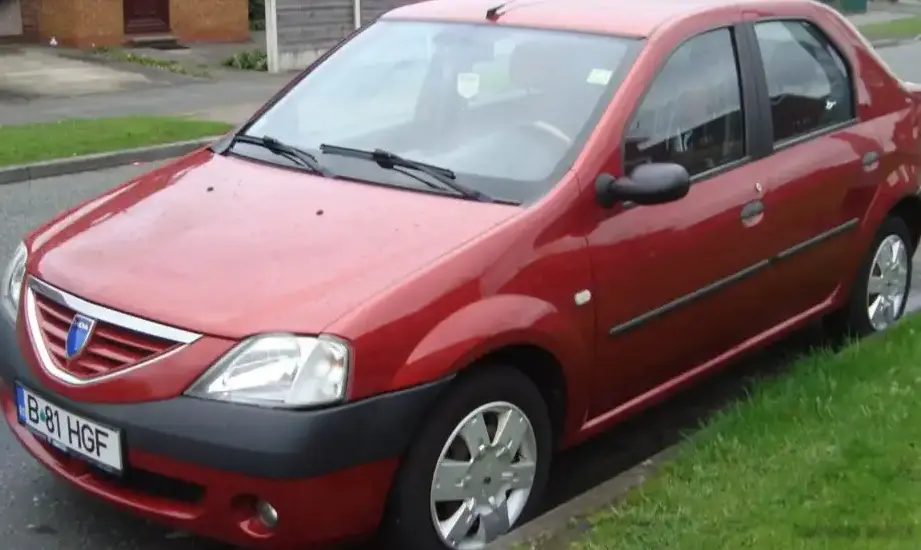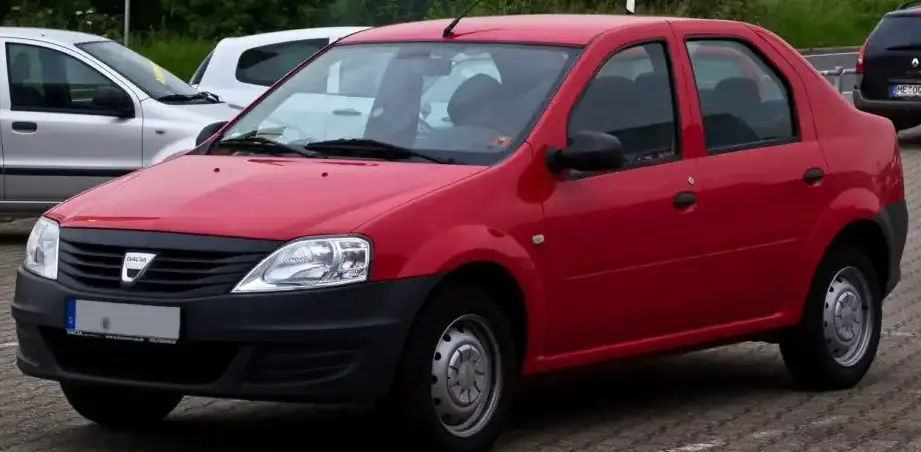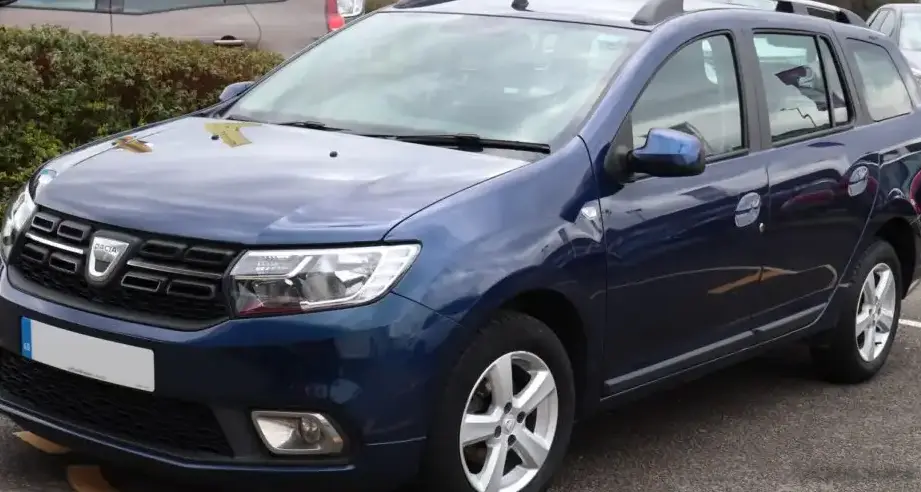
The Dacia Logan II MCV (facelift 2017) 1.0 TCe (101 hp) represents a notable iteration within the second generation of Dacia’s popular estate car. Introduced in 2019 and remaining in production until September 2020, this variant occupied a key position in the Logan MCV lineup, offering a balance between fuel efficiency and acceptable performance for budget-conscious buyers. It was primarily marketed in Europe, where the station wagon body style remains highly popular, and aimed to provide practical transportation for families and businesses. The facelift brought styling updates and, crucially, the introduction of this downsized turbocharged engine option.
Technical Specifications
| Brand | Dacia |
| Model | Logan |
| Generation | Logan II MCV (facelift 2017) |
| Type (Engine) | 1.0 TCe (101 Hp) |
| Start of production | 2019 |
| End of production | September, 2020 |
| Powertrain Architecture | Internal Combustion engine |
| Body type | Station wagon (estate) |
| Seats | 5 |
| Doors | 5 |
| Fuel consumption (combined NEDC) | 5 l/100 km (47 US mpg, 56.5 UK mpg, 20 km/l) |
| CO2 emissions (NEDC) | 113 g/km |
| Fuel Type | Petrol (Gasoline) |
| Emission standard | Euro 6d-TEMP |
| Power | 101 Hp @ 5000 rpm |
| Power per litre | 101.1 Hp/l |
| Torque | 160 Nm @ 2000 rpm (118.01 lb.-ft. @ 2000 rpm) |
| Engine layout | Front, Transverse |
| Engine Model/Code | H4Dt |
| Engine displacement | 999 cm3 (60.96 cu. in.) |
| Number of cylinders | 3 |
| Engine configuration | Inline |
| Number of valves per cylinder | 4 |
| Fuel injection system | Multi-port manifold injection |
| Engine aspiration | Turbocharger, Intercooler |
| Engine oil capacity | 4.1 l (4.33 US qt | 3.61 UK qt) |
| Coolant capacity | 4.5 l (4.76 US qt | 3.96 UK qt) |
| Trunk (boot) space – minimum | 573 l (20.24 cu. ft.) |
| Trunk (boot) space – maximum | 1518 l (53.61 cu. ft.) |
| Fuel tank capacity | 50 l (13.21 US gal | 11 UK gal) |
| Length | 4501 mm (177.2 in.) |
| Width | 1733 mm (68.23 in.) |
| Width including mirrors | 1994 mm (78.5 in.) |
| Height | 1552 mm (61.1 in.) |
| Wheelbase | 2635 mm (103.74 in.) |
| Front track | 1497 mm (58.94 in.) |
| Rear track | 1486 mm (58.5 in.) |
| Front overhang | 827 mm (32.56 in.) |
| Rear overhang | 1040 mm (40.94 in.) |
| Ride height (ground clearance) | 128 mm (5.04 in.) |
| Minimum turning circle | 10.8 m (35.43 ft.) |
| Drivetrain Architecture | Front wheel drive |
| Number of gears and type of gearbox | 5 gears, manual transmission |
| Front brakes | Ventilated discs, 258×22 mm |
| Rear brakes | Drum |
| Steering type | Steering rack and pinion |
| Power steering | Hydraulic Steering |
| Tires size | 185/65 R15 |
| Wheel rims size | 6J x 15 |
Powertrain & Engine Architecture
The heart of this Logan MCV variant is the Renault-sourced H4Dt 1.0 TCe engine. This is a three-cylinder, turbocharged petrol engine with a displacement of 999cc. It utilizes multi-point fuel injection and an intercooled turbocharger to deliver 101 horsepower at 5000 rpm and 160 Nm (118 lb-ft) of torque at 2000 rpm. The engine is notable for its relatively small size and focus on efficiency. The H4Dt engine is part of Renault’s ‘Energy’ family, designed to minimize fuel consumption and emissions. It features a timing chain for durability and is known for its responsiveness, despite its modest output. The engine is paired with a five-speed manual transmission, which was the sole gearbox option for this configuration. The transmission is a conventional setup, prioritizing simplicity and reliability over advanced features.
Driving Characteristics
The 1.0 TCe engine, coupled with the five-speed manual gearbox, provides adequate performance for everyday driving. Acceleration is not brisk, but sufficient for merging onto highways and overtaking slower traffic. The engine’s torque peak at 2000 rpm provides a usable amount of pulling power in most situations. Compared to the earlier 0.9 TCe 90hp version, the 101hp variant offers a slightly more refined driving experience, with a broader powerband. However, it doesn’t match the responsiveness of higher-spec Logan MCV models equipped with larger engines. The gear ratios are well-chosen for fuel economy, but may require frequent shifting when driving uphill or with a full load. The hydraulic power steering provides a direct and communicative feel, enhancing driver confidence.
Equipment & Trim Levels
The 1.0 TCe (101 hp) trim typically sat in the mid-range of the Logan MCV lineup. Standard equipment generally included air conditioning, power front windows, central locking, and a basic audio system with USB connectivity. Safety features such as ABS, ESP (Electronic Stability Program), and front airbags were also standard. Higher trim levels offered additional features like alloy wheels, rear parking sensors, a touchscreen infotainment system, and cruise control. Interior upholstery was typically cloth, with a durable and practical design. The dashboard layout was functional and straightforward, prioritizing ease of use over aesthetic appeal.
Chassis & Braking
The Logan MCV’s chassis is a simple, yet effective, design. It utilizes a MacPherson strut front suspension and a torsion beam rear suspension. The front brakes are ventilated discs, providing adequate stopping power, while the rear brakes are drums, a cost-saving measure common in this segment. The suspension is tuned for comfort, absorbing bumps and imperfections in the road surface reasonably well. Stabilizer bars are fitted to both the front and rear axles to reduce body roll during cornering. The steering is a hydraulic rack and pinion system, offering a direct and responsive feel. Tire size is typically 185/65 R15, providing a good balance between comfort and handling.
Market Reception & Comparison
The Dacia Logan II MCV 1.0 TCe (101 hp) was generally well-received by critics as a practical and affordable estate car. It was praised for its spacious interior, large boot capacity, and fuel efficiency. However, some reviewers noted that the engine could feel strained when fully loaded or driving uphill. Compared to other trims in the Logan MCV lineup, the 1.0 TCe offered a good compromise between performance and economy. It was more affordable than the higher-powered variants, but provided a more refined driving experience than the base-level engines. Fuel economy figures of around 5 liters per 100km (47 US mpg) were competitive for its class.
Legacy
The H4Dt 1.0 TCe engine has proven to be a relatively reliable unit, although some owners have reported issues with the turbocharger and fuel injectors. Regular maintenance, including oil changes and filter replacements, is crucial for ensuring long-term reliability. In the used car market, the Logan MCV 1.0 TCe (101 hp) represents a good value proposition for buyers seeking a practical and affordable estate car. Its spacious interior, fuel efficiency, and relatively low running costs make it an attractive option for families and businesses. While not a performance car, it provides a comfortable and reliable driving experience for everyday use.