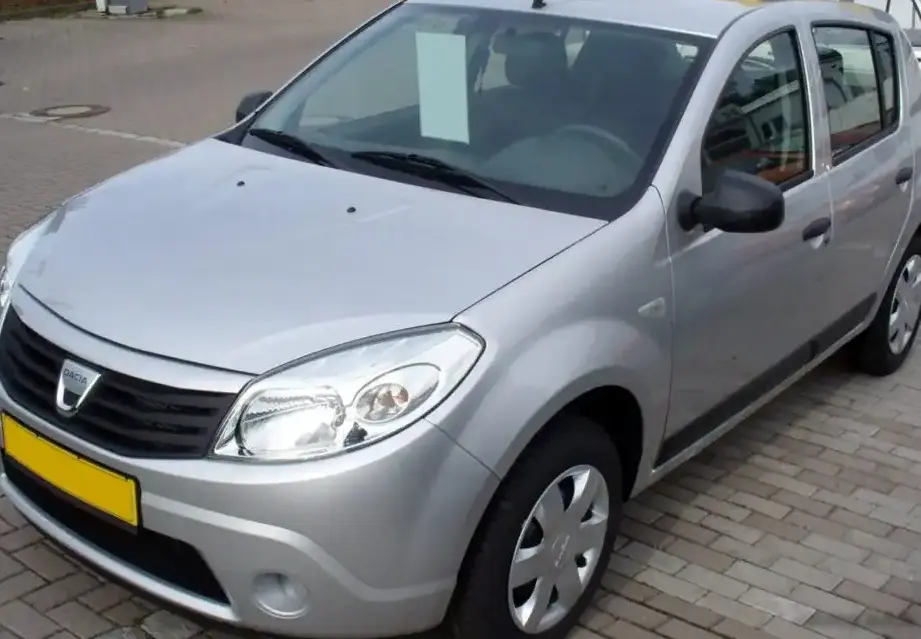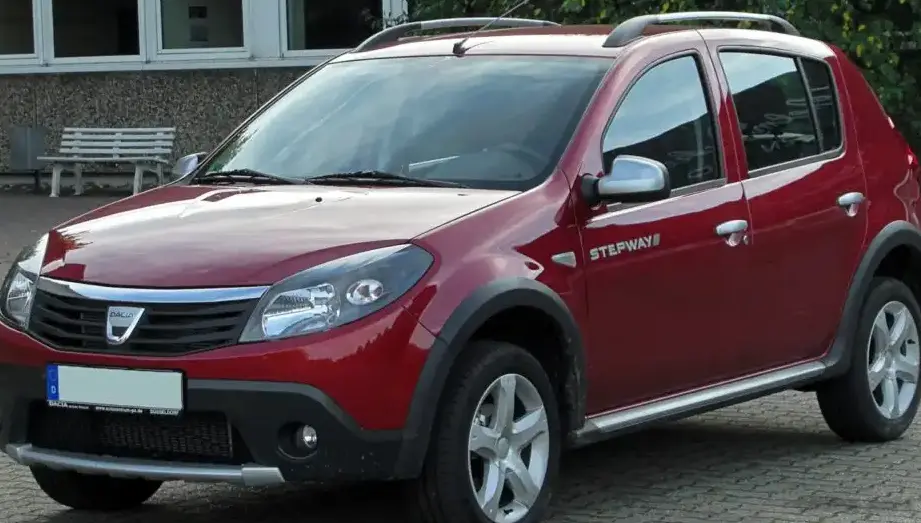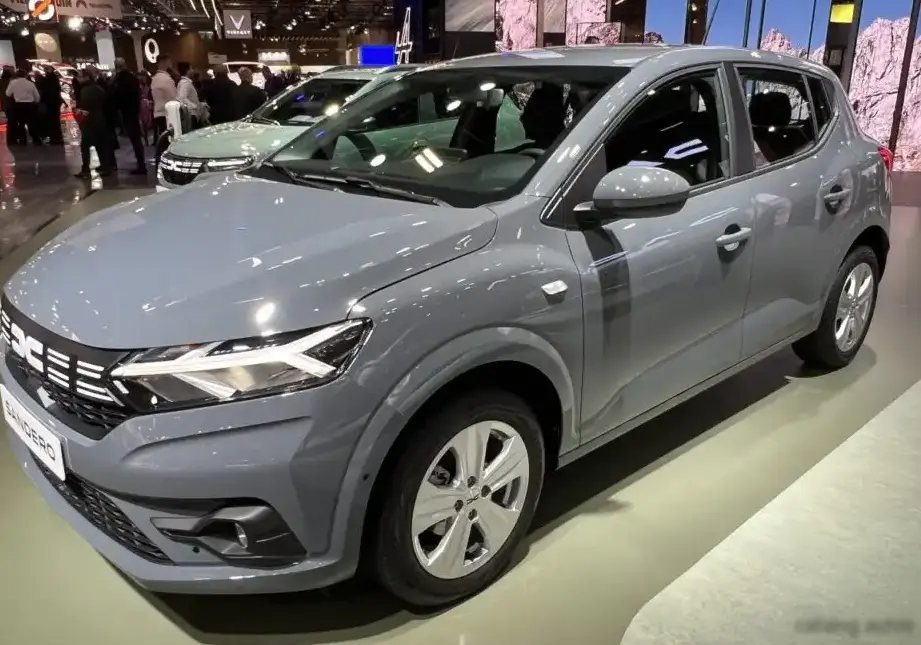
The Dacia Sandero III (facelift 2022) 1.0 TCe (100 hp) represents a significant iteration within the third generation of Dacia’s popular supermini. Introduced as part of the 2022 facelift, this variant aimed to balance affordability with improved efficiency and a touch more performance than the base models. Positioned as a mid-range offering, it slotted between the entry-level Essential trim and the more fully-equipped Extreme version. Production of this specific configuration ran from 2022 through December 2025, catering primarily to the European market where Dacia has established itself as a value-focused brand. The Sandero III, built on the shared Renault-Nissan CMF-B platform, aimed to provide practical transportation with a modern aesthetic.
Technical Specifications
| Brand | Dacia |
| Model | Sandero |
| Generation | Sandero III (facelift 2022) |
| Type (Engine) | 1.0 TCe (100 Hp) |
| Start of production | 2022 |
| End of production | December, 2025 |
| Powertrain Architecture | Internal Combustion engine |
| Body type | Hatchback |
| Seats | 5 |
| Doors | 5 |
| Fuel consumption (combined) | 5.5 l/100 km (42.8 US mpg, 51.4 UK mpg, 18.2 km/l) |
| CO2 emissions | 127 g/km |
| Fuel Type | Petrol (Gasoline) |
| Power | 100 Hp @ 5000 rpm |
| Power per litre | 100.1 Hp/l |
| Torque | 160 Nm @ 2000-3750 rpm (118.01 lb.-ft. @ 2000-3750 rpm) |
| Engine layout | Front, Transverse |
| Engine Model/Code | H4Dt |
| Engine displacement | 999 cm3 (60.96 cu. in.) |
| Number of cylinders | 3 |
| Engine configuration | Inline |
| Cylinder Bore | 72.2 mm (2.84 in.) |
| Piston Stroke | 81.35 mm (3.2 in.) |
| Number of valves per cylinder | 4 |
| Fuel injection system | Multi-port manifold injection |
| Engine aspiration | Turbocharger, Intercooler |
| Valvetrain | DOHC |
| Engine oil capacity | 4.1 l (4.33 US qt | 3.61 UK qt) |
| Trunk (boot) space – minimum | 328 l (11.58 cu. ft.) |
| Trunk (boot) space – maximum | 1108 l (39.13 cu. ft.) |
| Fuel tank capacity | 50 l (13.21 US gal | 11 UK gal) |
| Length | 4088 mm (160.94 in.) |
| Width | 1848 mm (72.76 in.) |
| Width including mirrors | 2007 mm (79.02 in.) |
| Height | 1499 mm (59.02 in.) |
| Wheelbase | 2604 mm (102.52 in.) |
| Front track | 1533 mm (60.35 in.) |
| Rear track | 1519 mm (59.8 in.) |
| Front overhang | 819 mm (32.24 in.) |
| Rear overhang | 666 mm (26.22 in.) |
| Ride height (ground clearance) | 162 mm (6.38 in.) |
| Minimum turning circle | 10.53 m (34.55 ft.) |
| Drivetrain Architecture | Front wheel drive |
| Number of gears and type of gearbox | 5 gears, manual transmission |
| Front suspension | Independent, type McPherson with coil spring and anti-roll bar |
| Rear suspension | Semi-dependent beam with stabilizer lateral stability |
| Front brakes | Ventilated discs |
| Rear brakes | Drum, 203 mm |
| Assisting systems | ABS (Anti-lock braking system) |
| Steering type | Steering rack and pinion |
| Power steering | Electric Steering |
| Tires size | 185/65 R15 |
| Wheel rims size | 15 |
Powertrain & Engine Architecture
The heart of the Sandero III 1.0 TCe (100 hp) is the Renault-developed H4Dt engine, a three-cylinder, 999cc turbocharged petrol unit. This engine is part of the larger ‘TCe’ family, known for its compact size and focus on efficiency. The H4Dt utilizes multi-point fuel injection and a single turbocharger with an intercooler to boost power output. The engine features a double overhead camshaft (DOHC) valvetrain with four valves per cylinder, contributing to its relatively responsive nature. The 100 hp output is achieved at 5000 rpm, while peak torque of 160 Nm (118 lb-ft) is available between 2000 and 3750 rpm. This broad torque curve is a key characteristic, providing usable power across a wide range of engine speeds. The engine is paired with a five-speed manual transmission, which was the standard offering for this variant. While an automated manual transmission (AMT) was available on some Sandero models, it wasn’t typically paired with this specific engine output.
Driving Characteristics
The 1.0 TCe 100 hp Sandero offers a noticeable step up in performance compared to the base 1.0-liter naturally aspirated engine. While not a sports car by any means, the turbocharger provides a useful boost of power for overtaking and merging onto highways. The five-speed manual transmission is well-matched to the engine’s characteristics, allowing drivers to keep the engine within its optimal torque band. Gear ratios are fairly conventional, prioritizing fuel economy over outright acceleration. Compared to higher-output versions of the Sandero, such as those with more powerful engines, the 1.0 TCe feels less strained at higher speeds, but also lacks the same level of outright punch. The lighter weight of the three-cylinder engine contributes to a slightly more nimble feel in corners compared to models with larger, heavier engines.
Equipment & Trim Levels
The 1.0 TCe (100 hp) trim typically included features such as air conditioning, power steering, electric front windows, and a basic audio system with USB connectivity. Safety equipment included ABS, emergency brake assist, and driver/passenger airbags. Higher trim levels added features like alloy wheels, a touchscreen infotainment system with smartphone integration (Apple CarPlay and Android Auto), rear parking sensors, and cruise control. Interior upholstery was typically cloth, with a functional and durable design. Optional extras included metallic paint, a panoramic sunroof, and upgraded audio systems.
Chassis & Braking
The Sandero III utilizes a McPherson strut front suspension and a semi-independent torsion beam rear suspension. This setup provides a reasonable balance between ride comfort and handling. The front suspension incorporates a stabilizer bar to reduce body roll during cornering. Braking duties are handled by ventilated discs at the front and drum brakes at the rear. ABS (Anti-lock Braking System) is standard, providing enhanced braking performance in emergency situations. The chassis is tuned for comfort and practicality, rather than sporty handling. The relatively narrow tires (typically 185/65 R15) contribute to a comfortable ride but limit grip in demanding driving conditions.
Market Reception & Comparison
The Dacia Sandero III 1.0 TCe (100 hp) was generally well-received by automotive critics as a practical and affordable option in the supermini segment. It was praised for its fuel efficiency, comfortable ride, and surprisingly spacious interior. However, some reviewers noted that the engine could feel a little strained when fully loaded or driving uphill. Compared to other trims in the Sandero lineup, the 1.0 TCe offered a good balance between performance and economy. It was more enjoyable to drive than the base engine, but less expensive than the higher-output options. In terms of reliability, the H4Dt engine has proven to be generally robust, although regular maintenance is essential to prevent issues with the turbocharger and fuel injection system.
Legacy
The Dacia Sandero III 1.0 TCe (100 hp) has become a popular choice in the used car market, particularly for buyers seeking an affordable and reliable supermini. The H4Dt engine, while not known for its blistering performance, has demonstrated reasonable long-term durability. Common issues reported by owners include occasional turbocharger problems and fuel injector clogging, but these are typically addressed with regular servicing. The Sandero’s simple design and readily available parts contribute to relatively low maintenance costs. As a result, this variant continues to represent a good value proposition for budget-conscious buyers.