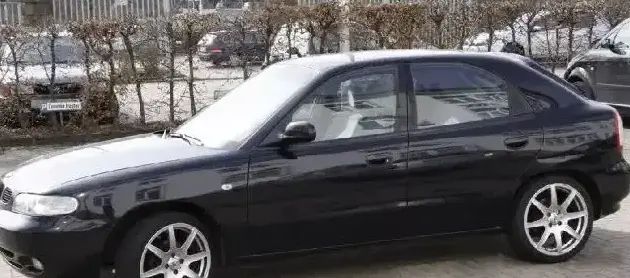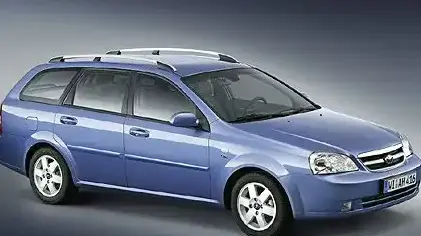
The Daewoo Nubira Wagon III 1.6 i 16V, produced from 2004 to 2005, represented a relatively late iteration of the Nubira line, a compact car initially introduced in 1997. This wagon variant, part of the J100 series, aimed to provide practical family transportation with a focus on affordability. Positioned as a mid-range offering within the Nubira Wagon lineup, it slotted between the base 1.6L engine and potentially higher-trim levels with more features, though higher trims were less common in many markets. The Nubira, and subsequently the Wagon, was a key model for Daewoo, representing their attempt to establish a foothold in the competitive compact car segment, particularly in Europe and emerging markets. Following General Motors’ acquisition of Daewoo Motors in 2002, the Nubira was rebranded as the Chevrolet Nubira in some regions.
Technical Specifications
| Brand | Daewoo |
| Model | Nubira |
| Generation | Nubira Wagon III |
| Type (Engine) | 1.6 i 16V (110 Hp) |
| Start of Production | 2004 |
| End of Production | 2005 |
| Powertrain Architecture | Internal Combustion Engine |
| Body Type | Station Wagon (Estate) |
| Fuel Type | Petrol (Gasoline) |
| Power | 110 Hp |
| Engine Model/Code | F16D3 |
| Engine Aspiration | Naturally Aspirated |
| Engine Oil Capacity | 3.75 l (3.96 US qt | 3.3 UK qt) |
| Coolant Capacity | 7.2 l (7.61 US qt | 6.34 UK qt) |
Powertrain & Engine Architecture
The heart of the Nubira Wagon III 1.6 i 16V is the F16D3 engine, a 1.6-liter inline-four cylinder gasoline engine. This engine is a naturally aspirated design, meaning it doesn’t utilize a turbocharger or supercharger to force air into the cylinders. It features a dual overhead camshaft (DOHC) configuration with four valves per cylinder (16V), contributing to improved breathing and efficiency compared to older single overhead cam designs. The F16D3 utilizes multi-point fuel injection, delivering fuel directly to each intake port. While not cutting-edge technology at the time, this system provided a good balance of fuel economy and performance. The engine’s block is constructed from cast iron for durability, while the cylinder head is typically aluminum alloy to reduce weight. The transmission paired with this engine was typically a four-speed automatic, though a five-speed manual transmission was also available. The automatic transmission was chosen for its ease of use and appeal to buyers prioritizing comfort over sporty driving dynamics.
Driving Characteristics
The 110 horsepower output of the F16D3 engine, when coupled with the four-speed automatic transmission, resulted in a driving experience geared towards practicality rather than performance. Acceleration was adequate for everyday driving, but not particularly brisk. The automatic transmission’s gear ratios were tuned for fuel efficiency and smooth operation, rather than aggressive shifts. This meant that overtaking maneuvers required careful planning, and the engine could feel strained when climbing hills or carrying a full load. Compared to the manual transmission version, the automatic Nubira Wagon experienced a noticeable reduction in responsiveness. The manual offered more direct control and allowed the engine to operate within its optimal power band more effectively. The automatic, while convenient, added weight and reduced the amount of power reaching the wheels. Steering feel was generally light, and the suspension was tuned for comfort, providing a reasonably smooth ride over most road surfaces.
Equipment & Trim Levels
The Nubira Wagon III 1.6 i 16V typically came equipped with a reasonable level of standard features for its price point. These generally included power windows, power door locks, and air conditioning. The interior upholstery was usually cloth, with a relatively simple dashboard layout. Optional extras could include an upgraded audio system, alloy wheels, and a sunroof. Safety features were fairly basic for the era, typically including dual front airbags and anti-lock brakes (ABS) on some trims. The specific trim level dictated the availability of these optional features. Higher trims, though less common, might have included features like a trip computer and upgraded interior trim materials. The Wagon body style itself added to the practicality, offering a significantly larger cargo area compared to the sedan version.
Chassis & Braking
The Nubira Wagon III utilized a MacPherson strut front suspension and a multi-link rear suspension. This suspension setup aimed to provide a balance of ride comfort and handling stability. The front suspension featured a stabilizer bar to reduce body roll during cornering. The rear suspension design helped to isolate road imperfections and improve ride quality. Braking duties were typically handled by disc brakes on the front wheels and drum brakes on the rear wheels. ABS was often included as standard equipment, enhancing braking performance and control, particularly in slippery conditions. The chassis was a traditional body-on-frame construction, which contributed to its relatively low cost but also resulted in a slightly heavier vehicle compared to more modern unibody designs.
Market Reception & Comparison
The Daewoo Nubira Wagon III 1.6 i 16V received mixed reviews from automotive critics. It was generally praised for its spacious interior, practical wagon body style, and affordable price. However, it was often criticized for its lackluster performance, particularly with the automatic transmission, and its somewhat basic interior materials. Compared to other compact wagons available at the time, such as the Ford Focus Wagon or the Opel/Vauxhall Astra Estate, the Nubira Wagon offered a more budget-friendly option, but lacked the refinement and driving dynamics of its European competitors. Fuel economy was reasonable, but not class-leading. Reliability was generally considered average, with some reports of minor electrical issues. The 1.6L engine proved to be relatively durable, but the automatic transmission could be prone to wear and tear with high mileage.
Legacy
The Daewoo Nubira Wagon III 1.6 i 16V, while not a standout performer, served as a practical and affordable family vehicle for many owners. The F16D3 engine, while not known for its power, proved to be reasonably reliable with proper maintenance. Today, these vehicles are relatively rare and are primarily found in the hands of enthusiasts or as budget-friendly transportation options. Parts availability can be a challenge, as Daewoo/Chevrolet no longer actively supports the model. However, many parts are still available through aftermarket suppliers or salvaged vehicles. The Nubira Wagon represents a transitional period in automotive history, bridging the gap between the older, simpler designs of the past and the more sophisticated, technologically advanced vehicles of the present. Its legacy lies in providing affordable transportation to a wide range of buyers during its production run.