
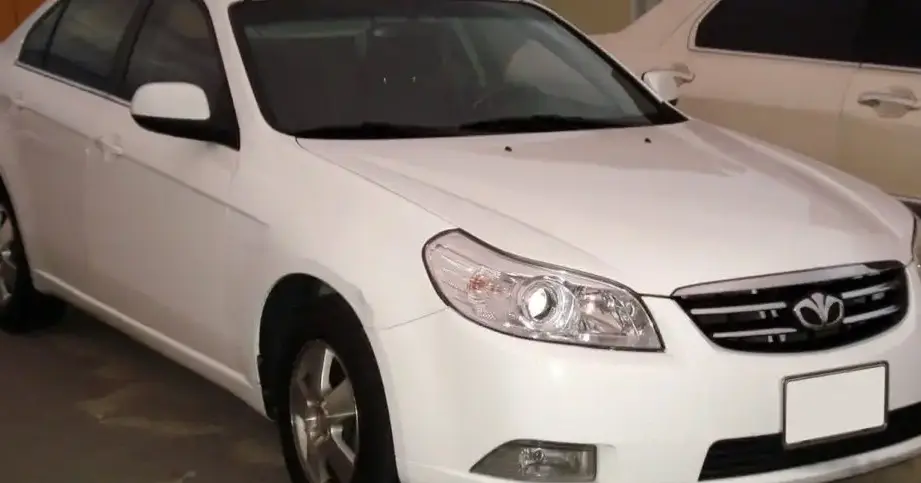
The Daewoo Tosca 2.0i R6 24V, produced between 2006 and 2011, represented a significant step in Daewoo’s (later Chevrolet) attempt to establish a foothold in the mid-size sedan market. Positioned as a more refined offering than its predecessors, the Tosca aimed to compete with established Japanese and European rivals. This particular variant, equipped with the 2.0-liter inline-six engine and a five-speed manual transmission, occupied a middle ground within the Tosca lineup, offering a balance between performance and affordability. The Tosca itself was based on the Opel/Vauxhall Vectra C platform, a result of General Motors’ ownership of Daewoo. It was sold under the Chevrolet brand in many markets following GM’s restructuring.
Technical Specifications
| Brand | Daewoo |
| Model | Tosca |
| Generation | Tosca |
| Type (Engine) | 2.0i R6 24V (142 Hp) |
| Start of production | 2006 |
| End of production | 2011 |
| Powertrain Architecture | Internal Combustion engine |
| Body type | Sedan |
| Seats | 5 |
| Doors | 4 |
| Fuel Type | Petrol (Gasoline) |
| Power | 142 Hp @ 5800 rpm |
| Power per litre | 71.3 Hp/l |
| Torque | 187 Nm @ 3800 rpm / 137.92 lb.-ft. @ 3800 rpm |
| Engine layout | Front, Transverse |
| Engine displacement | 1992 cm3 / 121.56 cu. in. |
| Number of cylinders | 6 |
| Engine configuration | Inline |
| Compression ratio | 10:1 |
| Number of valves per cylinder | 4 |
| Fuel injection system | Multi-port manifold injection |
| Engine aspiration | Naturally aspirated engine |
| Engine oil capacity | 6.4 l / 6.76 US qt | 5.63 UK qt |
| Trunk (boot) space – minimum | 480 l / 16.95 cu. ft. |
| Fuel tank capacity | 65 l / 17.17 US gal | 14.3 UK gal |
| Length | 4805 mm / 189.17 in. |
| Width | 1810 mm / 71.26 in. |
| Height | 1450 mm / 57.09 in. |
| Wheelbase | 2700 mm / 106.3 in. |
| Front track | 1550 mm / 61.02 in. |
| Rear (Back) track | 1545 mm / 60.83 in. |
| Drivetrain Architecture | The Internal combustion engine (ICE) drives the front wheels of the vehicle. |
| Drive wheel | Front wheel drive |
| Number of gears and type of gearbox | 5 gears, manual transmission |
| Front suspension | Spring Strut |
| Rear suspension | Coil spring |
| Front brakes | Ventilated discs |
| Rear brakes | Disc |
| Assisting systems | ABS (Anti-lock braking system) |
| Steering type | Steering rack and pinion |
| Power steering | Hydraulic Steering |
| Tires size | 205/65 R15 |
| Wheel rims size | 6J x 15 |
Powertrain & Engine Architecture
The heart of the Tosca 2.0i is the 1992cc inline-six cylinder engine, designated as a naturally aspirated powerplant. This engine, while not a cutting-edge design, offered a smooth and relatively refined driving experience compared to the four-cylinder options available in other Tosca trims. The engine utilized a multi-port fuel injection system, delivering fuel directly into the intake ports, optimizing combustion efficiency. The 24-valve configuration (four valves per cylinder) further enhanced breathing and contributed to the engine’s power output. The engine’s inline-six configuration inherently provides better balance than inline-four engines, resulting in reduced vibrations. The five-speed manual transmission was a standard offering, providing drivers with direct control over gear selection. The transmission’s gear ratios were tuned for a balance of acceleration and fuel economy, though it wasn’t particularly sporty in its gearing.
Driving Characteristics
The 142 horsepower and 187 Nm (137.92 lb-ft) of torque delivered by the 2.0i engine provided adequate performance for everyday driving. Acceleration was respectable, though not particularly brisk, with a 0-60 mph time estimated around 9-10 seconds. The manual transmission allowed for more engaging driving experience compared to the available automatic option. The gear ratios were spaced to provide reasonable acceleration in each gear, but the engine lacked the low-end grunt of turbocharged alternatives. The front-wheel-drive configuration offered predictable handling, but could exhibit some understeer when pushed hard in corners. Compared to the base model Tosca with the smaller engine, the 2.0i offered a noticeable improvement in responsiveness and overall driving enjoyment.
Equipment & Trim Levels
The Tosca 2.0i typically came equipped with a reasonable level of standard features. Interior appointments included cloth upholstery, power windows and locks, and a basic audio system. Air conditioning was generally standard. Higher trim levels offered upgrades such as leather upholstery, a sunroof, upgraded audio systems, and alloy wheels. The dashboard layout was functional but somewhat dated, reflecting the platform’s origins. Optional extras included a CD changer, upgraded speakers, and various cosmetic enhancements.
Chassis & Braking
The Tosca utilized a conventional suspension setup, with MacPherson struts at the front and a coil spring arrangement at the rear. This setup provided a comfortable ride quality, absorbing bumps and imperfections in the road surface effectively. The front brakes were ventilated discs, providing adequate stopping power, while the rear brakes were solid discs. Anti-lock Braking System (ABS) was standard, enhancing safety by preventing wheel lockup during hard braking. The steering was rack and pinion with hydraulic power assistance, offering a reasonably responsive feel.
Market Reception & Comparison
The Daewoo Tosca 2.0i received mixed reviews from automotive critics. While praised for its comfortable ride and relatively spacious interior, it was often criticized for its somewhat bland styling and lack of a truly engaging driving experience. Compared to its competitors, such as the Honda Accord and Toyota Camry, the Tosca offered a more affordable price point but lacked the same level of refinement and brand recognition. The 2.0i variant was generally considered a good value, offering a noticeable performance upgrade over the base models without a significant price increase. Fuel economy was average for its class, falling in line with other mid-size sedans of the era.
Legacy
The Daewoo Tosca, and specifically the 2.0i variant, has become a relatively affordable and reliable used car option. The inline-six engine, while not known for exceptional longevity, is generally considered durable with proper maintenance. Common issues include oil leaks and wear on suspension components. Parts availability can be a challenge in some regions, as Daewoo/Chevrolet no longer actively supports the model. However, the Tosca’s relatively simple mechanical design makes it accessible for DIY repairs. Today, the Tosca 2.0i represents a somewhat overlooked but capable mid-size sedan, offering a comfortable and practical transportation solution for budget-conscious buyers.
