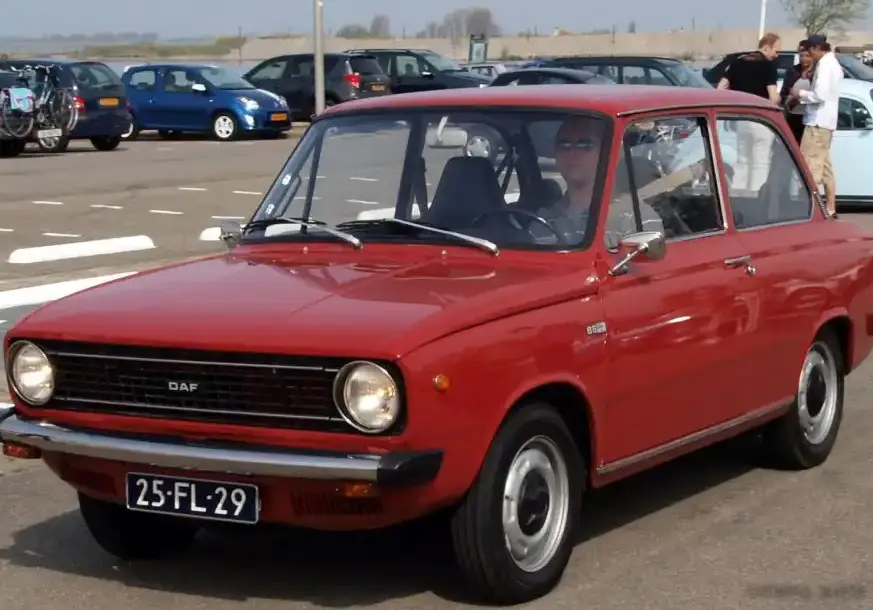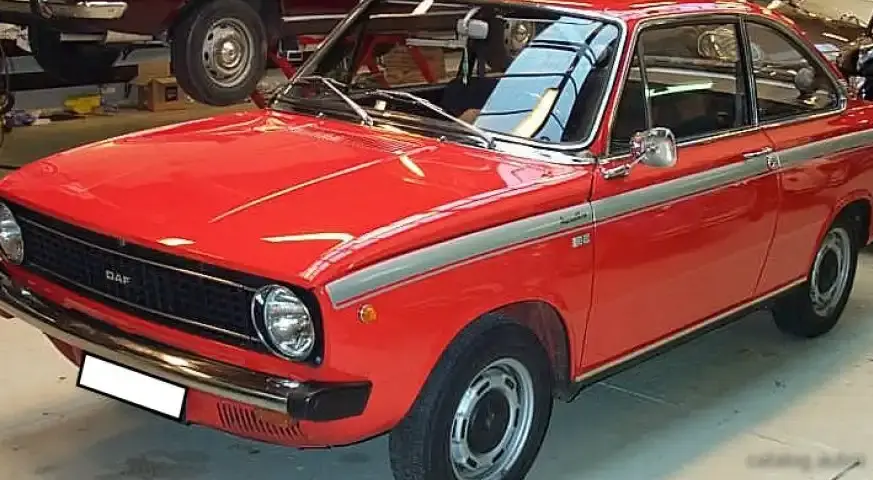
The DAF 66 Combi 1.1, produced between 1972 and 1975, represents a significant iteration of the DAF 66 model line, specifically tailored for practicality and affordability. As a station wagon (estate) variant, the Combi aimed to provide increased cargo capacity and versatility compared to the standard sedan. This particular version, equipped with a 1.1-liter engine producing 48 horsepower, served as the entry-level offering within the 66 range, appealing to families and those prioritizing economy over outright performance. It was a key part of DAF’s strategy to offer a modern, accessible vehicle in the European market, particularly in the Netherlands, where DAF held a strong presence.
Technical Specifications
| Brand | DAF |
| Model | 66 |
| Generation | 66 Combi |
| Type (Engine) | 1.1 (48 Hp) |
| Start of Production | 1972 |
| End of Production | 1975 |
| Powertrain Architecture | Internal Combustion Engine |
| Body Type | Station Wagon (Estate) |
| Fuel Type | Petrol (Gasoline) |
| Power | 48 Hp |
| Engine Aspiration | Naturally Aspirated |
Powertrain & Engine Architecture
The DAF 66 Combi 1.1 was powered by a 1,108 cc (67.6 cubic inches) inline four-cylinder engine. This engine, designated as the type 4G8, was a relatively simple design, reflecting DAF’s focus on cost-effectiveness. It featured a single overhead camshaft (SOHC) operating two valves per cylinder. The engine utilized a Solex carburetor for fuel delivery, a common setup for vehicles of this era. The 48 horsepower output was achieved at 5,000 rpm, with a modest torque figure of approximately 68 lb-ft at 3,000 rpm. A key characteristic of the DAF 66 was its continuously variable transmission (CVT), known as the Variomatic. This transmission, developed by Van Doorne’s Automobiel Fabriek (DAF), used two pulleys connected by a belt, allowing for a seamless and stepless gear ratio change. The Variomatic was designed to optimize fuel efficiency and provide smooth acceleration, although it lacked the direct feel of a traditional manual gearbox.
Driving Characteristics
The driving experience in the DAF 66 Combi 1.1 was defined by its smooth, if somewhat unhurried, acceleration. The Variomatic transmission eliminated the need for gear changes, providing a constant flow of power. However, the 48 horsepower engine meant that performance was modest, particularly when fully loaded or tackling inclines. The Variomatic’s operation could feel unusual to drivers accustomed to conventional transmissions, as engine speed would rise and remain at a relatively constant level during acceleration, rather than following a traditional RPM curve. The Combi’s suspension, consisting of independent front suspension with coil springs and a rigid rear axle with leaf springs, provided a comfortable ride, although handling was not particularly sporty. The car was designed for practicality and ease of use, rather than dynamic driving.
Equipment & Trim Levels
The DAF 66 Combi 1.1 occupied the base trim level within the Combi range. Standard equipment included cloth upholstery, basic instrumentation (speedometer, fuel gauge, and temperature gauge), and a two-spoke steering wheel. The interior was functional and durable, prioritizing practicality over luxury. Optional extras included a radio, heater, and upgraded upholstery. The exterior featured relatively simple styling, with chrome trim around the windows and bumpers. The Combi’s defining feature was its large rear cargo area, accessible through a rear tailgate. The rear seats could be folded down to further increase cargo capacity. The dashboard layout was straightforward, with all controls within easy reach of the driver.
Chassis & Braking
The DAF 66 Combi 1.1 utilized a monocoque chassis construction, providing a good balance of strength and weight. The front suspension featured independent coil springs and wishbones, while the rear suspension employed a rigid axle with leaf springs. This setup provided a comfortable ride, but limited handling precision. The braking system consisted of drum brakes on all four wheels, which were adequate for the car’s weight and performance. Steering was of the rack and pinion type, providing reasonable accuracy and feel. The car’s relatively light weight (around 1,980 lbs) helped to offset the modest engine power.
Market Reception & Comparison
The DAF 66 Combi 1.1 was generally well-received as an affordable and practical family car. Critics praised its spacious interior, comfortable ride, and innovative Variomatic transmission. However, the engine’s lack of power was a common criticism, particularly when compared to competitors offering larger engines. Compared to other 1.1-liter cars of the era, such as the Fiat 850 or the Renault 4, the DAF 66 Combi offered a more spacious interior and a more sophisticated transmission. However, it was generally more expensive than these rivals. Fuel economy was reasonable for the time, averaging around 35-40 mpg. Reliability was generally good, although the Variomatic transmission required periodic maintenance to ensure smooth operation.
Legacy
The DAF 66 Combi 1.1, while not a high-performance vehicle, holds a significant place in automotive history as a pioneer of the continuously variable transmission. The Variomatic system, though initially met with skepticism, proved to be a durable and efficient solution for maximizing fuel economy and providing smooth acceleration. Today, the DAF 66 Combi 1.1 is a relatively rare sight, particularly in original condition. Well-maintained examples are sought after by collectors and enthusiasts who appreciate the car’s unique engineering and quirky charm. The 1.1-liter engine, while not particularly powerful, is relatively simple to maintain, making it a viable option for those interested in classic car ownership. The car’s legacy extends beyond its technical innovations, representing a period of Dutch automotive ingenuity and a commitment to providing affordable and practical transportation.