Technical Specifications
| Brand | DAF |
| Model | 66 |
| Generation | 66 Coupe |
| Type (Engine) | 1300 MARATHON (57 Hp) |
| Start of Production | 1973 |
| End of Production | 1975 |
| Powertrain Architecture | Internal Combustion Engine |
| Body Type | Coupe |
| Seats | 4 |
| Doors | 2 |
| Fuel Type | Petrol (Gasoline) |
| Power | 57 Hp |
| Engine Layout | Front, Transverse |
| Engine Model/Code | BR130 |
| Fuel Injection System | Carburettor |
| Engine Aspiration | Naturally Aspirated |
| Fuel Tank Capacity | 40 l (10.57 US gal | 8.8 UK gal) |
| Tire Size | 155/80 R13 |
| Wheel Rim Size | 13 |
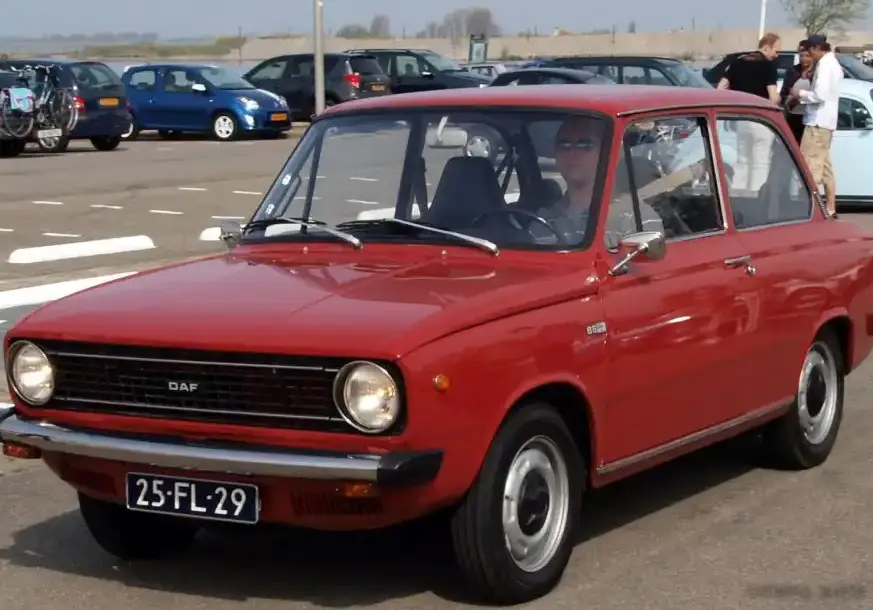
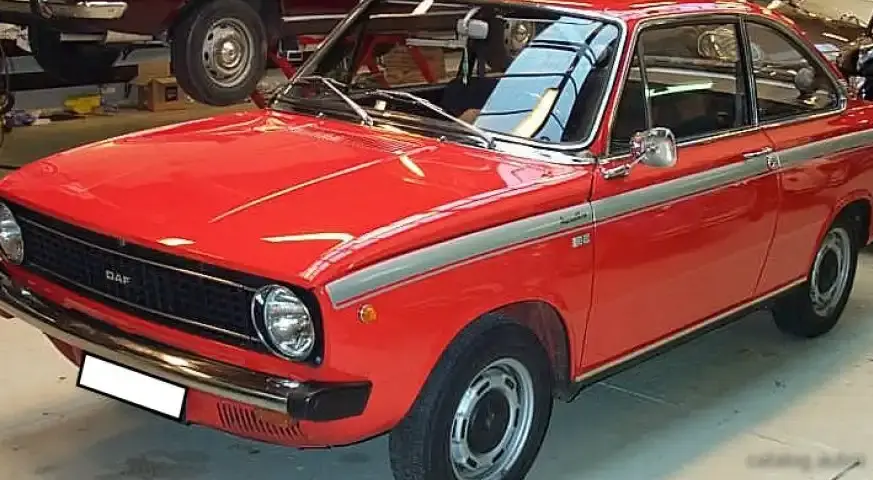
The DAF 66 Coupe 1300 Marathon, produced between 1973 and 1975, represents a unique chapter in the history of Dutch automotive manufacturing. Positioned as a slightly more refined variant within the broader DAF 66 Coupe range, the 1300 Marathon aimed to offer a balance of affordability, practicality, and comfortable cruising for the European market. It was a key model during a period of transition for DAF, ultimately preceding the company’s acquisition by Volvo in 1975. The 66 Coupe, and specifically the Marathon trim, was notable for its innovative use of space and its continuously variable transmission (CVT), a feature that defined DAF vehicles of the era.
Powertrain & Engine Architecture
The heart of the DAF 66 Coupe 1300 Marathon is the BR130 engine, a 1289cc, inline-four cylinder petrol engine. This engine produced 57 horsepower at a relatively high RPM, reflecting the design priorities of the time. The BR130 utilized a single overhead camshaft (SOHC) valvetrain and was fed by a single Solex carburetor. This carburetor system, while simple and reliable, wasn’t known for exceptional fuel efficiency or responsiveness compared to later fuel injection systems. The engine’s block was cast iron, contributing to its durability, while the cylinder head was aluminum, helping to reduce weight. However, the defining characteristic of the DAF 66 wasn’t the engine itself, but rather the transmission.
DAF was a pioneer in the development and implementation of continuously variable transmissions (CVTs). The 66 Marathon featured a Van Doorne-designed CVT, which eliminated the need for traditional gears. This system used a pair of pulleys connected by a belt, allowing for an infinite number of gear ratios within a certain range. The CVT provided exceptionally smooth acceleration and eliminated the jolts associated with conventional gear changes. However, it also had its drawbacks. Early CVTs were not as efficient as modern units, and the belt was a wear item requiring periodic replacement. The Marathon’s CVT was tuned for comfortable cruising rather than outright performance.
Driving Characteristics
The driving experience in a DAF 66 Coupe 1300 Marathon is distinctly different from that of contemporary cars with manual or traditional automatic transmissions. The CVT provides a unique sensation of seamless acceleration. The 57 horsepower engine, while not powerful, was adequate for everyday driving, particularly in Europe’s relatively uncongested roads of the early 1970s. Acceleration was modest, and overtaking required careful planning. The CVT’s operation meant that the engine speed would often rise and remain at a constant RPM during acceleration, which could feel unusual to drivers accustomed to traditional gearboxes. The suspension, while simple, provided a reasonably comfortable ride, absorbing bumps and imperfections in the road surface effectively. The car’s relatively light weight helped to mitigate the lack of outright power.
Equipment & Trim Levels
The “Marathon” trim level represented a step up in terms of comfort and features compared to the base DAF 66 Coupe. Standard equipment included cloth upholstery, a basic instrument cluster, and a heater. The Marathon also featured upgraded interior trim and often included features like a radio as standard or optional equipment. Optional extras included a sunroof, upgraded sound system, and different exterior color options. The interior design was functional and minimalist, reflecting the Dutch design aesthetic of the period. The dashboard layout was straightforward, with clearly marked gauges for speed, fuel level, and engine temperature.
Chassis & Braking
The DAF 66 Coupe utilized a monocoque chassis construction, providing a good balance of strength and weight. The front suspension consisted of independent coil springs and wishbones, while the rear suspension employed a trailing arm setup with coil springs. Braking was provided by disc brakes on the front wheels and drum brakes on the rear wheels. The braking system was adequate for the car’s weight and performance, but it lacked the stopping power of more modern vehicles. Steering was rack and pinion, providing reasonably precise control. The car’s relatively small size and light weight contributed to its nimble handling characteristics.
Market Reception & Comparison
The DAF 66 Coupe 1300 Marathon was generally well-received by automotive critics in Europe. The CVT was often praised for its smoothness and ease of use, although some critics noted its lack of efficiency and the unusual engine behavior. The car was seen as a practical and affordable option for buyers seeking a comfortable and reliable coupe. Compared to other cars in its class, such as the Ford Capri or the Opel Manta, the DAF 66 offered a unique driving experience thanks to its CVT. However, it lacked the performance and sporting pretensions of those rivals. Fuel economy was average for the time, and reliability was generally good, although the CVT belt required periodic maintenance.
Legacy
The DAF 66 Coupe 1300 Marathon holds a special place in automotive history as a pioneer of CVT technology. While the early CVTs were not without their flaws, they paved the way for the more sophisticated and efficient systems used in modern vehicles. Today, the DAF 66 is a sought-after classic car, particularly among enthusiasts who appreciate its unique engineering and quirky charm. The BR130 engine is relatively simple to maintain, and parts availability is generally good. However, finding a well-preserved example can be challenging, as many cars have succumbed to rust or neglect. The 1300 Marathon variant, with its slightly more refined trim level, is particularly desirable among collectors. The DAF 66’s legacy extends beyond its technical innovations; it represents a bold and independent spirit in Dutch automotive design.