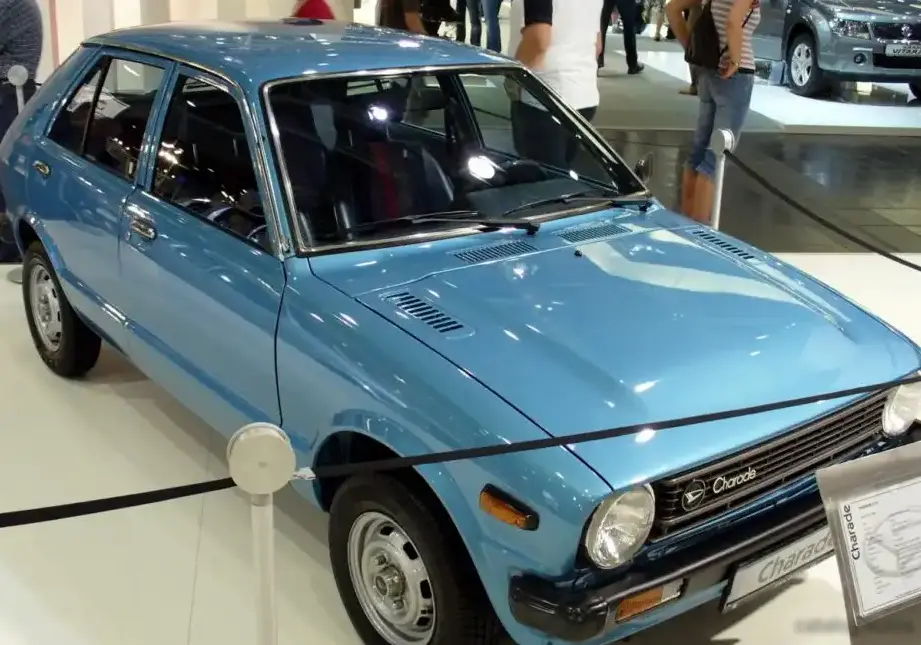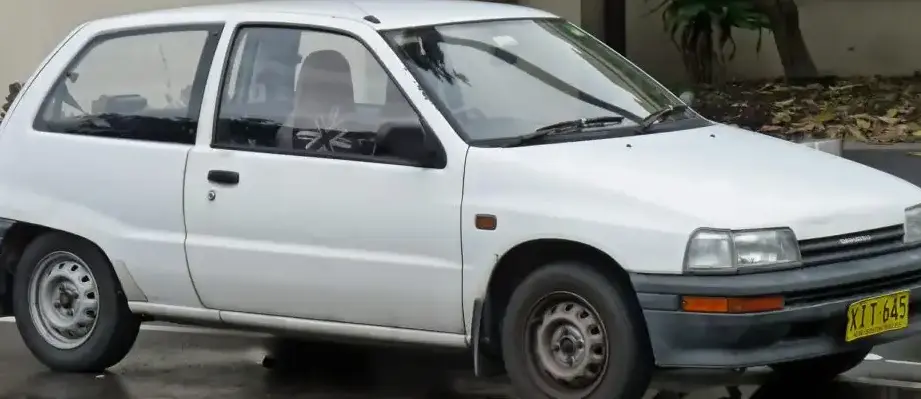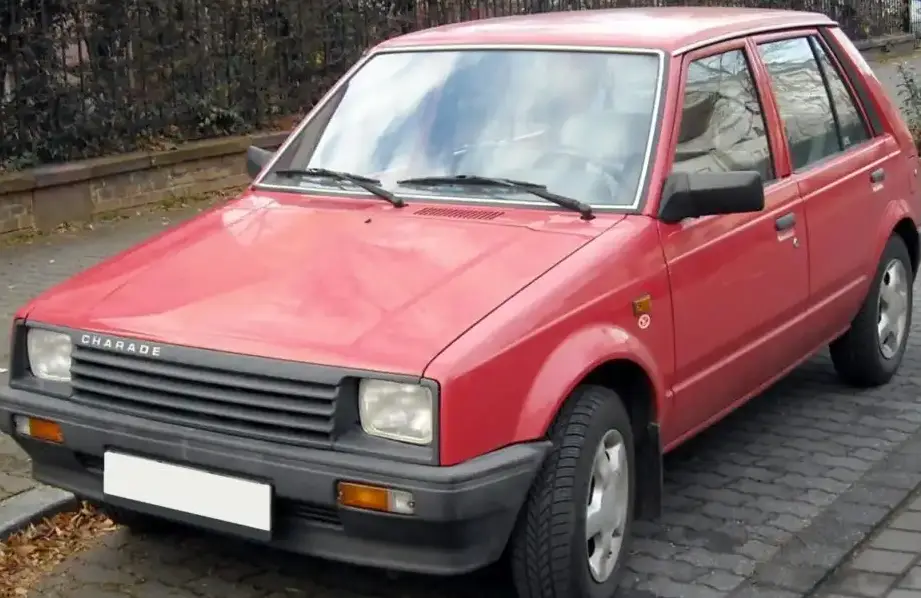
The Daihatsu Charade II, specifically the G30 variant powered by the 1.0-liter diesel engine producing 37 horsepower, represents a unique and often overlooked entry in the early 1980s subcompact car market. Produced between 1983 and 1987, this version of the G11/G30 Charade was primarily aimed at European and Asian markets seeking an economical and fuel-efficient city car. While the Charade II was available with a range of gasoline engines, the 1.0 D (G30) offered a diesel alternative, albeit one with limited power, prioritizing fuel economy over outright performance. It occupied the base trim level within the Charade II lineup, positioned below the more powerful gasoline-fueled models.
Technical Specifications
| Brand | Daihatsu |
| Model | Charade |
| Generation | Charade II (G11, G30) |
| Type (Engine) | 1.0 D (G30) (37 Hp) |
| Start of Production | 1983 |
| End of Production | 1987 |
| Powertrain Architecture | Internal Combustion Engine |
| Body Type | Hatchback |
| Fuel Type | Diesel |
| Power | 37 Hp |
| Engine Aspiration | Naturally Aspirated |
Powertrain & Engine Architecture
The heart of the Charade II G30 is a 999cc, three-cylinder diesel engine. This engine, while small, was designed for durability and fuel efficiency. It utilized indirect injection, a common feature for diesel engines of the era, employing a pre-combustion chamber to improve combustion efficiency and reduce noise. The engine’s modest 37 horsepower output was achieved at a relatively high engine speed for a diesel, around 4,000 rpm. Torque figures were not prominently advertised, but were estimated to be around 58 lb-ft, providing adequate, though not abundant, pulling power. The engine was paired with a four-speed manual transmission as standard, although an optional three-speed automatic transmission was available, further reducing performance but enhancing ease of use. The automatic transmission was a relatively simple design, lacking the sophistication of modern automatics, and contributed to a noticeable reduction in fuel economy compared to the manual version. The engine block was constructed from cast iron, contributing to its robustness, while the cylinder head was aluminum. The valvetrain consisted of a single overhead camshaft operating two valves per cylinder.
Driving Characteristics
The driving experience in the Charade II 1.0 D was defined by its economy-focused nature. Acceleration was slow, particularly with the automatic transmission. The car was best suited for urban driving, where its compact size and nimble handling were advantageous. Highway driving required careful planning, as overtaking maneuvers demanded significant anticipation and a willingness to downshift. The four-speed manual transmission allowed for better control over the engine’s limited power, while the automatic, though convenient, resulted in a sluggish response. The suspension, consisting of MacPherson struts at the front and a torsion beam axle at the rear, provided a comfortable, if somewhat basic, ride. Steering was light and precise, making it easy to maneuver in tight spaces. The overall driving experience was one of practicality and efficiency, rather than excitement.
Equipment & Trim Levels
The Charade II G30 1.0 D, being the entry-level trim, featured a relatively sparse equipment list. Standard features typically included cloth upholstery, basic instrumentation (speedometer, fuel gauge, and temperature gauge), and a two-spoke steering wheel. Power steering and electric windows were generally not available on this trim level. Heating and ventilation were standard, but air conditioning was typically an optional extra. Interior plastics were durable but utilitarian, reflecting the car’s budget-conscious positioning. The exterior featured steel wheels with hubcaps, black plastic bumpers, and relatively simple body trim. Optional extras included a radio, upgraded upholstery, and occasionally, a sunroof. The dashboard layout was functional and straightforward, prioritizing ease of use over aesthetic appeal.
Chassis & Braking
The Charade II G30 utilized a monocoque chassis construction, providing a reasonable balance of strength and weight. Front suspension consisted of MacPherson struts with coil springs and an anti-roll bar. The rear suspension employed a torsion beam axle, a cost-effective and space-saving design. Braking was typically accomplished with disc brakes at the front and drum brakes at the rear. The braking system was adequate for the car’s weight and performance, but lacked the stopping power of more modern vehicles. Steering was rack and pinion, providing precise and responsive handling. The tires were typically narrow, prioritizing fuel economy over grip. The overall chassis and braking setup were designed to provide safe and reliable operation within the constraints of the car’s budget and intended use.
Market Reception & Comparison
The Daihatsu Charade II 1.0 D was generally well-received in markets where fuel economy and affordability were paramount. Critics praised its low running costs and compact size, but often criticized its lack of power and basic interior. Compared to its gasoline-powered siblings, the 1.0 D offered significantly better fuel economy, but at the expense of performance. The gasoline engines, while less efficient, provided a more enjoyable driving experience. Compared to competitors such as the Fiat Panda and the Renault 5, the Charade II offered a similar level of practicality and economy, but often lacked the brand recognition and established reputation of its European rivals. The diesel version was particularly popular in countries with high fuel taxes and a strong emphasis on fuel efficiency.
Legacy
The Daihatsu Charade II 1.0 D, while not a performance icon, holds a significant place in automotive history as a testament to the ingenuity of small-car engineering. The 1.0-liter diesel engine, though underpowered by modern standards, proved to be remarkably durable and reliable. Many examples of the G30 are still on the road today, a testament to their build quality and simple design. In the used car market, these Charades are often sought after by enthusiasts looking for a classic, economical, and easy-to-maintain vehicle. While parts availability can be a challenge, the simplicity of the engine and chassis makes them relatively easy to repair. The Charade II 1.0 D represents a bygone era of automotive design, where practicality and efficiency were prioritized over luxury and performance.