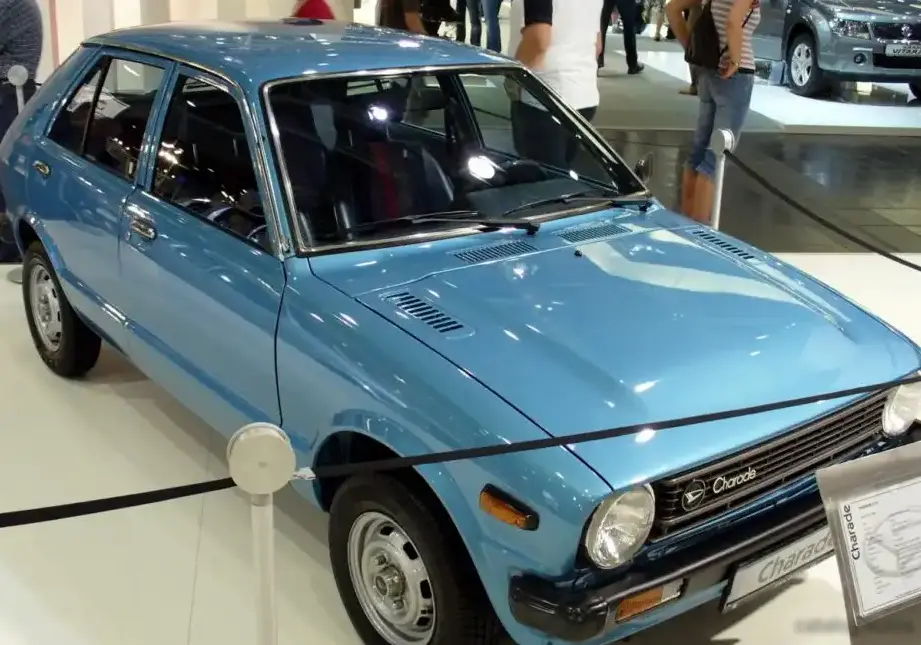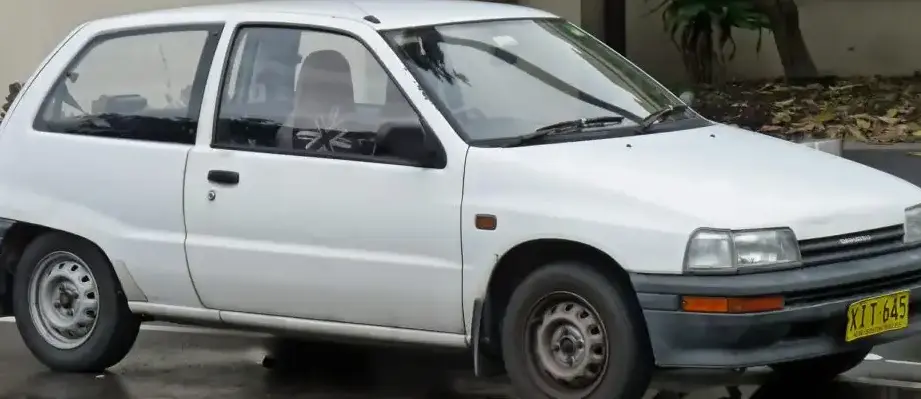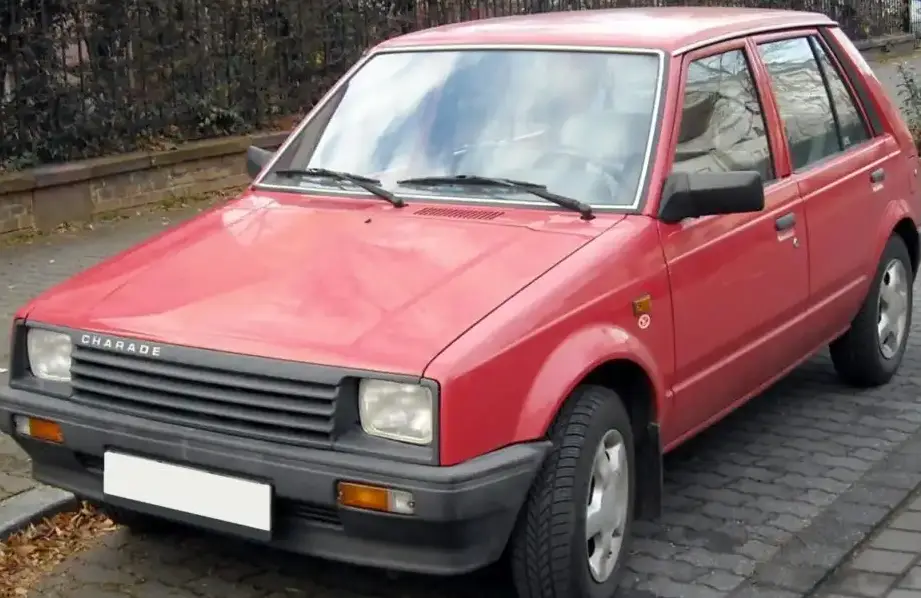
The Daihatsu Charade II, designated as the G11 and G30 series, represented a significant step forward for the Japanese automaker in the subcompact hatchback segment. Produced from 1983 to 1987, the G11 Charade aimed to provide affordable and efficient transportation, particularly in markets sensitive to fuel costs. The 1.0-liter (G11) variant, producing 52 horsepower, served as the entry-level model in many regions, offering a basic but reliable package. This version was particularly important in Europe and Japan, where smaller, economical cars were highly sought after. While not known for blistering performance, the G11 1.0 Charade carved a niche for itself as a practical and economical city car.
Technical Specifications
| Brand | Daihatsu |
| Model | Charade |
| Generation | Charade II (G11, G30) |
| Type (Engine) | 1.0 (G11) (52 Hp) |
| Start of Production | 1983 |
| End of Production | 1987 |
| Powertrain Architecture | Internal Combustion Engine |
| Body Type | Hatchback |
| Fuel Type | Petrol (Gasoline) |
| Power | 52 Hp |
| Engine Aspiration | Naturally Aspirated |
Powertrain & Engine Architecture
The heart of the G11 1.0 Charade was the Daihatsu EB10 engine, a three-cylinder, 998cc (60.8 cubic inch) naturally aspirated gasoline engine. This engine utilized a single overhead camshaft (SOHC) valvetrain with eight valves. Fuel delivery was managed by a carburetor, a common feature for vehicles of this era and price point. The EB10 engine was known for its simplicity and relative ease of maintenance. While not a powerhouse, it was designed for fuel efficiency and durability. The engine’s modest output of 52 horsepower at approximately 6000 rpm and 58 lb-ft of torque at 4000 rpm was sufficient for urban driving, but limited its capabilities on highways or when fully loaded.
The transmission paired with the 1.0-liter engine was typically a four-speed manual, but a three-speed automatic transmission was also offered, albeit less commonly. The automatic transmission, while providing convenience, further reduced the car’s acceleration and fuel economy. The drivetrain was front-wheel drive, a configuration becoming increasingly popular in the 1980s for its improved packaging and fuel efficiency compared to rear-wheel drive.
Driving Characteristics
The driving experience in the G11 1.0 Charade was characterized by its light weight and nimble handling. The car’s small size made it easy to maneuver in tight city streets, and the steering was generally responsive. However, the 52 horsepower engine meant that acceleration was slow, particularly with the automatic transmission. Passing maneuvers required careful planning, and climbing hills often necessitated downshifting. The three-speed automatic transmission had relatively wide gear ratios, contributing to a noticeable lack of refinement during acceleration. The manual transmission offered a more engaging driving experience and allowed the driver to extract the most from the engine’s limited power. Suspension consisted of MacPherson struts in the front and a torsion beam axle in the rear, providing a comfortable, if somewhat basic, ride quality. Road noise was noticeable, typical of cars in this class.
Equipment & Trim Levels
The G11 1.0 Charade was positioned as the entry-level model, and its equipment level reflected this. Standard features typically included basic cloth upholstery, a simple dashboard with analog gauges, and manual windows and door locks. Air conditioning was often an optional extra, as were features like a radio and upgraded interior trim. The interior was functional and utilitarian, prioritizing practicality over luxury. Trim levels varied depending on the market, but generally, the base model offered minimal frills. Higher trim levels, available in some regions, might include features like a more comfortable driver’s seat, upgraded door panels, and a more comprehensive instrument cluster.
Chassis & Braking
The Charade II utilized a monocoque body construction, providing a reasonable level of structural rigidity for its size and price. The front suspension employed MacPherson struts, while the rear suspension featured a torsion beam axle. This setup offered a good balance between ride comfort and handling. Braking was typically accomplished with drum brakes on all four wheels, although some markets offered front disc brakes as an upgrade. The braking system was adequate for the car’s weight and performance, but lacked the stopping power of more modern vehicles. Steering was rack and pinion, providing precise and responsive control.
Market Reception & Comparison
The Daihatsu Charade II 1.0 received generally positive reviews for its fuel efficiency, affordability, and reliability. Critics praised its nimble handling and ease of parking, making it an ideal city car. However, the engine’s lack of power was a common criticism, particularly when compared to competitors offering larger engines. Compared to other subcompact hatchbacks of the era, such as the Fiat Uno or the Renault 5, the Charade offered a competitive package in terms of price and fuel economy. The 1.8L versions of the Volkswagen Golf or the Ford Escort offered significantly more performance, but at a higher price point and with increased running costs. The Charade’s simplicity and robust construction contributed to its reputation for reliability, making it a popular choice for budget-conscious buyers.
Legacy
The Daihatsu Charade II, particularly the 1.0-liter variant, remains a relatively common sight on roads today, a testament to its durability. The EB10 engine is known for its longevity, and with proper maintenance, can continue to provide reliable service for many years. In the used car market, the G11 Charade is valued for its affordability and simplicity. Parts availability can be a challenge in some regions, but the engine’s straightforward design makes it relatively easy to repair. The G11 Charade represents a significant chapter in Daihatsu’s history, demonstrating the company’s ability to produce small, efficient, and reliable vehicles that appealed to a wide range of customers. While not a performance icon, the 1.0-liter Charade played a vital role in providing affordable transportation during the 1980s and continues to be appreciated by enthusiasts and budget-minded drivers alike.