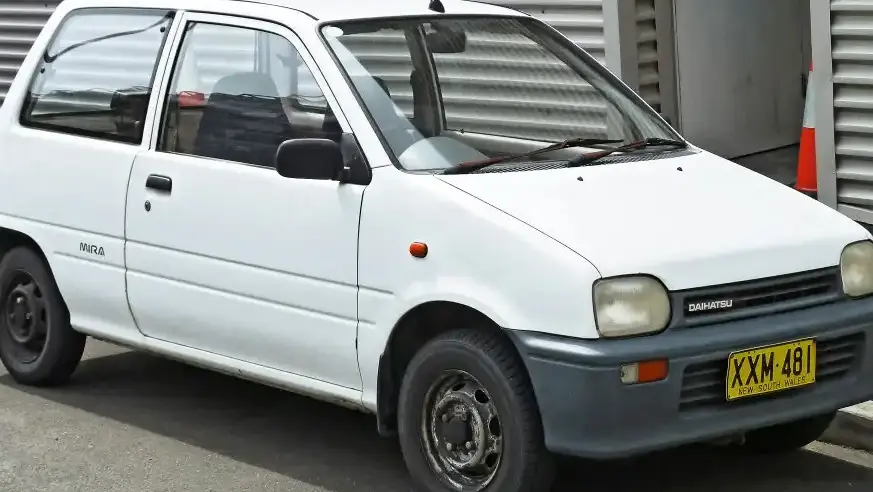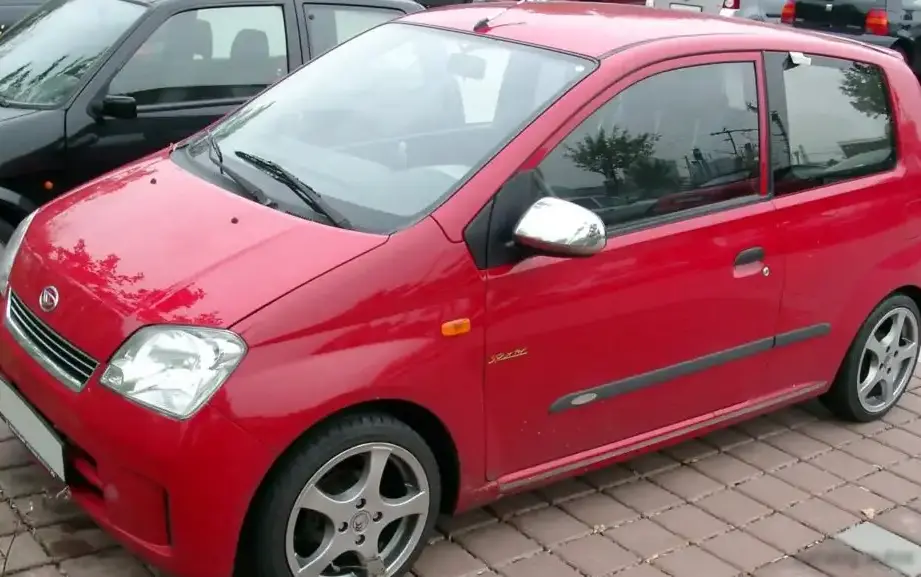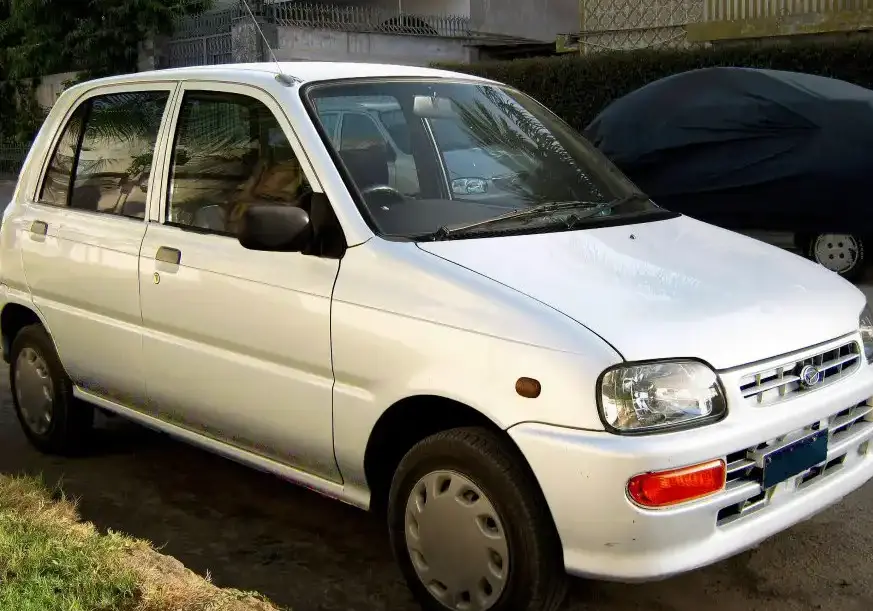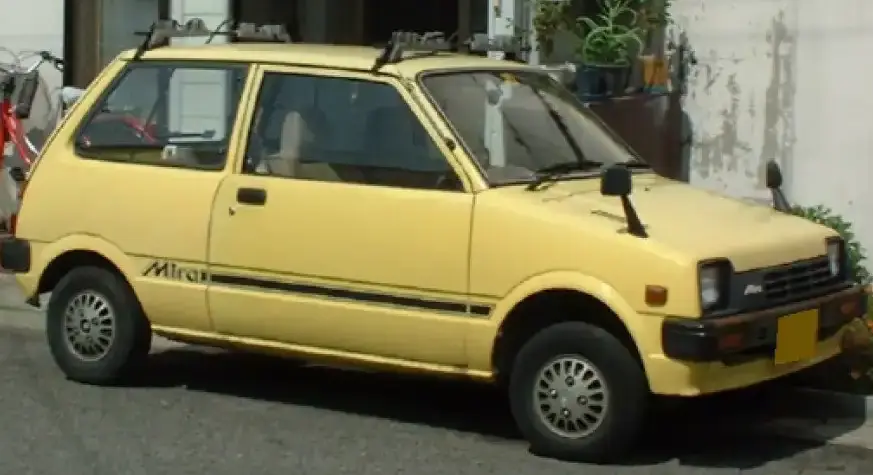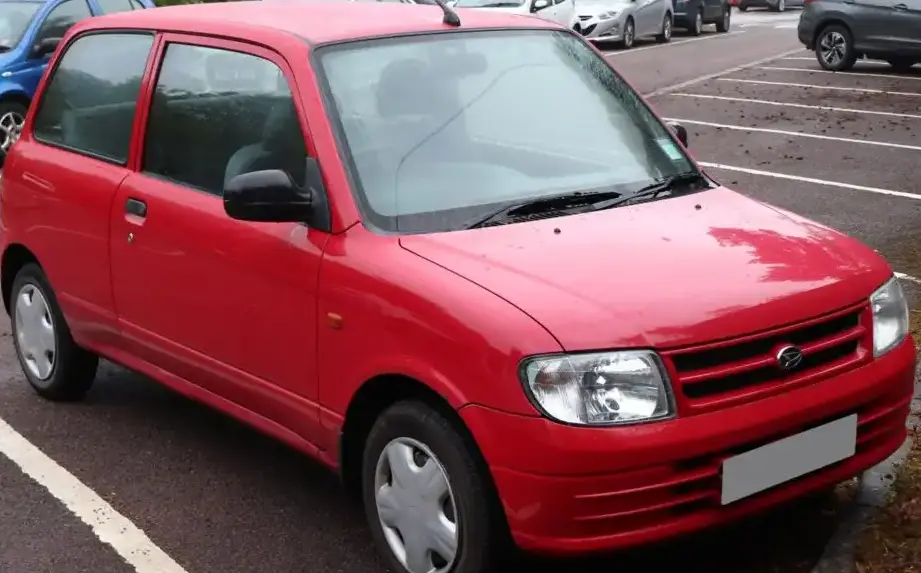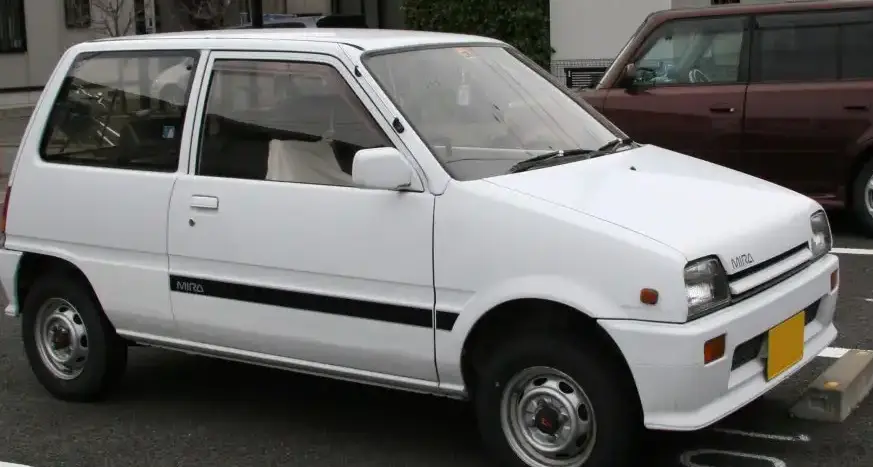
The Daihatsu Cuore L80, specifically the 0.8-liter variant producing 39 horsepower, represents the entry point into the second generation of the Cuore (Kei car) model line. Produced from 1989 to 1990, this diminutive hatchback was a key player in Japan’s Kei car segment, designed to offer affordable and efficient transportation within the strict regulations governing that class. While largely unknown in the North American market, the L80 Cuore was a significant vehicle in Europe and Asia, particularly as a city car. This variant, with its modest power output and automatic transmission option, was aimed at buyers prioritizing ease of use and fuel economy over outright performance.
Technical Specifications
| Brand | Daihatsu |
| Model | Cuore |
| Generation | Cuore (L80, L81) |
| Type (Engine) | 0.8 (L80) (39 Hp) |
| Start of Production | 1989 |
| End of Production | 1990 |
| Powertrain Architecture | Internal Combustion Engine |
| Body Type | Hatchback |
| Fuel Type | Petrol (Gasoline) |
| Power | 39 Hp |
| Engine Aspiration | Naturally Aspirated |
| Engine Displacement | 0.8 Liters |
| Transmission | 3-Speed Automatic (Optional) |
| Drivetrain | Front-Wheel Drive |
| Weight | Approximately 680 kg (1499 lbs) |
| Length | 3.395 meters (11.14 ft) |
| Width | 1.475 meters (4.87 ft) |
| Height | 1.450 meters (4.76 ft) |
Powertrain & Engine Architecture
The heart of the L80 Cuore 0.8 is a 796cc (0.8L) three-cylinder, naturally aspirated gasoline engine. This engine, designated as the EB07, is a simple and robust design, reflecting the Kei car philosophy of affordability and reliability. It features a single overhead camshaft (SOHC) operating two valves per cylinder. Fuel delivery is managed by a carburetor, a common feature for vehicles of this era and price point, rather than fuel injection. The carburetor setup prioritized simplicity and cost-effectiveness over the more precise control offered by injection systems. The 39 horsepower output is achieved at approximately 6000 rpm, with peak torque of around 58 Nm (43 lb-ft) at 3600 rpm.
The optional three-speed automatic transmission was a key selling point for buyers seeking maximum convenience. This transmission, while not known for its performance, provided smooth and effortless shifting, ideal for urban driving. A four-speed manual transmission was also available, offering slightly improved fuel economy and driver engagement. The drivetrain is front-wheel drive, a standard configuration for Kei cars and compact hatchbacks.
Driving Characteristics
The driving experience in the L80 Cuore 0.8 with the automatic transmission is best described as undemanding. Acceleration is leisurely, and the car is not designed for high-speed cruising. The three-speed automatic transmission has relatively wide gear ratios, prioritizing fuel efficiency over rapid acceleration. The car feels most comfortable in city traffic, where its small size and nimble handling are advantageous. Compared to the manual transmission version, the automatic sacrifices some responsiveness, but gains significantly in ease of use. Higher-spec Cuore models, equipped with larger engines (like the 1.0-liter), offered considerably more performance, but at a higher price point. The automatic version was noticeably slower than these variants.
Equipment & Trim Levels
The L80 Cuore 0.8, being the base model, was typically equipped with basic amenities. Standard features generally included cloth upholstery, a simple dashboard layout with analog gauges, and manually operated windows and door locks. Air conditioning was often an optional extra, as were features like a radio/cassette player. The interior was designed for functionality rather than luxury, with durable materials and a focus on maximizing space within the car’s small footprint. Trim levels were relatively limited, with most variations revolving around optional equipment packages. The exterior typically featured steel wheels with hubcaps, and basic plastic trim.
Chassis & Braking
The Cuore L80 utilizes a relatively simple chassis design. It features a MacPherson strut suspension in the front and a torsion beam suspension in the rear. This setup provides a comfortable ride quality, particularly on smooth roads, but is not designed for aggressive handling. The braking system consists of drum brakes on all four wheels, which was typical for vehicles in this class and price range during the late 1980s and early 1990s. The relatively light weight of the vehicle helps to compensate for the less powerful braking system. Stabilizer bars were not typically fitted to the base model, further emphasizing the focus on affordability.
Market Reception & Comparison
The Daihatsu Cuore L80 0.8 was well-received in its target market as an affordable and practical city car. Critics praised its fuel efficiency and ease of driving, but noted its limited performance. Compared to other Kei cars of the time, such as the Suzuki Alto and Honda Today, the Cuore offered a competitive combination of price, fuel economy, and reliability. The automatic transmission version was particularly popular with older drivers and those who preferred a hassle-free driving experience. Fuel economy was a major selling point, typically achieving around 55-60 mpg in real-world driving conditions. Reliability was also strong, with the simple engine design proving to be durable and long-lasting.
Legacy
The Daihatsu Cuore L80 0.8, while not a performance icon, holds a significant place in the history of Kei cars. Its simple and reliable powertrain, combined with its affordable price, made it a popular choice for budget-conscious buyers. Today, these cars are relatively rare outside of Japan, but they are gaining popularity among enthusiasts of classic Kei cars. The EB07 engine is known for its durability, and well-maintained examples can still provide reliable transportation. The automatic transmission, while not particularly sophisticated, is generally considered to be reliable as well. In the used car market, the L80 Cuore 0.8 is valued for its originality and its representation of a bygone era of affordable and efficient motoring. Finding parts can be challenging outside of Japan, but a dedicated community of enthusiasts is helping to keep these little cars on the road.