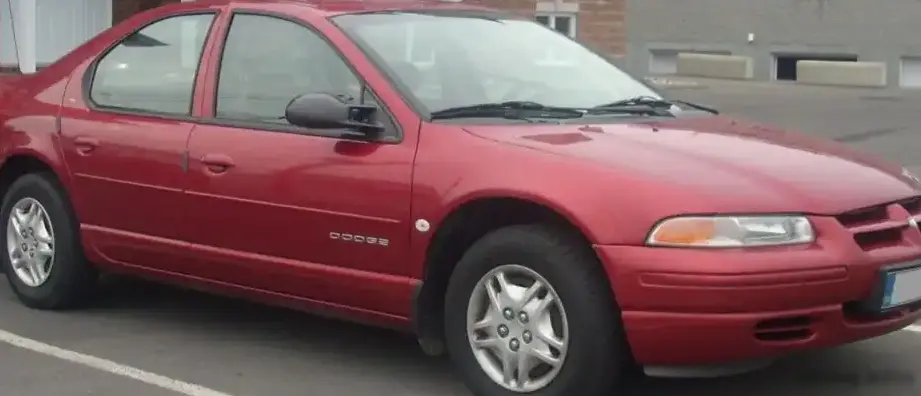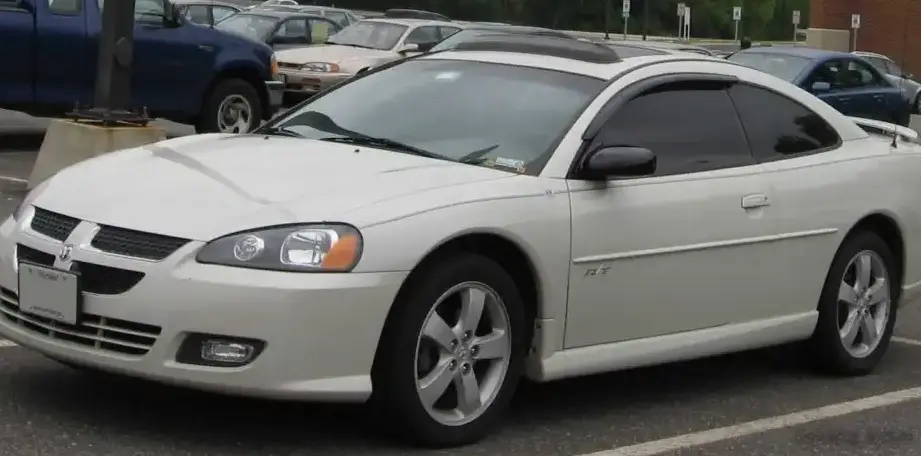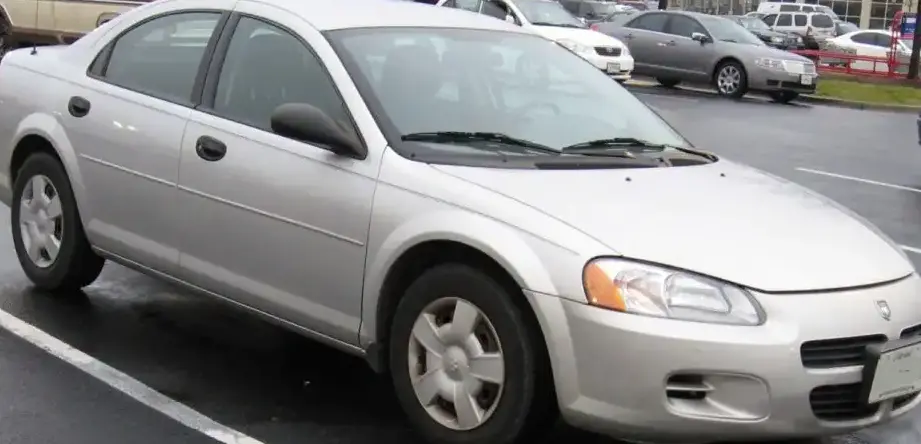
The Dodge Stratus II 2.0, produced from 2001 to 2006, represented the second generation of the Stratus mid-size sedan. Positioned as a mainstream offering within the Dodge lineup, it aimed to provide affordable transportation with a focus on interior space and comfort. This variant, equipped with the 2.0-liter four-cylinder engine producing 132 horsepower, served as the entry-level powertrain option, appealing to budget-conscious buyers. It was a key component of Dodge’s strategy to compete in the highly contested family sedan segment against rivals like the Honda Accord and Toyota Camry.
Technical Specifications
| Brand | Dodge |
| Model | Stratus |
| Generation | Stratus II |
| Type (Engine) | 2.0 (132 Hp) |
| Start of production | 2001 |
| End of production | 2006 |
| Powertrain Architecture | Internal Combustion engine |
| Body type | Sedan |
| Seats | 5 |
| Doors | 4 |
| Fuel Type | Petrol (Gasoline) |
| Weight-to-power ratio | 10.1 kg/Hp, 99 Hp/tonne |
| Weight-to-torque ratio | 7.7 kg/Nm, 130.4 Nm/tonne |
| Power | 132 Hp @ 6000 rpm |
| Power per litre | 66.1 Hp/l |
| Torque | 174 Nm @ 5000 rpm, 128.34 lb.-ft. @ 5000 rpm |
| Engine layout | Front, Transverse |
| Engine displacement | 1996 cm3, 121.8 cu. in. |
| Number of cylinders | 4 |
| Engine configuration | Inline |
| Cylinder Bore | 87.5 mm, 3.44 in. |
| Piston Stroke | 83 mm, 3.27 in. |
| Compression ratio | 9.8:1 |
| Number of valves per cylinder | 4 |
| Fuel injection system | Multi-port manifold injection |
| Engine aspiration | Naturally aspirated engine |
| Valvetrain | OHC |
| Engine oil capacity | 4.25 l, 4.49 US qt | 3.74 UK qt |
| Kerb Weight | 1334 kg, 2940.97 lbs |
| Trunk (boot) space – minimum | 445 l, 15.72 cu. ft |
| Fuel tank capacity | 61 l, 16.11 US gal | 13.42 UK gal |
| Length | 4724 mm, 185.98 in |
| Width | 1821 mm, 71.69 in |
| Height | 1377 mm, 54.21 in |
| Wheelbase | 2743 mm, 107.99 in |
| Front track | 1529 mm, 60.2 in |
| Rear (Back) track | 1529 mm, 60.2 in |
| Drivetrain Architecture | The Internal combustion engine (ICE) drives the front wheels of the vehicle. |
| Drive wheel | Front wheel drive |
| Number of gears and type of gearbox | 5 gears, manual transmission |
| Front suspension | Double wishbone |
| Rear suspension | Coil spring |
| Front brakes | Ventilated discs |
| Rear brakes | Disc |
| Assisting systems | ABS (Anti-lock braking system) |
| Steering type | Steering rack and pinion |
| Power steering | Hydraulic Steering |
| Tires size | 195/70 R14 |
Powertrain & Engine Architecture
The heart of the Stratus II 2.0 was the 2.0-liter inline four-cylinder engine, internally designated as the EDZ. This engine featured a single overhead camshaft (OHC) design, operating four valves per cylinder. Fuel delivery was managed by a multi-port fuel injection system, providing a balance between efficiency and performance. The engine’s 9.8:1 compression ratio was a compromise aimed at achieving acceptable fuel economy while still delivering adequate power for everyday driving. The 2.0L engine was known for its relatively simple design, contributing to its overall reliability. The five-speed manual transmission was the standard pairing for this engine, offering a direct connection between the engine and the front wheels. The transmission’s gear ratios were tuned for fuel efficiency and smooth acceleration, rather than outright performance.
Driving Characteristics
The 132-horsepower 2.0-liter engine in the Stratus II provided adequate, but not exhilarating, performance. Acceleration from 0 to 60 mph took approximately 10-11 seconds. The engine felt most comfortable in the mid-range, offering sufficient power for highway merging and passing maneuvers. Compared to the more powerful 2.4-liter four-cylinder or the V6 options, the 2.0-liter felt noticeably less responsive. However, the five-speed manual transmission allowed drivers to keep the engine in its optimal power band, maximizing its potential. The gear ratios were spaced to provide a balance between acceleration and fuel economy. The Stratus II 2.0 prioritized comfort and fuel efficiency over sporty handling, offering a relatively soft and forgiving ride.
Equipment & Trim Levels
The 2.0-liter Stratus II typically came equipped with a base level of features. Standard amenities included air conditioning, power windows and locks, and an AM/FM stereo. Interior upholstery was typically cloth, with a durable and practical design. Optional extras included features like a CD player, upgraded sound system, cruise control, and power mirrors. The base trim level focused on providing essential features at an affordable price point. Higher trim levels, such as the SE and R/T, offered more luxurious appointments and additional features, but came at a higher cost.
Chassis & Braking
The Stratus II utilized a front-wheel-drive platform with a double wishbone suspension in the front and a coil spring suspension in the rear. This suspension setup provided a comfortable ride, absorbing bumps and irregularities in the road surface effectively. The front brakes were ventilated discs, offering good stopping power, while the rear brakes were solid discs. Anti-lock braking system (ABS) was standard, enhancing safety by preventing wheel lockup during hard braking. The steering system was a rack-and-pinion setup with hydraulic power assist, providing responsive and precise steering control.
Market Reception & Comparison
The Dodge Stratus II 2.0 was generally well-received as an affordable and practical family sedan. Critics praised its spacious interior and comfortable ride. However, the 2.0-liter engine was often criticized for its lack of power, particularly when compared to competitors offering more potent engines. Fuel economy was a strong point, with the 2.0-liter engine achieving around 24 mpg in the city and 33 mpg on the highway. In terms of reliability, the 2.0-liter engine proved to be relatively dependable, although some owners reported issues with the cooling system and electrical components. Compared to the 2.4-liter and V6 models, the 2.0-liter offered the best fuel economy but the lowest performance.
Legacy
The Dodge Stratus II 2.0, while not a performance standout, remains a relatively affordable and accessible option in the used car market. The 2.0-liter engine, despite its modest power output, has proven to be reasonably durable with proper maintenance. Parts availability is generally good, making repairs relatively straightforward. While it may not appeal to drivers seeking a sporty driving experience, the Stratus II 2.0 offers a comfortable and practical transportation solution for those prioritizing fuel efficiency and affordability. Its simplicity and relatively low maintenance costs contribute to its continued appeal as a budget-friendly used car option.