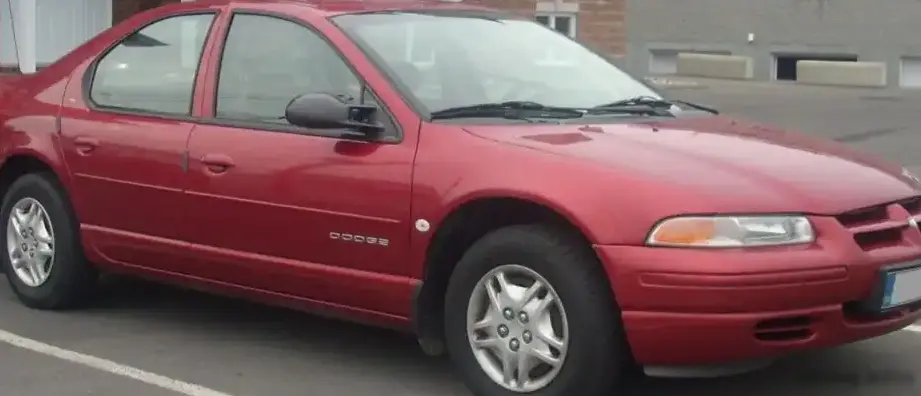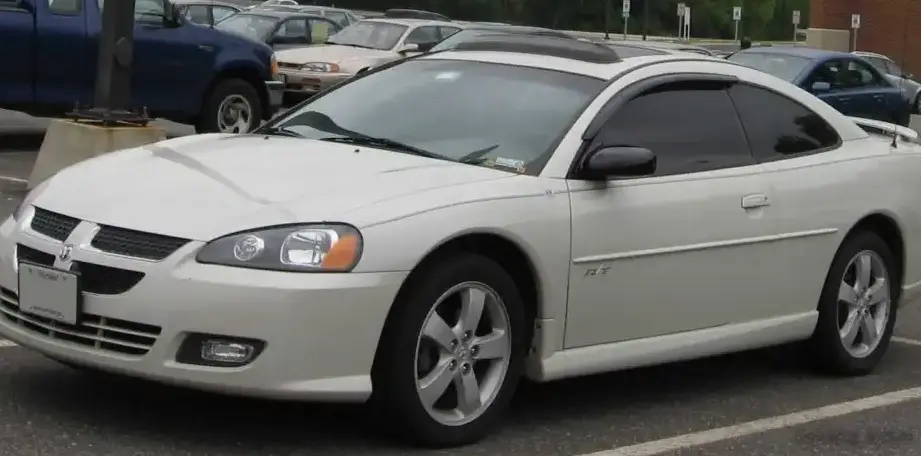
The Dodge Stratus II 2.4, produced between 2001 and 2006, represented the second generation of the Stratus mid-size sedan. Positioned as a mainstream offering within the Dodge lineup, it aimed to provide comfortable and affordable transportation for families and commuters. This variant, equipped with the 2.4-liter four-cylinder engine and a four-speed automatic transmission, served as a popular choice for buyers prioritizing fuel efficiency and ease of use over outright performance. It was built on the Chrysler JH platform, shared with the Chrysler Sebring and Dodge Neon, and was primarily sold in the North American market.
Technical Specifications
| Brand | Dodge |
| Model | Stratus |
| Generation | Stratus II |
| Type (Engine) | 2.4 (152 Hp) |
| Start of production | 2001 |
| End of production | 2006 |
| Powertrain Architecture | Internal Combustion engine |
| Body type | Sedan |
| Seats | 5 |
| Doors | 4 |
| Fuel consumption (urban) | 11.2 l/100 km (21 US mpg) |
| Fuel consumption (extra urban) | 8.1 l/100 km (29 US mpg) |
| Fuel Type | Petrol (Gasoline) |
| Maximum speed | 180 km/h (111.85 mph) |
| Weight-to-power ratio | 9.8 kg/Hp |
| Weight-to-torque ratio | 6.6 kg/Nm |
| Power | 152 Hp @ 5200 rpm |
| Power per litre | 62.6 Hp/l |
| Torque | 226 Nm @ 4000 rpm (166.69 lb.-ft. @ 4000 rpm) |
| Engine layout | Front, Transverse |
| Engine Model/Code | EDZ |
| Engine displacement | 2429 cm3 (148.23 cu. in.) |
| Number of cylinders | 4 |
| Engine configuration | Inline |
| Cylinder Bore | 87.5 mm (3.44 in.) |
| Piston Stroke | 101 mm (3.98 in.) |
| Compression ratio | 9.4:1 |
| Number of valves per cylinder | 4 |
| Fuel injection system | Multi-port manifold injection |
| Engine aspiration | Naturally aspirated engine |
| Valvetrain | DOHC |
| Engine oil capacity | 4.7 l (4.97 US qt | 4.14 UK qt) |
| Coolant | 7.5 l (7.93 US qt | 6.6 UK qt) |
| Kerb Weight | 1495 kg (3295.91 lbs.) |
| Max. weight | 1990 kg (4387.2 lbs.) |
| Max load | 495 kg (1091.29 lbs.) |
| Trunk (boot) space – minimum | 454 l (16.03 cu. ft.) |
| Fuel tank capacity | 61 l (16.11 US gal | 13.42 UK gal) |
| Length | 4856 mm (191.18 in.) |
| Width | 1793 mm (70.59 in.) |
| Height | 1395 mm (54.92 in.) |
| Wheelbase | 2743 mm (107.99 in.) |
| Front track | 1529 mm (60.2 in.) |
| Rear (Back) track | 1529 mm (60.2 in.) |
| Drivetrain Architecture | The Internal combustion engine (ICE) drives the front wheels of the vehicle. |
| Drive wheel | Front wheel drive |
| Number of gears and type of gearbox | 4 gears, automatic transmission |
| Front suspension | Double wishbone |
| Rear suspension | Coil spring |
| Front brakes | Ventilated discs |
| Rear brakes | Disc |
| Assisting systems | ABS (Anti-lock braking system) |
| Steering type | Steering rack and pinion |
| Power steering | Hydraulic Steering |
| Tires size | 195/65 R15 |
Powertrain & Engine Architecture
The heart of the Stratus II 2.4 was the EDZ engine, a 2.4-liter inline four-cylinder powerplant. This engine utilized a dual overhead camshaft (DOHC) valvetrain with four valves per cylinder, contributing to its relatively efficient operation. Fuel delivery was managed by a multi-port fuel injection system, providing precise fuel metering for optimal combustion. The engine produced 152 horsepower at 5200 rpm and 166.69 lb-ft of torque at 4000 rpm. Paired with this engine was a four-speed automatic transmission, offering smooth and convenient shifting. This transmission was chosen for its ease of use and suitability for everyday driving conditions, making it a popular choice for buyers who didn’t prioritize sporty performance.
Driving Characteristics
The 2.4-liter engine and four-speed automatic combination in the Stratus II delivered adequate, but not exhilarating, performance. Acceleration was sufficient for merging onto highways and navigating city streets, but it lacked the punch of the optional V6 engine. The automatic transmission was tuned for comfort and fuel economy, resulting in relatively relaxed gear changes. The gear ratios were optimized for cruising, but downshifts could sometimes feel sluggish when needing to accelerate quickly. Compared to the five-speed manual transmission available on some Stratus models, the automatic offered less driver engagement and slightly reduced fuel efficiency. However, it provided a more relaxed driving experience, particularly in stop-and-go traffic.
Equipment & Trim Levels
The Stratus II 2.4 typically came standard with features such as air conditioning, power windows and locks, and an AM/FM stereo. Higher trim levels, like the SE and ES, added features like alloy wheels, upgraded interior trim, and a CD player. Optional extras included a sunroof, leather upholstery, and a premium sound system. The interior generally featured durable materials and a functional layout, prioritizing practicality over luxury. The base models often had cloth upholstery, while higher trims offered more comfortable and visually appealing seating options.
Chassis & Braking
The Stratus II utilized a front-wheel-drive layout with a double wishbone suspension in the front and a coil spring suspension in the rear. This suspension setup provided a comfortable ride quality, absorbing bumps and imperfections in the road. The front brakes were ventilated discs, offering good stopping power, while the rear brakes were solid discs. Anti-lock braking system (ABS) was standard, enhancing safety by preventing wheel lockup during hard braking. The steering was rack and pinion with hydraulic power assist, providing responsive and easy steering control.
Market Reception & Comparison
The Dodge Stratus II 2.4 was generally well-received as a practical and affordable mid-size sedan. Critics praised its comfortable ride and spacious interior, but noted that its performance was not as exciting as some of its competitors. Compared to the V6-powered Stratus models, the 2.4-liter version offered better fuel economy but significantly less power. Against rivals like the Honda Accord and Toyota Camry, the Stratus II 2.4 often lagged in terms of refinement and resale value, but it offered a competitive price point. Fuel economy figures averaged around 21 mpg city and 29 mpg highway, making it an attractive option for budget-conscious buyers.
Legacy
The Dodge Stratus II 2.4, while not a standout performer, proved to be a reliable and durable vehicle. The 2.4-liter EDZ engine is generally considered to be a robust and long-lasting unit, with many examples still on the road today. However, like many vehicles of this era, they are prone to age-related issues such as corrosion and wear and tear on suspension components. In the used car market, the Stratus II 2.4 remains an affordable option for those seeking a basic and dependable transportation. Its simplicity and relatively low maintenance costs make it a popular choice for first-time car buyers or those needing a reliable commuter vehicle. While it may not possess the prestige of some of its competitors, the Stratus II 2.4 served its purpose as a practical and accessible mid-size sedan.