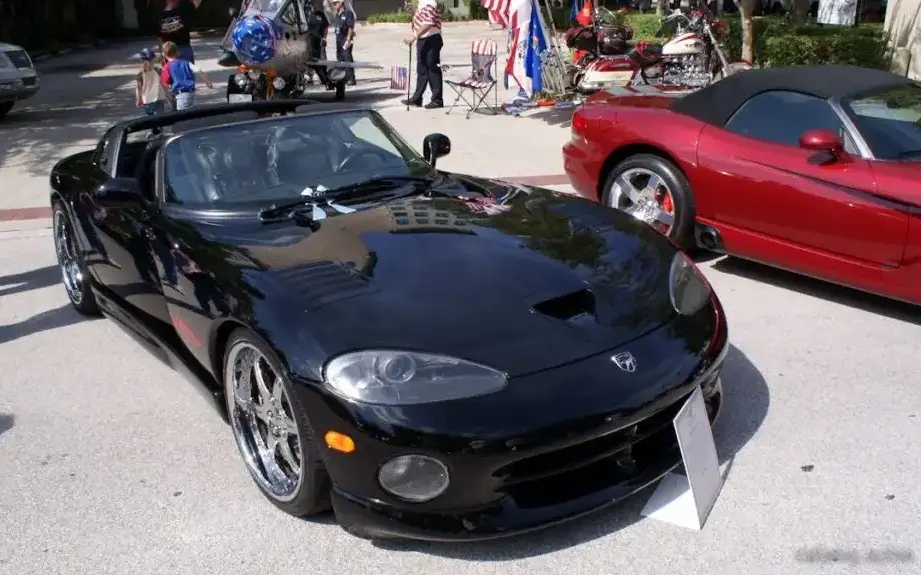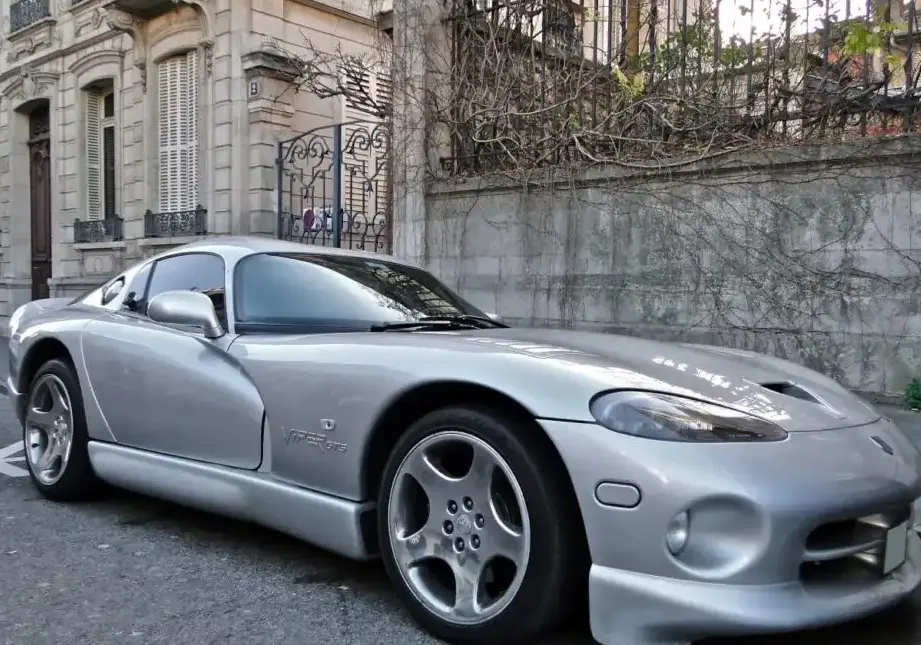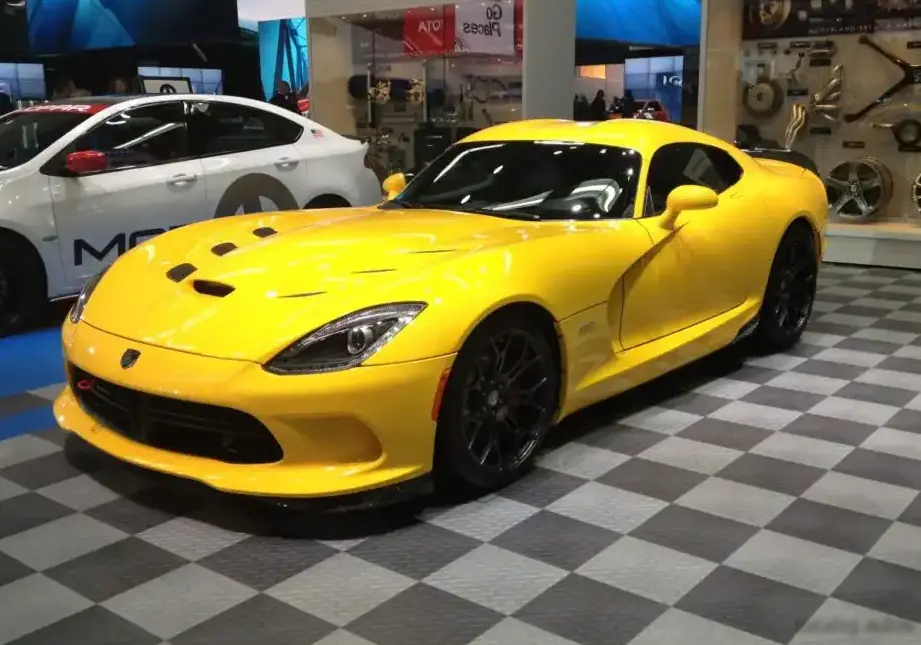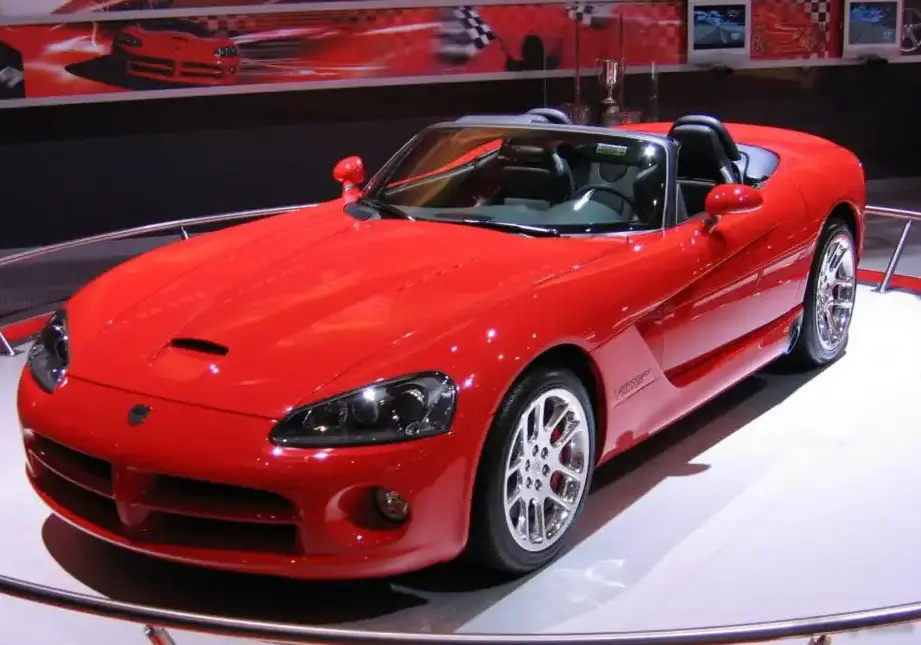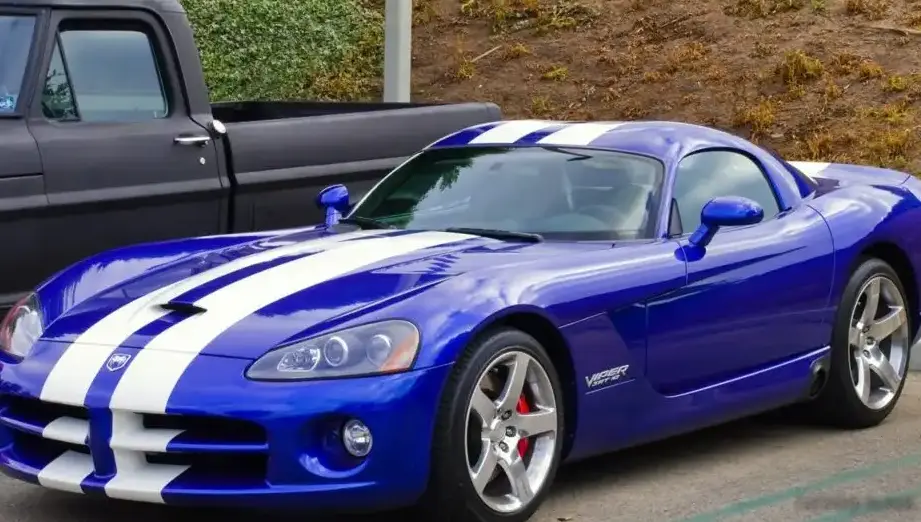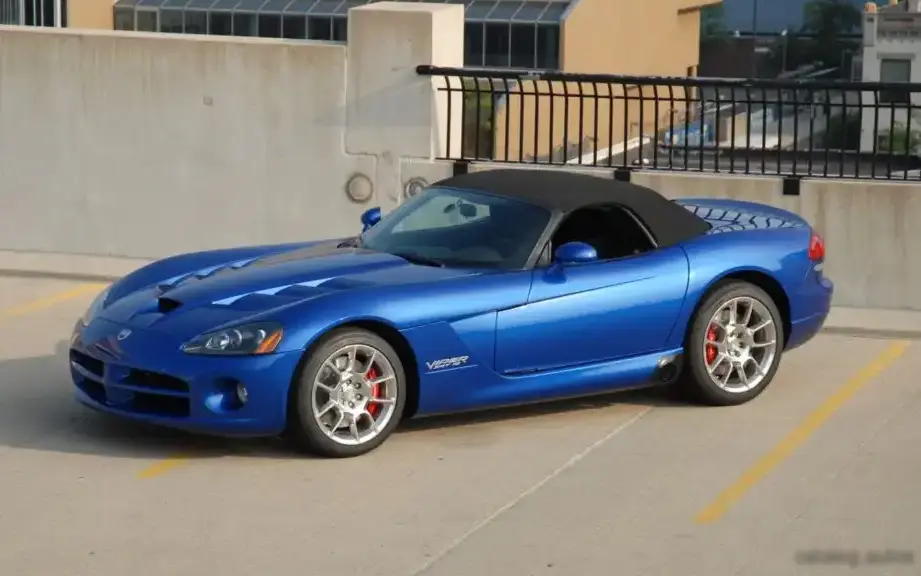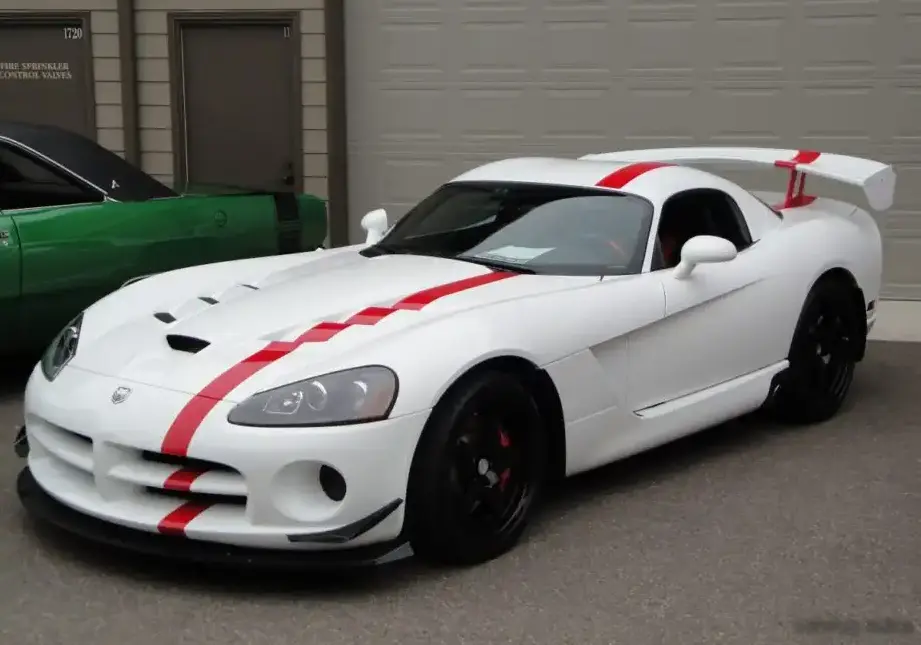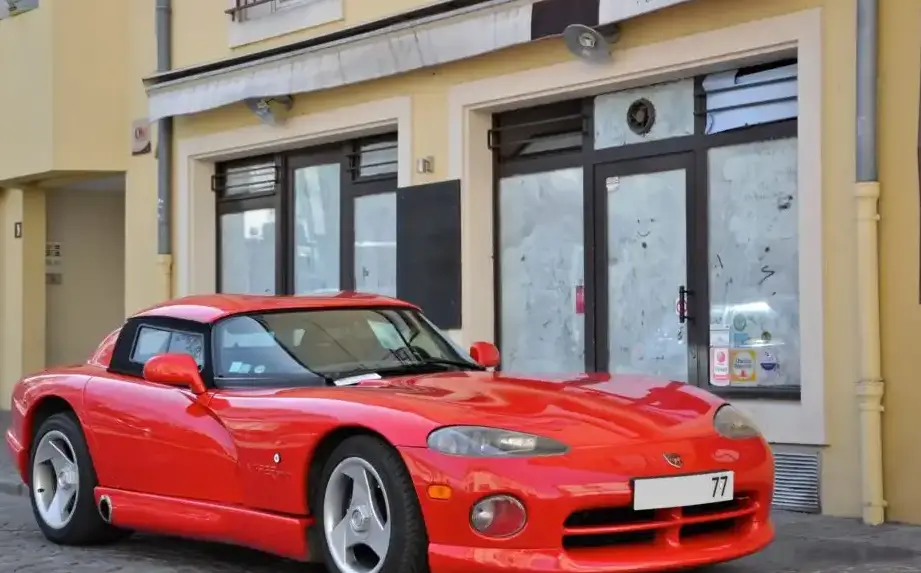
The Dodge Viper SR I, produced from 1991 to 1995, marked the inaugural iteration of Dodge’s iconic sports car. Originating from a concept showcased at the 1989 Chicago Auto Show, initially dubbed the “Viper,” it swiftly transitioned into a limited-production vehicle. It was a direct response to a growing demand for a uniquely American, high-performance car, intended to challenge established European sports car manufacturers. The SR I was offered exclusively as a Targa-top model, foregoing side windows and featuring a minimalist interior designed to prioritize the driving experience. Constructed on a tubular steel chassis and powered by a substantial 8.0-liter V10 engine, the Viper represented a significant departure from Dodge’s conventional offerings and established itself as a flagship vehicle for the brand.
Technical Specifications
| Brand | Dodge |
| Model | Viper |
| Generation | Viper SR I |
| Engine Type | 8.0 V10 (400 Hp) |
| Start of production | 1991 |
| End of production | 1995 |
| Powertrain Architecture | Internal Combustion engine |
| Body type | Targa |
| Seats | 2 |
| Doors | 2 |
| Fuel consumption (urban) | 19.6 l/100 km (12 US mpg) |
| Fuel consumption (extra urban) | 11.8 l/100 km (19.9 US mpg) |
| Fuel consumption (combined) | 15.7 l/100 km (15 US mpg) |
| Fuel Type | Petrol (Gasoline) |
| Acceleration 0 – 100 km/h | 4.5 sec |
| Acceleration 0 – 62 mph | 4.5 sec |
| Acceleration 0 – 60 mph | 4.3 sec |
| Maximum speed | 266 km/h (165.28 mph) |
| Weight-to-power ratio | 3.8 kg/Hp |
| Power | 400 Hp @ 4600 rpm |
| Torque | 626 Nm @ 3600 rpm (461.71 lb.-ft. @ 3600 rpm) |
| Engine layout | Front, Longitudinal |
| Engine displacement | 7994 cm3 (487.82 cu. in.) |
| Number of cylinders | 10 |
| Engine configuration | V-engine |
| Cylinder Bore | 101.6 mm (4 in.) |
| Piston Stroke | 98.6 mm (3.88 in.) |
| Compression ratio | 9:1 |
| Fuel injection system | Multi-port manifold injection |
| Engine aspiration | Naturally aspirated engine |
| Engine oil capacity | 9.1 l (9.62 US qt) |
| Coolant capacity | 15.2 l (16.06 US qt) |
| Kerb Weight | 1532 kg (3377.48 lbs.) |
| Trunk (boot) space | 334 l (11.8 cu. ft.) |
| Fuel tank capacity | 83 l (21.93 US gal) |
| Length | 4448 mm (175.12 in.) |
| Width | 1924 mm (75.75 in.) |
| Height | 1117 mm (43.98 in.) |
| Wheelbase | 2444 mm (96.22 in.) |
| Front track | 1514 mm (59.61 in.) |
| Rear track | 1538 mm (60.55 in.) |
| Drivetrain Architecture | Rear wheel drive |
| Gearbox | 6 gears, manual transmission |
| Front suspension | Double wishbone |
| Rear suspension | Coil spring |
| Front brakes | Ventilated discs |
| Rear brakes | Ventilated discs |
| Assisting systems | ABS (optional) |
| Tires size | 275/40 R17; 335/35 R17 |
Powertrain & Engine Architecture
The core of the Viper SR I is its massive 8.0-liter (487.82 cubic inch) V10 engine. This engine, designated internally as the 1HX, was derived from a cast-iron block initially intended for truck applications, but significantly modified by Lamborghini, which was under Chrysler ownership at the time. It featured a 90-degree V-angle, two valves per cylinder, and a multi-port fuel injection system. The engine generated 400 horsepower at 4,600 rpm and a robust 461.71 lb-ft of torque at 3,600 rpm. The engine’s naturally aspirated design and substantial displacement contributed to its distinctive exhaust note and potent power delivery. The SR I was exclusively equipped with a six-speed manual transmission, engineered to manage the engine’s considerable output. This transmission was integral to delivering the Viper’s aggressive and engaging driving experience.
Driving Characteristics
The Viper SR I delivered a raw and visceral driving experience that set it apart from most contemporary sports cars. The combination of the large-displacement V10 and the six-speed manual transmission resulted in rapid acceleration – achieving 0 to 60 mph in approximately 4.3 seconds. However, the car’s lack of electronic driver aids, coupled with its immense power, demanded respect and skill from the driver. The steering was direct and unassisted, providing excellent feedback but requiring considerable effort at lower speeds. The suspension, while firm, was tuned for performance, prioritizing handling over ride comfort. The absence of traction control meant that managing the rear-wheel drive layout required careful throttle modulation, particularly in challenging conditions. The gear ratios were relatively tall, emphasizing mid-range power and torque, making it a thrilling experience on open roads.
Equipment & Trim Levels
The Viper SR I was intentionally minimalist in its equipment levels. It was conceived as a driver’s car, prioritizing performance over luxury. Standard features included leather bucket seats, a basic instrument cluster, and a leather-wrapped steering wheel. Air conditioning and a stereo system were available as optional extras. The interior was spartan, with minimal sound insulation, contributing to the raw and unfiltered driving experience. The Targa top was manually removable, and the car lacked side windows, further emphasizing its open-air character. Paint color options were limited, reflecting the car’s focus on performance rather than extensive customization.
Chassis & Braking
The Viper SR I employed a tubular steel chassis, providing a rigid and lightweight foundation for the vehicle. The suspension system consisted of double wishbones at the front and a coil spring setup at the rear. Braking was provided by ventilated disc brakes on all four wheels, offering adequate stopping power for the car’s performance capabilities. However, the braking system initially lacked ABS, which was later incorporated as a standard feature. The car’s relatively low weight (approximately 3,377 lbs) contributed to its agile handling characteristics. The rear track was slightly wider than the front, enhancing stability during cornering maneuvers.
Market Reception & Comparison
The Dodge Viper SR I was widely praised by automotive critics for its raw performance, distinctive styling, and American-made heritage. Reviewers lauded the V10 engine’s power and sound, as well as the car’s engaging driving experience. However, the car’s lack of refinement and driver aids were also noted. Compared to other sports cars of the era, such as the Chevrolet Corvette and the Porsche 911, the Viper offered a more visceral and uncompromising experience. Fuel economy was predictably poor, averaging around 15 mpg combined. Reliability was also a concern for some early adopters, with initial production models experiencing occasional mechanical issues.
Legacy
The Dodge Viper SR I laid the groundwork for a legendary sports car lineage. While early models experienced some reliability concerns, the V10 powertrain proved to be remarkably durable with proper maintenance. Today, the SR I is a highly sought-after collectible, appreciated for its historical significance and raw driving experience. The car’s minimalist design and powerful engine continue to appeal to enthusiasts who prioritize performance over comfort. The Viper SR I remains a symbol of American automotive engineering and a testament to the pursuit of pure driving pleasure. Values for well-maintained SR I models have steadily increased in the used car market in recent years, reflecting their growing desirability among collectors and enthusiasts.